As women’s footwear brands face increasing competition and shorter product cycles, choosing the right women’s shoe manufacturer has become a strategic decision—not just a sourcing one.
In 2026, successful brands are no longer looking for factories that only produce shoes. They are seeking manufacturing partners that can support product development, category expansion, and long-term brand growth.
This article explores how modern women’s shoe manufacturers help brands grow sustainably, efficiently, and competitively.
1. From Production to Partnership: The Evolving Role of Women’s Shoe Manufacturers
Traditionally, a women footwear manufacturer focused on order fulfillment. Today, the role has expanded significantly.
A professional custom women’s shoe manufacturer now supports brands through:
•Early-stage design feasibility assessment
•Development and sampling from concepts or references
•Manufacturing consistency across multiple women’s shoe categories
•This shift allows brands to reduce risk and focus more on design, marketing, and brand positioning.
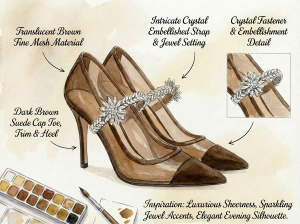
2. Custom Development Enables Brand Differentiation
Brand growth in women’s footwear depends heavily on differentiation. Manufacturers that offer full customization enable brands to create distinctive products rather than generic styles.
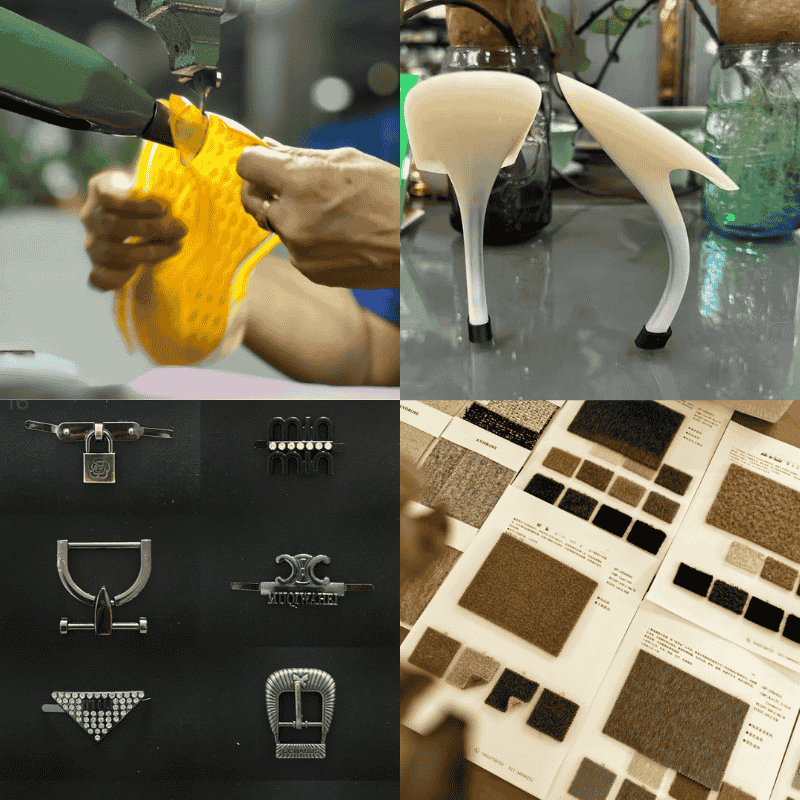
Key customization areas include:
•Materials and leather selection
•Heel structures and outsole construction
•Hardware, finishes, and detailing
•For example, brands developing formal or occasion footwear often require precise customization, especially for niche categories such as bridal collections.
3. Supporting Category Expansion Without Losing Consistency
As brands grow, they often expand beyond a single shoe type. Managing multiple suppliers can quickly lead to inconsistency in fit, quality, and production timelines.
Experienced women’s shoe manufacturers support growth by:
•Aligning sizing standards across categories
•Maintaining consistent quality benchmarks
•Supporting multiple product lines under one manufacturing system
This is particularly important for brands adding high heels, flats, or seasonal collections.
ections.
4. Scalable Manufacturing Systems for Long-Term Growth
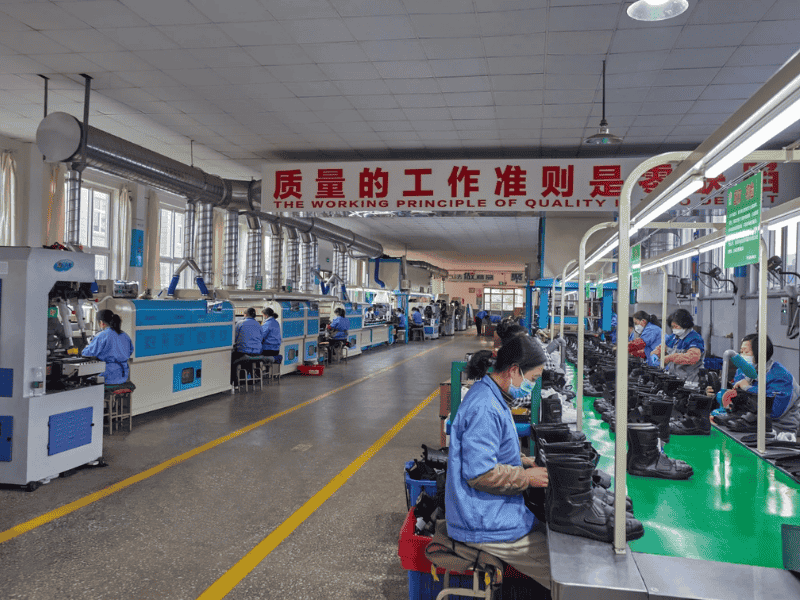
Brand growth requires scalability. A reliable women’s shoe manufacturer helps brands move from small runs to larger seasonal production without disrupting quality or delivery.
In 2026, scalable manufacturing means:
•Flexible production planning
•Stable supply chain management
•Repeatable systems for future collections
This approach allows brands to plan launches with confidence and build long-term momentum.
5. One-Stop Manufacturing Solutions Reduce Operational Complexity
Many growing brands struggle with fragmented suppliers for design, development, and production. One-stop manufacturing solutions simplify this process.
Working with an integrated women footwear manufacturer enables:
•Faster development cycles
•Fewer communication gaps
•Better cost and timeline control
6. Trust, Transparency, and Long-Term Collaboration
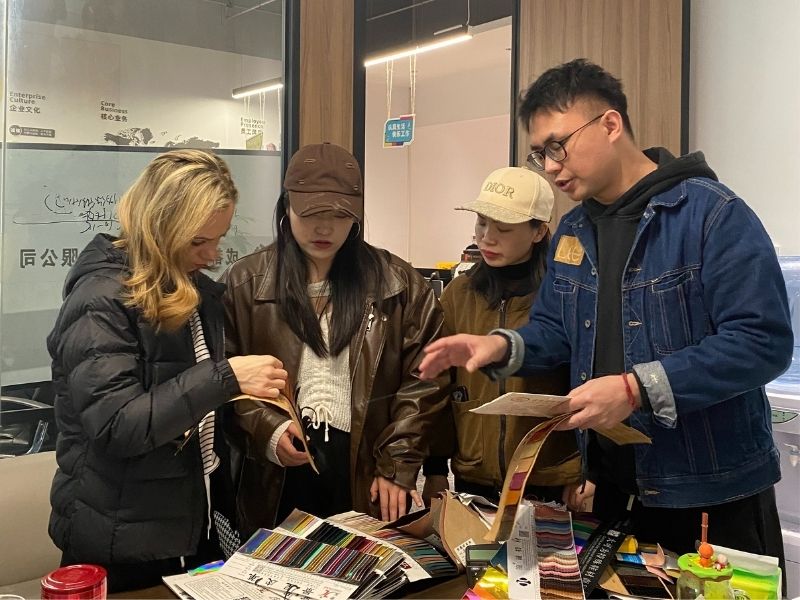
Beyond production capabilities, trust and communication play a critical role in brand growth.
Leading women’s shoe manufacturers invest in:
•One-on-one project coordination
•Transparent development stages
•Long-term collaboration models
This partnership mindset supports repeat orders, seasonal updates, and evolving brand strategies.
Conclusion|Choosing the Right Women’s Shoe Manufacturer in 2026
In 2026, women’s shoe manufacturers are no longer just suppliers—they are growth partners.
Brands that collaborate with experienced manufacturers gain:
•Stronger product differentiation
•Scalable production capabilities
•Reduced operational risk
Choosing the right women footwear manufacturer can directly influence how successfully a brand grows in competitive global markets.
FAQ|Women’s Shoe Manufacturers & Brand Growth
A women’s shoe manufacturer supports brands through product development, sampling, production, and long-term manufacturing coordination.
Yes. Many custom women’s shoe manufacturers offer flexible MOQs and development support tailored to growing brands.
They enable customization, ensure production consistency, support category expansion, and provide scalable manufacturing systems.
A women’s shoe manufacturer typically offers broader services, including design development, quality control, and long-term brand support.
Yes. OEM and private label women’s shoe manufacturing allows brands to create unique designs aligned with their identity.