
Snow Boots Manufacturer & Wholesale Supplier
We’ve perfected Snow Boots for wholesale programs and manufacturers who demand reliable supply. I’m here to help you build strong seasonal assortments with flexible OEM/ODM options, private labeling, and pricing that scales with volume. Each pair combines a water‑resistant upper, insulated lining, and a rugged, slip‑resistant outsole built to endure urban and rural winter. Our Snow Boots stay warm to subzero temps, yet remain lightweight enough for all‑day wear, reducing fatigue for your customers. We control quality at every step—from material sourcing to final finishes—so you can offer consistent product to your buyers. We offer fast samples, scalable production, and adjustable packaging to suit your Wholesale channels or Manufacturer needs. Lead times are predictable, and we can discuss sustainable materials and customization to differentiate your brand. If you want dependable supply and a partner who understands mass orders, I’m ready to collaborate.
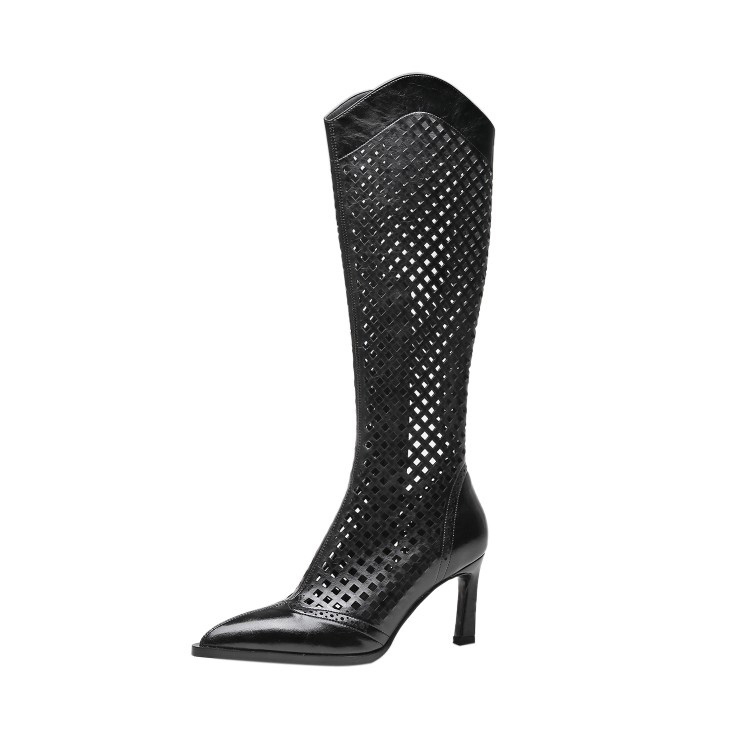
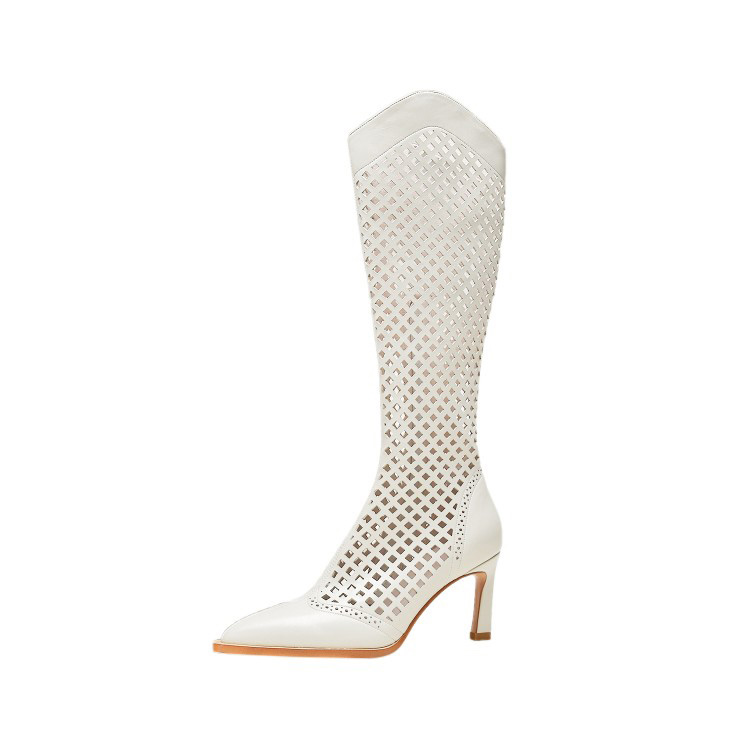
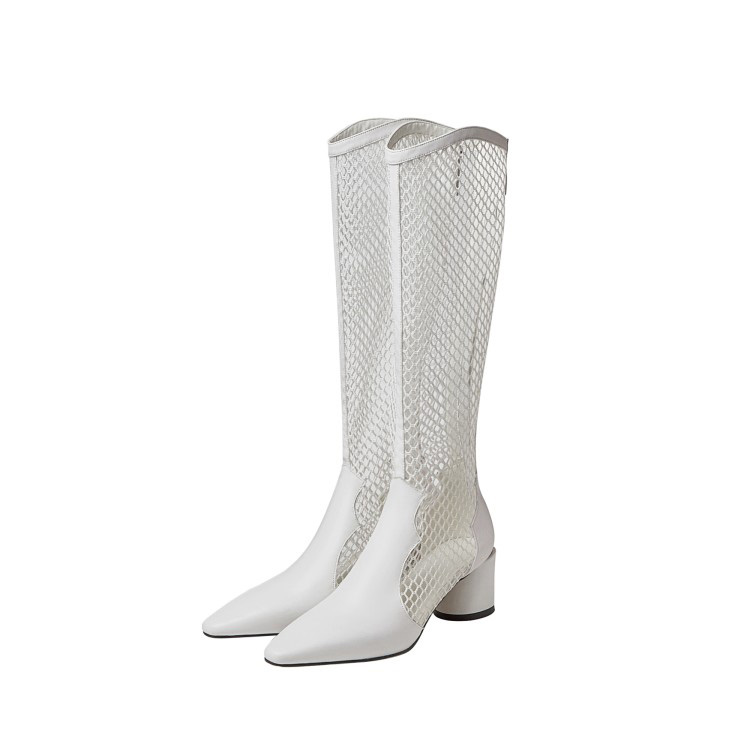
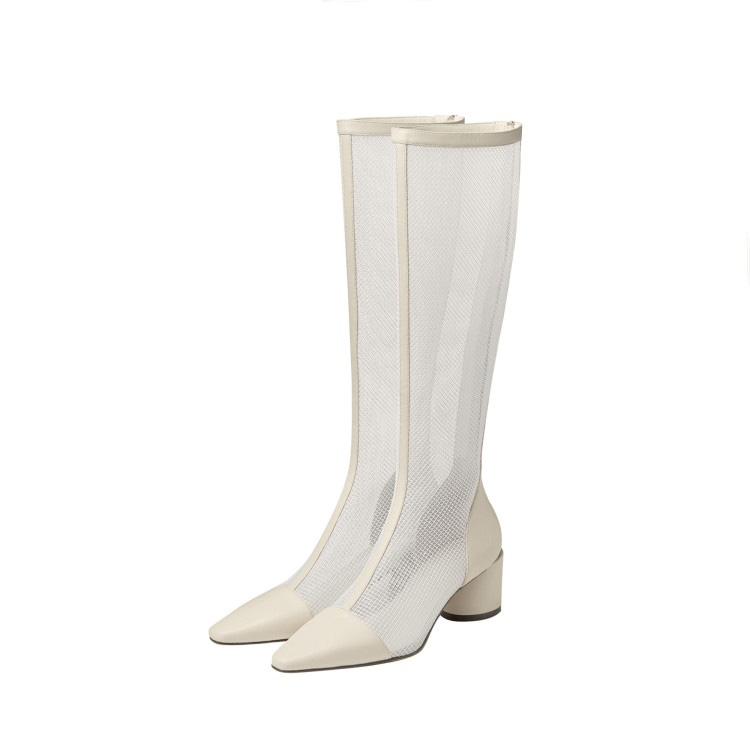
Snow Boots Factory-Direct Excellence Your End-to-End Solution
Global buyers are drawn to factory-direct snow boots for a seamless, end-to-end sourcing experience: design, materials, tooling, production, QA, packaging, and worldwide delivery all managed under one partner. This approach shortens cycles, lowers risk, and ensures consistent quality across seasons, large orders, and diverse markets. From the first sketch to final shipment, visibility and accountability are built into every stage. An effective end-to-end supplier offers customization, scalable capacity, and strict quality assurance: insulation options, waterproof uppers, slip-resistant outsoles, and ergonomic fits; ODM/OEM design support; color, size, and packaging flexibility; private labeling; and compliance testing for international markets. With transparent lead times, flexible MOQs, and proactive communication, buyers can align production with demand and safeguard supply during peak seasons and volatile weather patterns.
| Process Stage | Material Type | Avg Lead Time (days) | Capacity (units/day) | Defect Rate (%) | Pass Rate (%) | Cycle Time (hours) | Last Month Throughput (units) | Improvement Recommendation | Risk Level |
|---|---|---|---|---|---|---|---|---|---|
| Raw Material Preparation | EVA foam; synthetic leather | 3.5 | 1000 | 0.8 | 99.2 | 0.70 | 29,000 | Standardize material inspection | Low |
| Upper Assembly | Synthetic fabric upper | 4.0 | 950 | 1.0 | 99.0 | 0.85 | 25,500 | Standardize glue process | Medium |
| Insock & Lining | Microfiber lining | 5.0 | 800 | 1.2 | 98.8 | 0.90 | 28,000 | Automate lining alignment | Medium |
| Outsole Molding | Rubber compound | 6.0 | 750 | 1.5 | 98.5 | 1.10 | 22,000 | Upgrade molding temp control | High |
| Sole Attachment & Bonding | Adhesive system | 4.5 | 700 | 1.3 | 98.7 | 1.00 | 21,500 | Switch adhesive to faster cure | Medium |
| Stitching & Finishing | Synthetic thread; finishing materials | 3.0 | 900 | 0.9 | 99.1 | 0.75 | 27,000 | Train sewers on multi-threading | Low |
| Quality Inspection | Camera-based QA; AOI | 2.5 | 950 | 0.6 | 99.4 | 0.50 | 25,000 | Implement AOI gadgets | Low |
| Packaging & Labeling | Cardboard boxes; paper labels | 1.8 | 1000 | 0.4 | 99.6 | 0.40 | 30,000 | Label verification system | Low |
| Shipping Preparation | Carton; protective wrap | 2.0 | 1100 | 0.5 | 99.5 | 0.60 | 31,000 | Coordinate transport slots | Low |
Related Products


Snow Boots Sets the Industry Standard Outperforms the Competition
Top Selling Products


- Related Blog
- Reviews
- Reviews
