Stiletto heels are one of the most recognizable silhouettes in women’s footwear. Known for their slim heel structure and elegant appearance, stilettos have remained a symbol of fashion and sophistication for decades.
Although the design looks simple, manufacturing high-quality stiletto heels requires precise engineering, skilled craftsmanship, and carefully selected materials. For fashion brands developing new collections, understanding the stiletto heel manufacturing process can help ensure better product quality and smoother development.
Brands looking to develop new footwear collections often work with professional custom shoe manufacturing services to transform design concepts into market-ready products.
What Defines a Stiletto Heel
A stiletto heel is characterized by a thin, high heel structure that typically ranges between 7 cm and 12 cm in height. Unlike block heels or wedges, stilettos rely on a narrow support point, which requires reinforced internal construction.
Key design characteristics include:
•slim and elegant heel structure
•elevated arch curvature
•reinforced heel core
•lightweight yet durable construction
Because of these structural requirements, stiletto heels require more precise manufacturing than most other footwear styles.

Types of High Heels Produced for Fashion Brands
Fashion brands typically include several high heel categories in their collections to appeal to different market segments.

Stiletto Heels
Stiletto heels are characterized by their slim and elegant heel structure. They are widely used in luxury fashion and evening footwear collections.

Kitten Heels
Kitten heels are shorter and more subtle, commonly used in classic fashion collections and professional footwear lines.

Platform Heels
Platform heels include a thicker front sole that reduces the effective heel height, making them more comfortable for long wear.

Bridal High Heels
Bridal heels focus on refined materials and detailed craftsmanship, often including satin uppers, embellishments, and elegant silhouettes.
The Stiletto Heel Manufacturing Process
Manufacturing stilettos involves several stages that combine footwear engineering with traditional craftsmanship.
Design Development
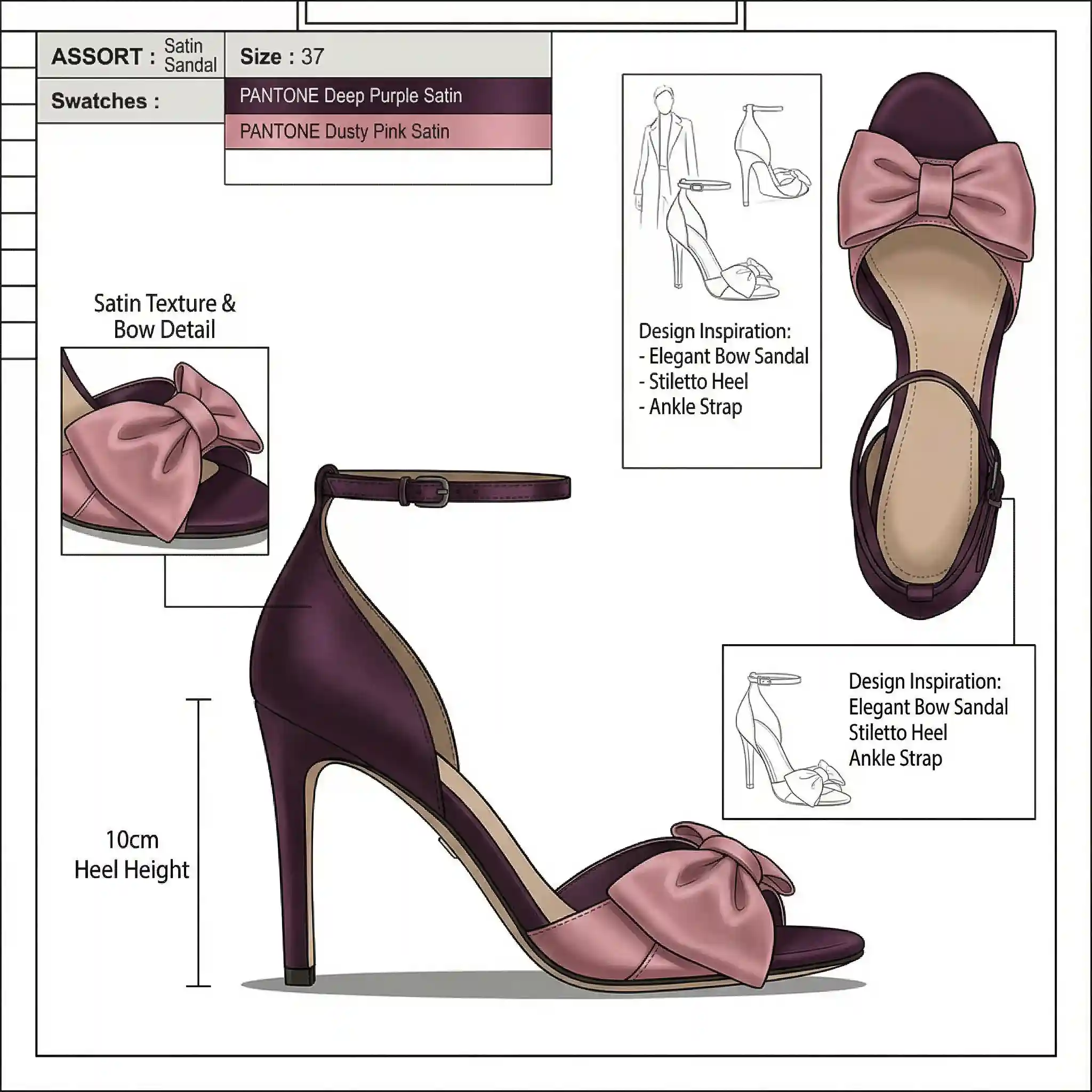
The manufacturing process begins with design development. Designers create sketches and technical drawings that define heel height, toe shape, and overall silhouette.
During this stage, footwear developers determine:
•shoe last shape
•heel placement
•arch structure
•material selection
Brands planning to launch new footwear collections can explore guides on how to start your own shoe brand to better understand the development process.
Heel Structure Engineering
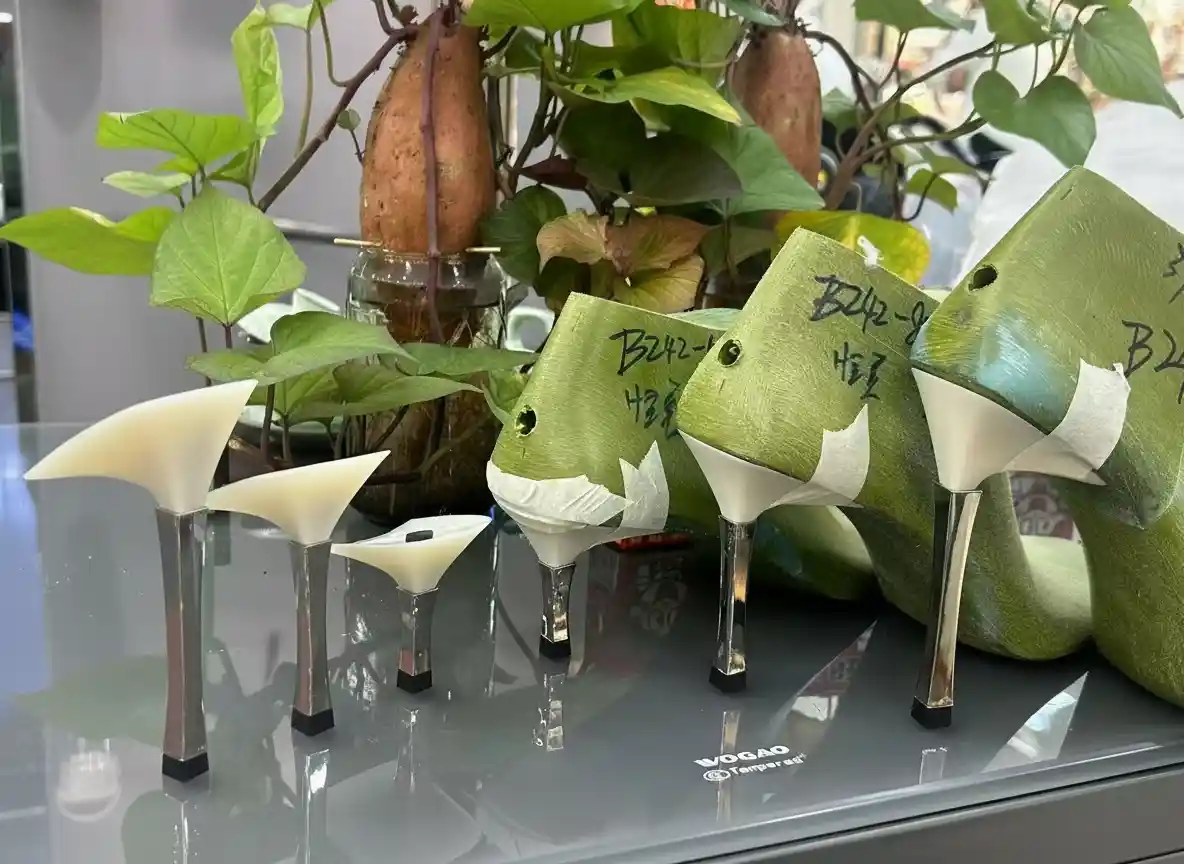
The heel structure is the most critical component of a stiletto shoe.
Most modern stilettos use a reinforced metal or high-strength plastic heel core to ensure durability while maintaining a slim external shape.
The heel is then wrapped with materials such as:
•leather
•synthetic leather
•lacquered finishes
•painted coatings
This combination ensures both structural strength and visual elegance.
Upper Construction
The upper part of the shoe is crafted using premium materials such as:
•full-grain leather
•suede leather
•patent leather
•microfiber leather
Upper construction involves pattern cutting, stitching, lining assembly, and reinforcement at stress points.
Brands developing designer footwear collections often collaborate with experienced custom womens shoe manufacturers to ensure consistent quality and design accuracy.

Sole Assembly and Finishing
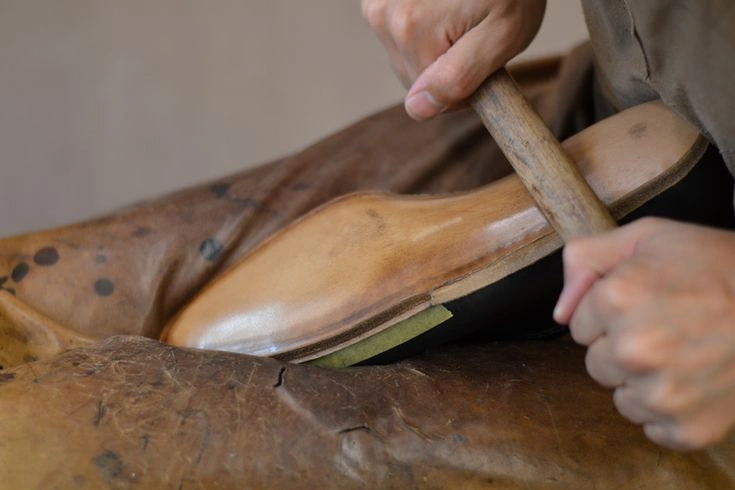
Once the upper and heel are assembled, the outsole is attached. Depending on the product positioning, outsoles may be made from leather, rubber, or composite materials.
The finishing process includes:
•edge painting
•polishing
•outsole attachment
•packaging preparation
Quality Control in Stiletto Manufacturing
Because stilettos rely on a narrow heel structure, strict quality control is essential.
Manufacturers inspect several critical elements:
•heel stability
•alignment and balance
•stitching quality
•outsole bonding strength
These inspections ensure the final product meets safety, durability, and design standards.

Materials Used in Stiletto Heel Production
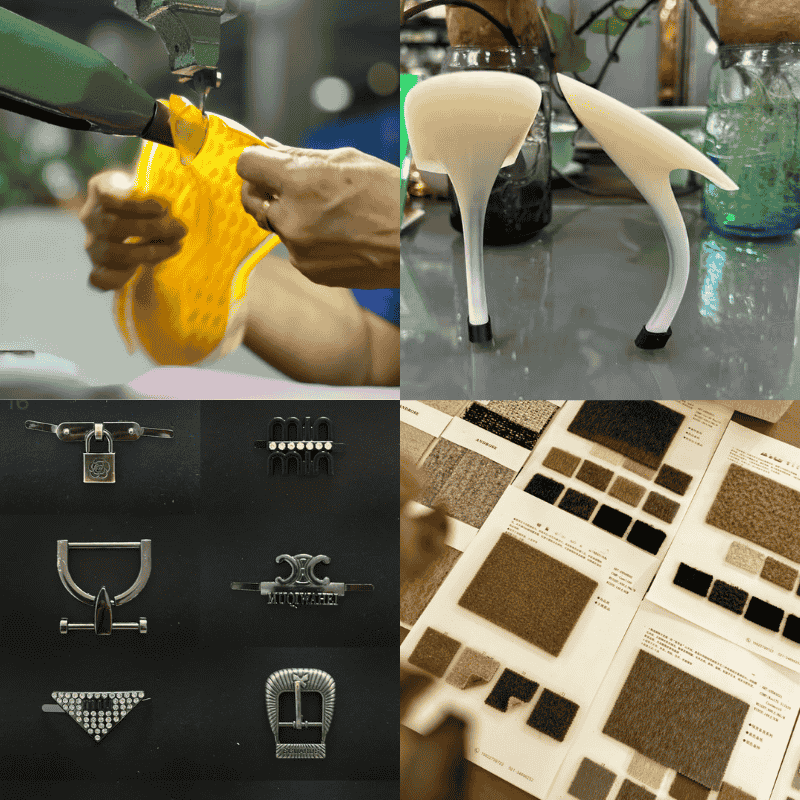
Material selection plays an important role in both durability and visual appeal.
Common materials include:
Upper Materials
•full-grain leather
•suede
•patent leather
•premium microfiber
Heel Core Materials
•reinforced steel core
•high-strength plastic support
Outsole Materials
•leather outsoles for luxury footwear
•rubber outsoles for traction and durability
Selecting the right materials allows fashion brands to create high-end stiletto footwear collections with both durability and elegance.
Why Stiletto Craftsmanship Matters for Fashion Brands
For fashion brands, stiletto heels represent more than just footwear. They are a statement of design identity and craftsmanship.
Well-manufactured stilettos combine:
•elegant design
•structural stability
•premium materials
•refined finishing
Working with an experienced custom high heels manufacturer helps ensure the final product meets both aesthetic and structural expectations.
Brands interested in learning more about professional footwear production capabilities can explore experienced footwear manufacturer teams and their development expertise.

Certifications & Compliance
Reliable footwear manufacturers follow international production and material standards to ensure product safety, quality consistency, and export compliance.
Professional high heel manufacturers typically operate under certified quality management systems and work with materials that meet global regulatory requirements.


Start Your Custom High Heel Project
If your brand is developing a stiletto heel collection, working with an experienced footwear manufacturer can simplify the entire process—from design development to production.
FAQ
A stiletto heel is a thin, high heel structure commonly used in elegant women’s footwear designs.
Common materials include leather uppers, reinforced heel cores, and leather or rubber outsoles.
Because the heel is narrow, manufacturers must ensure precise balance, reinforcement, and structural stability.
Production typically takes 30–45 days, depending on materials and order volume.