
Bespoke Process for Wholesale and Manufacturer Solutions
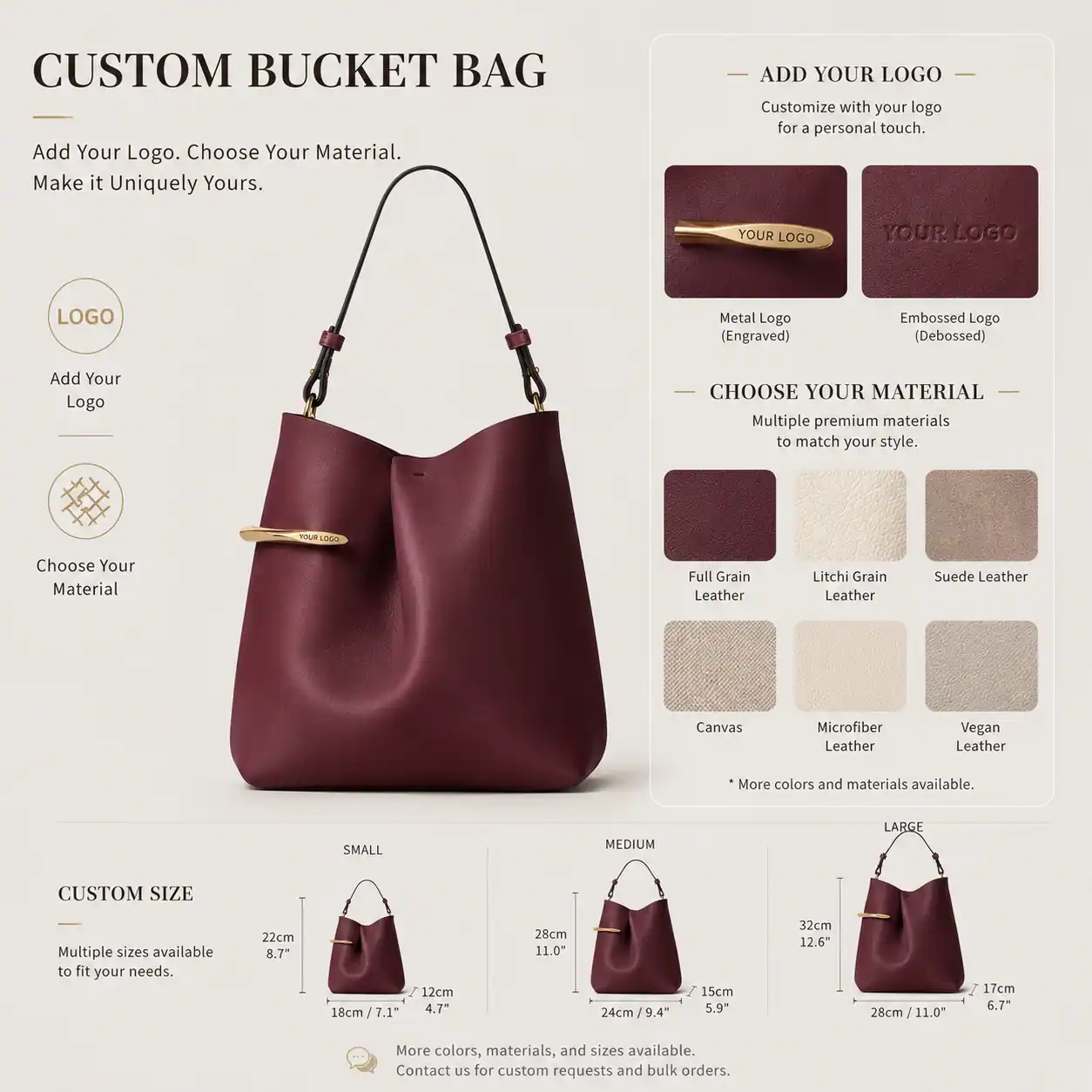
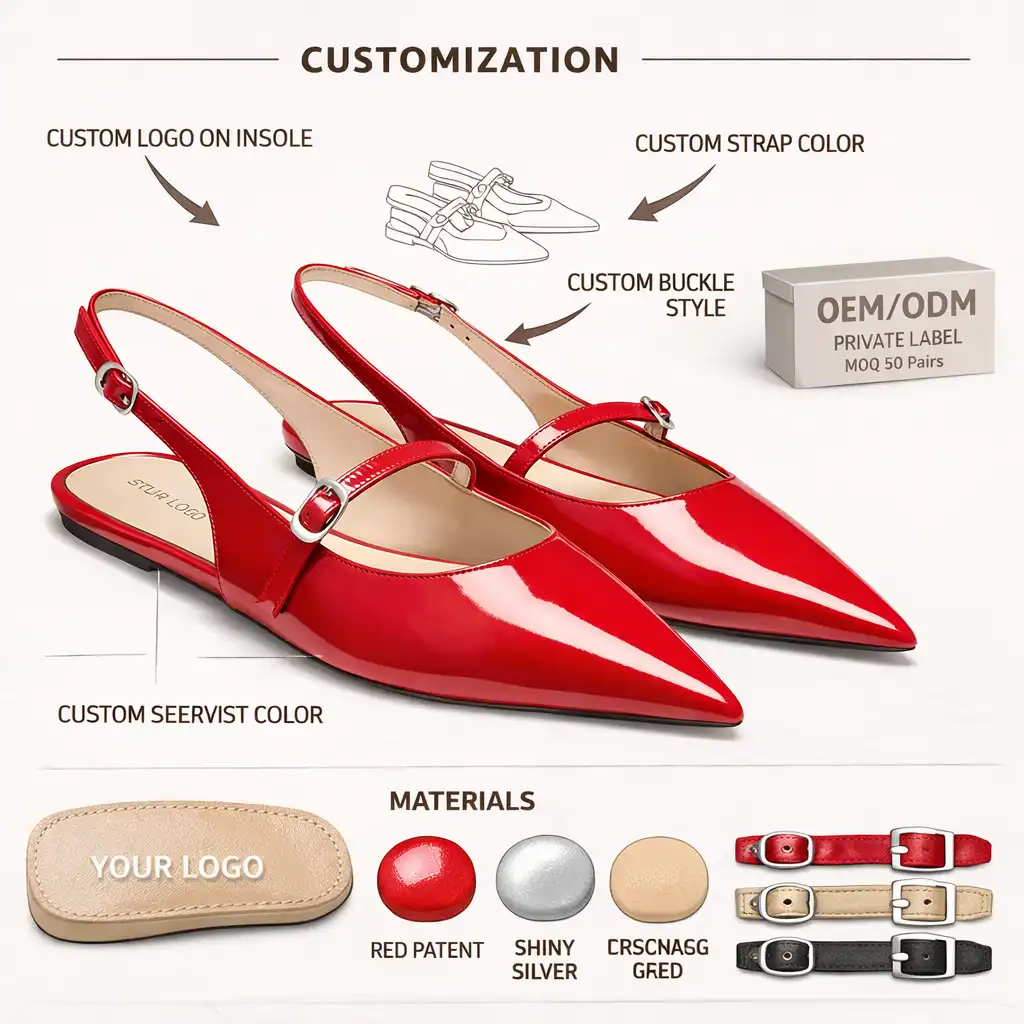
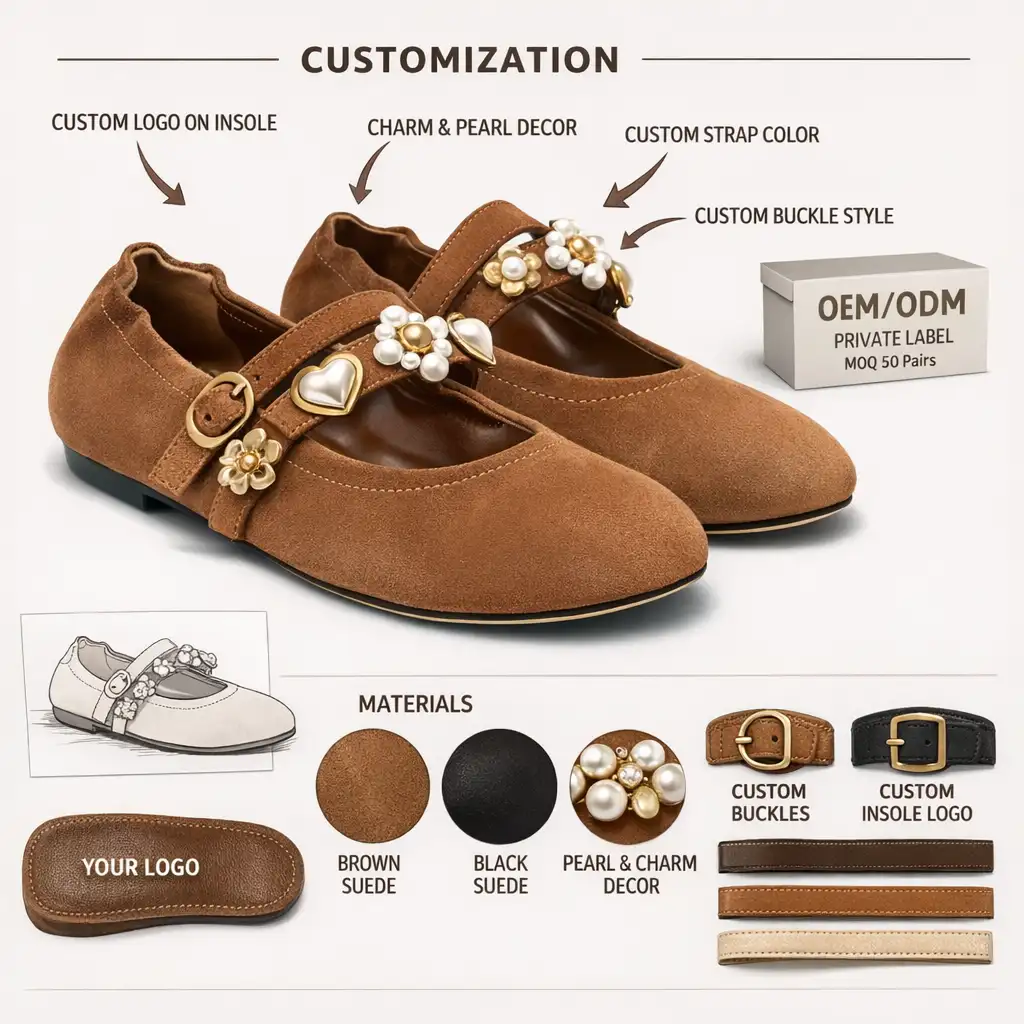
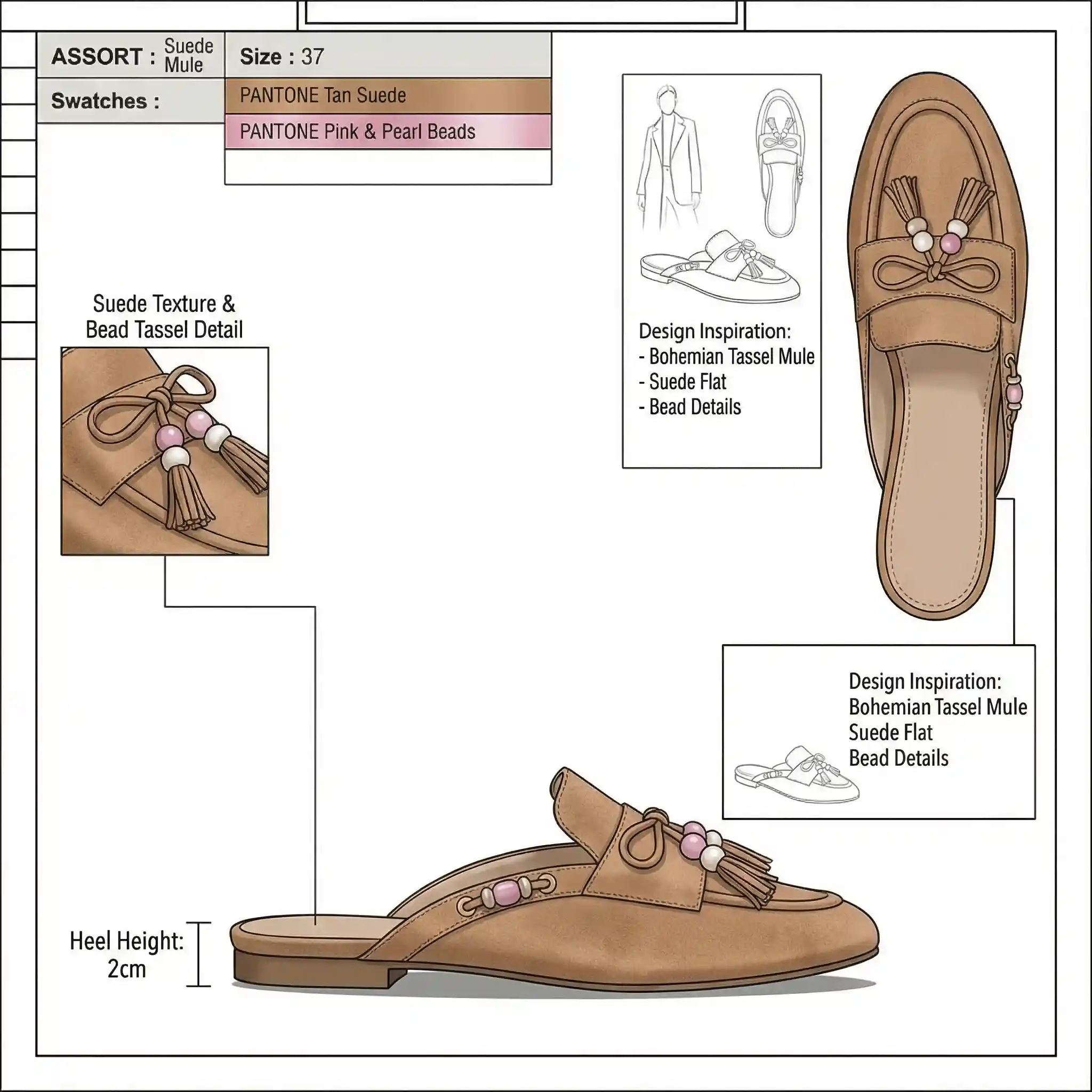
Every order begins with your goals, and I tailor a Bespoke Process that fits Wholesale demands and Manufacturer timelines alike. I listen to your specs, gauge volumes, and map every step from prototype to production, so you get predictable quality, shorter cycles and clear pricing. My approach blends lean sourcing, flexible tooling, and strict quality checks, ensuring you can scale without surprises. I offer transparent milestones, sample approval, and confidential handling—customization is not an afterthought but the core. With a Bespoke Process, you can lock in bulk discounts while maintaining exact tolerances, assemblies, or packaging that suits your channel. I work directly with your engineering team, reducing changes late in the game and speeding time-to-market. Whether you need a one-time contract or long-term manufacturing partnerships, I align to your business model and growth targets. Let’s align on specs, risks, and a realistic timeline, so your Wholesale and Manufacturer needs are met with confidence.
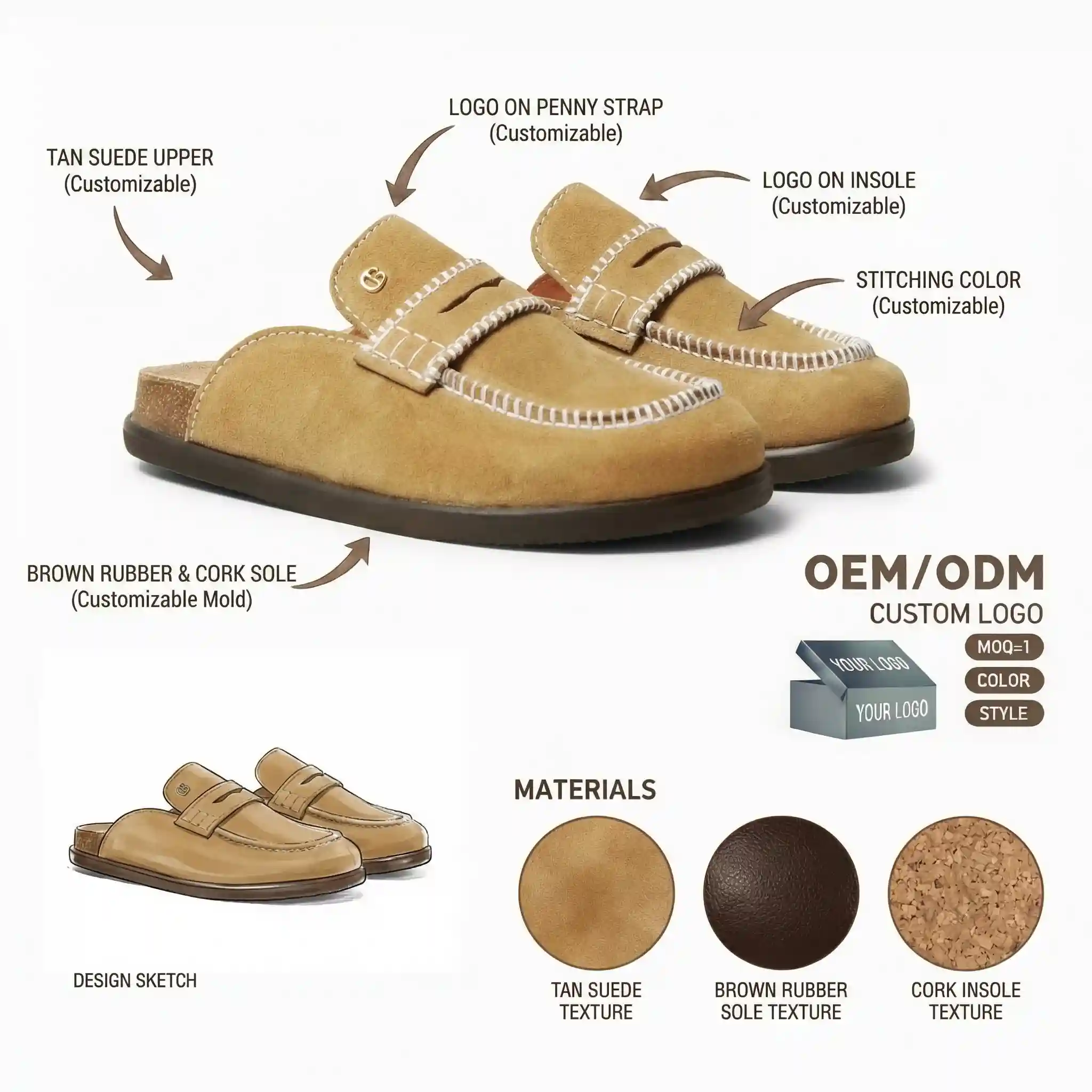

Bespoke Process Dominates in 2025
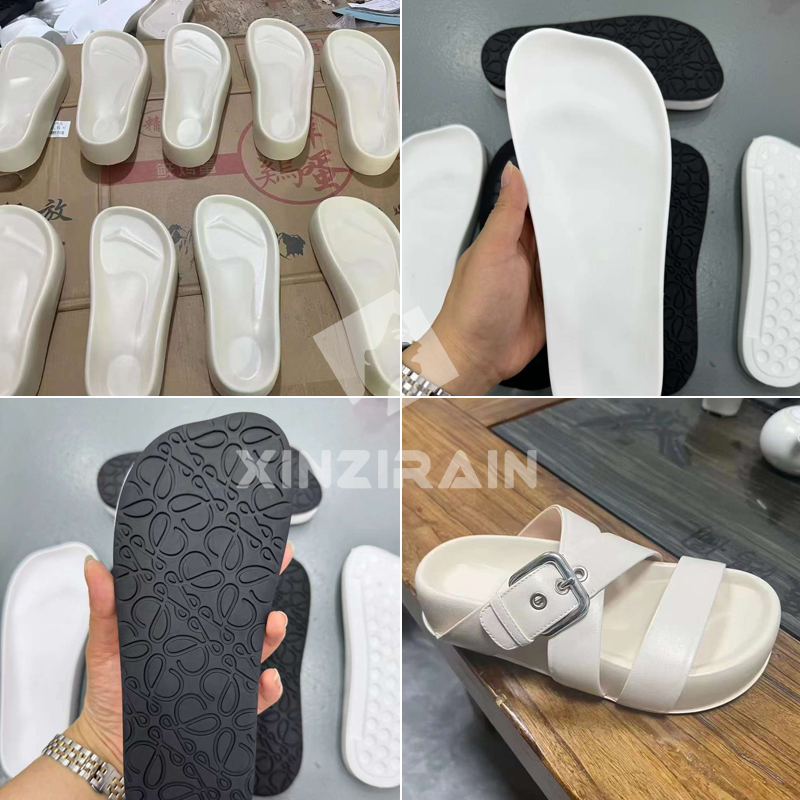
2025 shows bespoke processes dominating global footwear sourcing, especially for waterproof rain shoes. Buyers want a seamless path from concept to final product: co-creation, custom materials and sole configurations, and rapid prototyping. Digital tools—from 3D design to virtual sampling and digital twins—shrink lead times, while modular manufacturing and flexible networks absorb demand swings. Sustainability, traceability, and ethical production are essential, enabling buyers to coordinate colorways, sizing, and regulatory checks across markets with a single capable partner. To capitalize on this, go end-to-end: design sprints, rapid prototypes, clear milestones, and dashboards, plus a staged route from small batches to full-scale production. Demand transparent quality gates, material traceability, and lifecycle data. Choose suppliers offering small-batch options, scalable manufacturing, and reliable on-time delivery. A bespoke approach makes procurement faster, reduces risk, and lowers total cost of ownership, delivering personalization and reliability across diverse markets.
| Sector | Adoption Rate (2025) | Primary Drivers | Avg Customization Time | Quality Improvement | Labor Shift (Skilled %) | Sustainability Impact |
|---|---|---|---|---|---|---|
| Fashion & Apparel | 72% | Demand for personalized fit, reduced returns | 8–24 hrs (patterning & finishing) | +18% | +22% | Lower waste through made-to-order; material-use down ~12% |
| Consumer Electronics | 58% | Modular designs, user-configurable options | 24–72 hrs (assembly & firmware) | +12% | +16% | Extended lifecycle via modularity; e-waste risk mitigated |
| Automotive Components | 64% | Low-volume customization, performance tuning | 48–168 hrs (integration & testing) | +14% | +20% | Material optimization reduces scrap by ~9% |
| Healthcare Devices | 69% | Patient-specific fittings & regulatory compliance | 12–96 hrs (scanning to validation) | +21% | +28% | Improvements in fit reduce rework; sterilization efficiency gains |
| Furniture & Interiors | 75% | Space optimization, unique finishes, on-demand production | 24–120 hrs (fabrication & upholstery) | +17% | +18% | Reduced overproduction; transport footprint lowered via local crafts |
| Industrial Machinery | 52% | Custom tooling, rapid prototyping for specific workflows | 72–240 hrs (design iteration & validation) | +11% | +19% | Longevity gains; spare-part on-demand lowers warehousing needs |
| Packaging (Food & Consumer) | 48% | Localized runs, consumer personalization, shelf appeal | 6–36 hrs (print & finishing) | +9% | +10% | Material optimization and reduced inventory waste; recyclable focus |
| Personal Care & Cosmetics | 61% | Tailored formulations, small-batch skincare blends | 8–48 hrs (mixing, testing, filling) | +13% | +15% | Less overproduction; refill systems lower packaging demand |
Related Products


Bespoke Process Leads the Global Market Where Service Meets Innovation
Top Selling Products





- Related Blog
- Reviews
- Reviews
