First-Order Validation for Women's Shoe & Bag Brands
Confirm first. Release the budget second.
A first order should not rely on luck. We turn your approved design into a controllable production decision — approved sample, written specification, cost boundaries, QC checkpoints and a shipping plan, all visible before the bulk budget is released.
90 days from idea to shelf. Ordinary factories: 20+ weeks.
Bulk-order risk usually shows up before the order is placed.
A first order is the moment a design becomes a commercial commitment. Surface the hidden problems first, and rework, delays, cost overruns or inventory pressure stop being discovered after production.
Will bulk drift away from the approved sample?
If materials, construction, color, logo and key details are not recorded as a shared standard, design realisation depends on verbal communication alone.
Will the budget keep climbing?
Material grade, craft complexity, quantity and the variables still open need to be settled before the first order is committed.
Will the launch date slip?
Sample approval, material preparation, production, QC and shipment should be broken apart — only then is the real delivery path visible.
What if the market does not respond?
Start from a controllable quantity, validate the product, and keep the decision space open for restocking or reordering.
From documents to release, four checkpoints confirmed one by one.
Each checkpoint maps to one clear action and one piece of output you keep, so the bulk release rests on confirmed evidence.
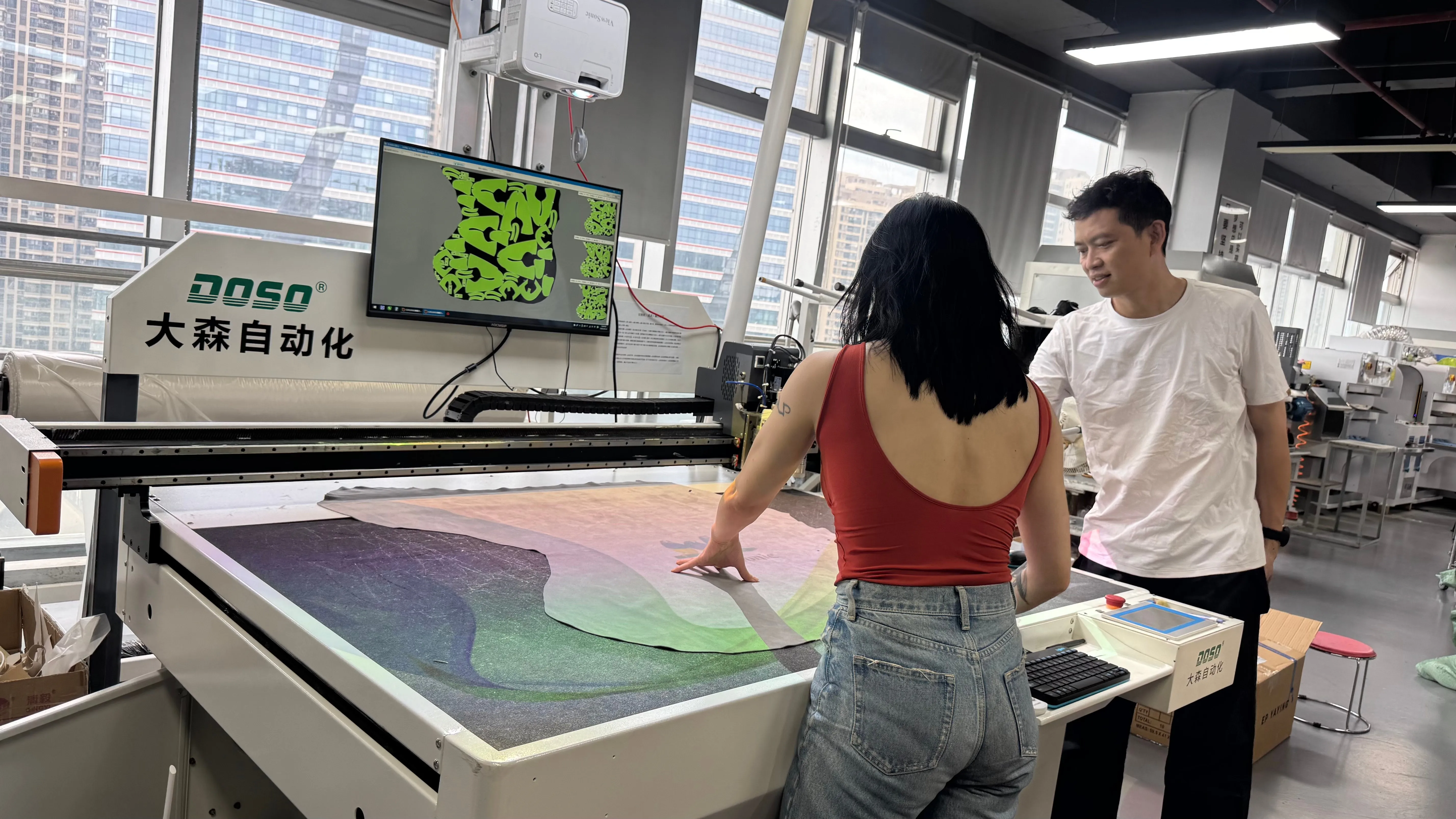
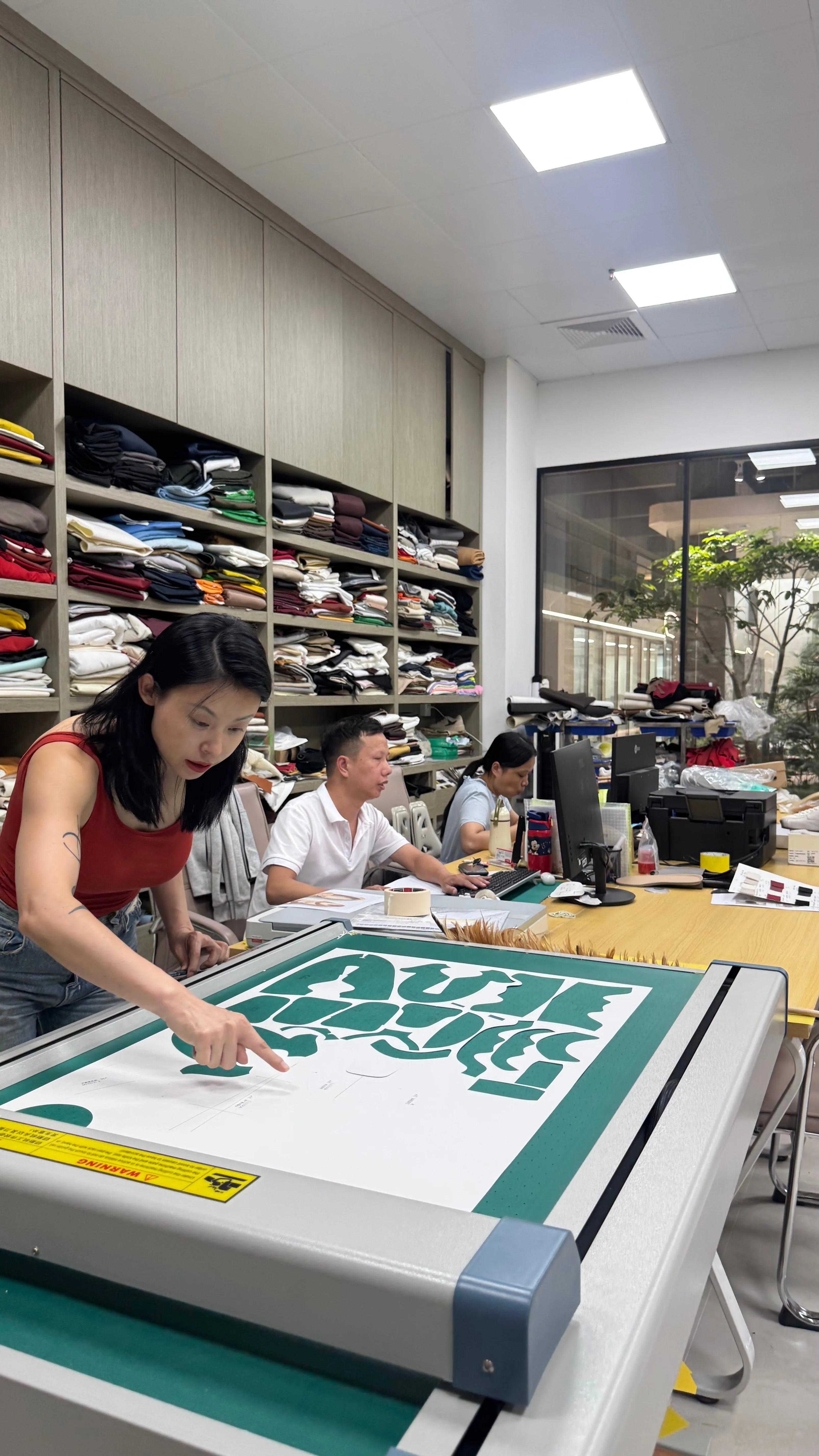
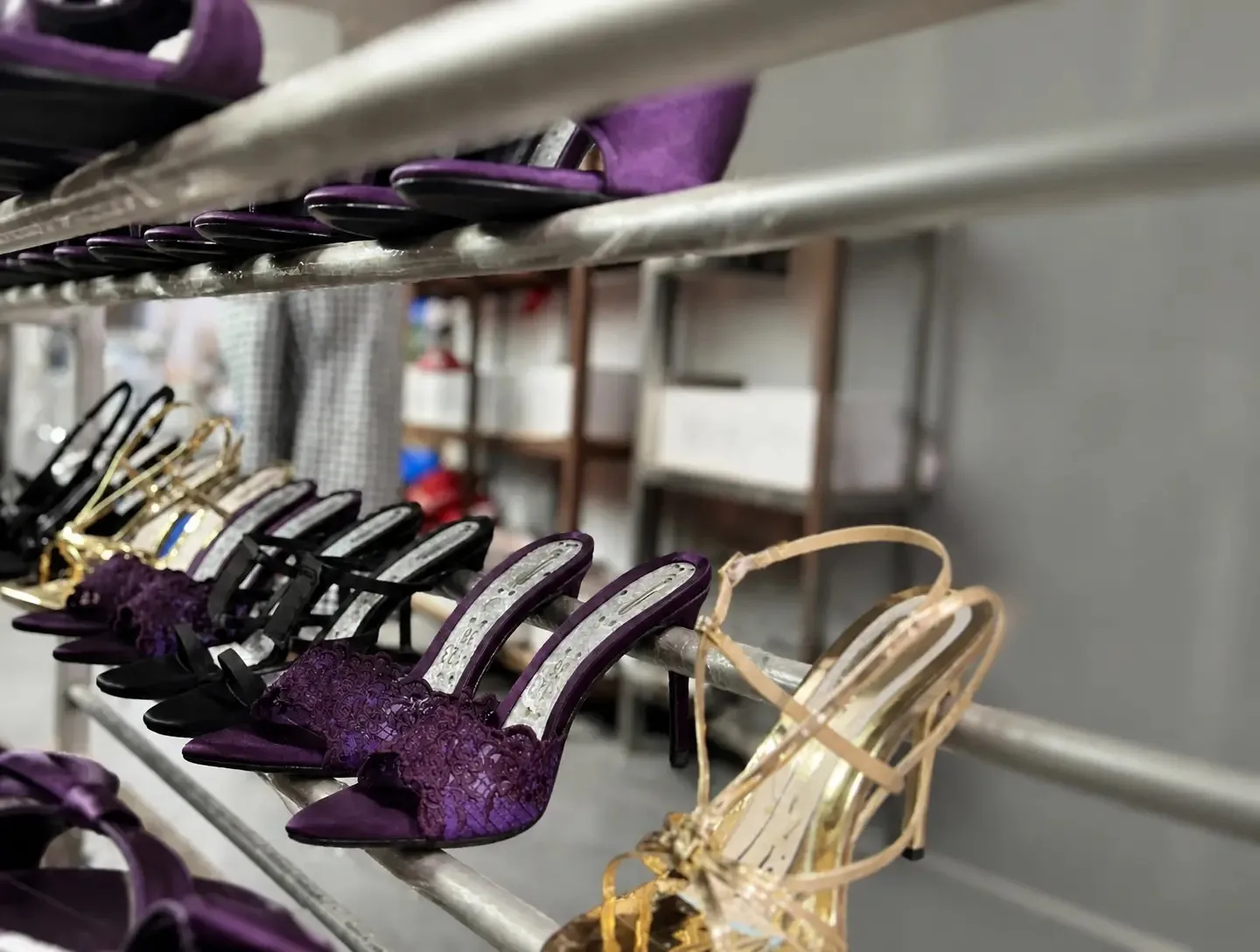
Once all four checkpoints are complete, the brand holds one shared execution standard for communication, production and QC.
Reference milestones only. The actual schedule is confirmed against style complexity, material readiness and current capacity.
Brands that took a design to a launched product.
Every collaboration started from one specific problem and ended as a reorderable launched style — that is the real evidence that first-order validation works.
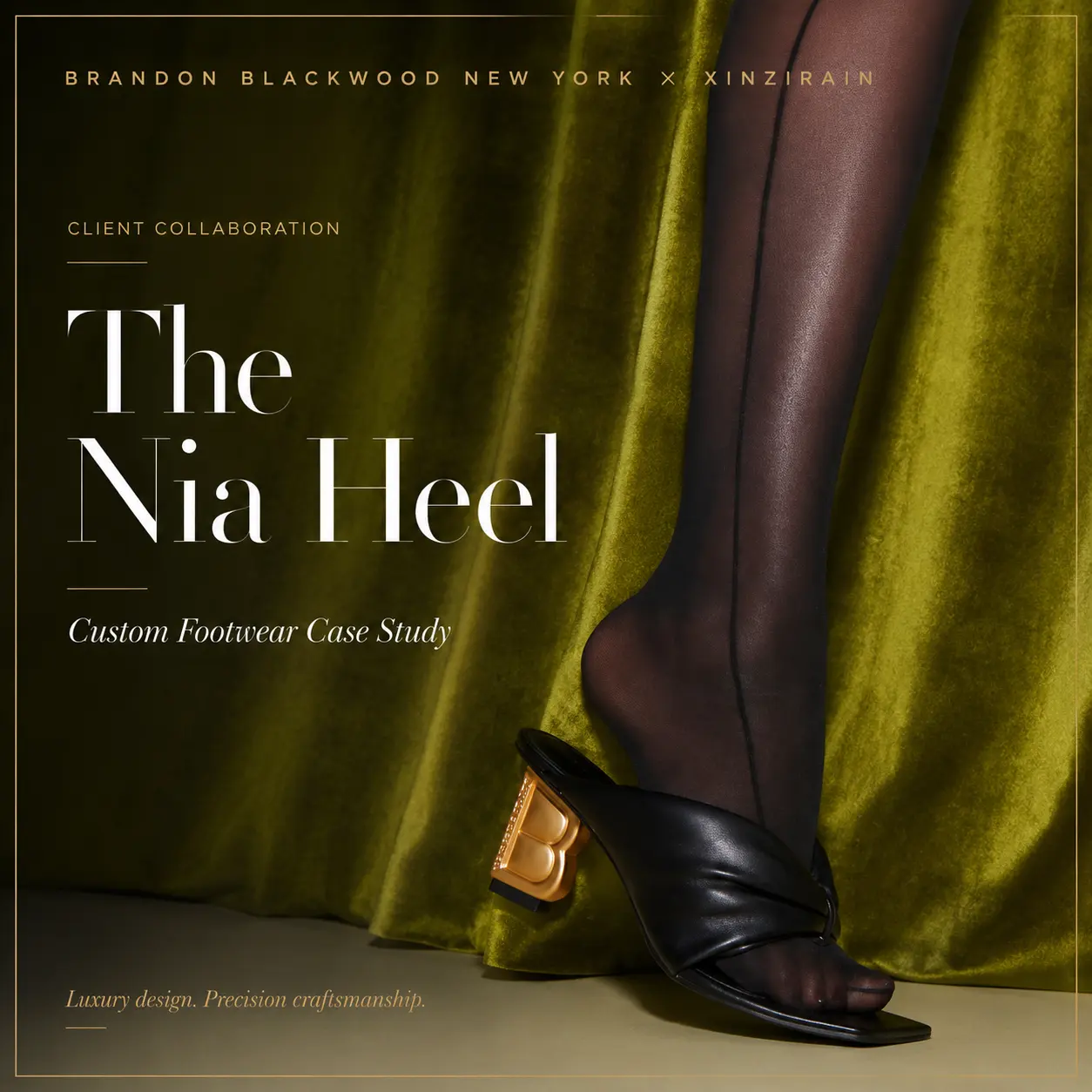

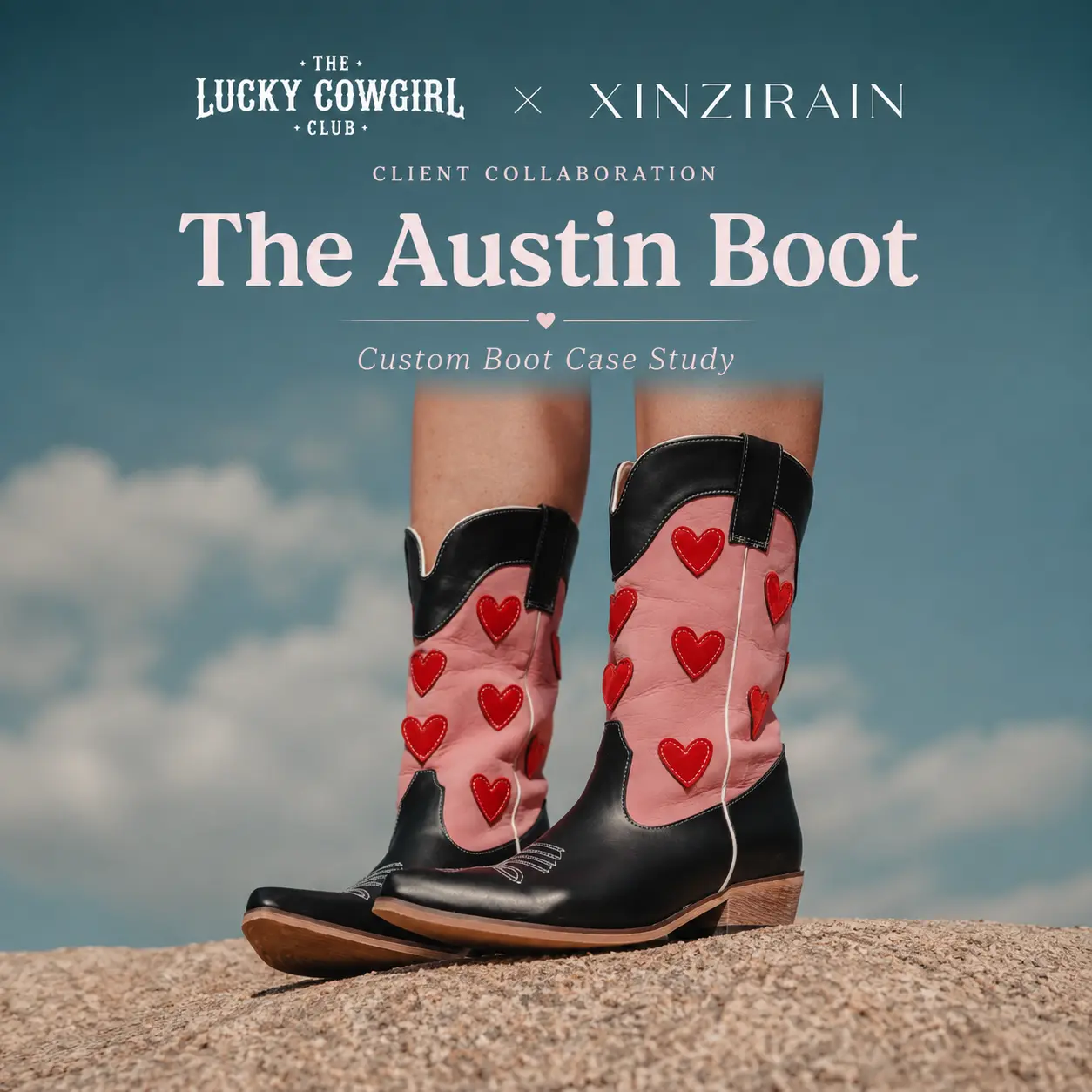
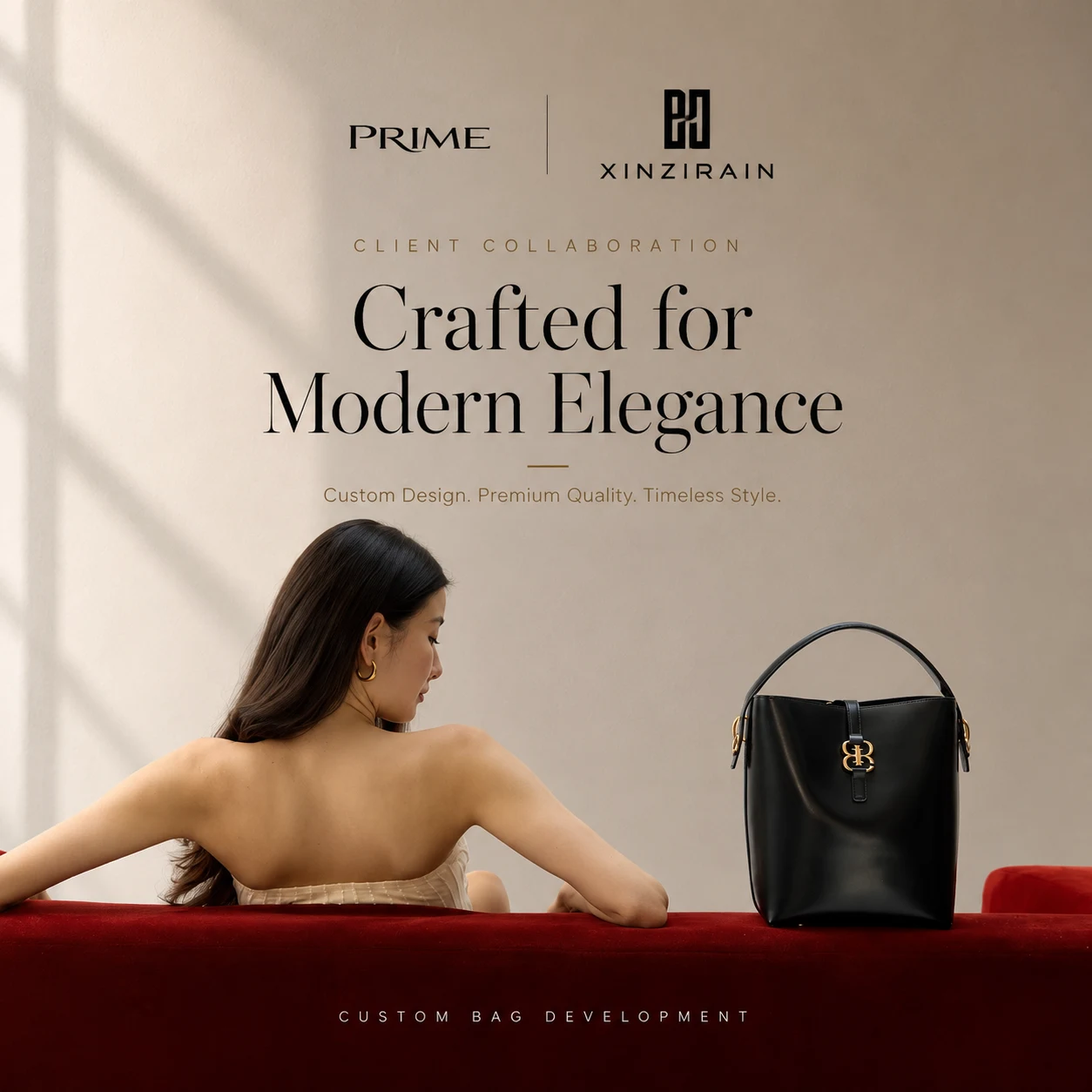
Not a promise — third-party evidence you can verify.
Compliance capability for global markets: third-party audit, EU and US trademark registration and product technical inspection, each backed by a certificate on file.
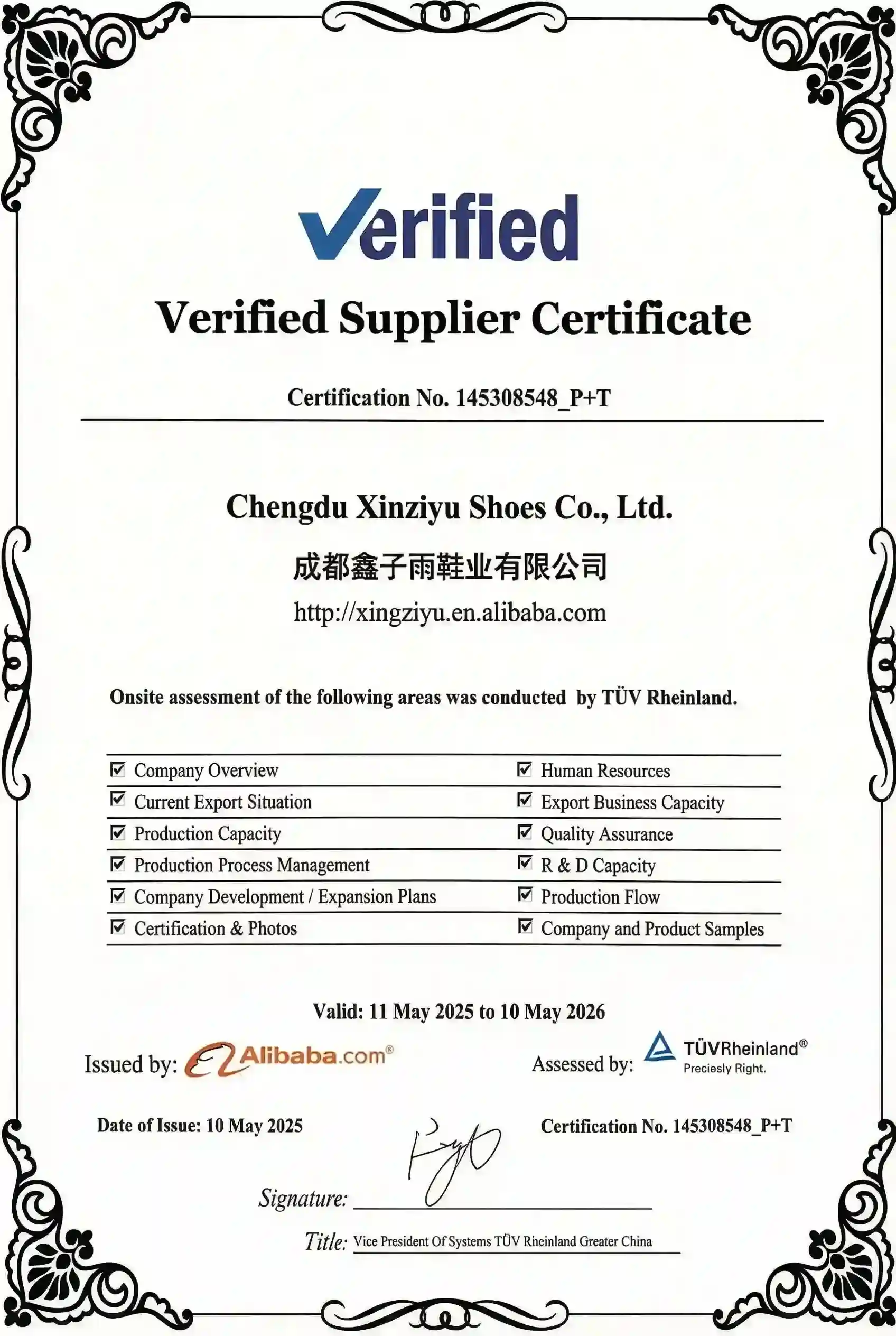
TÜV Rheinland audit
Independent third-party supplier verification
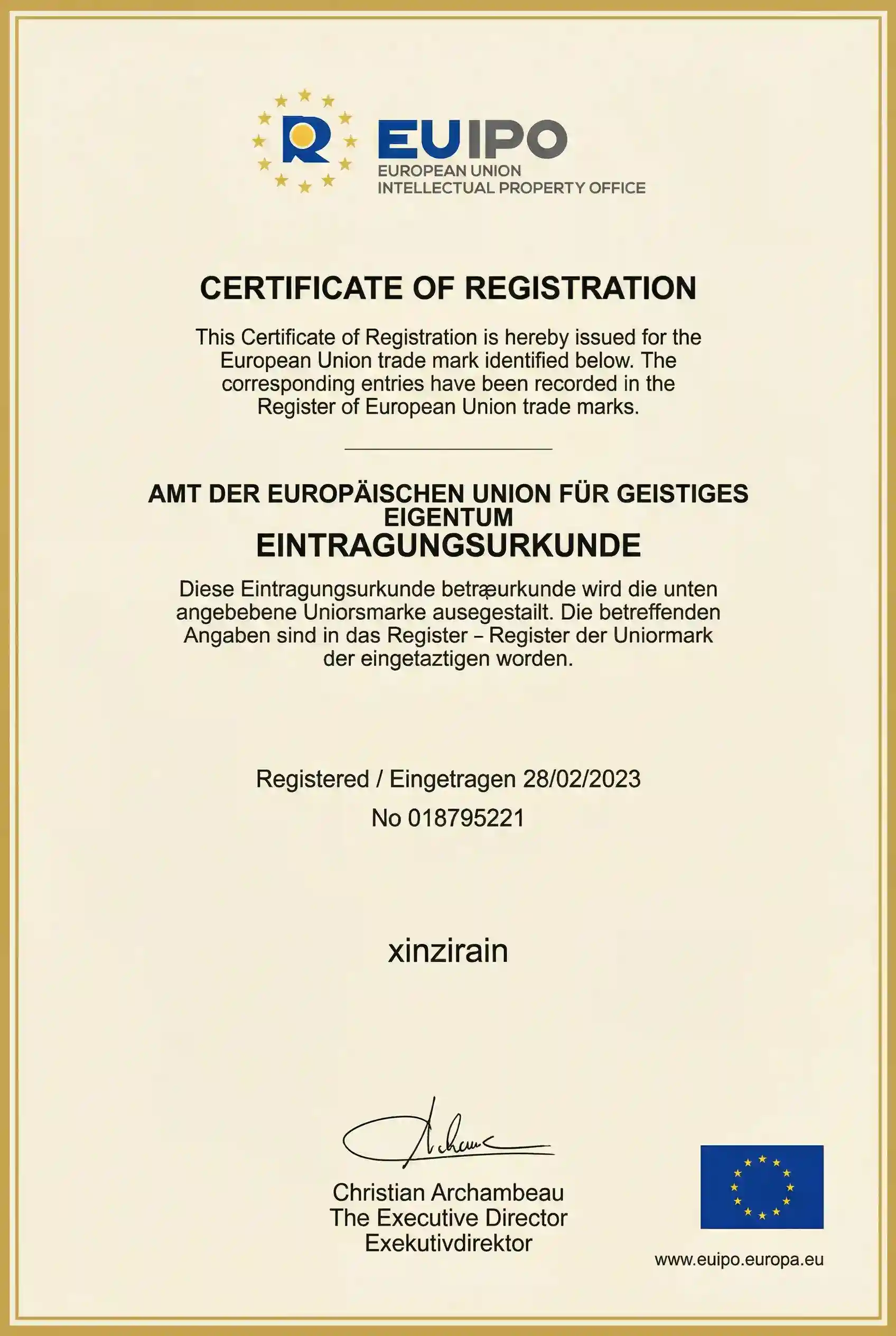
EUIPO trademark (EU)
Brand and IP compliance
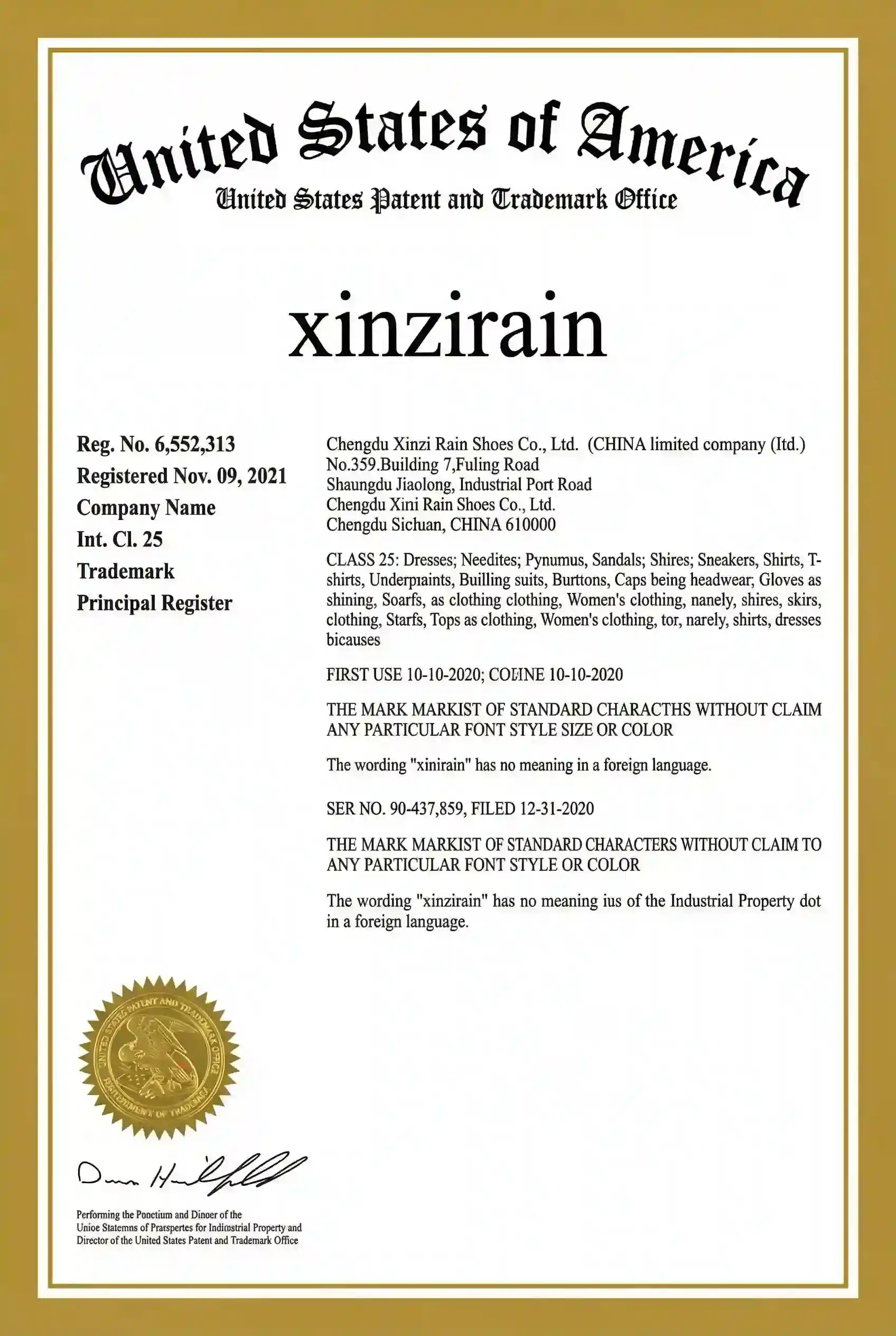
USPTO trademark (US)
Compliance for the US market
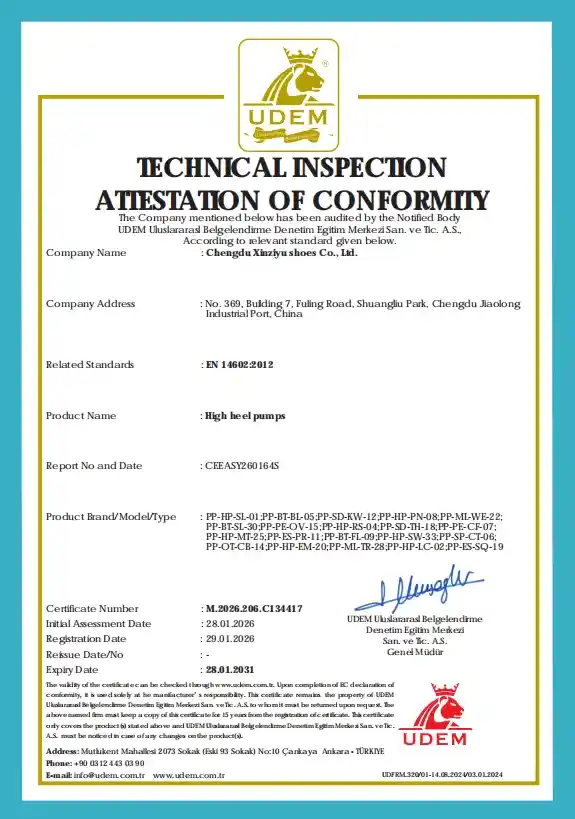
Technical inspection
Product and process conformity
When your sample ships, this technical solution document ships with it.
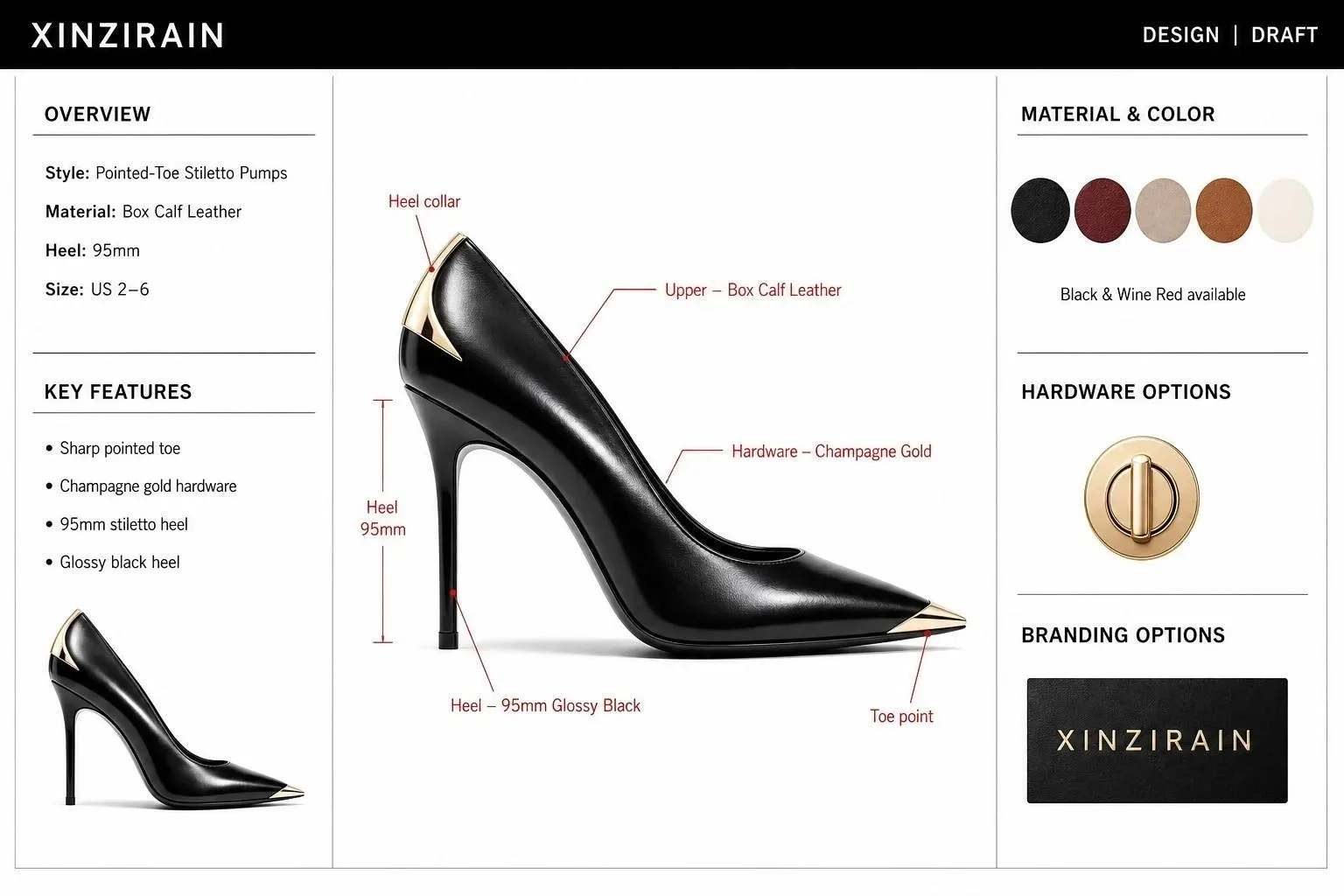
The roadmap describes the process. This is the file that actually reaches your desk once that process is done — one page that puts materials, construction, heel height, hardware and branding options in writing, item by item.
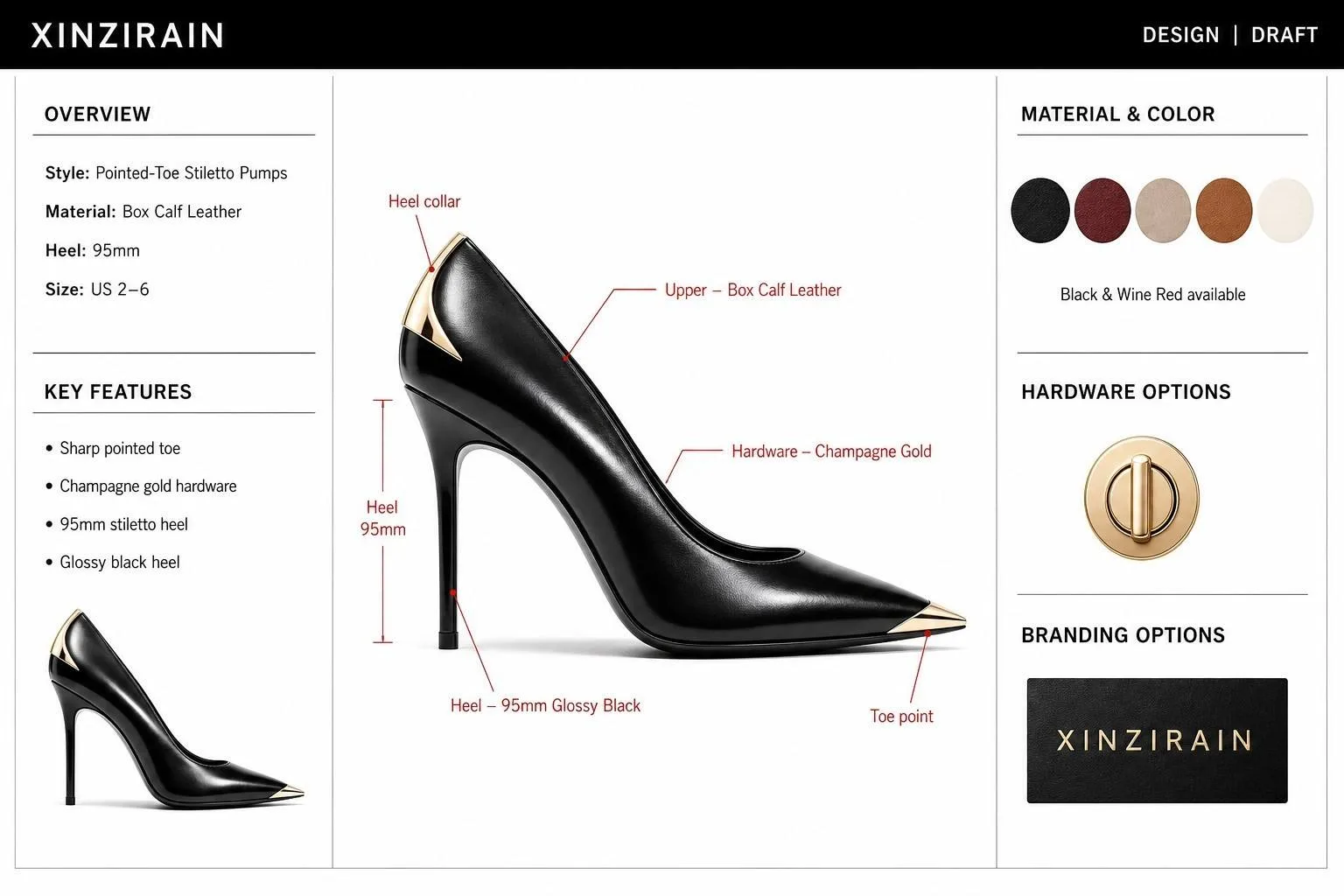
DESIGN REALIZATION · TECHNICAL SOLUTION (sample project)
Which stage of development are you at?
Decide first whether your documents and product direction are ready, then choose the right next step — so incomplete information does not go straight into development.
Ready for first-order validation
- ✓Footwear or bag product direction already decided
- ✓Design drawings, a reference sample or draft technical files in hand
- ✓Need to confirm materials, construction, cost or launch timing
- ✓Willing to approve a sample before releasing the bulk budget
Add more detail first
- +Only a loose idea so far, product direction not settled
- +No quantity, core design or target launch date yet
- +Looking only for stock goods, or comparing on lowest price alone
- +No images or technical information ready to assess yet
Sample approval has to answer three commercial questions.
A sample is not just a prototype. It is the commercial decision before the first order is released.
The sampling stage puts design realisation, production feasibility and cost logic on the same table, so you can confirm what must stay, what can change, and why.
Design match · does it look right?
Do silhouette, materials, color, logo and function match the brand positioning and the original design direction?
Production match · can it be made?
Can the approved construction and details be repeated consistently at the target quantity, keeping the signature elements intact?
Cost match · will it sell?
Do material grade, craft complexity, first-order quantity and target retail price still work commercially for the brand?
What is confirmed now, and what locks later
Confirmed before production
Product type, core materials, color direction, key dimensions, sample size, logo craft, first-order quantity, and any target bulk price range already provided in your documents.
Locked after sample approval
Final material usage, hardware specifications, final packaging, formal bulk production cost, QC tolerances and the bulk release date.
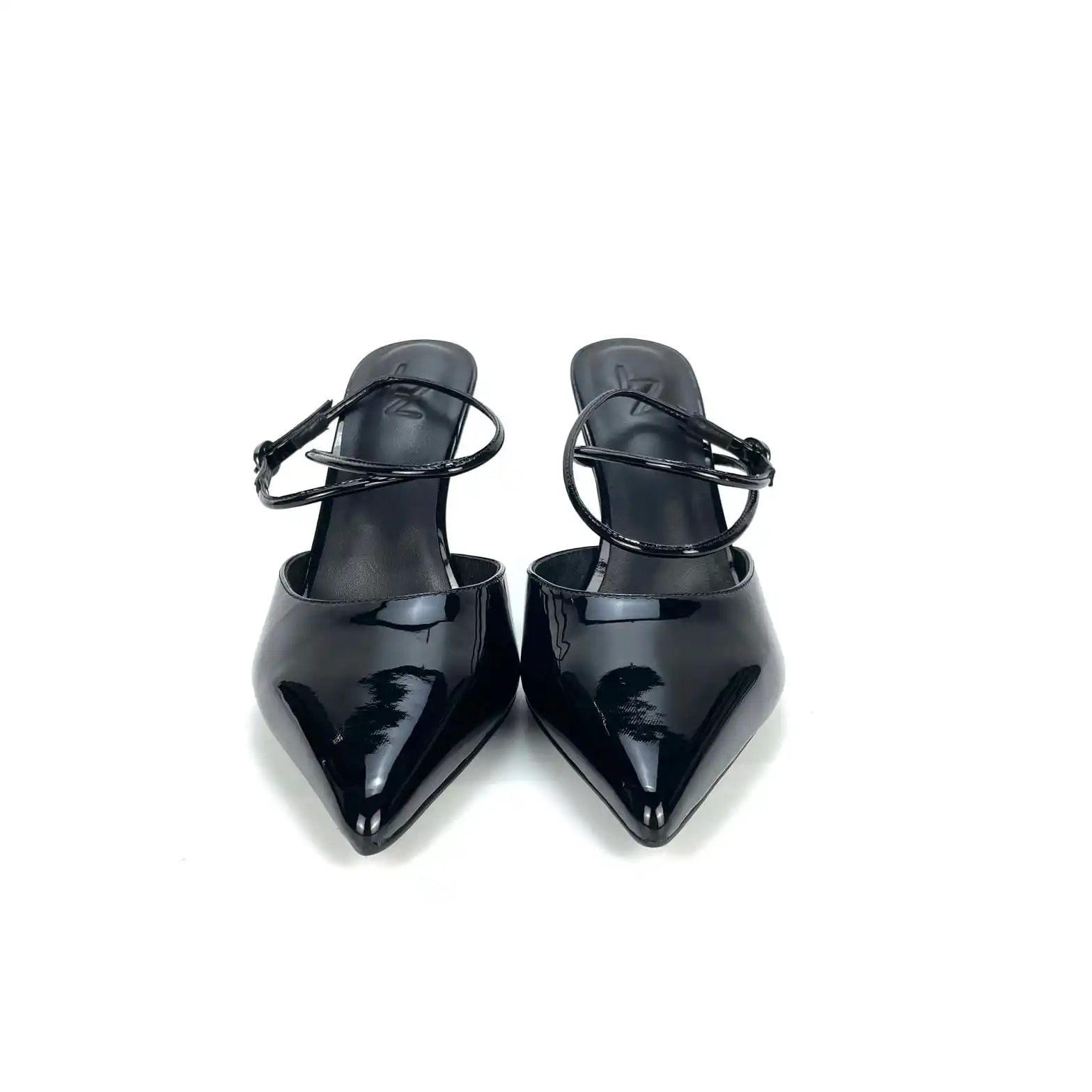
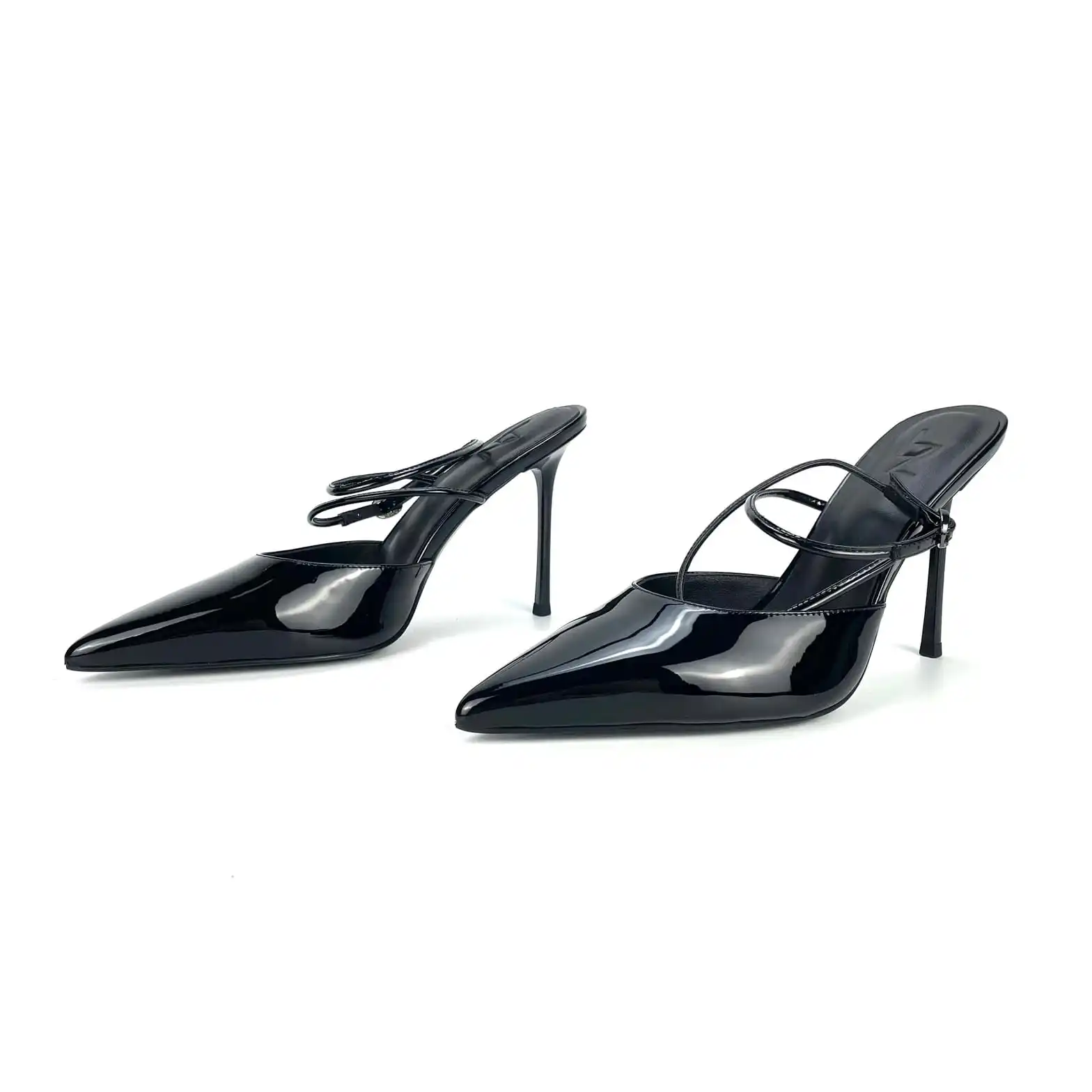
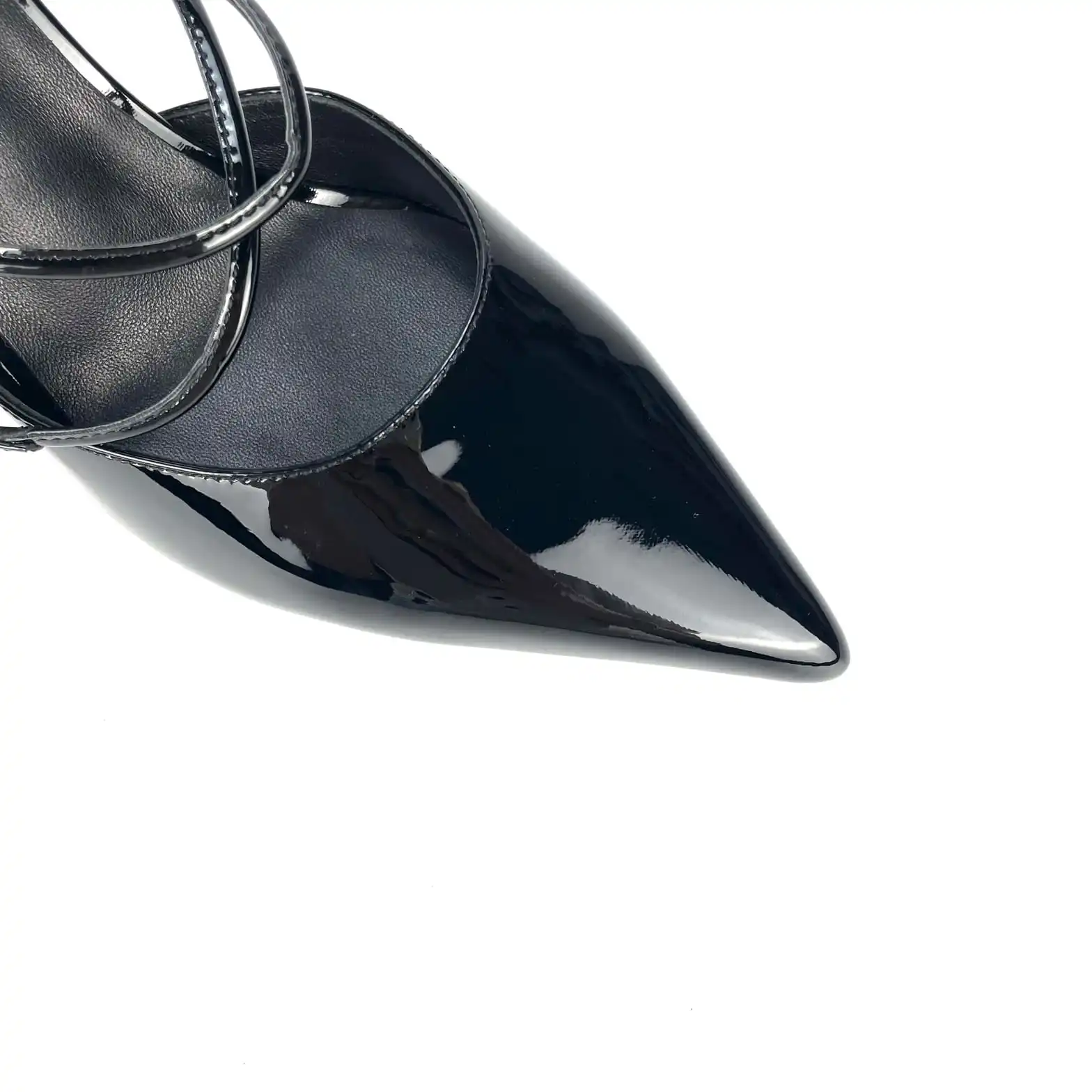
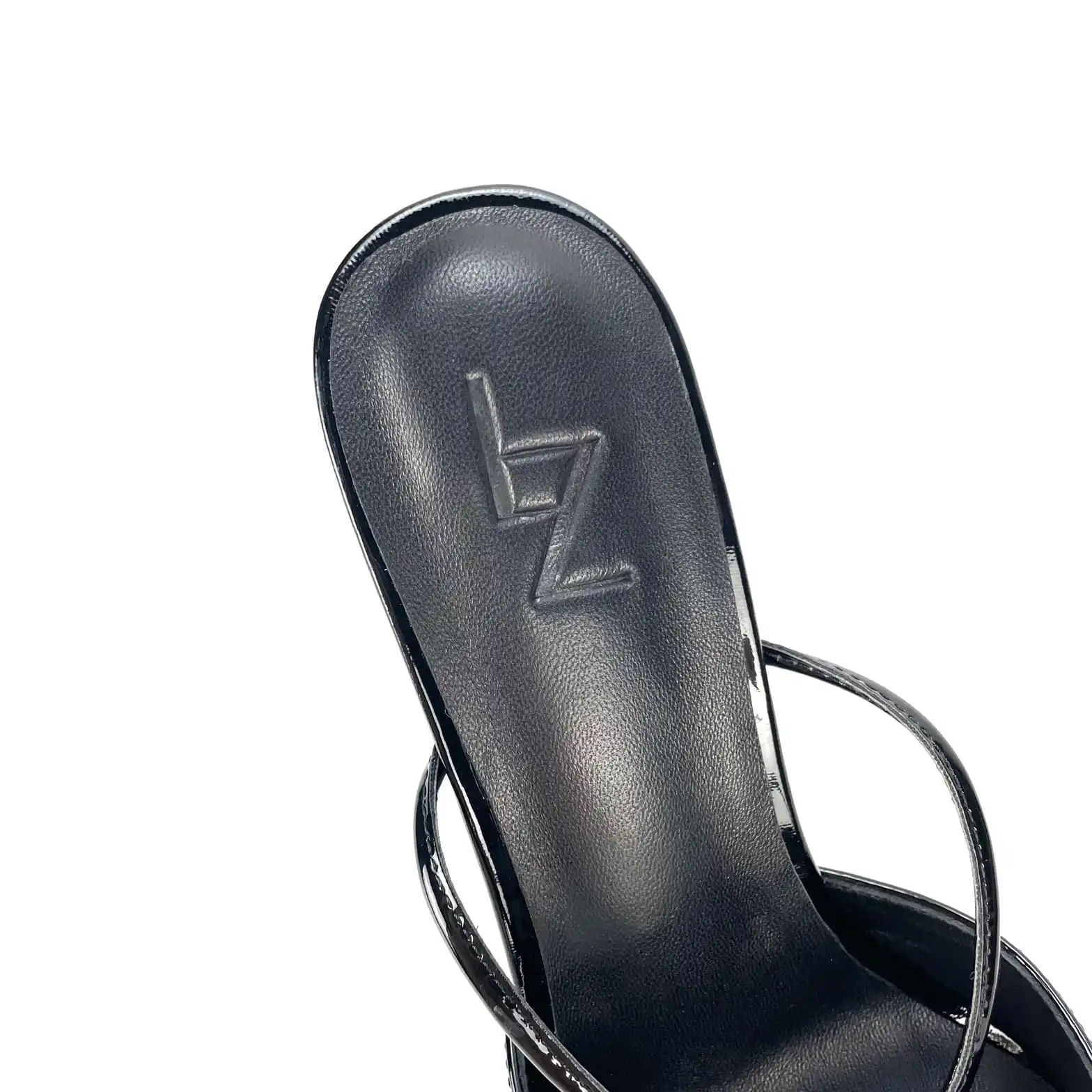
Atiyyah Khan · black patent high-heel mules
The point of this case is turning high-gloss black patent, a slim-strap construction, a 10 cm stiletto heel and a footbed logo from design intent into a physical sample that could be checked item by item.
 02 · TECHNICAL LOCK
 03 · SAMPLE APPROVAL
 04 · FIRST-ORDER CONTROL
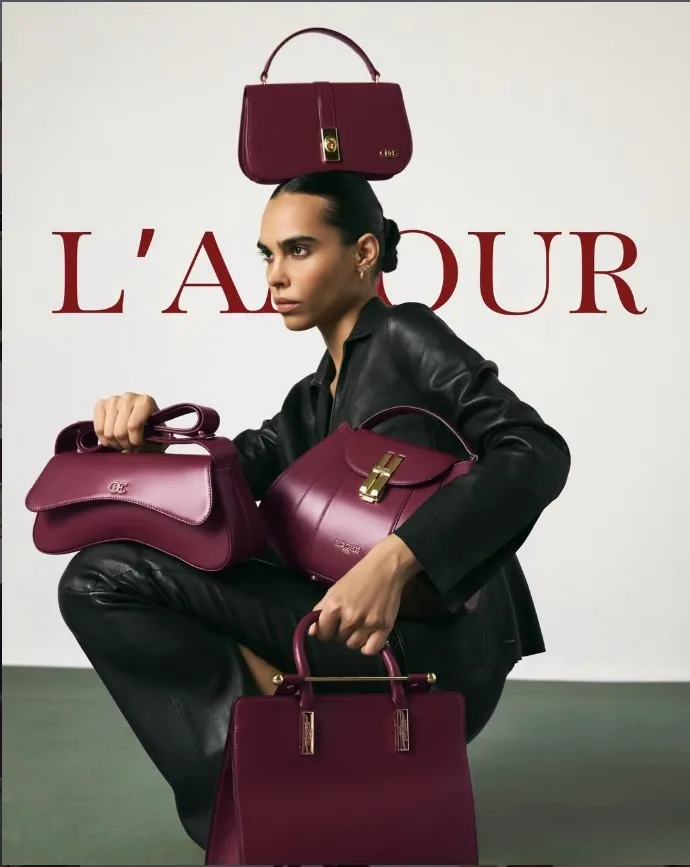
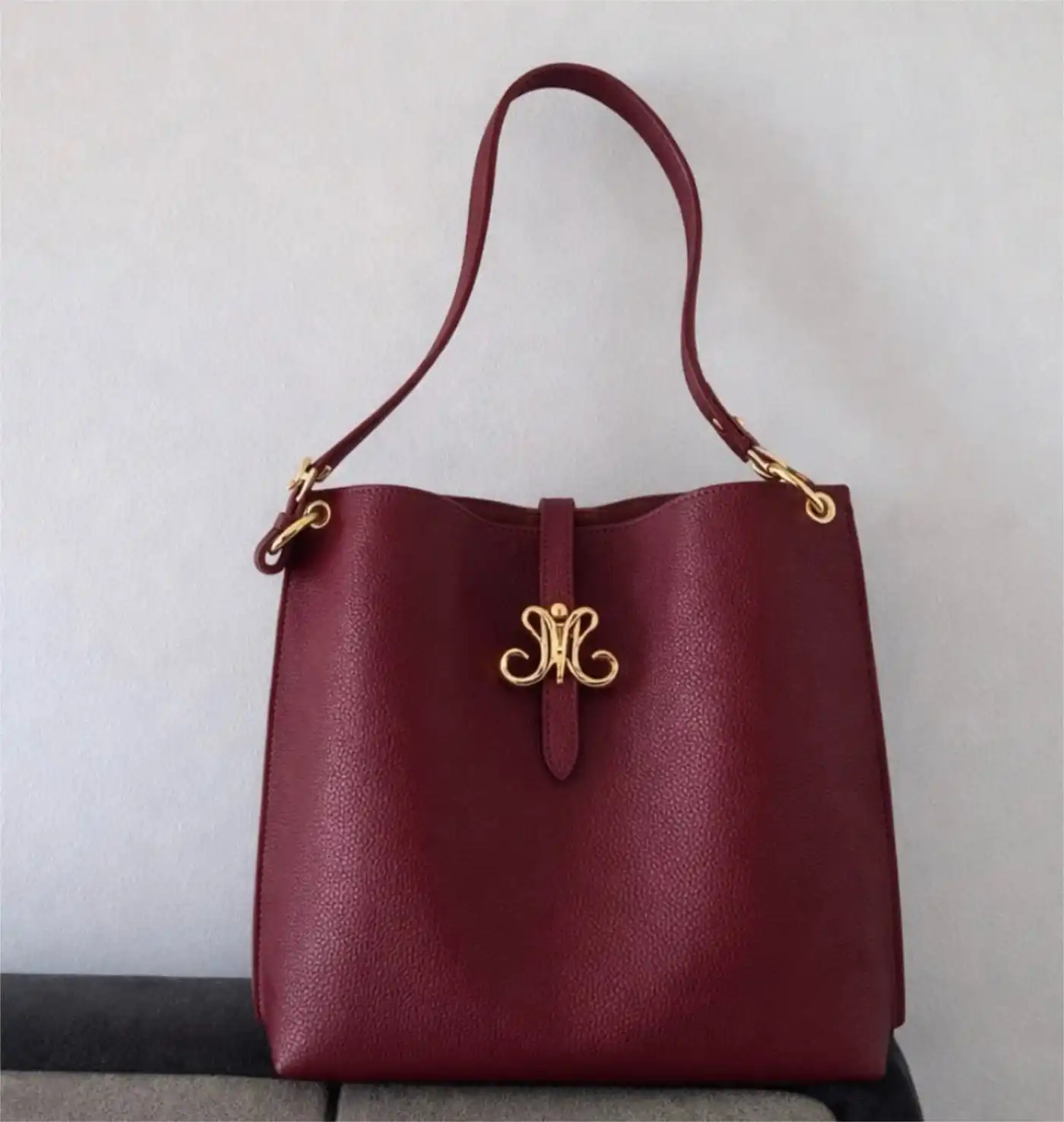
Mariam · burgundy leather shoulder bag
Manufacturing capability is not just equipment — it is turning a design into a product, repeatably.
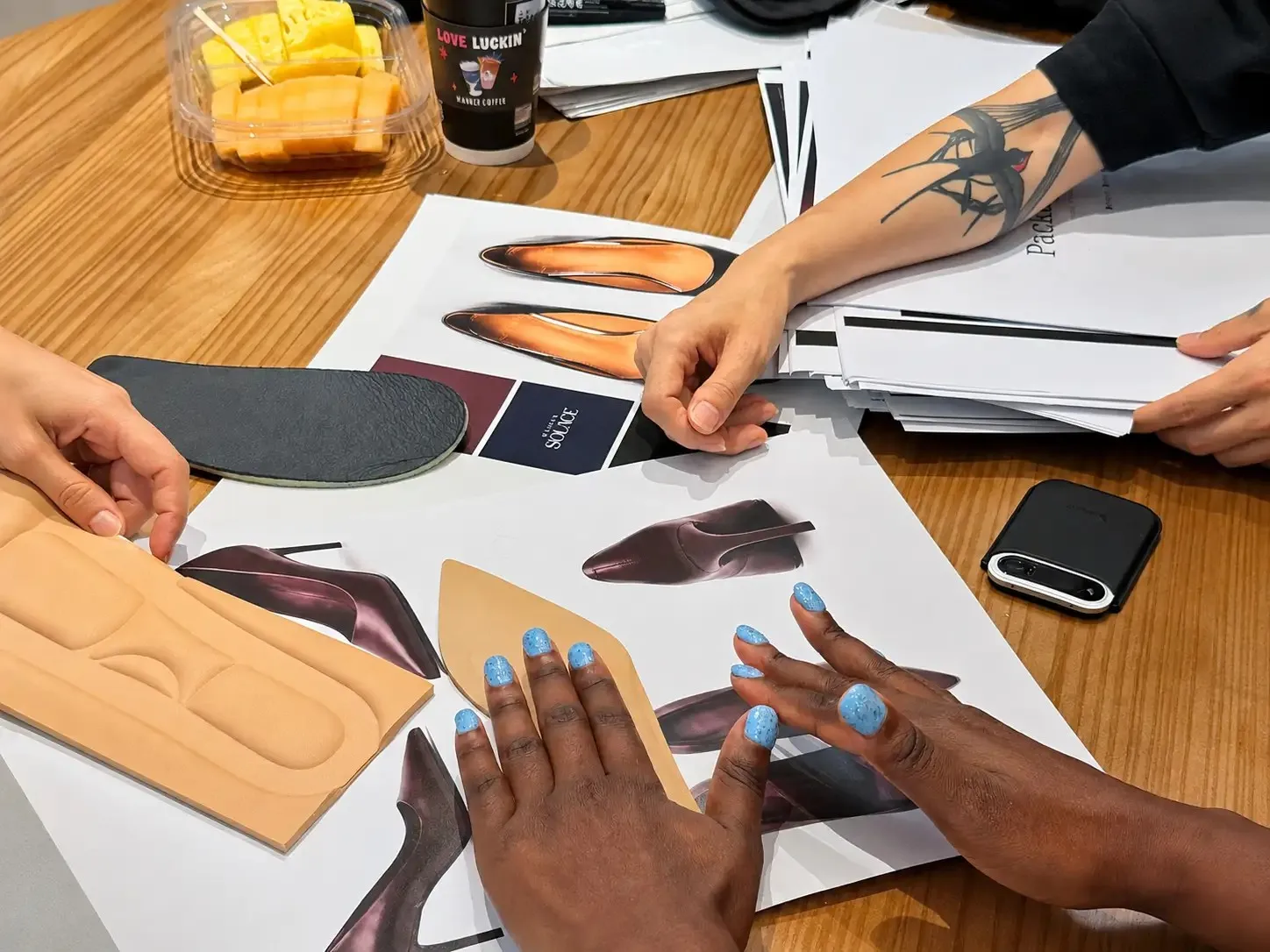
From material and construction decisions through to sampling, QC and bulk execution, a project moves along a single set of confirmed references.
Footwear and bag development
Projects across high-heel mules, women's footwear and leather shoulder bags, confirmed around the upper, last, heel, body, lining and hardware.
Materials and craft, assessed together
Material grade, construction feasibility, logo craft and target cost are assessed side by side, so design trade-offs are visible at the sampling stage.
Sample and QC, in writing
The approved sample, tech pack, cost boundary, QC checkpoints and shipping milestones form one shared execution basis and cut information drift between stages.
File security and project transparency
NDA terms, design files and communication boundaries can be discussed as needed. Where client authorisation or internal production information is involved, the mutually agreed disclosure scope governs.
Payment and inspection terms, settled up front.
Two things international buyers need confirmed first: how the money moves, and how the goods are inspected. Both are put in writing when the quotation is confirmed.
The commercial questions to settle before we start
Open a question for fees, quantity, lead time, payment terms, confidentiality and the boundaries of the first-order decision.
How is the sample fee calculated?+
Sample fees usually range from USD 250 to 600, depending on the style structure, materials and craft complexity. A firm quote follows once the key variables are confirmed, and the confirmed quote is what applies. A target price is not the final quote.
What is the minimum first order for shoes and bags?+
Footwear usually starts from 100 pairs and bags from around 200 pieces, assessed against product type, material yield, craft complexity and production conditions. These are reference levels, not one flat number applied to every project.
How is the production timeline broken down?+
The reference timeline is: last / mold 5 days → full sample set 15 days → approved sample 5 days → size run 7 days → QC 2 days → bulk 30 days, then shipment. The actual schedule is confirmed against style complexity, material readiness and current capacity.
When does the lead time start counting?+
Lead time should start once the key documents, sample and production conditions are confirmed, and it should be broken into development, material preparation, production, QC and shipment milestones.
What are the payment and QC terms?+
Payment is 50% deposit plus 50% balance, with Trade Assurance supported. A full inspection is carried out before shipment and the QC record accompanies the goods.
Can the cost change after the sample is approved?+
It can. Once the sample is approved, material usage, hardware specifications, packaging, craft details and quantity are clearer, and the bulk cost is re-confirmed accordingly.
Can you offer alternative materials or constructions?+
Yes, while keeping the core silhouette, hand-feel, logo or brand-recognition details. We compare material grades, construction options and their cost impact, and the final choice is written into the tech pack.
Can our design files be protected?+
Yes. NDA terms, design drafts, sample photos, technical files and communication records can all be scoped for your project, and the signed documents govern.
Do you support packaging, hang tags and brand details?+
Packaging, hang tags, logos, hardware and other brand-recognition requirements can be raised in the project brief. Feasibility is assessed against quantity, materials and craft.
What happens after we send our materials?+
We first confirm whether the project fits, whether the documents are complete, what is missing, and which first-order validation path suits you. Formal development milestones are set once the key documents are confirmed.
Already have an approved sample?
Validate the first order, then move into reorders.
Send your product brief, sample photos or tech pack. We confirm project fit and document completeness first, then map the open points, production boundaries and the next validation step.
Full launch journey: Validate · Sample · Launch · Scale
First order delivered and planning the next round? Go to reorder & series growth →