Reorder & Series Growth for Women’s Shoe Brands
After your first bulk order, make every reorder a planned one.
A reorder is not simply remaking the last batch. It is deciding what to restock, what to recolor, what to improve and what to extend — based on real sales feedback. We run that next round with you, so product growth and supply capability move up together.
SALES FEEDBACK → REPLENISHMENT → NEW COLORS → NEW STYLES → SERIES GROWTH
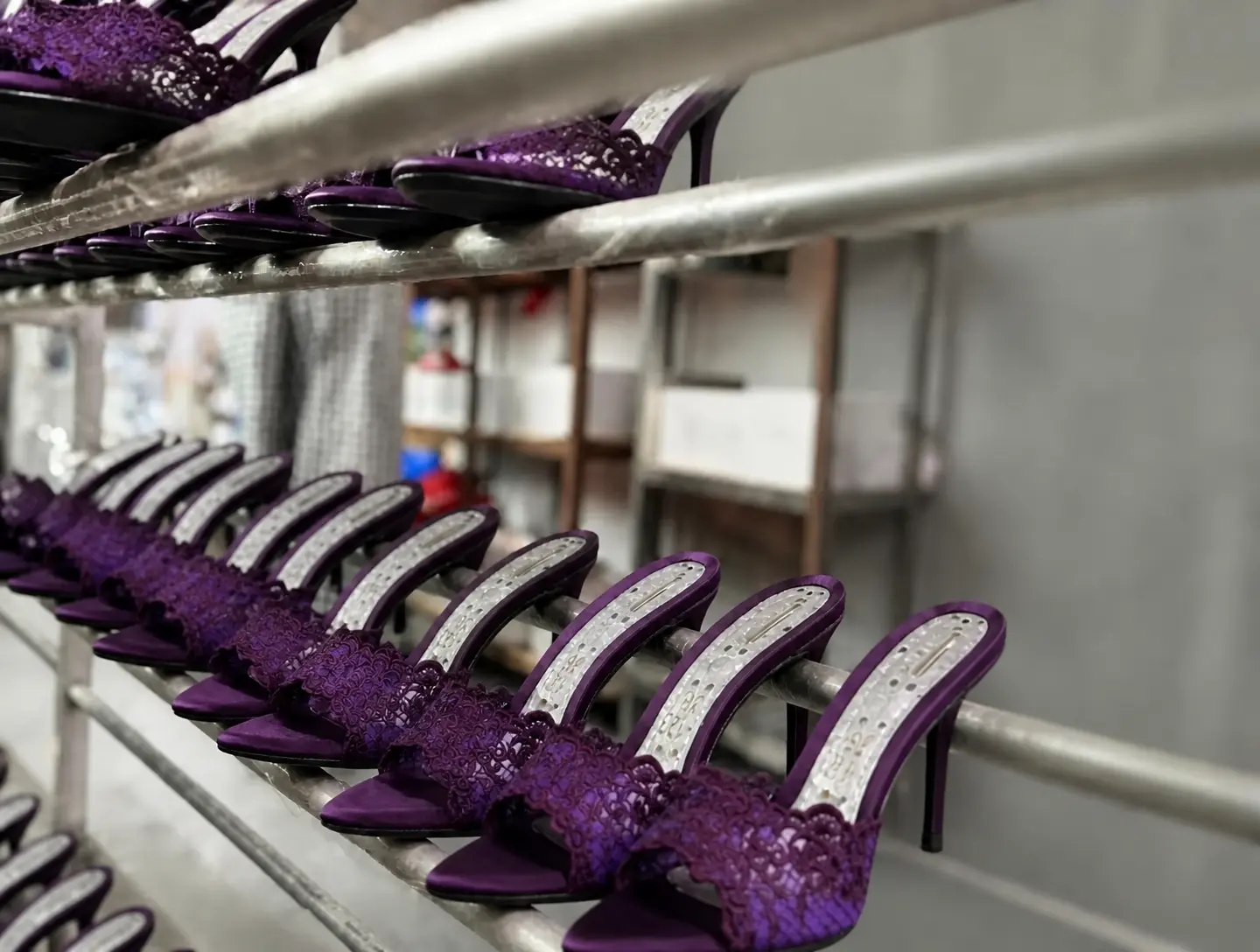
Reordering begins after the first bulk order is delivered and the product is live.
Design realisation and sampling answer “can this product be made?”. The first bulk order answers “can it be delivered commercially?”. Reorder and growth answer “which products deserve to be restocked, improved and extended?”.
A reorder is not a copied order — it is a reading of the market.
Your next round starts with these questions
We turn sales, stock, customer reviews and product issues into the basis for the next restock or development round.
Sales & inventory feedback
Best sellers, slow movers, stock levels, return reasons, customer reviews and market timing.
Reorder decision brief
Scattered feedback turned into a restock, color, revision and line plan.
Read the market signals first, then decide the next order.
Every brand meets a different reorder problem at a different stage. We sort scattered market signals into categories, then map each one to a specific next move.
Based on feedback, the next order usually takes one of four routes.
 01 · REPLENISH
Restock proven best sellers
Hold the validated materials, colors, sizing, construction and QC standard so restocks stay consistent.
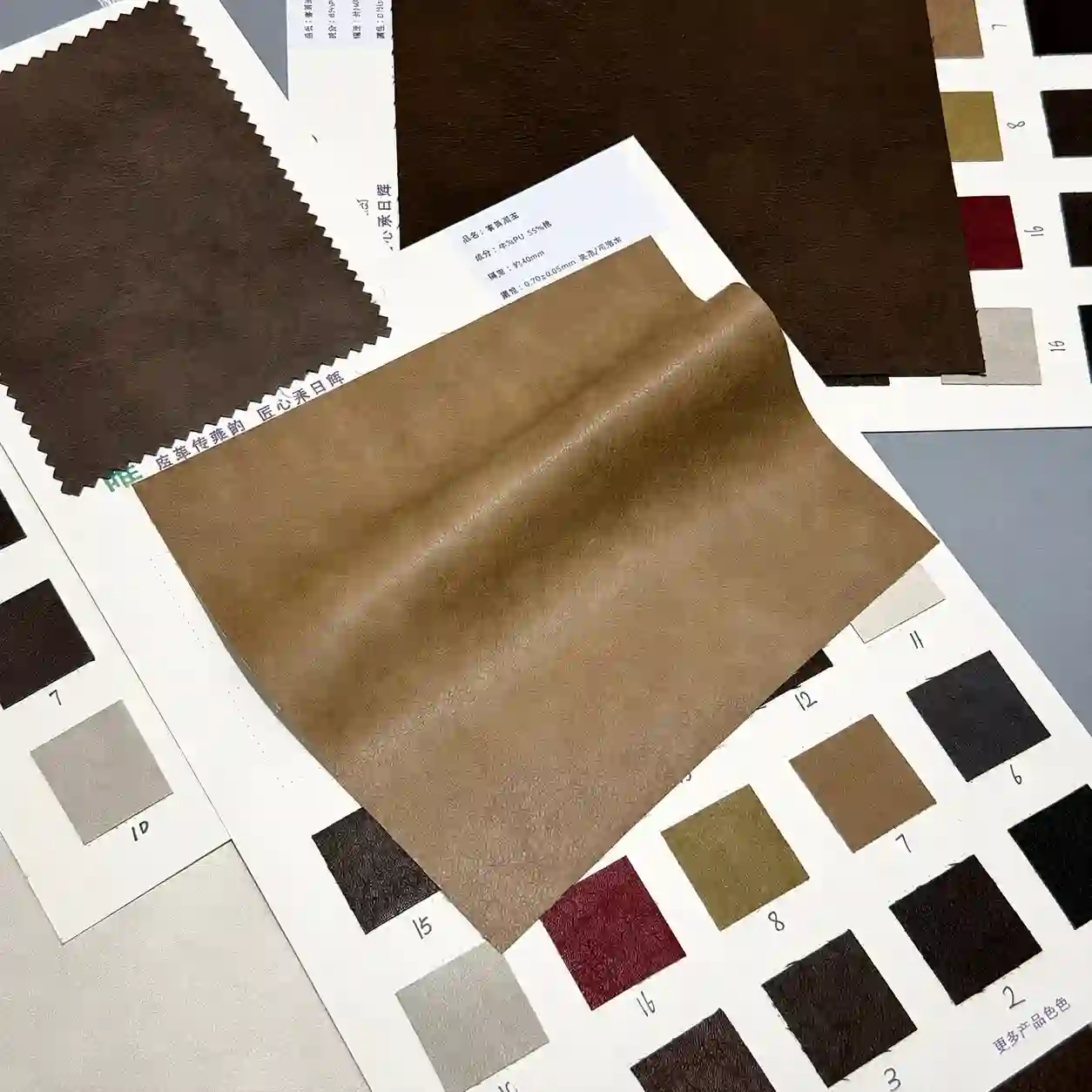 02 · NEW COLOR
Test new colors
Plan core colors, test colors and color combinations around season, market and customer feedback.
 03 · IMPROVE
Improve an existing style
Refine fit, sizing, detail construction, material hand-feel or the packaging experience.
 04 · EXTEND
New styles & line extension
Extend from validated patterns, lasts, materials, hardware and brand language.
After a 1,000-pair first order, a 200-pair reorder proved the demand.
This is a reorder project that has already happened. Isah The Label, led by founder Bella Rychter, took the Rinca sandal to market with its first order, then came back roughly six months later — with the next round focused on color extension.
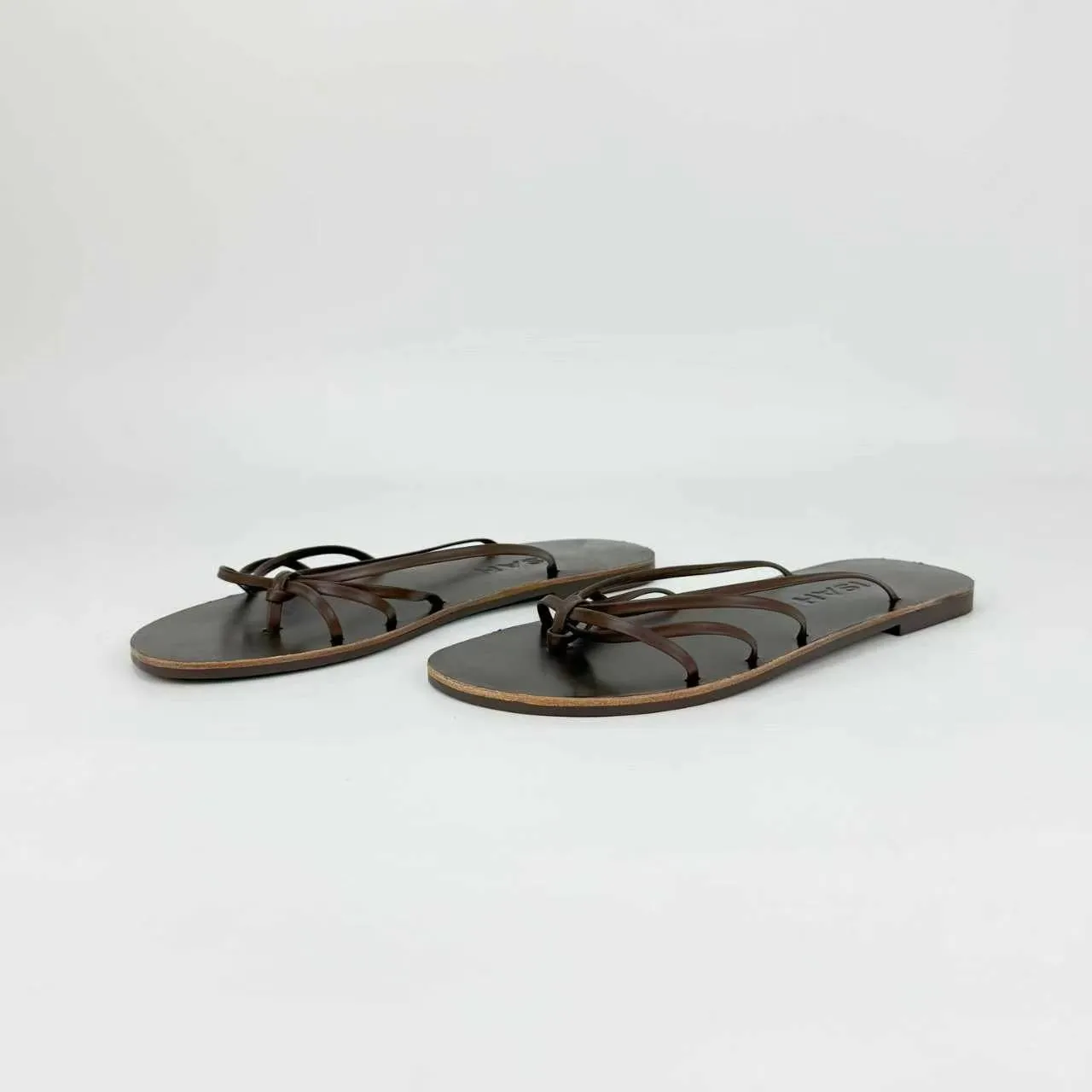
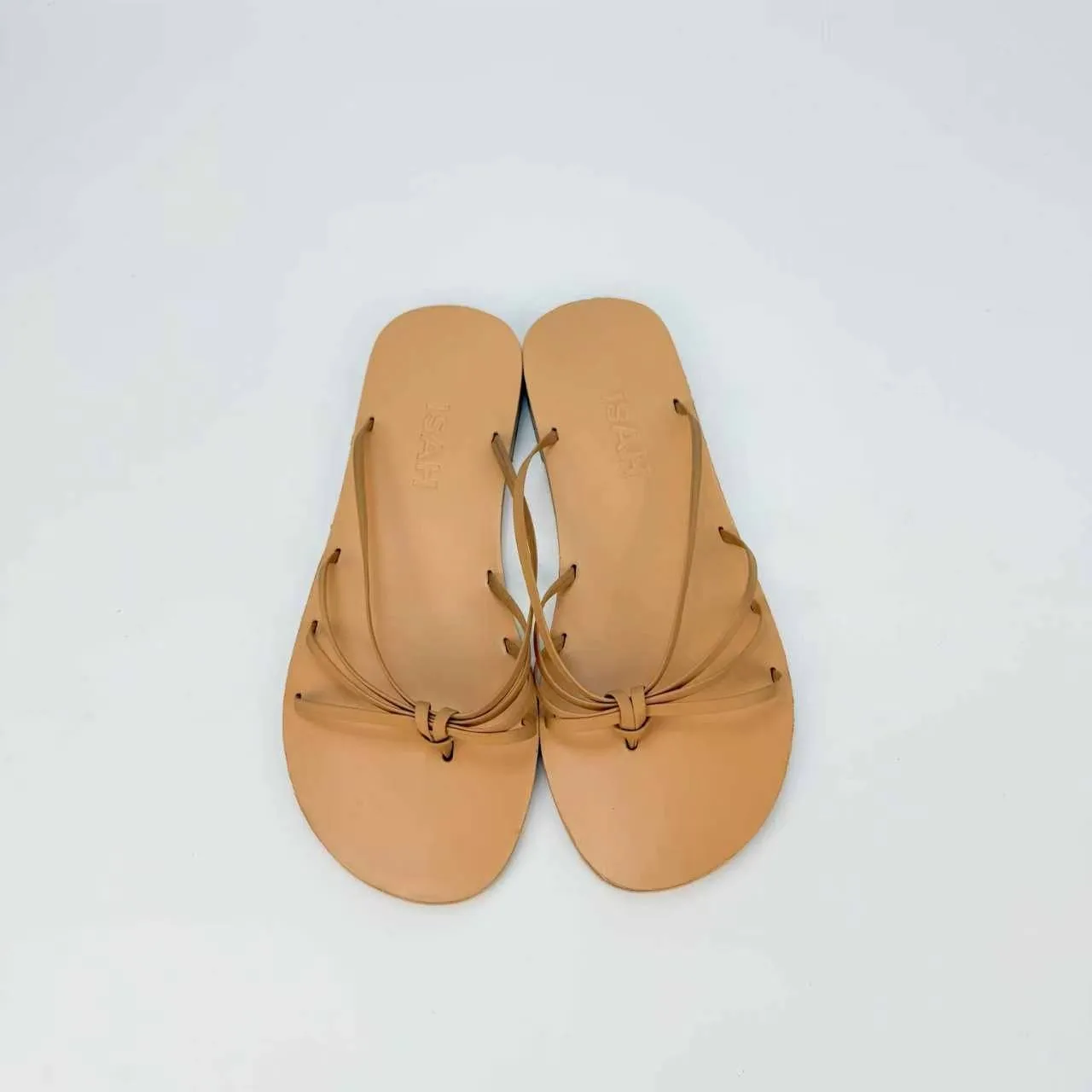
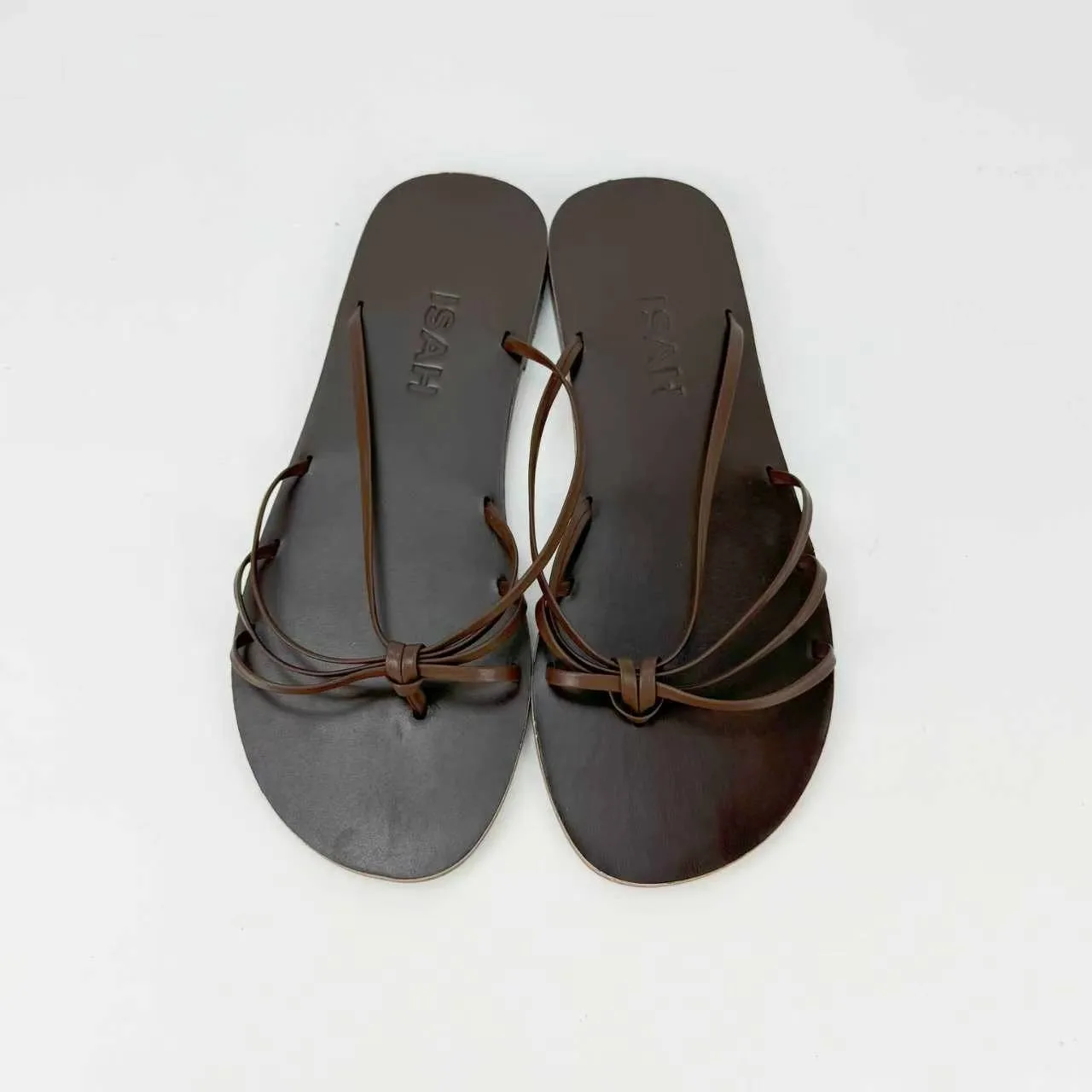

Note: the 1,000-pair first order, the 200-pair reorder, the two-color range and the case images are verified project facts. The Cream / Black / Sable extension, the inventory activation and the production scheduling belong to the next-round plan and are presented as planned.
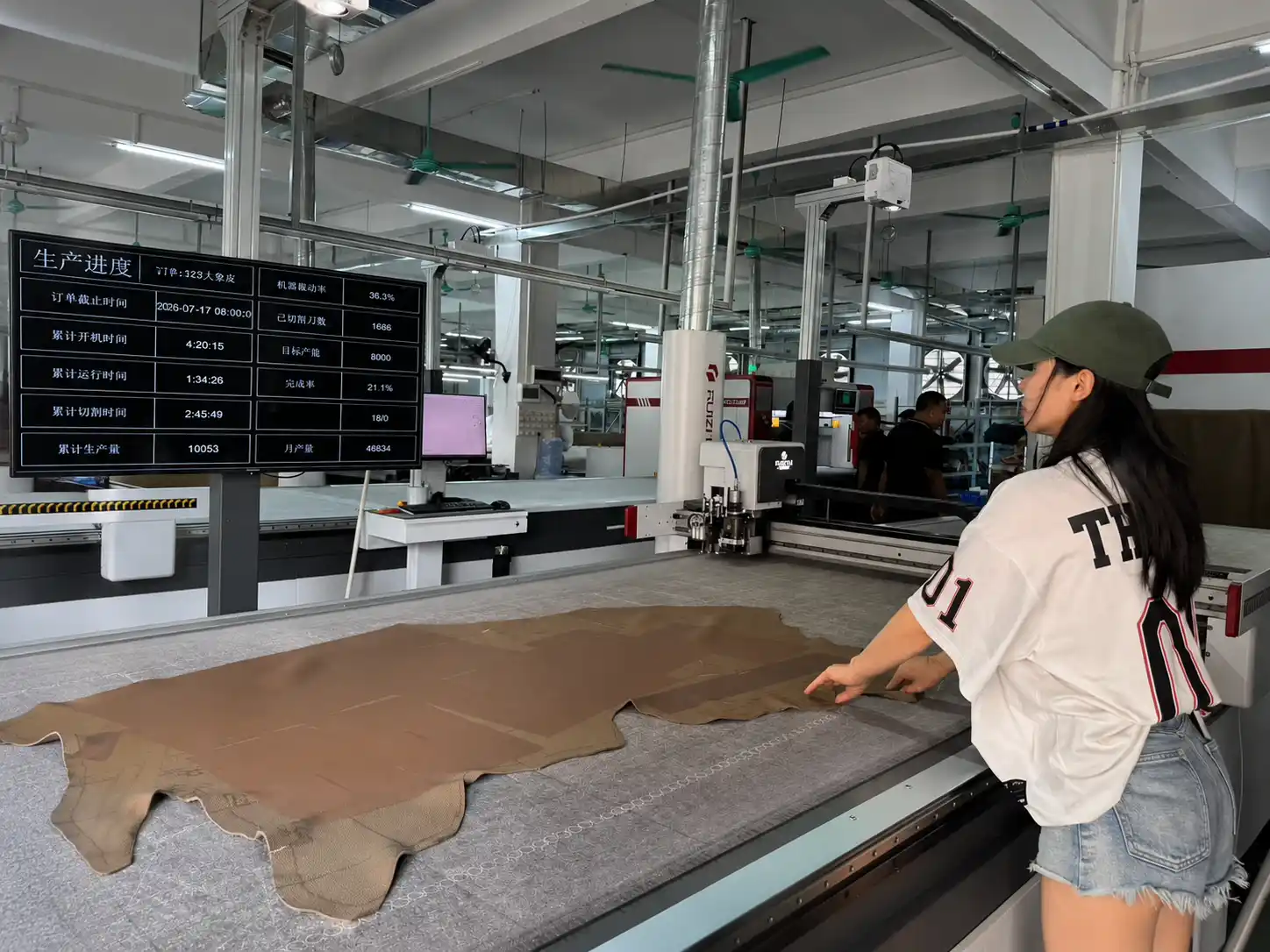
As order volume grows, quality, materials and capacity have to grow with it.
A long-term partnership is not about receiving more orders. It is about folding the reorder rhythm into continuous quality, materials, capacity, packaging and logistics coordination.

Keep one standard
Approved samples, version records and QC checkpoints set the benchmark for every reorder.
Prepare key materials early
Aligned to your sales rhythm, material lead times, color combinations and backup options.
Let production keep pace
Separate schedules for restocks, new colors and new product development.
Make delivery feel like a brand
Continuous upgrades to boxes, hang tags and carton specifications.
Reduce delivery uncertainty
Improve shipping milestones, carton information and logistics records.
Cut repeated communication
Keep technical files, color archives, QC records and reorder notes on hand.
The steadier your reorders, the more your delivery should be standardized.
Packaging is not an afterthought once the order closes. It is part of how your brand is delivered, stored and unboxed. As reorders increase, packaging specifications and logistics records should be upgraded with them.
Build a packaging standard
Unify shoe boxes, packing materials, hang tags, protection methods and carton information.
Optimize shipping milestones
Build traceable records around dispatch, handover, transport and receipt.

Every reorder leaves material for the next stage of growth.
The value of a reorder is not only this delivery. It is turning validated products and processes into assets your brand keeps using.
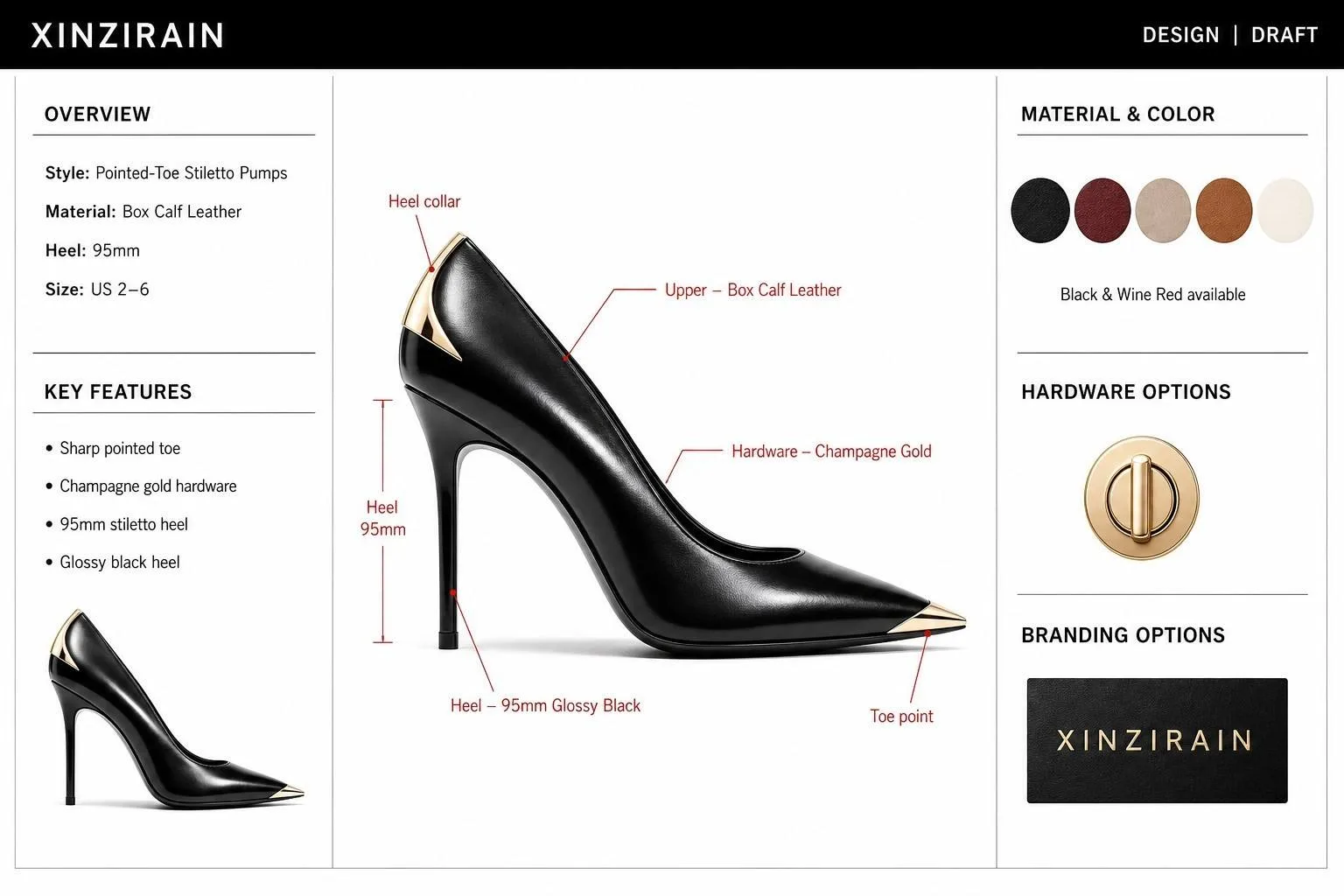
Brand moat: not making every product bigger at once, but building each product decision on the real experience of the round before.
A new series does not have to start from zero every time.
Once a product has completed its first bulk order and gathered sales feedback, the next one can reuse the manufacturing base that already works while extending the brand expression.
Extract recognizable elements
Build a series language from color, material, logo, hardware, heel, body or strap details.
Reuse what is proven
Reuse validated materials, techniques, patterns, lasts or packaging systems to cut repeated communication.
Validate new opportunities in stages
Launch a new color or style against a clear objective, then decide from sales feedback whether to widen the series.
Build a long-term growth structure
Keep a clear brand relationship between core styles, seasonal colors, revised styles and new products.
Reorders, recolors, restocks and line extensions — answered.
These are the questions brands ask once their first bulk order is delivered and the next round is on the table. If your situation is not covered, bring your sales feedback and we will work through it with you.
Is there a minimum order quantity for a reorder?
A reorder runs on the last, pattern and materials already approved for the first bulk order, so it is assessed against current production and material availability rather than the first-development threshold. We quote each quantity against the style, materials and capacity, and give you a clear answer before pricing.
If we only change color and keep the last, do we need new samples?
Usually no new last or pattern development is needed. The process is to confirm a color card or a color trial first, then move into the reorder schedule — which keeps the original fit and makes the restock timeline more predictable.
How long does a reorder take?
Three things decide it: whether materials are already in stock, whether new colors are involved, and the capacity schedule at the time. Restocks of an in-stock core style are usually the fastest; new colors add material confirmation and color-matching time. Once scheduled, you get firm milestones.
Can a reorder follow the same QC standard and reference sample?
Yes. The approved sample, version records and QC checkpoints are the execution benchmark for the reorder. Every pair is inspected before shipment and the QC record ships with the goods. You can also appoint a third-party inspection company to check in parallel.
Which components can be reused when extending a series?
Validated lasts, patterns, outsoles, heels, hardware and packaging systems can all be reused sensibly, changing only the elements that carry the brand expression. The more you reuse, the lower the development cost and communication overhead.
We want a new style but have no clear direction — where do we start?
Start from sales feedback. We organize best sellers, stock, return reasons and customer reviews into a reorder decision brief, then decide together whether the next round should restock, improve, recolor or develop a new style.
Can a reorder be covered by an NDA?
Yes. Design files, technical documents and brand information are handled under a confidentiality process, and an NDA can be signed before any discussion.
How do you guarantee payment terms and that bulk matches the sample?
Bulk production uses the sample you approved as the benchmark, with pre-production checks on color, stitching, materials and details; a full inspection is completed before shipment and the QC record travels with the goods. Payment terms and scheduling milestones are confirmed together with the quotation.
From first bulk order to a brand moat.
Already completed your first bulk order, or planning the next restock and new styles?
Start with your sales feedback — we will shape the next step together.