
Fashion Design: Wholesale & Manufacturer Solutions for Brands
I bring Fashion Design expertise to every project, crafted for Wholesale partnerships and backed by a reliable Manufacturer network. My approach starts with trend-aligned concepts, then moves through patternmaking, sample development, and fabric sourcing that delivers comfort, durability, and a premium feel. I offer scalable production, competitive lead times, and flexible MOQs so you can test new styles without risk. Colors, trims, and sizing can be customized to your brand, with technical packs that minimize revisions and speed up approvals. Our designs meet global standards, with sustainable fabrics and responsible sourcing options. With transparent costing, you’ll know your margin from day one. I handle private label opportunities, co-branded collections, and exclusive SKUs, ensuring consistent quality across bulk orders. Partner with me for Fashion Design that scales—from pilot runs to full wholesale launches—so you can grow your catalog confidently, while I manage the complexity of production as your trusted Manufacturer.
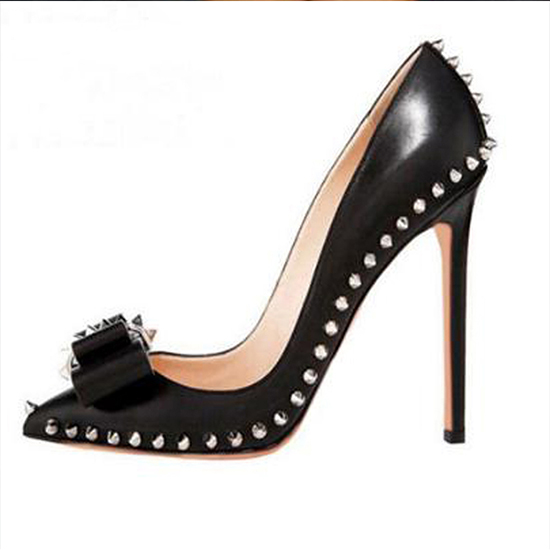
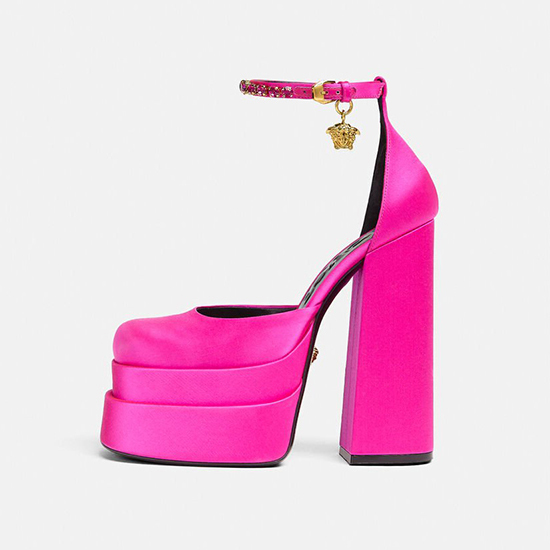
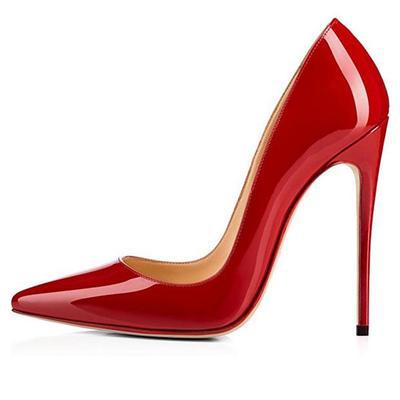
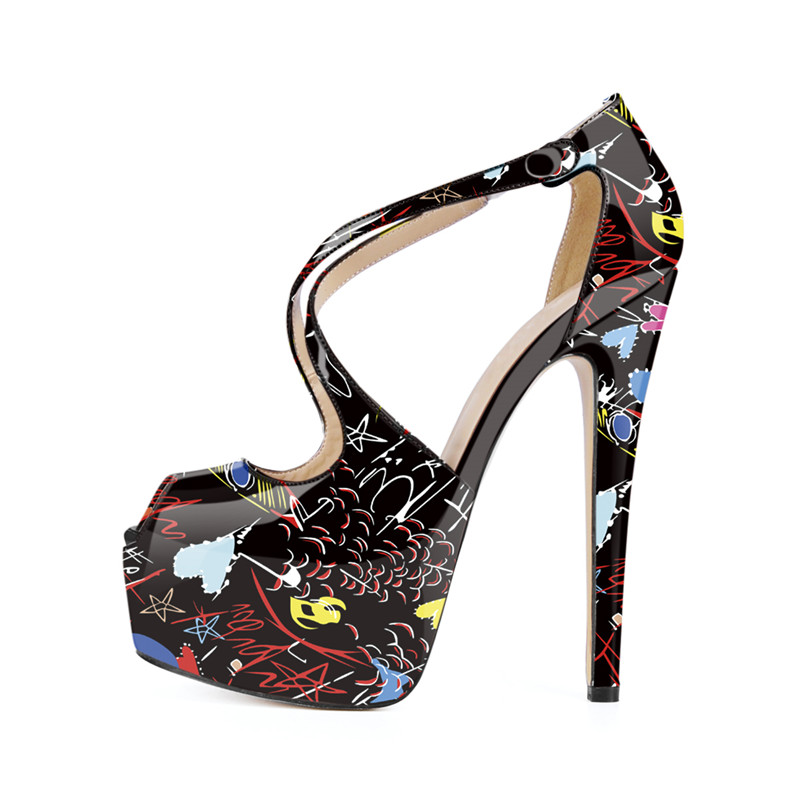
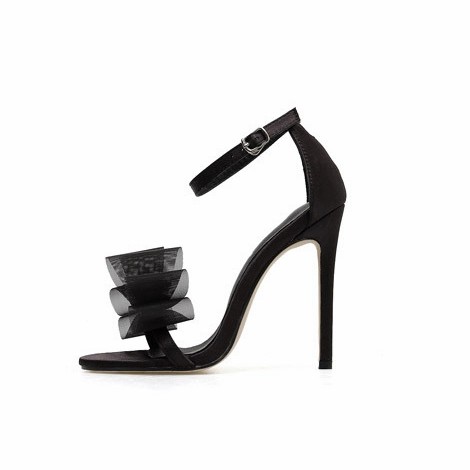
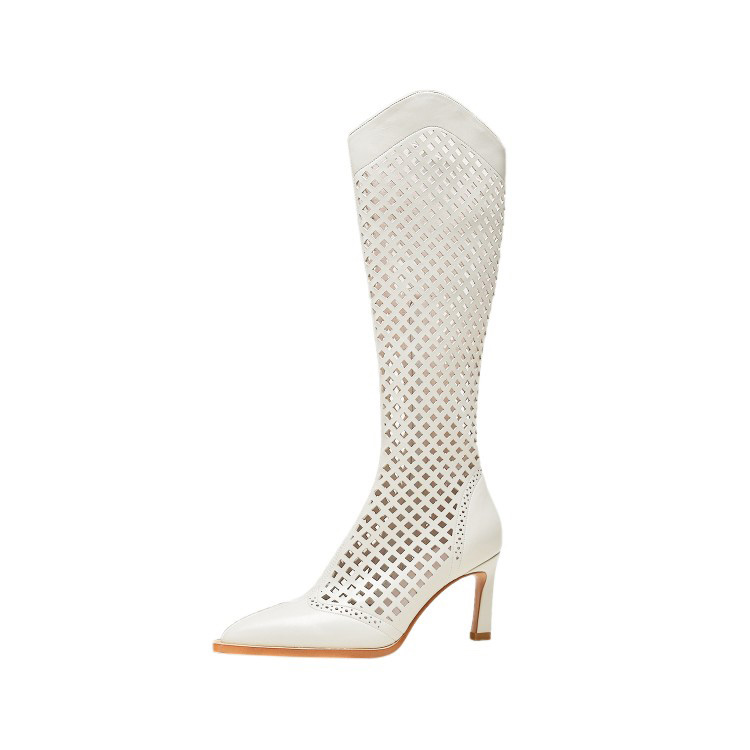
Fashion Design For the Current Year Outperforms the Competition
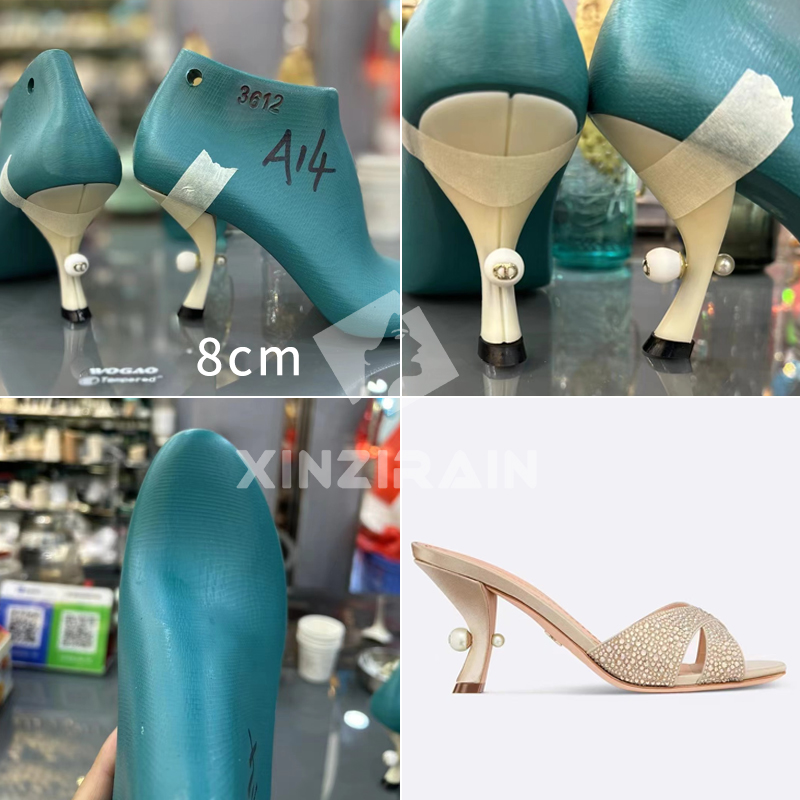
This year, fashion-forward footwear outperforms competitors by marrying style with daily performance. Our design teams translate trends into adaptable silhouettes, engineered lasts, and material-driven details—breathable uppers, flexible midsoles, and durable outsoles. By using rapid prototyping, CAD/CAM, and 3D printing, we shorten sample cycles and bring concepts to market quickly while preserving fit and quality across sizes. Global buyers benefit from a design-led, supply-smart approach: scalable production, flexible MOQs, and transparent sourcing. We prioritize sustainability with eco-friendly materials, recycled components, and compliant manufacturing, without sacrificing color options or customization. Our processes support private labels and regional assortments, enabling timely replenishment and lower risk launches. In a year when design and price matter, a capable partner ensures reliable supply and differentiated collections.
{ Fashion Design For the Current Year Outperforms the Competition }
| Concept | Category | Material Innovation (0-100) | Sustainability (0-100) | Trend Alignment (0-100) | Consumer Popularity (0-100) | Online Mentions (in thousands) | Influencer Engagement (0-100) | Runway Appearances | Production Lead Time (days) | Average Customer Rating (0-5) |
|---|---|---|---|---|---|---|---|---|---|---|
| Aurora Silk | Womenswear | 89 | 65 | 92 | 87 | 52.3 | 78 | 6 | 32 | 4.5 |
| Nebula Linen | Menswear | 75 | 80 | 75 | 74 | 28.4 | 68 | 4 | 40 | 4.2 |
| Ocean Weave | Unisex | 82 | 92 | 78 | 79 | 65.2 | 76 | 5 | 30 | 4.6 |
| Ember Core | Womenswear | 90 | 70 | 88 | 84 | 45.6 | 83 | 8 | 25 | 4.4 |
| Verdant Knit | Knitwear | 68 | 85 | 86 | 72 | 19.7 | 54 | 2 | 18 | 4.3 |
| Solar Weft | Menswear | 84 | 77 | 75 | 73 | 37.1 | 62 | 4 | 22 | 4.1 |
| Lunar Velvet | Womenswear | 93 | 69 | 95 | 90 | 72.0 | 88 | 7 | 26 | 4.7 |
| Terra Mesh | Accessories | 70 | 78 | 80 | 66 | 29.4 | 58 | 3 | 21 | 4.0 |
Related Products


Fashion Design Leads the Global Market Custom Solutions,
Top Selling Products



- Related Blog
- Reviews
- Reviews
