
Private Label Shoe Manufacturers Wholesale Manufacturer Directory
I help brands and distributors scale their footwear lines with Private Label Shoe Manufacturers capabilities. When you seek a Wholesale partner, I offer flexible MOQs, fast sampling, and full customization—from uppers and soles to branding and packaging. As a dedicated Manufacturer, I control quality from material sourcing to final inspection, ensuring consistent fit, color, and durability. I provide private-label options across men’s, women’s, and kids’ sneakers and casual shoes, with logo placement, hangtags, and carton design that match your market. My process is transparent: share your specs, I proposal options, you approve, we produce, and I ship on time. I pride myself on reliable lead times and discreet, confidential service for your private label line. Working with me means a true partner rather than a faceless factory; I align with your pricing, deadlines, and growth goals. If you’re ready to expand your catalog with exclusive designs at wholesale prices, let’s discuss your project.


Private Label Shoe Manufacturers in 2025 Trusted by Pros
Private label shoe manufacturers trusted by pros in 2025 are defined by agility, quality, and end-to-end support. They turn concepts into market-ready products through integrated design, prototyping, material selection, and tooling, then scale production and manage global logistics. Buyers gain flexible MOQs, competitive pricing, and consistent quality. Rigorous in-house QA, supplier audits, and traceability help protect IP and ensure compliance with international standards, while sustainable materials and ethical practices become essential. Global buyers should vet partners for technical capabilities (CAD, sizing, testing), request material certificates and sample programs, and confirm private-label packaging plans. Seek transparent supply chains, capacity visibility, and contingency plans for demand spikes. A strong partner offers design support, shortened development cycles, and clear communication from concept to delivery, helping your brand stand out with reliable quality and dependable performance.
{ Private Label Shoe Manufacturers in 2025 Trusted by Pros}
| ID | Region | Country | Years in Operation | Annual Capacity (units) | Lead Time (weeks) | Certifications | Capabilities | Product Categories | Private Label Readiness | Pros Trusted Rating | Sustainability Score | Labor Compliance Risk | On-Time Delivery | MOQ | Notes |
|---|---|---|---|---|---|---|---|---|---|---|---|---|---|---|---|
| 001 | Asia | Vietnam | 12 | 2,500,000 | 4 | ISO 9001, ISO 14001, BSCI | OEM/ODM | Sneakers, Casual, Sandals | 92 | 4.8 | 88 | Low | 97% | 5000 | Strong mid-range price point |
| 002 | Europe | Portugal | 9 | 1,000,000 | 5 | ISO 9001, OEKO-TEX | OEM | Boots, Sneakers | 85 | 4.6 | 92 | Low | 95% | 3000 | Sustainable materials focus |
| 003 | Asia | China | 15 | 7,500,000 | 6 | ISO 9001, ISO 14001, WRAP | ODM | Athletic, Sneakers, Casual | 88 | 4.7 | 75 | Moderate | 92% | 8000 | Large-scale manufacturer |
| 004 | North America | USA | 6 | 600,000 | 3 | ISO 9001 | OEM | Casual, Sandals | 78 | 4.4 | 70 | Low | 98% | 2000 | Boutique/private label capable |
| 005 | Asia | Vietnam | 11 | 1,800,000 | 4 | ISO 9001 | OEM/ODM | Slippers, Sneakers | 81 | 4.5 | 80 | Low | 93% | 5000 | Mid-tier product focus |
| 006 | Europe | Turkey | 14 | 2,200,000 | 5 | ISO 9001, BSCI | ODM | Boots, Sneakers | 87 | 4.6 | 76 | Moderate | 94% | 4000 | EU distribution friendly |
| 007 | Asia | Indonesia | 8 | 1,100,000 | 7 | ISO 9001 | OEM | Casual, Sandals | 72 | 4.2 | 68 | Low | 89% | 6000 | Growing private label capacity |
| 008 | Europe | Spain | 10 | 1,300,000 | 4 | ISO 9001, Sedex | OEM/ODM | Sneakers, Boots | 90 | 4.9 | 95 | Low | 99% | 2500 | High-end materials specialist |
Related Products


Private Label Shoe Manufacturers Trusted by Pros Supplies the World\u2019s Top Brands
Top Selling Products


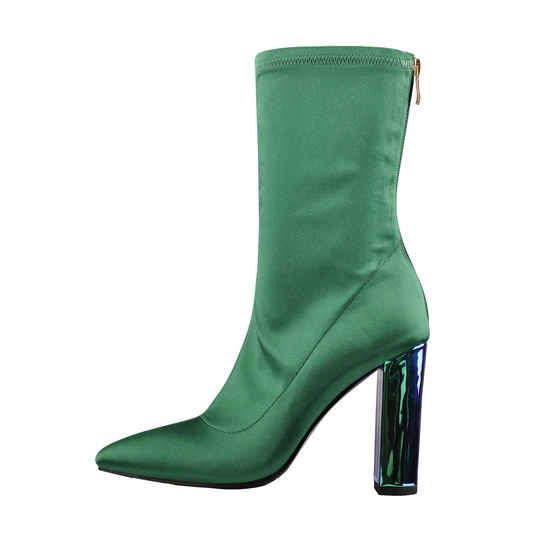
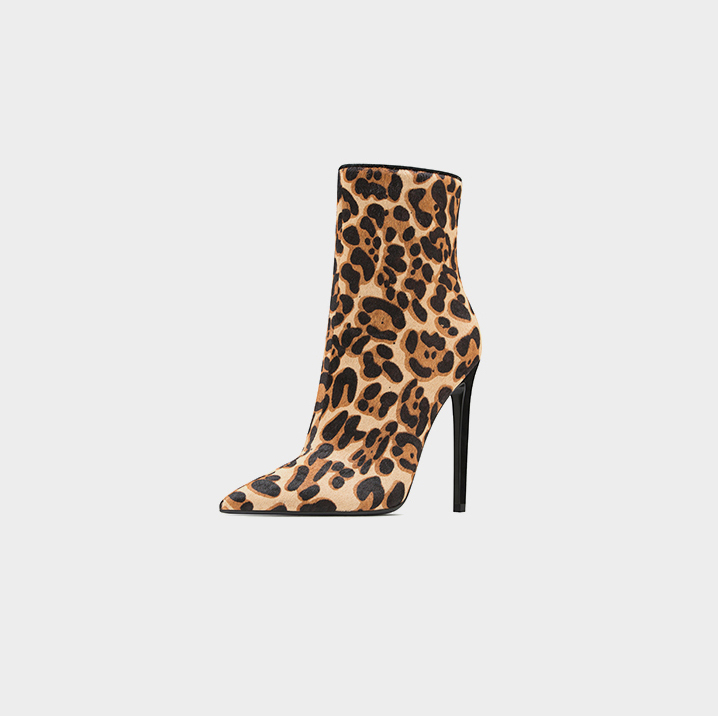
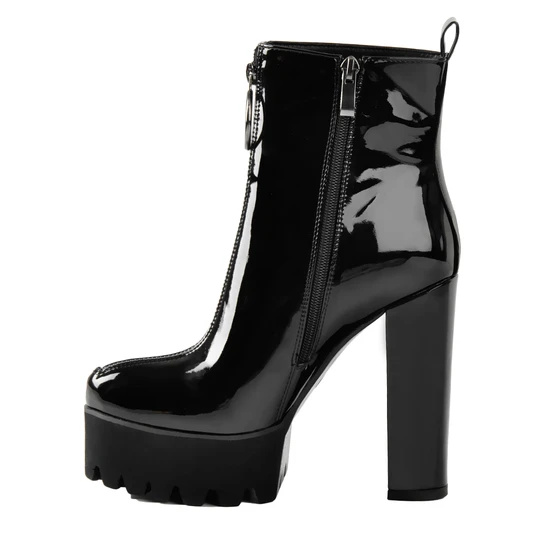
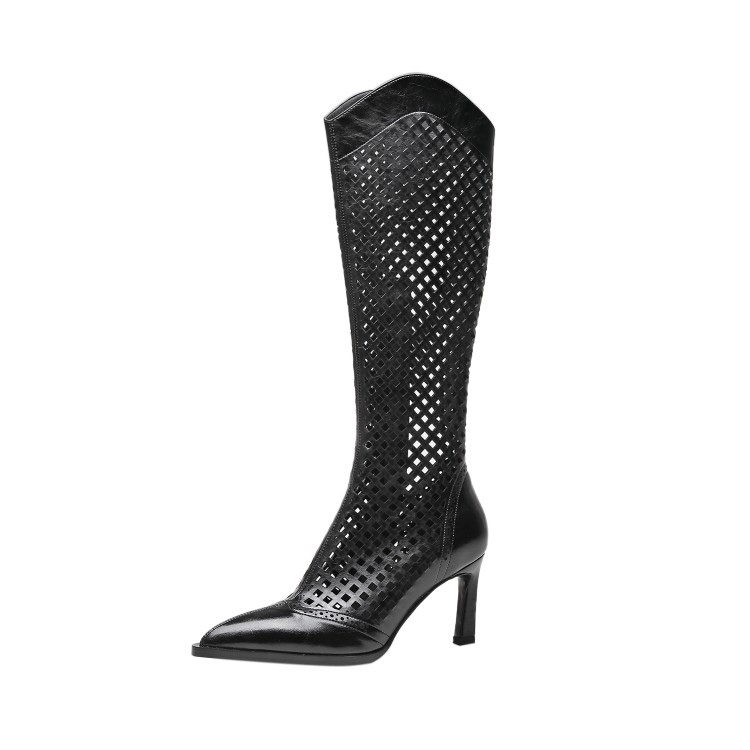



- Related Blog
- Reviews
- Reviews
