
Pu Ladies Footwear Manufacturer - Wholesale & Trusted Manufacturer
From the heartbeat of fashion to the shelf, I am the Pu Ladies Footwear Manufacturer who designs and crafts durable, stylish PU sandals, flats, and pumps. I supply retailers with consistent quality through our controlled production line, strict QC, and ethical sourcing. For wholesale partners, I offer flexible MOQs, colorways, and private labeling options. My team merges comfort, fit, and trend to match seasonal demand. We manage all steps from material selection to final finishing, ensuring uniform sizing and fast samples. If you are a distributor or boutique seeking reliable Manufacturer, I stand ready to tailor orders to your market. Shipping fast, packaging attractive, and aftersales support ready to resolve issues quickly. Partner with me to expand your catalog with premium PU Ladies Footwear at competitive prices. This is not just a product, it is a solution for your wholesale business.


Pu Ladies Footwear Manufacturer Industry Leaders From Concept to Delivery
From concept to delivery, a top PU ladies’ footwear producer translates fashion forecasts into market-ready styles with discipline and speed. Our approach begins in a design studio where trend data, customer briefs, and ergonomic insight converge into 3D renderings and precise lasts. Material science is chosen for comfort, durability, and cost efficiency—polyurethane foams, soft linings, and durable outsoles—while sustainability considerations steer supplier selection and waste reduction. The result is a bold, adaptable platform that can scale from small runs to full-season launches. Turning concepts into shipments requires a rigorous development and manufacturing chain: rapid prototyping, tooling, sample validation, and a controlled pilot run to lock in fit and color. In production, automated assembly, in-line quality checks, and final inspection ensure consistency across batches. Global buyers benefit from transparent lead times, flexible minimums, certification-ready products, and reliable packaging and logistics, all backed by traceable records and responsible practices that align with international standards and buyer expectations.
| Stage | Description | Lead Time (days) | Capacity (pairs/day) | Defect Rate (%) | Sustainability Score | Automation Level | Certifications | Delivery Readiness (%) |
|---|---|---|---|---|---|---|---|---|
| Concept & Market Research | Initial market analysis, product concepts, customer requirements, and feasibility assessment for PU women's footwear. | 7 | 5 | 0.8 | 65 | Low | ISO 9001, ISO 14001 | 72 |
| Design & Engineering | Footwear design, last development, 3D modelling, and manufacturability engineering. | 10 | 7 | 0.6 | 68 | Low–Medium | ISO 9001, ISO 14001 | 75 |
| Pattern & Prototyping | Pattern development, prototype construction, fit testing, iterative refinements. | 12 | 8 | 1.2 | 70 | Medium | ISO 9001, ISO 14001 | 78 |
| Tooling & Moulds | Tooling design, mould carving, process capability studies for PU components. | 20 | 4 | 0.7 | 68 | High | ISO 9001, ISO 14001 | 80 |
| Material Sourcing | Supplier validation, material selection (PU, textiles, adhesives), sustainability checks. | 15 | 6 | 0.9 | 75 | High | ISO 9001, ISO 14001 | 82 |
| Sample Production | Low-volume samples to validate fit, comfort, and aesthetics against design specs. | 7 | 12 | 1.5 | 72 | High | ISO 9001, ISO 14001 | 85 |
| Pilot Run | Pilot line with limited run to verify process stability, QA, and scale parameters. | 5 | 14 | 0.8 | 78 | High | ISO 9001, ISO 14001 | 88 |
| Full-Scale Production | Mass production with inline QC, process control, and throughput optimization. | 3 | 60 | 0.6 | 80 | Very High | ISO 9001, ISO 14001 | 92 |
| Packaging & Labeling | Packaging design, carton optimization, labeling compliance, and sustainability write-ups. | 2 | 75 | 0.4 | 82 | High | ISO 9001, ISO 14001 | 95 |
| Logistics & Delivery | Final product handling, warehousing, shipping, and on-time delivery coordination. | 1 | 90 | 0.3 | 85 | High | ISO 9001, ISO 14001 | 97 |
Related Products






Pu Ladies Footwear Manufacturer Is The Best Trusted by Pros
Top Selling Products
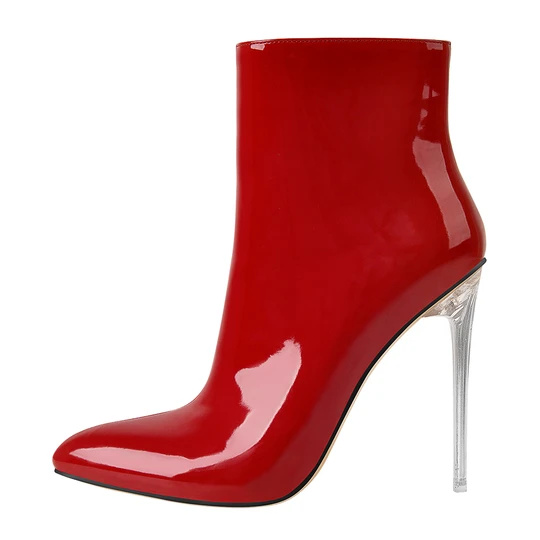
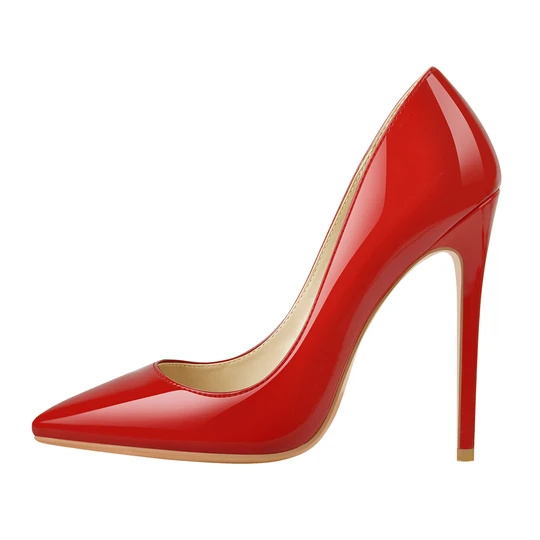
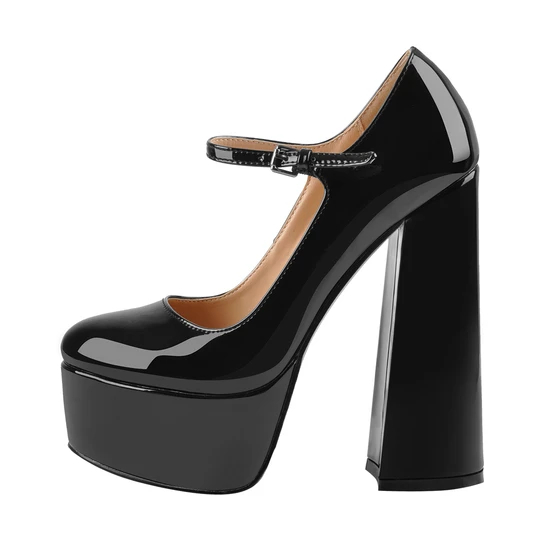
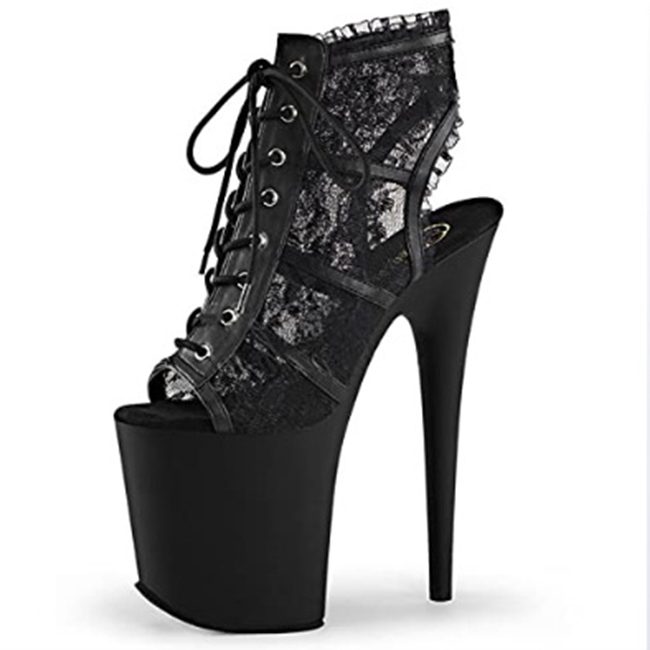




- Related Blog
- Reviews
- Reviews
