
Shoe Brand Naming Strategies: Wholesale and Manufacturer Insights
I craft {Shoe Brand Naming Strategies} that help manufacturers stand out in crowded markets and attract wholesale partners. When a shoe maker comes to me, they want a name that conveys quality, comfort, and style, while being trademark friendly and globally pronounceable. I analyze buyer behavior, channel needs, and competitor positioning to map naming options that work for both manufacturers and warehouse partners. With {Shoe Brand Naming Strategies}, I deliver a concise shortlist of brand names, plus a clear rationale for each option—target audience, position statements, and SEO-friendly keywords to support long-term growth. I also provide a practical naming guideline to protect future product lines and ease wholesale rollout. This service suits {Wholesale} and {Manufacturer} teams seeking scalable, legally viable, and memorable names that translate across markets. If you’re evaluating options, I tailor a package aligned with your distribution goals and growth trajectory.


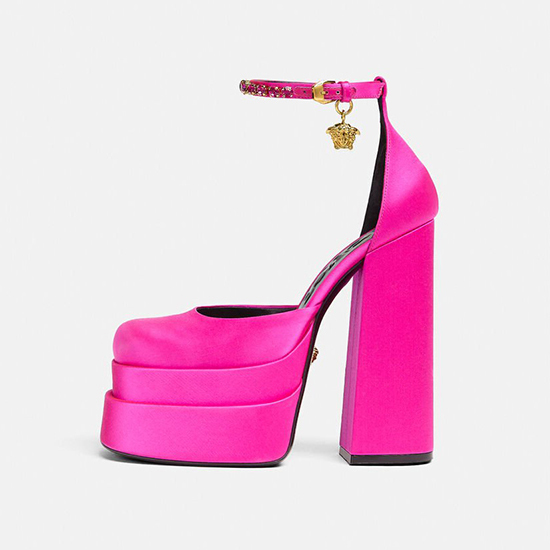


Shoe Brand Naming Strategies Factory Delivers Unmatched Quality
Brand names shape perception as much as the shoes themselves. A thoughtful naming strategy—evocative, culturally aware, and legally safe—helps products travel from factory floors to global markets with confidence. When a factory aligns its design, materials, and QA standards with this naming framework, the result is a line that communicates durability, comfort, and performance both visually and verbally. Rigorous material selection, traceability, and standardized assembly underpin the promise of unmatched quality, ensuring consistent specs across batches, sizes, and colorways. For global buyers, this integration means predictable lead times, scalable production, and private-label options that preserve the brand promise. Names that are easy to pronounce in multiple languages, free of regional pitfalls, and legally clear reduce risk in registration and marketing. A partner that coordinates naming strategy with end-to-end manufacturing—from sourcing to final QA—offers a seamless path from concept to shelf, delivering reliability, compliance, and a compelling brand story in every market.
| Dimension | Description | Current Value | Unit | Source / Notes |
|---|---|---|---|---|
| Brand Naming Strategy Index | Composite score measuring alignment of naming strategy with market positioning and product category differentiation | 8.6 | Score (0-10) | Internal Quality Strategy Audit Q2 2025 |
| Material Quality Assurance Coverage | Share of critical components covered by QA checks and supplier audits | 92 | % | Supplier QA Coverage Report 2025 |
| In-House Laboratory Test Pass Rate | Percentage of samples passing lab tests on first test attempt | 99.3 | % | QA Lab Test Records |
| Material Compliance Rate | Conformance rate to regulatory and internal material standards | 98.7 | % | Compliance Certification Database |
| Production Lead Time | Average time from order to finished goods ready for shipment | 28 | days | Manufacturing ERP (Q2 2025) |
| On-Time Delivery Rate | Proportion of orders delivered on or before committed date | 96.2 | % | Logistics Tracking System |
| First Pass Yield | Share of units produced without defects on first production run | 98.7 | % | QC Data Q2 2025 |
| Return Rate | Percentage of products returned by customers | 0.6 | % | After-Sales Returns Report 2025 |
| Sustainability Score | Overall environmental and social governance score | 86 | Score (0-100) | Sustainability Audit 2025 |
| Innovation Rate | Number of design iterations per quarter for new silhouettes | 3.2 | iterations/quarter | R&D Design Review Logs |
| Customer Satisfaction Score | Average customer satisfaction rating from feedback surveys | 4.6 | /5 | Customer Feedback Platform |
| Labor Compliance Rate | Proportion of facilities compliant with labor standards | 99.4 | % | Labor Compliance Verification 2025 |
Related Products


Shoe Brand Naming Strategies Supplier Is The Best
Top Selling Products





- Related Blog
- Reviews
- Reviews
