
Split Leather Bag Wholesale Manufacturer | Premium Leather Bags
I’m a wholesale manufacturer of premium split leather bag lines, built for retailers who wants dependable quality and fast, scalable supply. With years of experience, I offer ready-to-ship styles and customizable options that suit any brand, from mass-market to boutique buyers. The split leather bag I craft blends rugged durability with refined aesthetics—rugged hardware, reinforced seams, and a soft, deep patina that ages gracefully. Every piece is cut and stitched in small batches to guarantee consistency, while our flexible MOQ and short lead times help you meet seasonal demand. I’m happy to discuss private labeling, custom hardware, colorways, and packaging to fit your market. As a wholesale manufacturer, I stand behind reliable stock, transparent timelines, and attentive service. If you’re sourcing a dependable split leather bag supplier, I’m here to partner for growth.

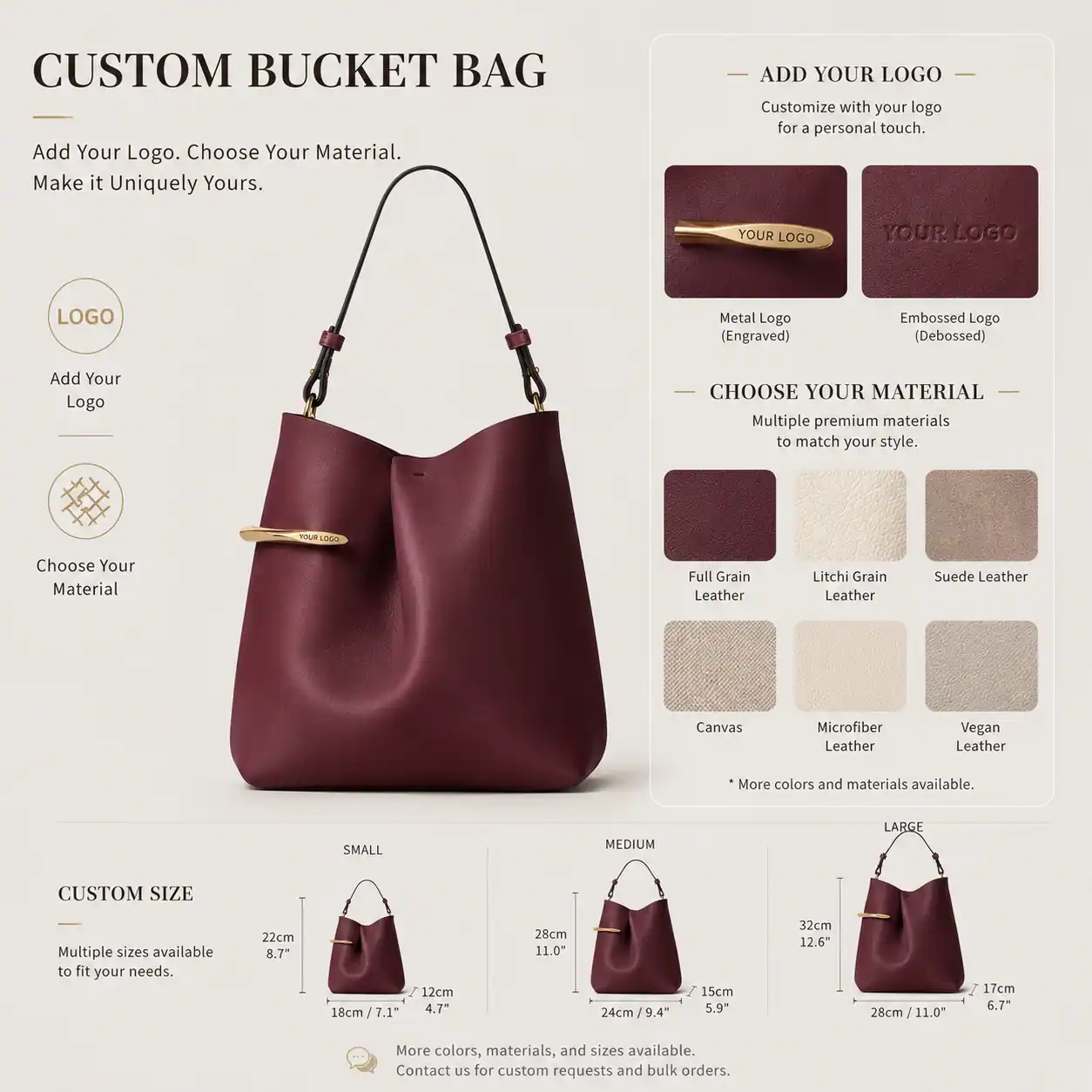


split leather bag Industry Giant From Concept to Delivery
From concept to delivery, the split leather bag journey starts with a clear brief and a design language that works across markets. An industry leader blends creative intent with manufacturing practicality—material sourcing, color, texture, hardware, and durable stitching. Global buyers seek supply chain transparency, stable lead times, and data-driven forecasts that align production with demand. Eco-friendly finishing and chrome-free alternatives help ensure performance and compliance in diverse regions. Workflow moves from patterning and proto samples to strict quality checks at each step—from cutting and assembly to hardware and final inspection. Scalable capacity allows rapid prototyping and smooth ramp-up to mass production while preserving consistency. Logistics, packaging, and documentation are tuned for smooth crossings and efficient distribution. A true partner delivers not only a reliable product but also a transparent, service-focused experience that reduces risk and accelerates time-to-market for retailers worldwide.
{ split leather bag Industry Giant From Concept to Delivery}
| Stage | Typical Activities | Key Performance Metrics | Lead Time (weeks) | Primary Materials (anonymized) | Material Sourcing Region | CO2e per unit (kg) | Typical Yield (%) | Certifications / Standards | Main Risks | Mitigation Measures |
|---|---|---|---|---|---|---|---|---|---|---|
| Concept & Market Research | Trend analysis, target-user profiling, initial sketching, feasibility study | User needs validated; concept approval rate ~60–75% | 1–2 | Split leather (anonymized), metal hardware, textile lining | Mixed: sourcing from Asia, Europe regional suppliers for trims | ~0.5–1.0 | N/A (early stage) | Market fit uncertainty | Rapid user testing; go/no-go gates | |
| Design & Prototyping | Pattern making, CAD files, sample sewing, fit and wear trials | Average iterations: 2–4; sample approval rate ~70–85% | 3–6 | Split leather (treated), foam padding, zippers, rivets | Regional prototyping centers (Asia / Europe) | ~1.0–2.5 | Prototype scrap rate 10–25% | ISO 9001 (design controls) | Material mismatch, fit issues | Rapid prototyping loops, strict sample sign-off criteria |
| Material Sourcing | Supplier qualification, material testing, traceability checks | Supplier lead-time variance ≤15%; material fail rate <5% | 4–10 | Split leather hides (treated), brass/steel hardware, woven lining | Primary sourcing: South & Southeast Asia; trimming from Europe | ~2.5–4.0 | Incoming inspection pass rate 92–98% | REACH, chemical safety testing | Supplier delays; chemical non-compliance | Dual sourcing, pre-shipment testing, traceability records |
| Cutting & Assembly | Automated/manual cutting, stitching lines, hardware fitting | Line efficiency 60–85%; defect rate 1–3% at line end | 2–6 | Pre-cut split leather panels, interlinings | Manufacturing concentrated in established leather clusters | ~3.0–6.0 | Assembly yield typically 92–98% | ISO 9001, factory safety audits | Labor bottlenecks, machine downtime | Cross-training, preventive maintenance, buffer capacity |
| Finishing & Quality Assurance | Edge finishing, surface treatments, final inspection, functional tests | Final defect rate target <1.5%; cosmetic rejection <2% | 1–3 | Topcoat finishes, protective films, tags | Local finishing workshops near assembly plants | ~0.8–1.6 | QA pass rate 98–99% | AATCC / textile tests where relevant | Hidden defects discovered late | Multi-point inspection, accelerated wear tests |
| Packaging & Logistics | Protective packaging, labeling, consolidation, customs docs | Damage-in-transit rate target <0.5%; on-time shipment ≥95% | 1–4 | Corrugated cartons, resealable bags, recyclable fillers | Packaging often sourced regionally to reduce lead-time | ~0.6–1.5 | Packaging QC pass rate >99% | ISPM 15 for wooden pallets where used | Shipping disruptions, customs delays | Multi-modal routing, buffer lead-times, pre-clearance docs |
| Distribution & Delivery | Warehouse cross-dock, last-mile fulfillment, retail replenishment | On-time delivery ≥92% to distribution centers; damage rate <0.5% | 2–6 | Finished goods packaged per SKU | Global distribution networks (multi-region hubs) | ~0.5–2.0 | First pass delivery success 92–98% | Logistics partner certifications (cargo handling) | Port congestion; last-mile variability | Distribution center decentralization; carrier SLAs |
Related Products


split leather bag Is The Best Leads the Global Market
Top Selling Products

- Related Blog
- Reviews
- Reviews
