
Bag Manufacturer Oem - Wholesale and Manufacturer Solutions
From the workshop to your catalog, I’m your go-to for {Bag Manufacturer Oem}. I supply durable, stylish bags with scalable production for bulk orders. If you’re a retailer or designer seeking a steady {Wholesale} channel, I tailor bags that fit your brand’s specs. As a trusted {Manufacturer}, I streamline material sourcing, colorways, and packaging to cut lead times. My capabilities cover totes, backpacks, laptops, and satchels with options like recycled fabrics and vegan leathers. I offer flexible MOQs, rapid prototyping, and sample approvals to ensure quality before shipment. Expect transparent pricing, certifications, and real-time production updates. Whether you want private-labeled designs or co-branded collections, I design to scale with demand and market trends. Share your target quantity, timelines, and budget, and I’ll craft a plan that makes your bag line profitable.


Bag Manufacturer Oem Products Where Innovation Meets 2025
In today’s market, OEM bag manufacturing partners redefine supply chain speed. From concept to finished product we offer design support, rapid prototyping, and scalable production. We prioritize sustainable materials—recycled fabrics, plant-based trims—and responsible sourcing with clear traceability. Lean tooling and automated cutting deliver consistent quality across backpacks, totes, and clutches, with flexible MOQs to help buyers test concepts before large runs. For 2025, innovation means customization at scale. Modular designs, smart features like hidden pockets and lightweight power options, RFID security, and durable water resistance meet evolving needs. Digital tooling streamlines sampling, order management, and real-time production tracking, while recyclable packaging and circular design reduce waste. By aligning engineering, materials, and QA, we deliver reliable partnerships that differentiate brands, shorten time to market, and optimize cost.
{ Bag Manufacturer Oem Products Where Innovation Meets 2025}
| Product Family | Core Material | Key Innovation | Lead Time (weeks) | Certifications | Sustainability Rating (0-100) | MOQ (units) | Annual Capacity (k units) |
|---|---|---|---|---|---|---|---|
| Everyday Backpack | 600D Nylon with water-repellent coating | 3D mesh back panel; anti-theft pocket; smart organizers | 6 | ISO 9001, REACH | 78 | 1000 | 120 |
| Laptop/Tech Bag | Nylon 900D with PU coating | Modular interior; anti-scratch laptop sleeve | 8 | ISO 9001, RoHS | 84 | 800 | 90 |
| Travel Duffel | Ballistic Nylon 1680D | Integrated shoe compartment; retractable shoulder strap | 7 | ISO 14001, REACH | 76 | 1200 | 60 |
| Eco Tote | Recycled PET fabric | Fully recycled seams; biodegradable zipper tape | 5 | OEKO-TEX Standard 100, GRS | 92 | 2000 | 40 |
| Outdoor Hiking Pack | Nylon Ripstop 420D | Load-bearing harness; hydro-resist coating | 9 | ISO 9001, GRS | 88 | 1500 | 50 |
| Slim Messenger Bag | PU Leather with recycled polyester lining | Magnetic latch; waterproof zip | 4 | ISO 9001 | 70 | 700 | 25 |
| School/Student Bag | 600D Polyester | Anti-tear fabric; ergonomic shoulder straps | 6 | CPSIA Compliant | 65 | 1000 | 30 |
| Professional Briefcase | 600D/PU-coated fabric | Concealed carry handle; anti-theft pocket | 7 | ISO 9001, SGS | 72 | 700 | 28 |
Related Products





Bag Manufacturer Oem Is The Best Manufacturers You Can Rely On
Top Selling Products
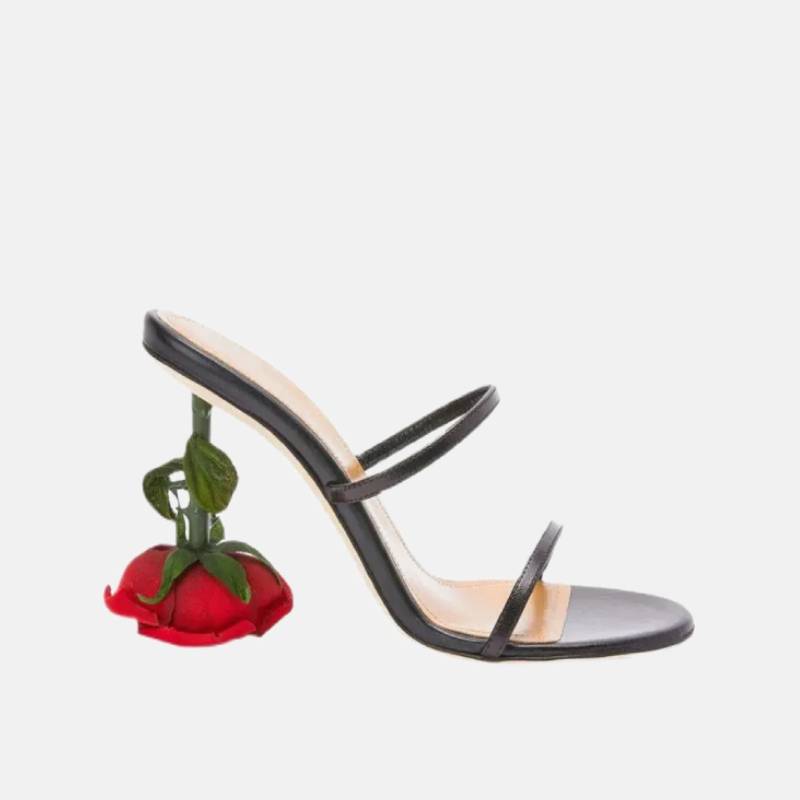

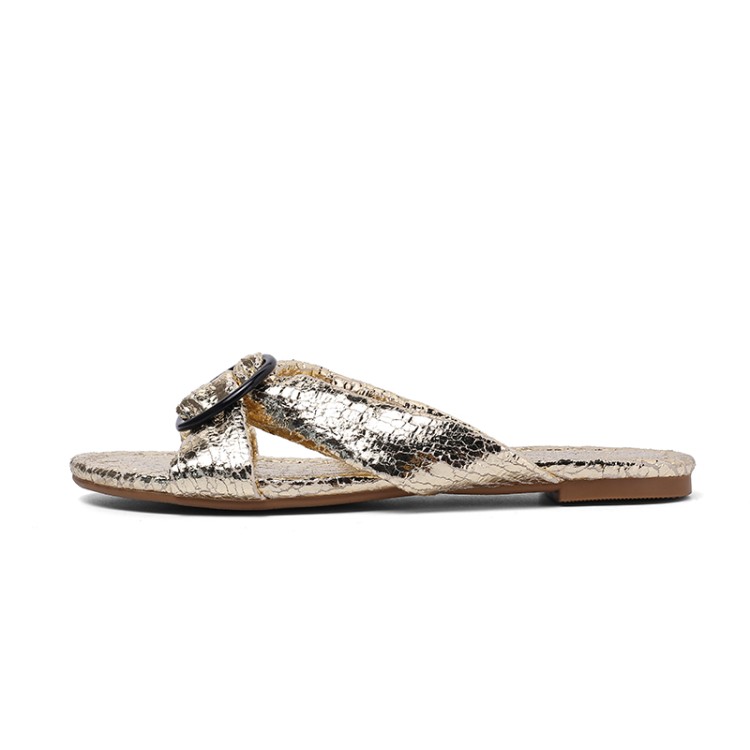

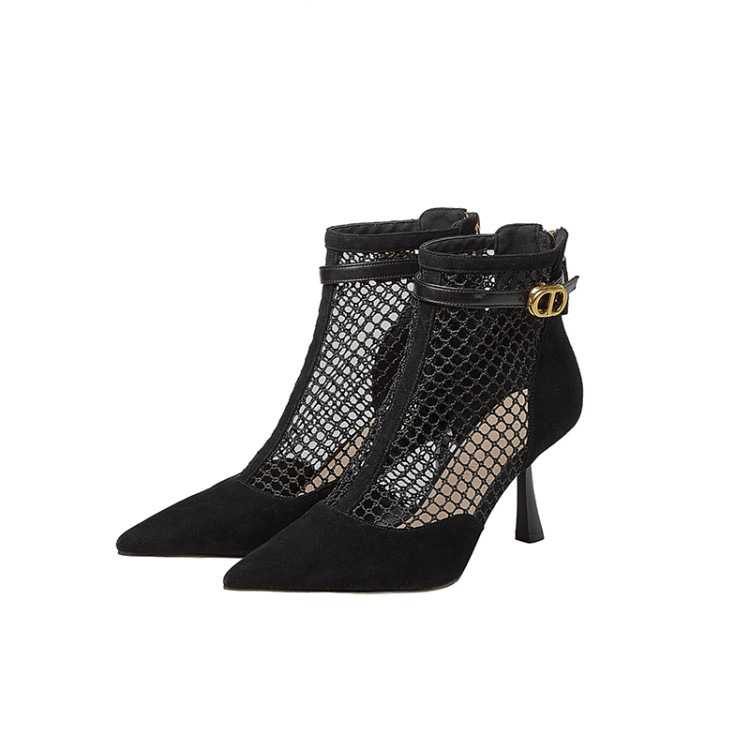
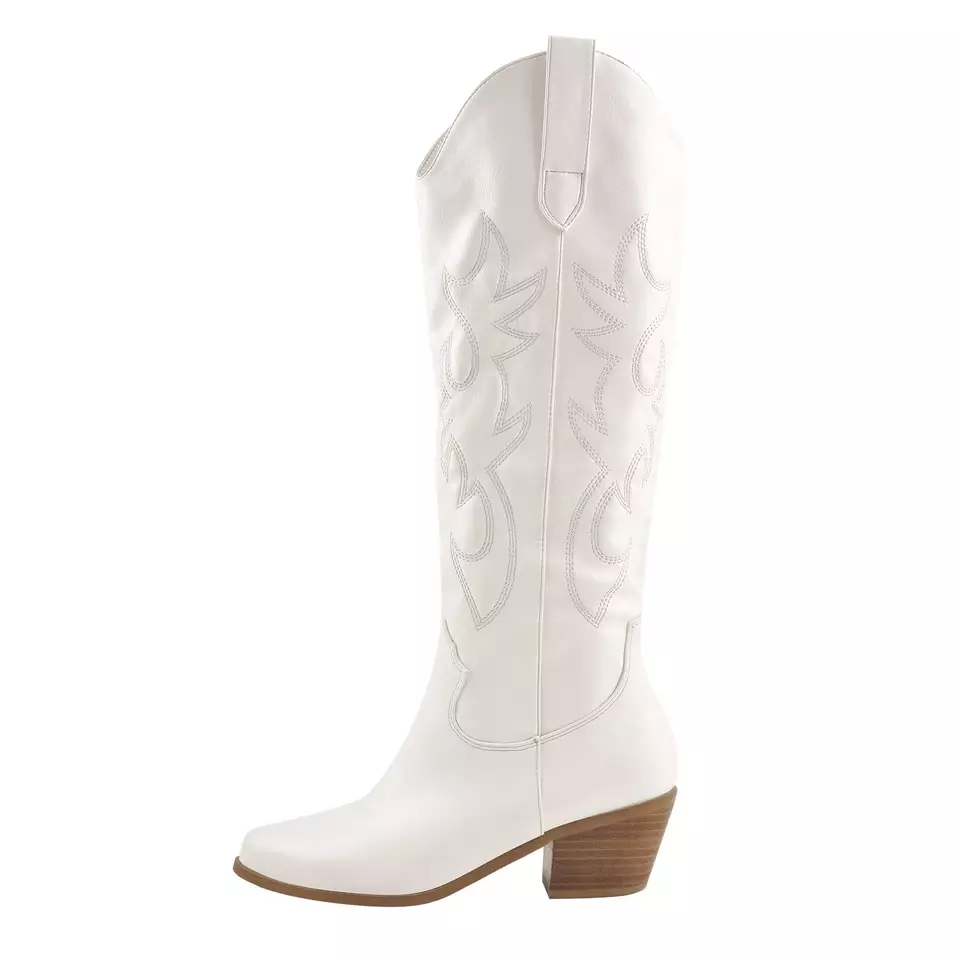
- Related Blog
- Reviews
- Reviews
