
Leather Shoe Manufacturer - Wholesale & Manufacturer Solutions
From the moment I pair quality hides with precise stitching, I know that being a Leather Shoe Manufacturer means more than making shoes—it's about dependable supply for your business. As a Manufacturer, I know that consistency and reliability win orders. I offer Wholesale pricing, scalable production, and customization options to fit your catalog. Our factory uses top-grain leather, water-based finishes, and ergonomic lasts to ensure comfort and durability, ideal for work, casual, and formal lines. We can accommodate Retailers, Wholesalers, and Distributor partners with flexible MOQs and clear lead times. I maintain strict QA checks at every stage, from cutting to final polish, so you receive consistent products that reduce returns. With this partnership, you gain reliable inventory, predictable delivery, and transparent communication. Let me help you expand your assortment with styles that appeal to professionals and end-users alike. Reach out to discuss quantities, branding, and shipping options for wholesale orders.


Leather Shoe Manufacturer Dominates in 2025
Global buyers are increasingly seeking reliable partners who can deliver consistent quality, responsible sourcing, and scalable production. A Chengdu-based leather footwear manufacturer has emerged as a dominant force in 2025 by integrating the entire value chain—from tannery-grade leather procurement and cutting to stitching, finishing, and efficient packaging. With a design-driven R&D team and data-led production planning, they translate seasonal concepts into finished styles with precision, speed, and cost effectiveness. The result is a catalog of durable, comfortable shoes that suit both luxury and mass-market demands, backed by rigorous quality control at every stage. Global procurement teams will value their flexibility: ODM/OEM capabilities, scalable capacity, short lead times, samples on demand, and competitive MOQs. They emphasize sustainability—vegetable-tan leather, water-based adhesives, and waste-reduction processes—without compromising performance. Transparent compliance with international standards, proactive risk management, and reliable logistics enable on-time global distribution. In 2025, this partner not only supplies products but also collaborates on design, material selection, and pricing strategies to help buyers stay competitive across markets.
Leather Shoe Manufacturer Dominates in 2025
| Region | Market Share (%) | Production Capacity (million pairs/year) | Leather Usage Share (%) | Materials Split (Leather / Synthetic) | Avg Lead Time (weeks) | Growth 2024–2025 (%) | CO2 per Pair (kg CO2e) | Sustainability Score (0–100) | Top Export Destinations (Top 3) |
|---|---|---|---|---|---|---|---|---|---|
| Asia-Pacific | 62 | 420 | 68 | Leather 68% / Synthetic 32% | 6 | 6 | 6.8 | 72 | United States; United Kingdom; Australia |
| Europe | 18 | 120 | 60 | Leather 60% / Synthetic 40% | 7 | 2 | 7.2 | 80 | United States; Germany; United Kingdom |
| North America | 12 | 110 | 50 | Leather 50% / Synthetic 50% | 8 | 4 | 6.0 | 78 | United States; Canada; Mexico |
| Latin America | 5 | 50 | 40 | Leather 40% / Synthetic 60% | 7 | 1 | 5.5 | 66 | Mexico; United States; Colombia |
| Middle East & Africa | 3 | 25 | 35 | Leather 35% / Synthetic 65% | 9 | 2 | 6.0 | 60 | UAE; Saudi Arabia; Nigeria |
Related Products


Leather Shoe Manufacturer Industry Giant Leads the Global Market
Top Selling Products
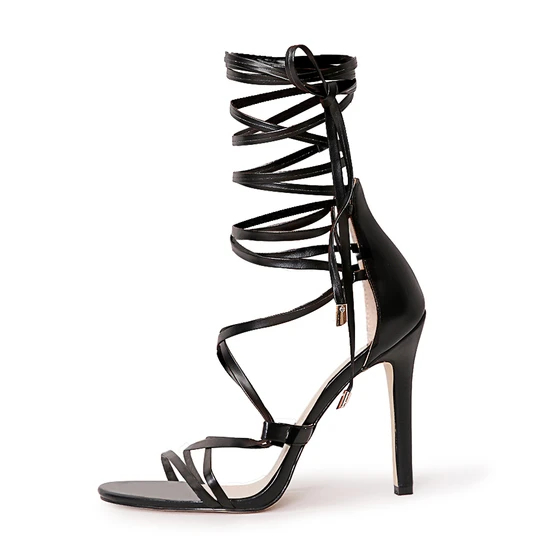

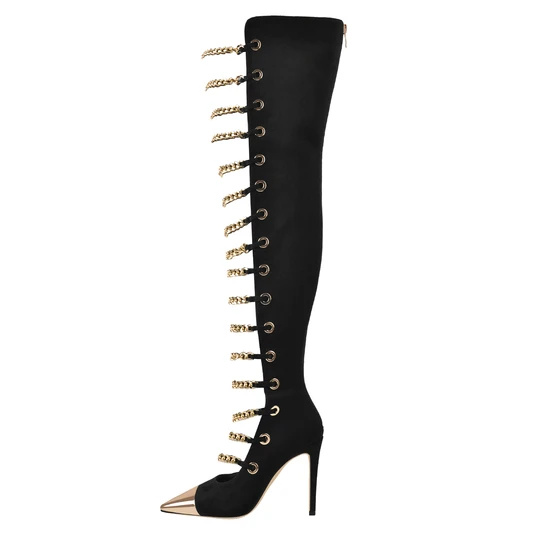
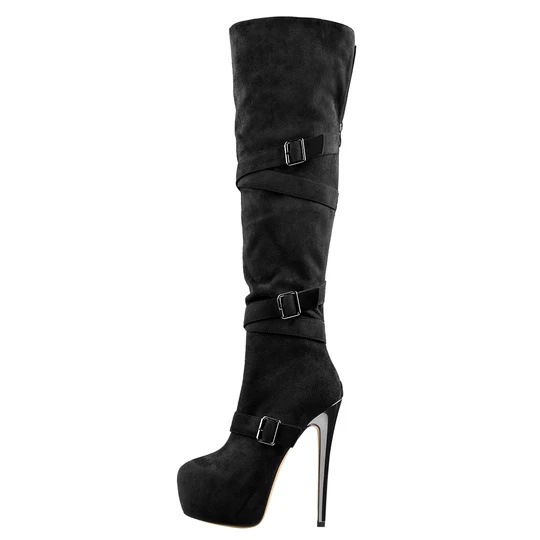
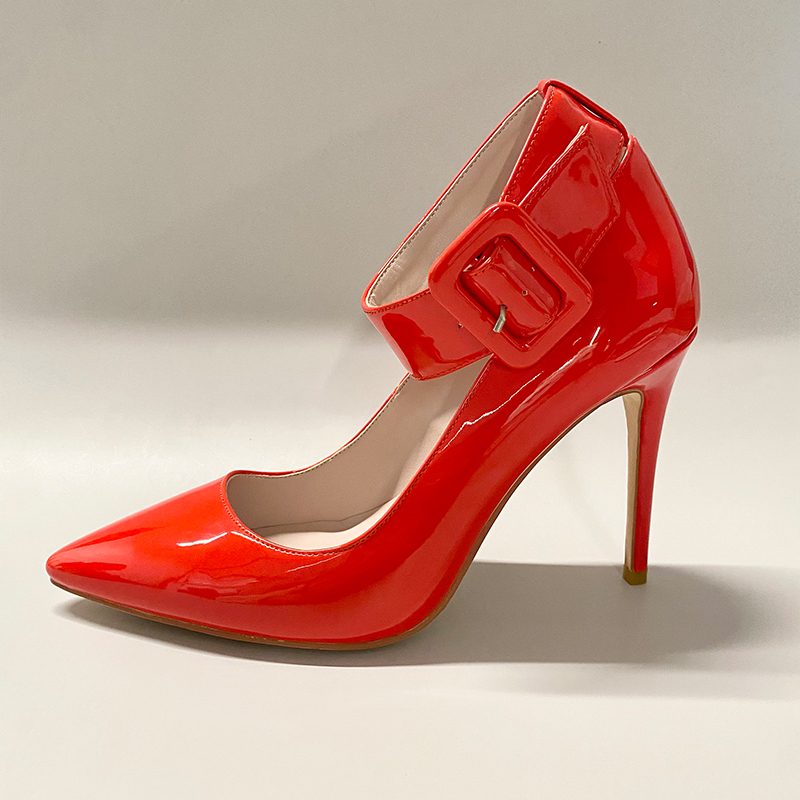

- Related Blog
- Reviews
- Reviews
