
Wholesale Synthetic Leather Backpack - Manufacturer Direct
I bring you a reliable option for your catalog: the {synthetic leather backpack} designed for bulk orders and everyday use. As a direct source, we offer {Wholesale} pricing and fast lead times, with customization to fit your brand. I’m a hands-on {Manufacturer}, with strict quality control, durable PU synthetic leather, reinforced stitching, water-repellent coating, and thoughtful compartment design for laptops and daily gear. You’ll appreciate scalable production, predictable scheduling, and repeatable consignments that meet your store’s demand. I know B2B buyers look for consistency, low defect rates, and clear communication, so I keep lines open from order to delivery. If you need samples, bulk quotes, or private labeling, I’ve got you covered. Company detail: {} I’ll respond promptly to discuss MOQ, pricing tiers, and lead times.

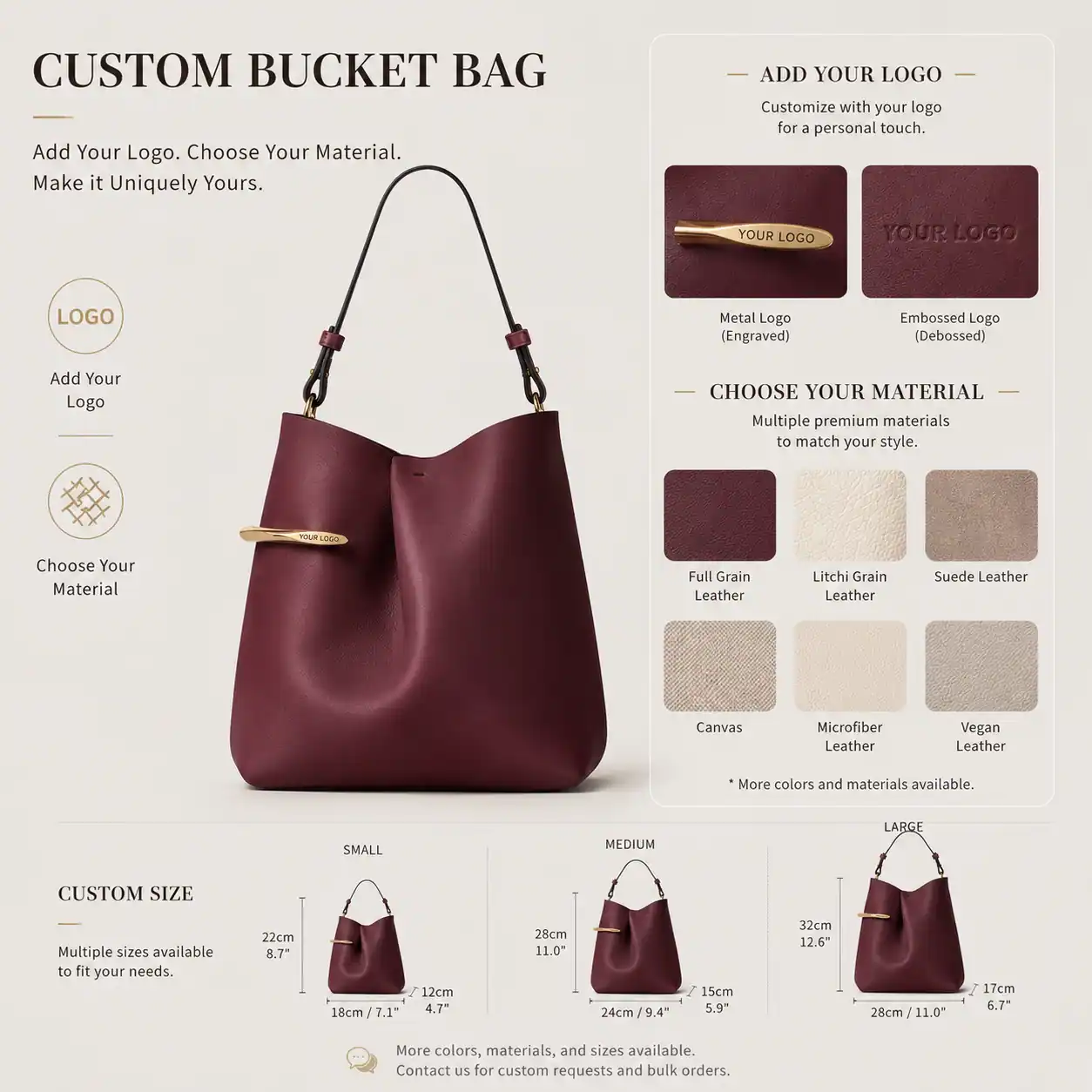
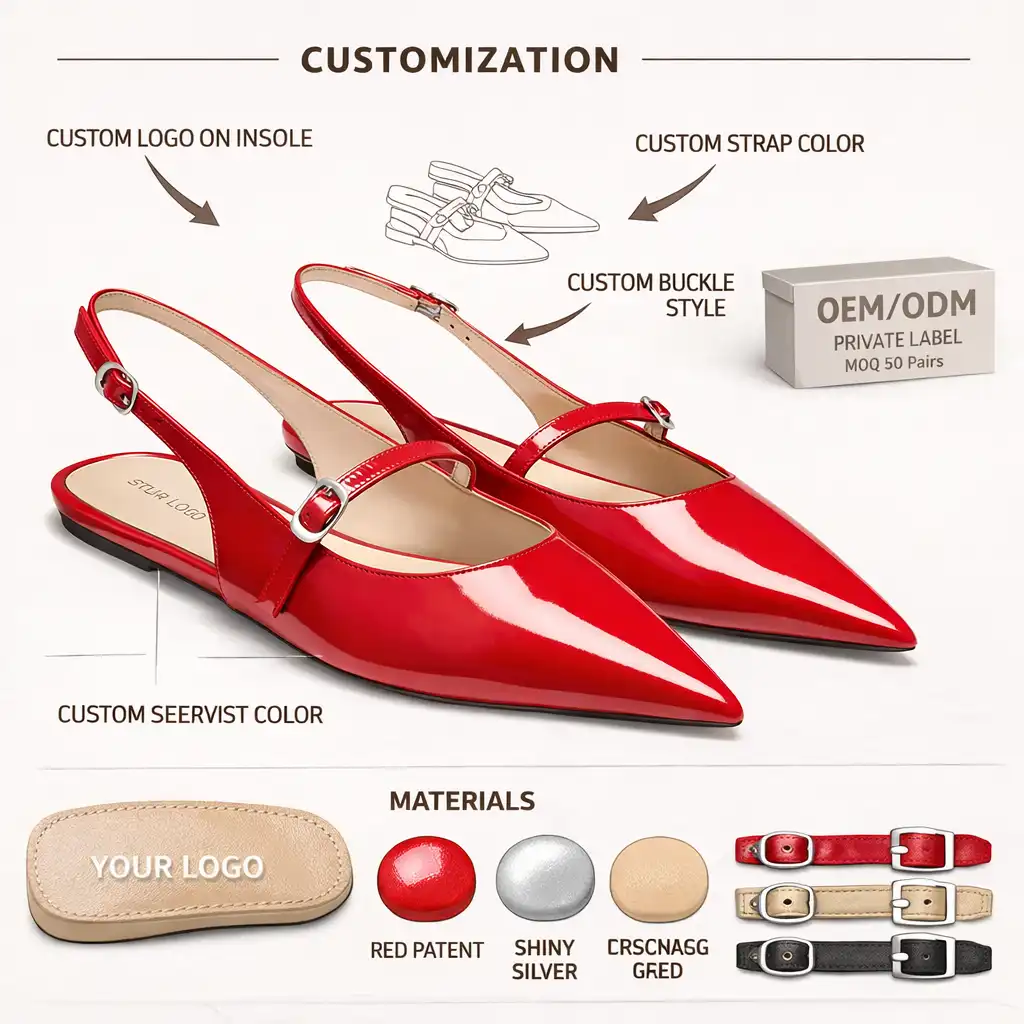
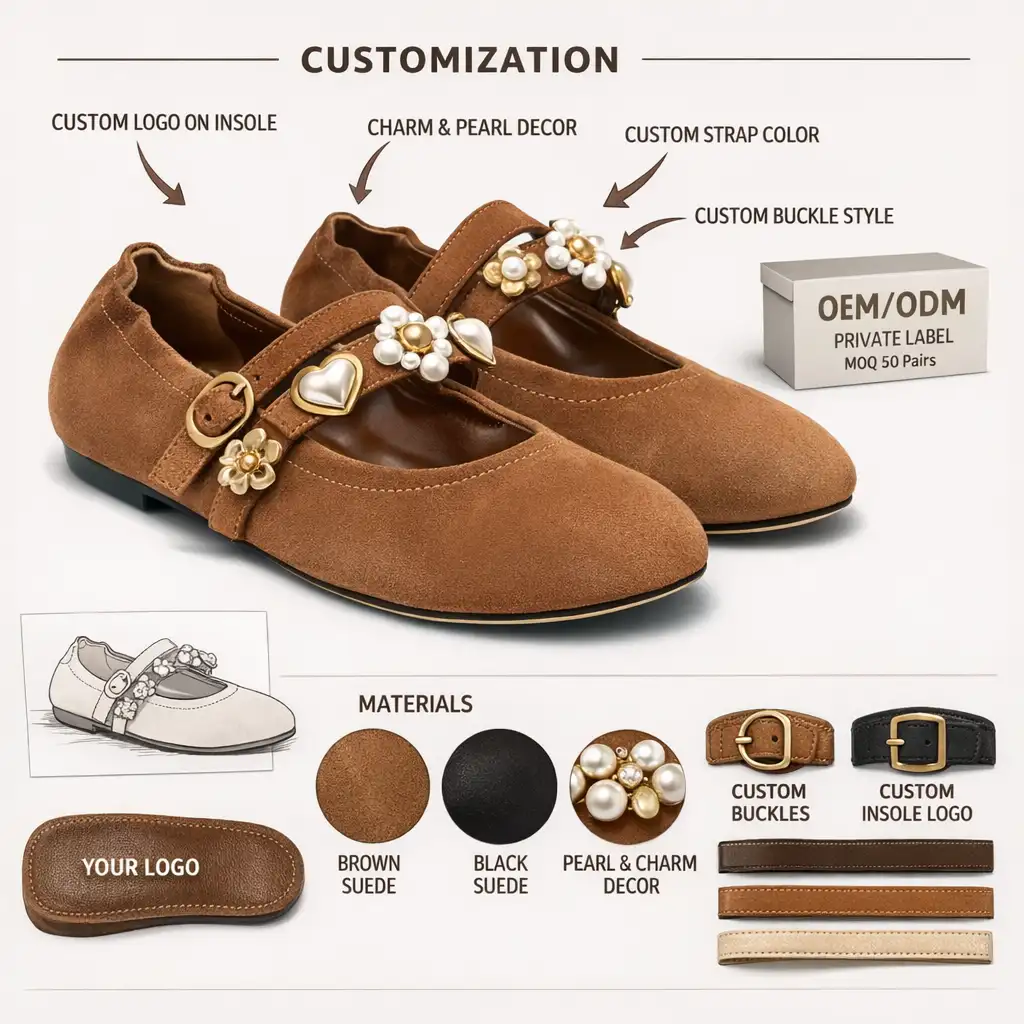
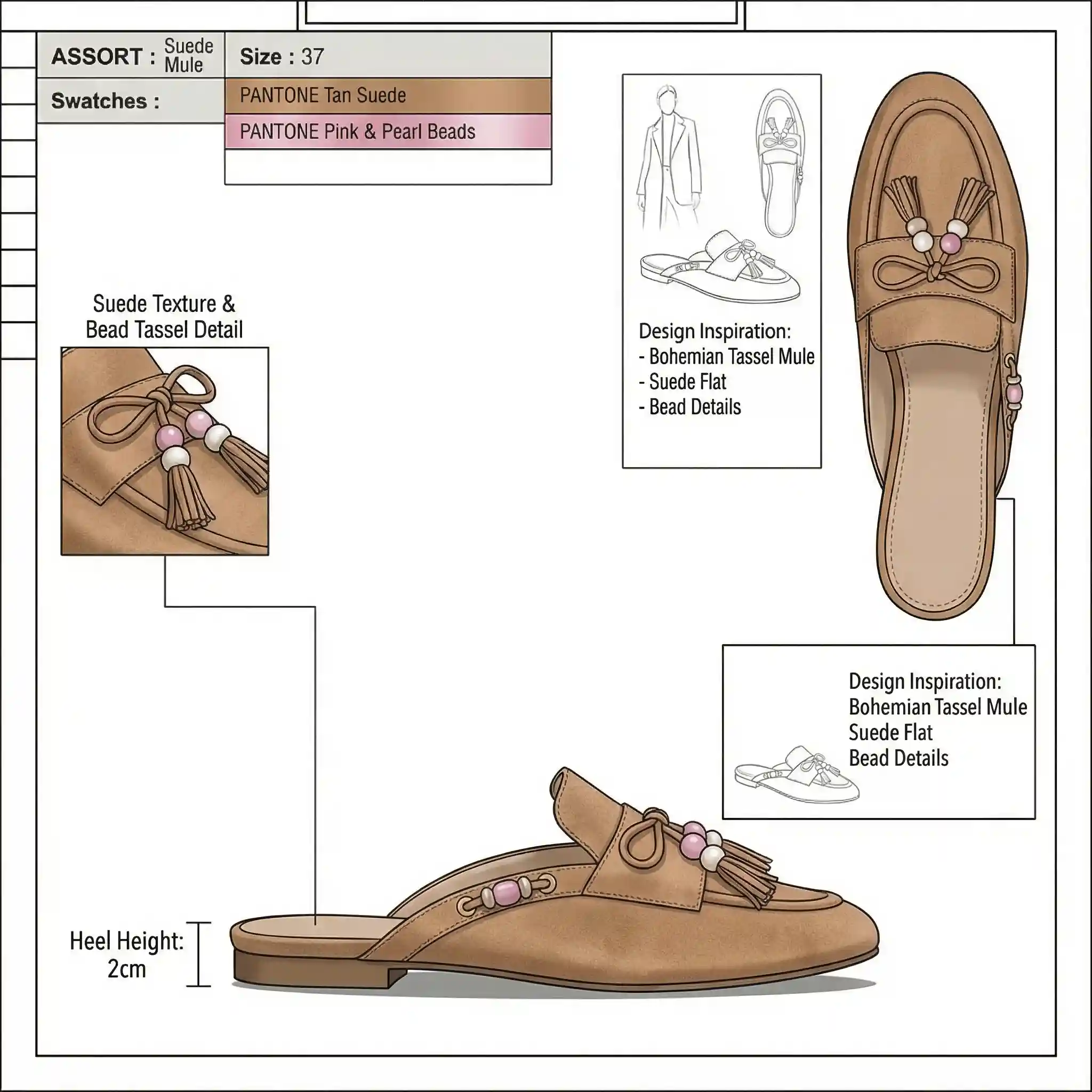
synthetic leather backpack Ahead of the Curve Manufacturers You Can Rely On
From a global procurement perspective, the most forward‑looking synthetic leather backpack manufacturers combine design flexibility with unwavering quality. They invest in material science and testing to ensure PU, vegan, or recycled uppers, water‑based coatings, and durable hardware meet strict standards. In‑house R&D tailors fasteners, padding, stitching, and strap systems; they provide rapid prototyping and clear QC data so you can refine performance and aesthetics before mass production. To rely on a partner as you scale, seek end‑to‑end capability: transparent supply chains, scalable automation, and proactive risk management. Look for OEM/ODM options, flexible MOQs, realistic lead times, batch traceability, and ESG‑oriented practices. A reliable supplier handles concept to packaging and logistics with open communication and on‑time delivery. If you want a partner that stays ahead of trends and upholds quality across volumes, you’ll reduce risk and accelerate time‑to‑market.
{ synthetic leather backpack Ahead of the Curve Manufacturers You Can Rely On }
| Region | Country | Year Established | Certifications | Synthetic Leather Type | Leather Quality Grade | Lead Time (days) | Monthly Capacity (units) | Minimum Order Quantity (units) | Warranty (years) | Factory Size (employees) | Sustainability Rating |
|---|---|---|---|---|---|---|---|---|---|---|---|
| Asia-Pacific | China | 2005 | ISO 9001; ISO 14001; REACH; OEKO-TEX Standard 100 | PU-coated microfiber (PVC-free) | 4.3 | 25 | 120000 | 2000 | 2 | 3500 | 78 |
| Europe | Portugal | 1998 | ISO 9001; ISO 14001; OEKO-TEX Standard 100 | PVC-free PU | 4.0 | 28 | 90000 | 1500 | 3 | 2200 | 82 |
| North America | USA | 2012 | ISO 9001; REACH; CPSIA | PU-based synthetic leather | 4.5 | 20 | 45000 | 1000 | 2 | 1100 | 75 |
| Asia-Pacific | Vietnam | 2010 | ISO 9001; ISO 14001; OEKO-TEX | PU-coated microfiber | 3.8 | 30 | 60000 | 1000 | 2 | 900 | 70 |
| Europe | Türkiye | 2003 | ISO 9001; ISO 14001; REACH | PVC-free PU | 4.2 | 22 | 30000 | 800 | 1 | 700 | 72 |
Related Products


synthetic leather backpack Delivers Unmatched Quality Supplies the World\u2019s Top Brands
Top Selling Products


- Related Blog
- Reviews
- Reviews
