
Women's Boots manufactory Wholesale Manufacturer
I’m part of a dedicated team at a Women’s Boots manufactory that focuses on quality and reliability for wholesale partners. When you choose us as your {Wholesale} supplier, you get sturdy, stylish boots designed for high-volume orders and consistent sizing. As a trusted {Manufacturer}, we blend traditional craftsmanship with modern materials to deliver comfort, durability, and fashion-forward silhouettes across seasons. Our facility keeps strict QC, responsive lead times, and flexible customization—from leather grades and colors to outsole options. We work closely with retailers and brands to ensure your catalog stands out. With efficient shipping, scalable production, and competitive MOQs, you can stock up confidently. I invite you to discuss your demand plan, private label potential, and packaging needs. This is more than footwear—it’s a partnership built on reliability and style for every market you serve.

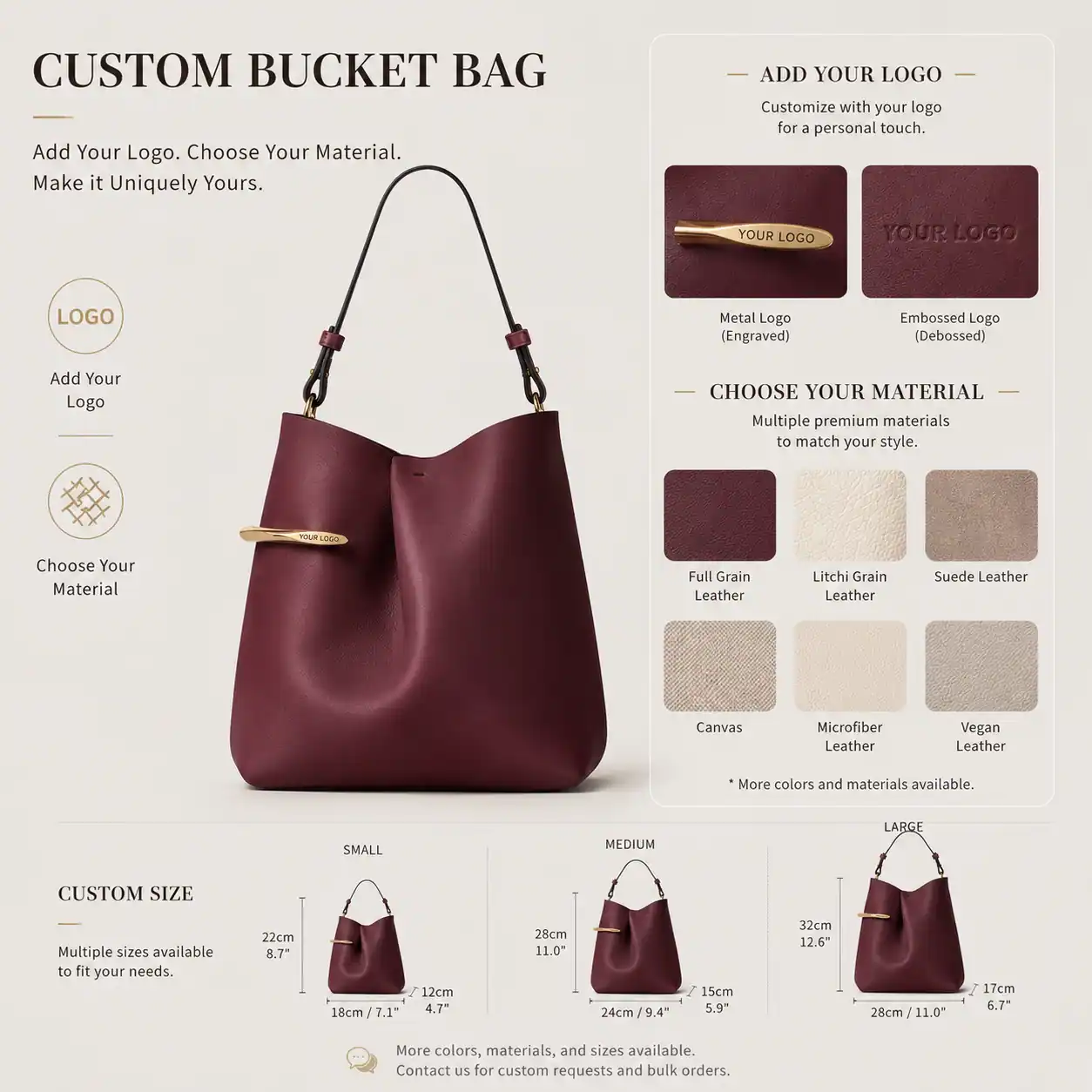
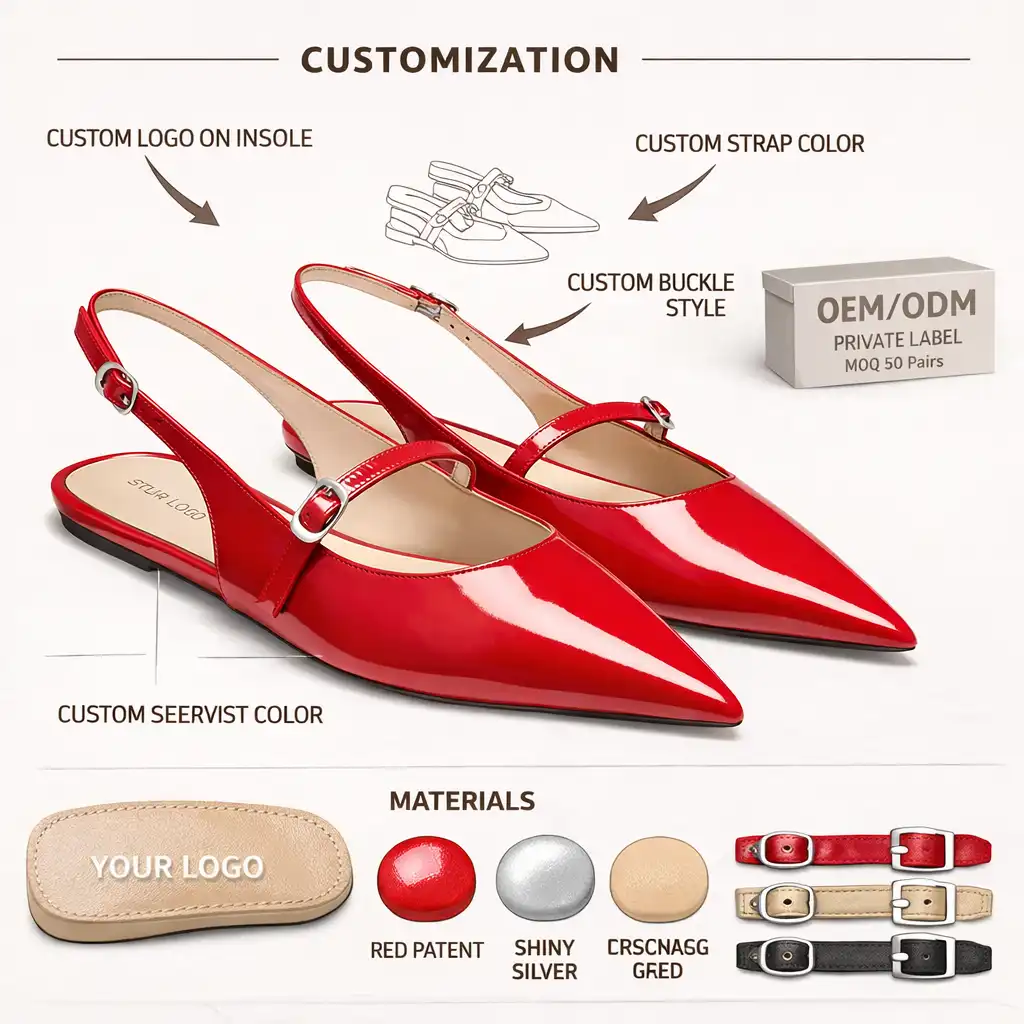
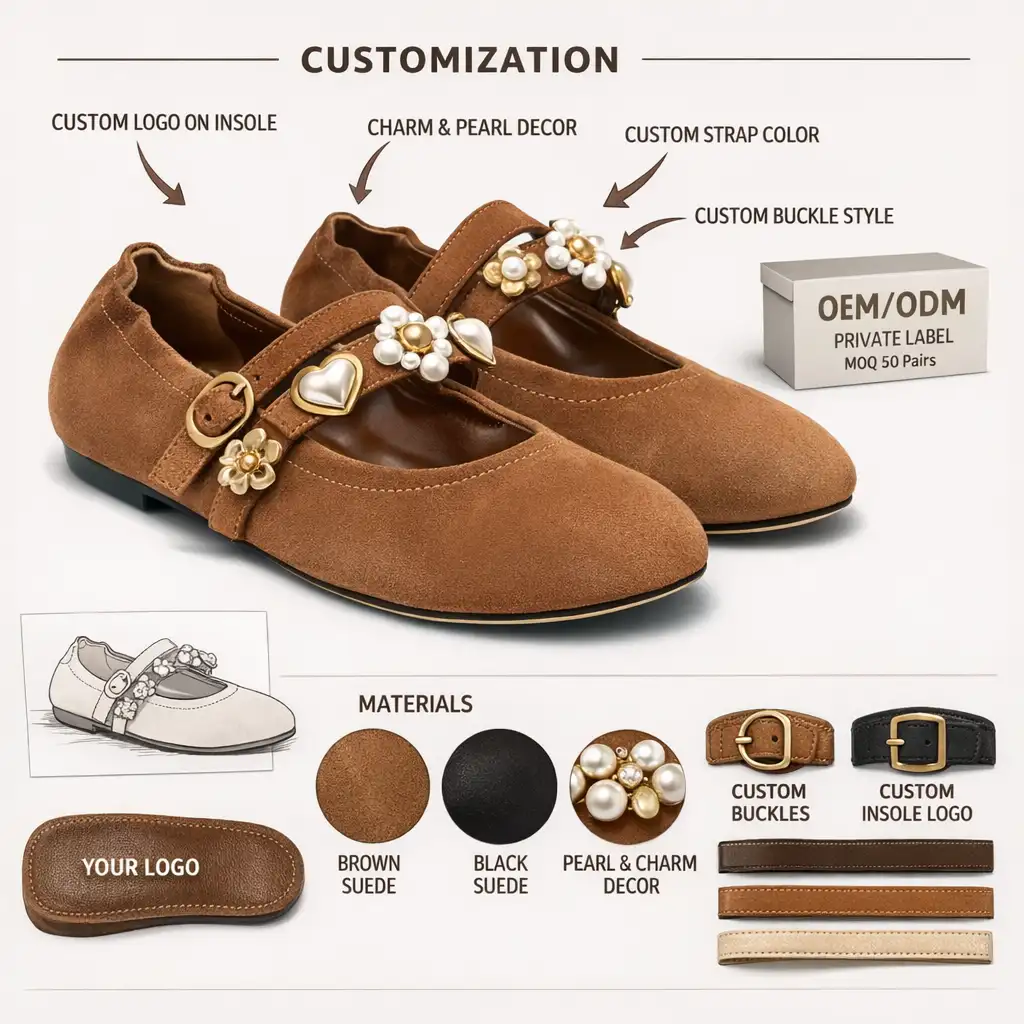
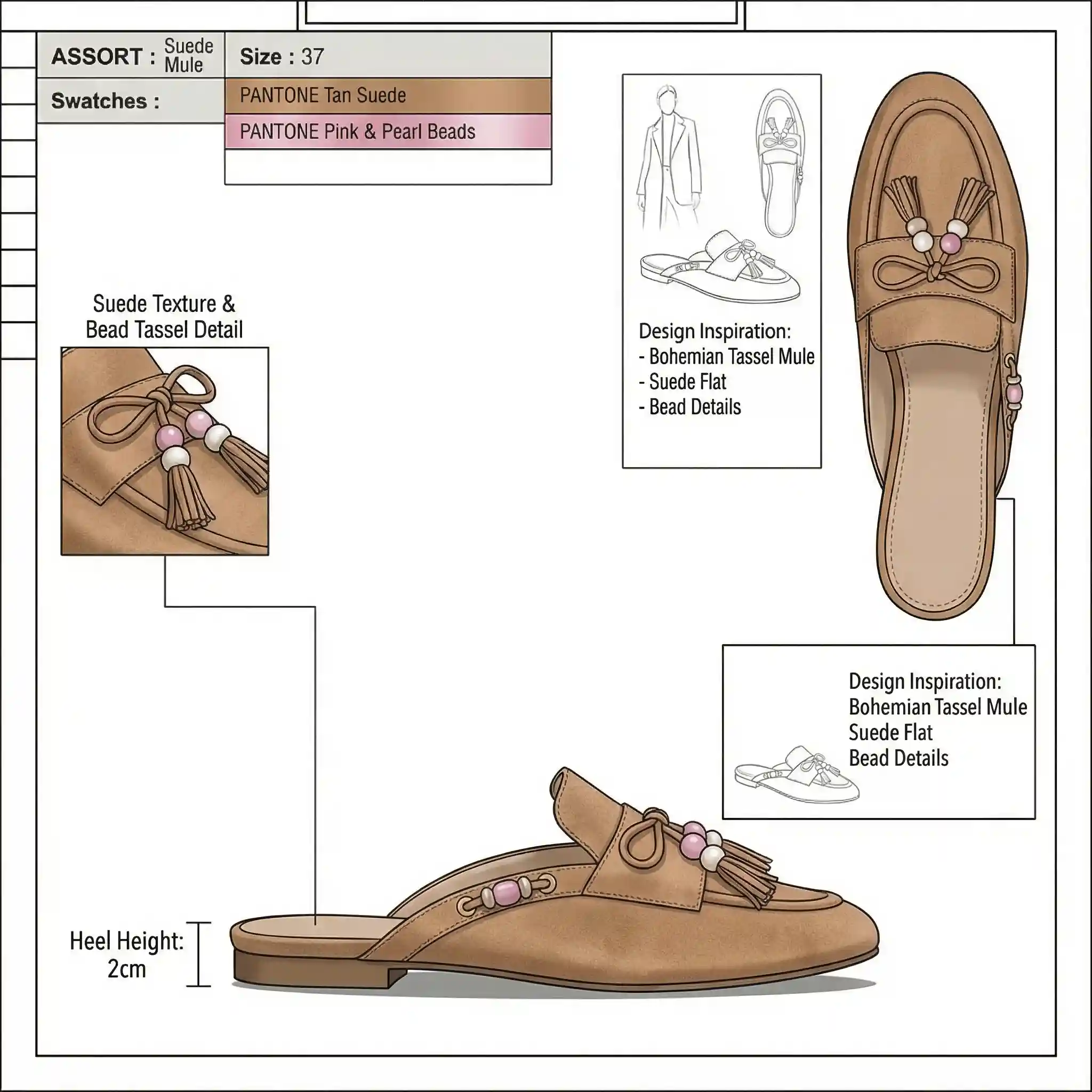
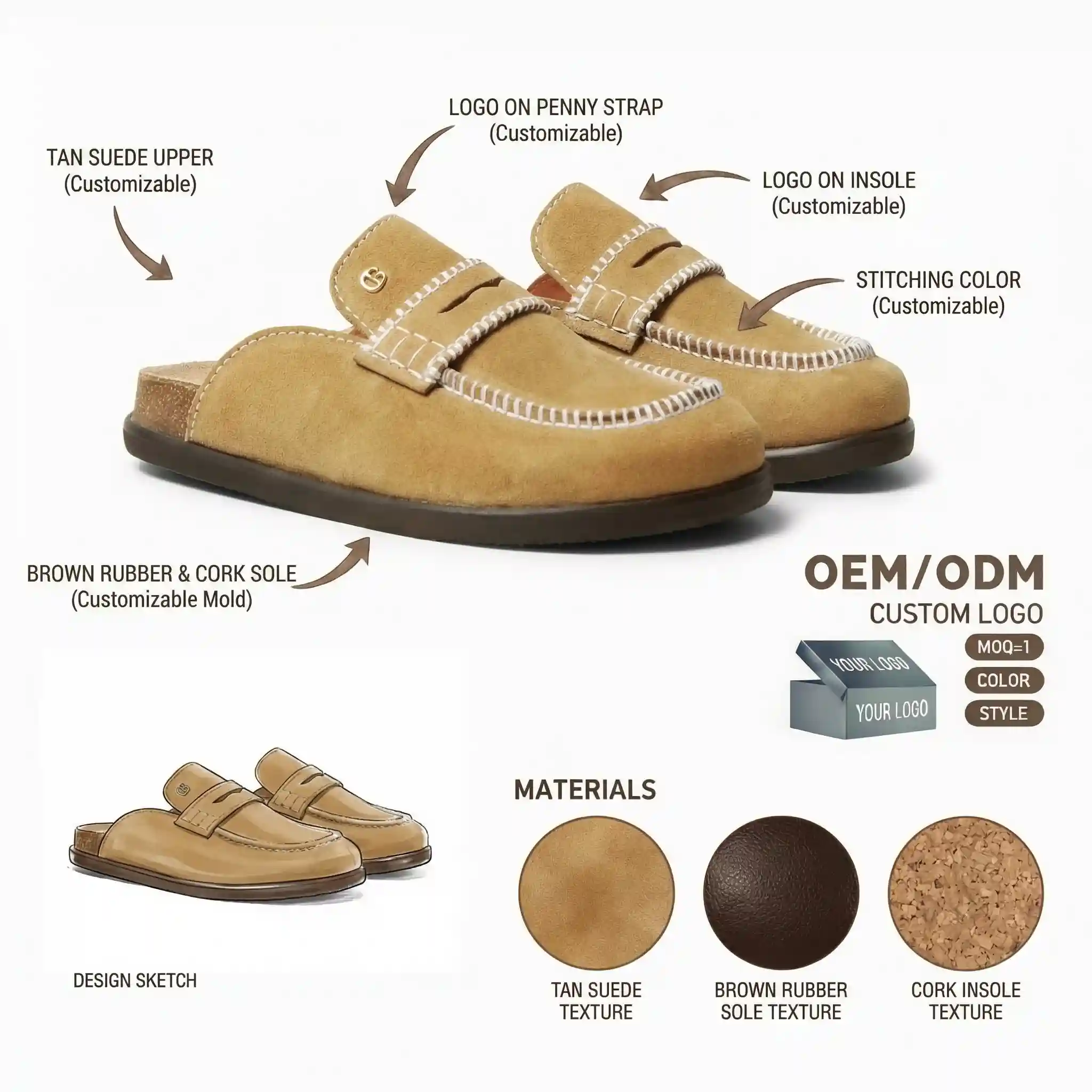
Women's Boots manufactory Market Leader For the Current Year
As a leading women's boots manufacturer this year, we empower global importers with an end-to-end platform from concept to delivery. With steady investment in automation and skilled craftsmanship, we offer versatile lines—from sleek ankle boots to rugged knee-highs—paired with sustainable materials and responsible production. Our design-to-prototype cycle shortens time-to-market, while rigid quality controls ensure consistency across batches. Key advantages for worldwide partners include scalable production capacity, flexible MOQs for early-stage tests, competitive price points, and transparent supply chain traceability. We support customization across uppers, linings, insoles, colors, textures, and branding, plus packaging options aligned with international store requirements. Our operations adhere to global safety and environmental standards, with reliable lead times and robust logistics networks to reach customers on all continents. Partnering with us means a responsive, secure path from concept to storefront, today and into the future.
| Region | Annual Capacity (million pairs) | Actual Output (million pairs) | Market Share (%) | Export Share of Output (%) | Average Lead Time (weeks) | Defect Rate (%) | Workers (thousand) | Automation Index (%) | CSR Score | R&D Spend (USD million) |
|---|---|---|---|---|---|---|---|---|---|---|
| North America | 12.5 | 11.0 | 13.77 | 68 | 6.0 | 0.80 | 25 | 65 | 92 | 240 |
| Europe | 14.8 | 13.2 | 16.54 | 75 | 5.5 | 0.75 | 18 | 68 | 88 | 160 |
| Asia-Pacific | 48.5 | 46.3 | 58.01 | 55 | 4.0 | 0.90 | 70 | 75 | 85 | 420 |
| Latin America | 6.2 | 5.7 | 7.14 | 60 | 6.5 | 1.00 | 6 | 55 | 80 | 60 |
| Middle East & Africa | 3.9 | 3.6 | 4.51 | 62 | 7.0 | 1.20 | 5 | 50 | 78 | 20 |
Related Products


Women's Boots manufactory Manufacturers You Can Rely On Global Reach
Top Selling Products

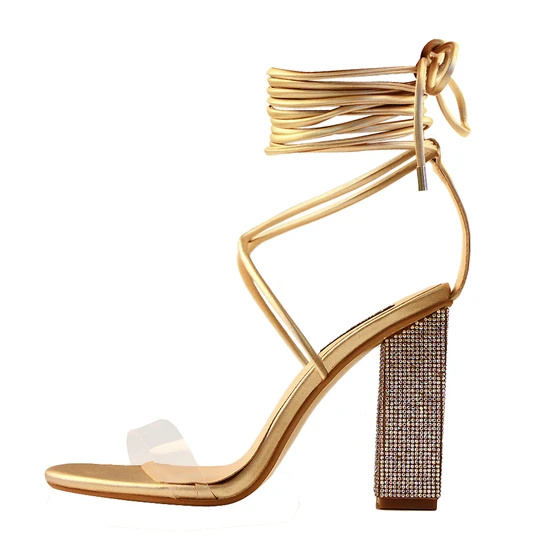
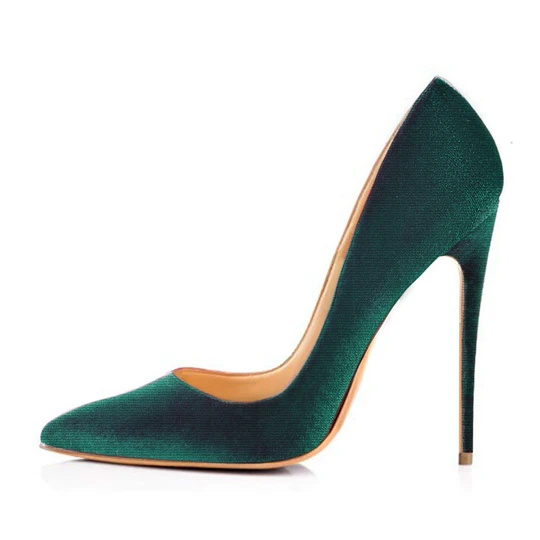

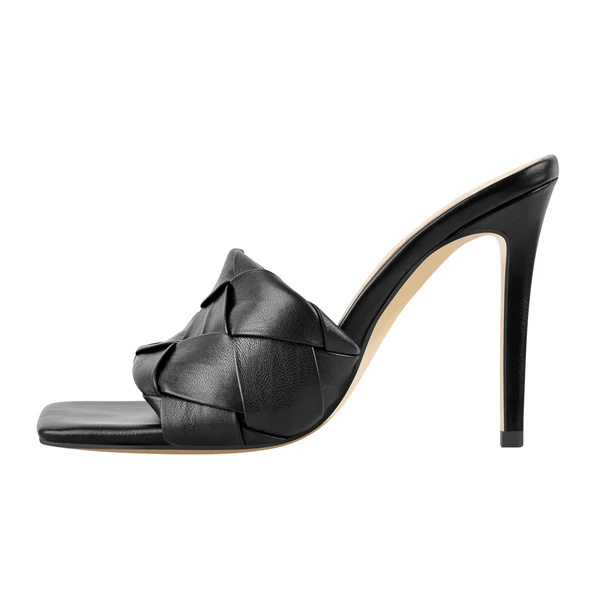

- Related Blog
- Reviews
- Reviews
