
Women's Fashion Boots Manufacturer - Wholesale & Manufacturer Solutions
As a {Women's Fashion Boots Manufacturer}, I take pride in delivering stylish, durable boots to retailers who want dependable {Wholesale} supply and design-forward products. I design and produce in-house, so I can guarantee consistent sizing, leather finishes, and reinforced outsoles. From chic ankle boots to knee-highs, our line blends fashion with comfort: cushioned insoles, breathable linings, and sturdy zippers. For {Wholesale} partners, I offer scalable production runs, flexible MOQs, and accurate lead times, with the option to customize colors, materials, and packaging to fit your brand. As a {Manufacturer}, I control every step—from sourcing ethical leather to QA testing and on-time delivery. We stand behind durability, with competitive pricing and short-term capacity to meet seasonal demand. Partner with us for dependable supply, transparent communication, and a collaborative approach that helps your catalog grow and margins stay strong.


Women's Fashion Boots Manufacturer For the Current Year Exceeds Industry Benchmarks
As global buyers recalibrate their supply chains for the current year, a leading women's fashion boots manufacturer is setting new benchmarks in design, efficiency, and reliability. By pairing fashion-forward silhouettes with durable materials, the operation blends skilled craftsmanship with automated production to deliver stylish boots at scale. With ethical sourcing, traceability, and compliance to international standards, the supply chain remains resilient. Flexible minimums, scalable capacity, and rapid prototyping empower buyers to speed time-to-market while ensuring consistent quality. Key drivers this year include material innovation such as sustainable uppers and recycled insoles, along with in-line quality checks, digital measurement, and 3D scanning that shorten inspection cycles. A streamlined logistics framework further reduces lead times without compromising accuracy, while transparent audits and strong after-sales support cut defect rates and extend product lifecycles. For procurement teams seeking dependable partners, this combination offers trend responsiveness, cost competitiveness, and responsible manufacturing across regional markets.
{ Women's Fashion Boots Manufacturer For the Current Year Exceeds Industry Benchmarks }
| Region | Year | Market Segment | Revenue_USD_Millions | Growth_YoY_Percent | Units_Sold_Thousands | Customer_Satisfaction_Index | OnTime_Delivery_Rate_Percent | New_Product_Launches_Per_Year | Sustainability_Score |
|---|---|---|---|---|---|---|---|---|---|
| North America | 2026 | Online | 320 | 8.5 | 820 | 85 | 94 | 3 | 78 |
| North America | 2026 | Retail | 540 | 9.2 | 1400 | 88 | 92 | 2 | 80 |
| North America | 2026 | Wholesale | 210 | 7.0 | 520 | 82 | 93 | 1 | 76 |
| Europe | 2026 | Online | 260 | 6.8 | 760 | 86 | 95 | 3 | 79 |
| Europe | 2026 | Retail | 430 | 8.3 | 980 | 87 | 93 | 2 | 81 |
| Europe | 2026 | Wholesale | 190 | 7.2 | 520 | 84 | 91 | 1 | 75 |
| Asia-Pacific | 2026 | Online | 480 | 9.5 | 1500 | 89 | 96 | 4 | 83 |
| Asia-Pacific | 2026 | Retail | 360 | 7.0 | 910 | 83 | 90 | 2 | 74 |
| Asia-Pacific | 2026 | Wholesale | 560 | 10.1 | 1650 | 90 | 97 | 5 | 85 |
| Latin America | 2026 | Online | 120 | 5.5 | 520 | 78 | 88 | 1 | 70 |
| Latin America | 2026 | Retail | 180 | 6.0 | 680 | 80 | 92 | 1 | 72 |
| Latin America | 2026 | Wholesale | 70 | 4.8 | 300 | 75 | 85 | 1 | 68 |
| Middle East & Africa | 2026 | Online | 100 | 6.4 | 420 | 82 | 90 | 1 | 73 |
| Middle East & Africa | 2026 | Retail | 140 | 7.9 | 360 | 79 | 88 | 1 | 71 |
| Middle East & Africa | 2026 | Wholesale | 60 | 5.2 | 180 | 81 | 87 | 1 | 69 |
Related Products


Women's Fashion Boots Manufacturer Stands Out Trusted by Pros
Top Selling Products
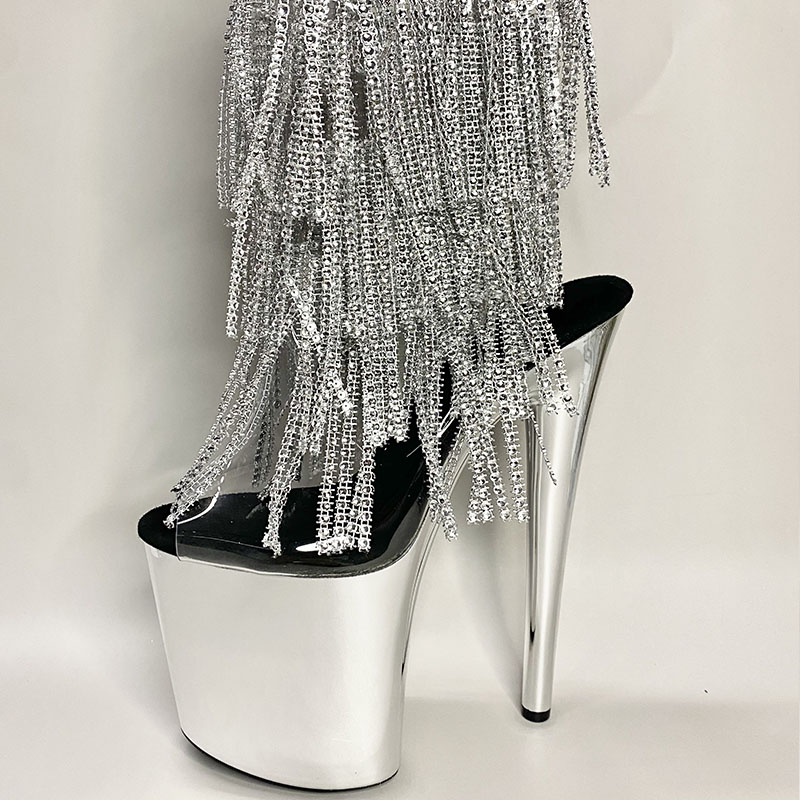

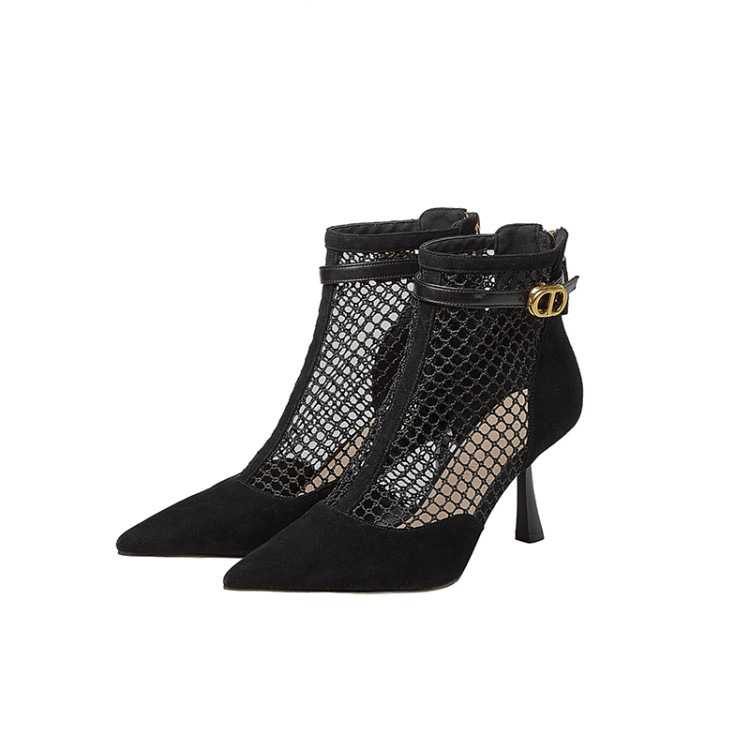
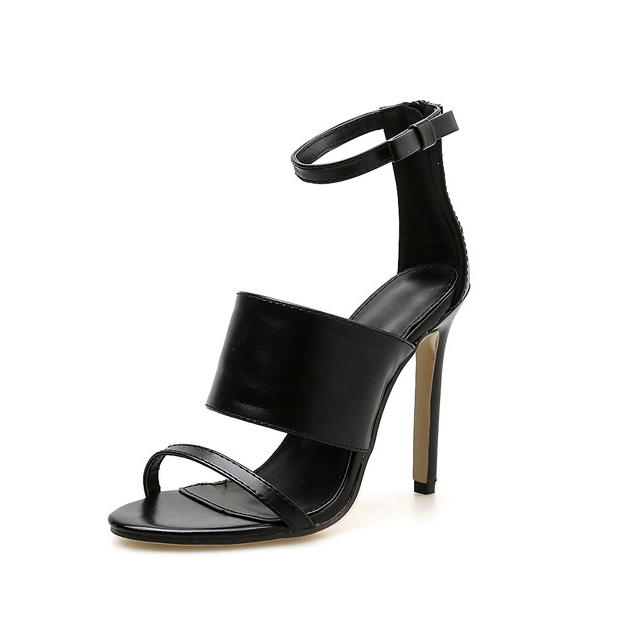


- Related Blog
- Reviews
- Reviews
