
Footwear Design Trends for Wholesale Manufacturers
I am your footwear partner, keeping a sharp eye on Footwear Design Trends so every collection feels fresh and in demand. As a Manufacturer focused on quality and efficiency, I tailor options for Wholesale buyers who need scalable solutions. My latest line blends sustainable materials with ergonomic silhouettes, delivering comfort without sacrificing style. I offer flexible MOQs, rapid prototyping, and colorways aligned with seasonal cues, so your catalog stays current without risk. From concept to production handoff, I provide end-to-end support—ensuring consistency across sizes, trims, and packaging. You’ll get transparent lead times, clear pricing, and QA checks at every stage. If you’re sourcing for Wholesale channels or private label, I adapt to your specs and timelines. Let’s map a plan that fits your distribution, strengthens your catalog, and keeps you ahead in Footwear Design Trends.
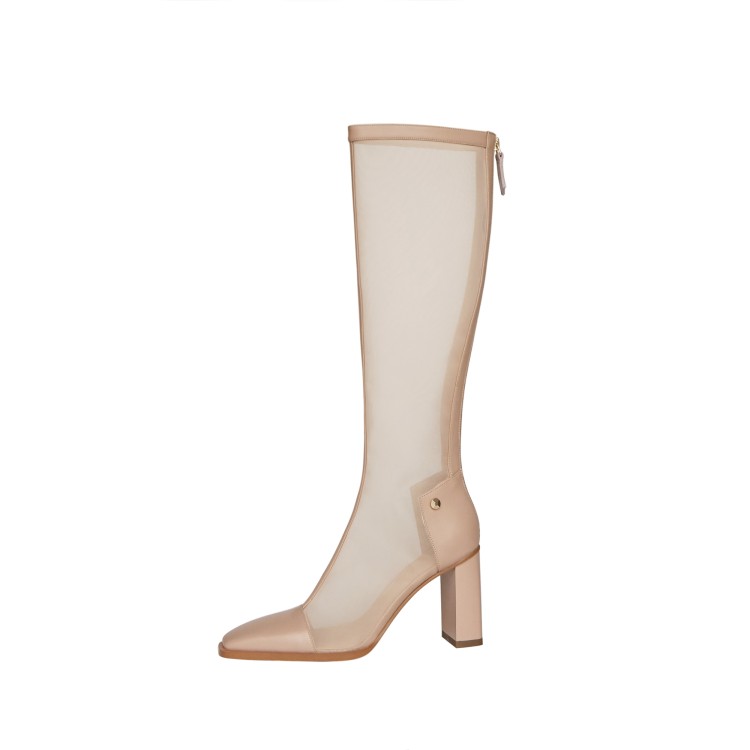
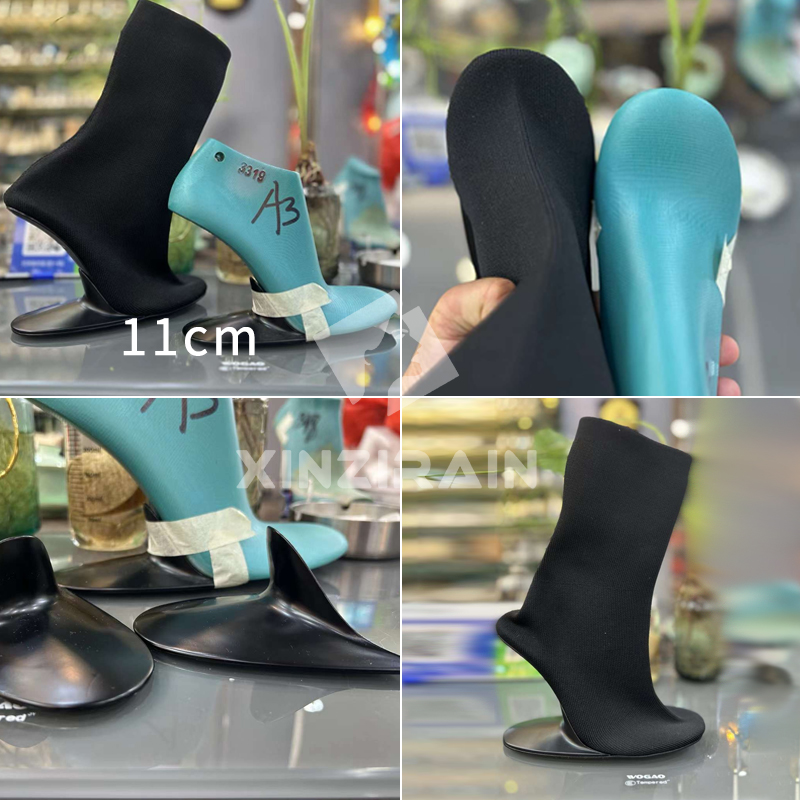


Footwear Design Trends Industry Leaders Manufacturers You Can Rely On
Global buyers are redefining footwear with sustainable, comfort-first design. Recycled and plant-based materials, water-based adhesives, and circular construction cut environmental impact while preserving performance. Ergonomic lasts, lightweight cushioning, and breathable uppers deliver a better fit for diverse feet. Modular silhouettes support multi-market lines, while durable outsoles provide reliable grip. Digital tools—3D CAD, virtual fitting, and rapid prototyping—speed development and reduce costly physical samples. Trusted manufacturers offer end-to-end ODM/OEM, rigorous QA, and transparent certifications across environmental, labor, and safety standards. They provide predictable lead times, scalable production, flexible MOQs, and risk management to weather disruptions. Look for design support, staged testing, fast sampling, and sustainable end-of-life options. Aligning with leaders who combine responsible manufacturing with agile product development helps global buyers secure compliant, stylish footwear at scale.
| Trend Dimension | Description | Adoption Index | Lead Time to Implement (weeks) | Sustainability Focus | Typical Materials |
|---|---|---|---|---|---|
| Sustainable Materials and Circularity | Emphasis on recycled, bio-based, and recyclable components to close the loop in footwear supply chain. | 92 | 12 | High | Recycled polyester, bio-based nylons, algae-based foams, recycled rubber |
| 3D Printing and Parametric Design | Additive manufacturing enables waste reduction and customized geometries for fit and performance. | 78 | 10 | Medium | Nylon 11, PETG, TPU |
| Lightweight and Responsive New Materials | Advanced foams and composites to reduce weight while maintaining durability and support. | 71 | 9 | Medium | EVA alternatives, microcell foams |
| Localized Manufacturing and Nearshoring | Proximity production to shorten lead times and reduce logistics emissions. | 65 | 8 | High | Local recycled rubber, regional natural fibers |
| Multi-Functionality and Modular Design | Interchangeable components enable one shoe to adapt to multiple activities or conditions. | 58 | 11 | High | Interchange modules, modular fasteners |
| Digitalization and Data-Driven Design | Wearable tech integration and performance analytics to tailor products to individual needs. | 83 | 7 | High | Smart textiles, sensors integrated into fabrics |
| Comfort and Ergonomic Fit | Focus on biomechanics, arch support, cushioning alignment for all-day wearability. | 90 | 6 | High | EVA foam, gel, memory foam |
| Weather-Ready and All-Season Performance | Breathable yet water-resistant uppers with temperature-regulating linings. | 60 | 14 | Medium | Waterproof membranes, hydrophobic coatings |
| Transparent Supply Chain and Ethics | Traceability and responsible sourcing across the supply chain to ensure fair labor practices. | 70 | 9 | High | Reclaimed leather alternatives, certified fibers |
| Performance-Driven Aesthetics | High-performance materials with innovative visuals to enhance style and function. | 55 | 8 | Medium | Carbon fiber composites, performance knit |
Related Products


Footwear Design Trends Service Where Service Meets Innovation
Top Selling Products
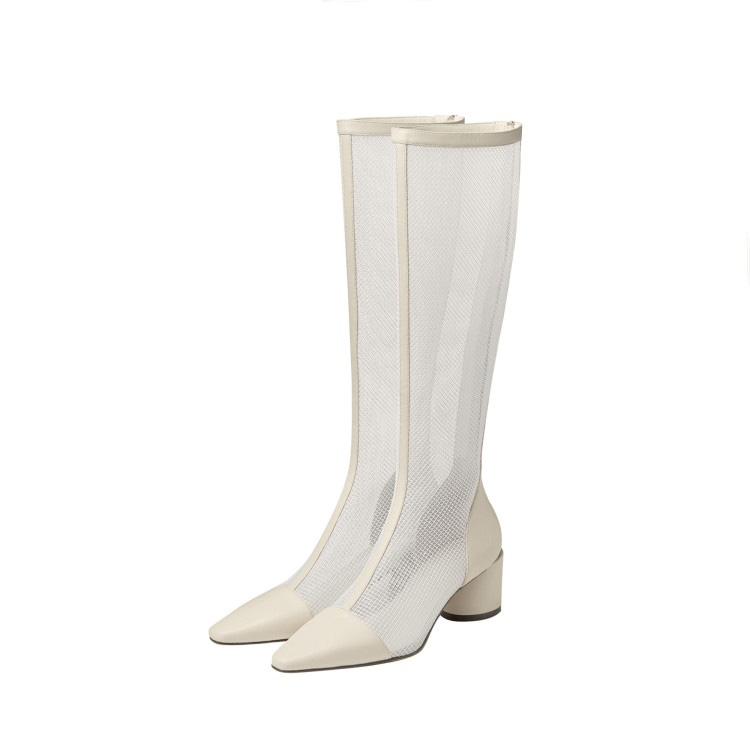
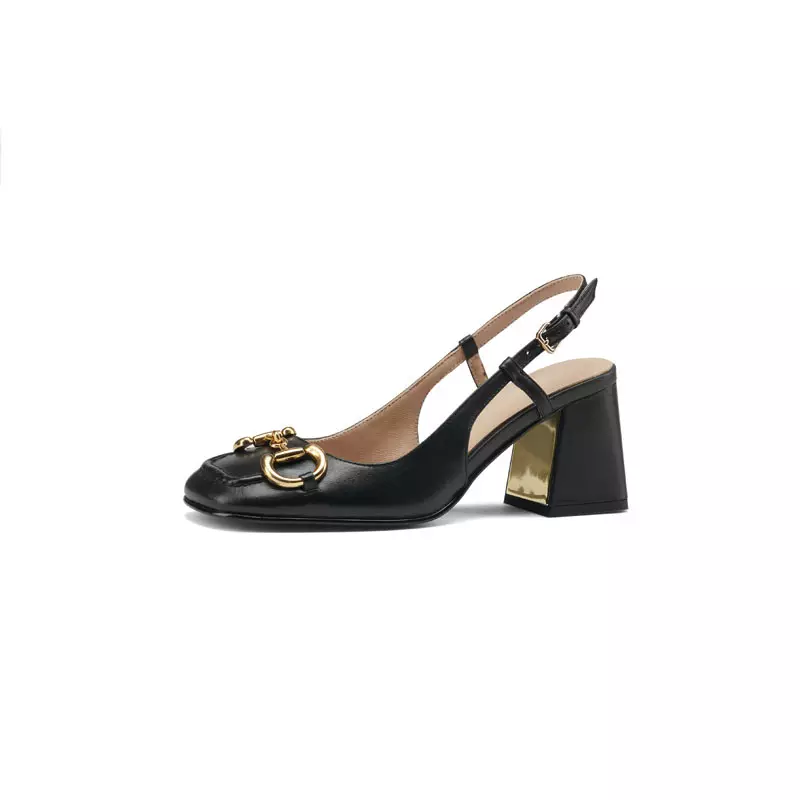
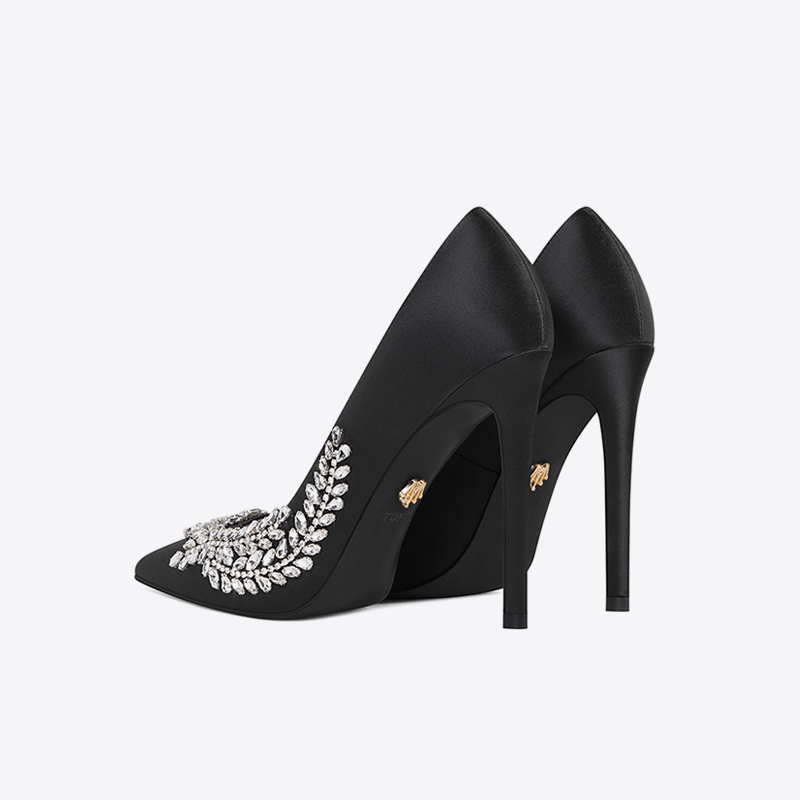
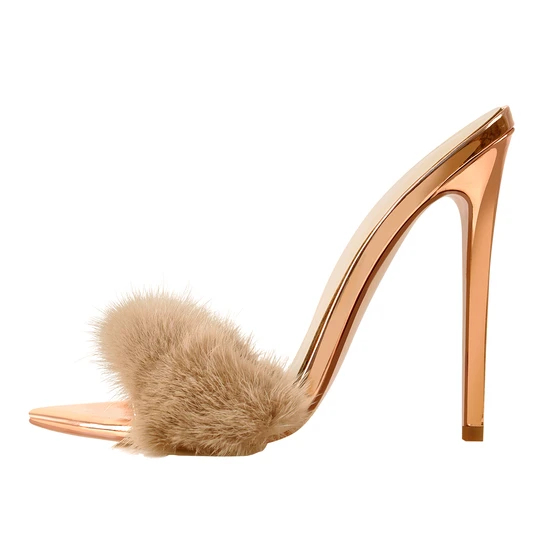
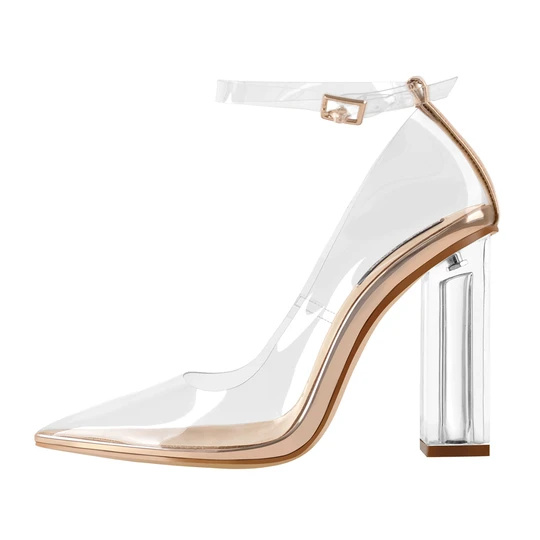
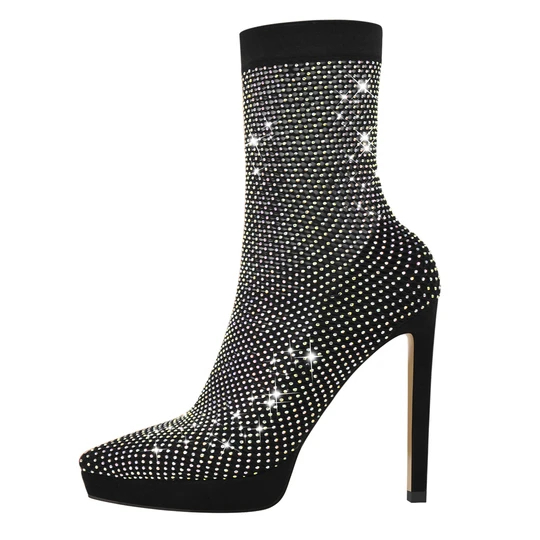



- Related Blog
- Reviews
- Reviews
