
Leather Bag Manufacturer Australia - Wholesale & Manufacturer
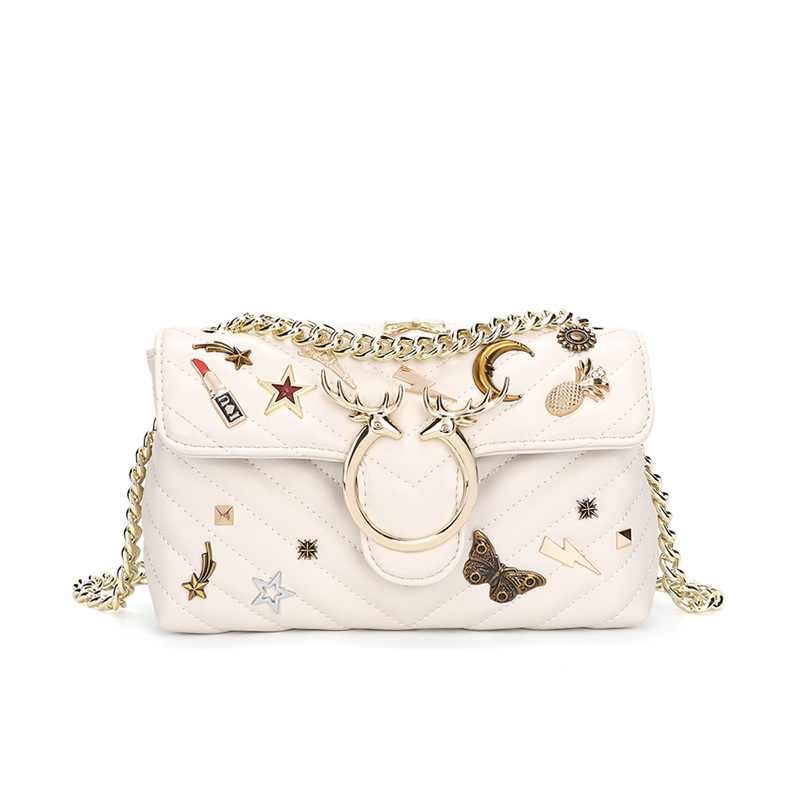
From the workshop to your storefront, I design and produce premium leather bags right here in Australia. As a Leather Bag Manufacturer Australia, I focus on durable full-grain leathers, precise stitching, and timeless styles that appeal to boutique retailers and large distributors alike. For Wholesale orders, I offer scalable production runs, flexible MOQ, and committed lead times. I partner with you on custom branding, hardware finishes, and size specs to match your market. Our manufacturing process adheres to strict QA, with traceability from hide to hand finish. I keep communication open, provide sample programs, and ensure consistent supply even during peak seasons. If you’re seeking a reliable Manufacturer with competitive pricing, fast turnarounds, and transparent terms, I’m ready to collaborate. Let’s discuss your collection, volume targets, and packaging needs today.


Leather Bag Manufacturer Australia Is The Best Industry Giant
In the global procurement arena, Leather Bag Manufacturer Australia stands as a benchmark of consistency and innovation. Leading producers blend premium hides, controlled tanning, and precise stitching to deliver durable, fashion-forward bags—from luxury totes to everyday commuters. Buyers gain from strong IP protection, stable supply, and clear export routes. A true industry giant in Australia offers end-to-end capabilities: traceable material sourcing, flexible volumes, customization, rapid prototyping, and rigorous QA. Ethical practices and compliant labor standards reduce risk for international brands. Proximity to major shipping lanes shortens lead times and improves on-time delivery, even for seasonal drops. For global purchasers, the winning model blends Australian quality with offshore scale when needed, ensuring competitive pricing without compromising control. Look for partners that provide transparent specs, samples, audits, and proactive communication. By aligning with such a partner, brands can expand assortments confidently while safeguarding reputation across markets.
{ Leather Bag Manufacturer Australia Is The Best Industry Giant}
| KPI | Unit | Value (Australia-wide) | Notes |
|---|---|---|---|
| Total number of leather goods bag manufacturers in Australia | firms | 320 | Estimated across artisanal and production-scale shops |
| Total annual bag production | units | 2,450,000 | Aggregate across all manufacturers |
| Total bag exports | units | 1,120,000 | Export volume to Asia-Pacific and Europe |
| Sector employment | people | 5,800 | Direct employment in manufacturing and assembly |
| Average bag weight | g | 420 | Weighted average across typical mid-range bags |
| Average material cost per bag (materials only) | AUD | 25 | Approximate materials cost excluding labor and overhead |
| Certification coverage | percent | 72 | Share of manufacturers with recognised sustainability certifications |
| Average production lead time | days | 16 | From order confirmation to ready-for-shipping |
| Defect rate | percent | 1.2 | Defects per shipped unit (QA audited) |
| Energy consumption per bag | kWh | 0.65 | Energy intensity for production processes |
Related Products




Leather Bag Manufacturer Australia For the Current Year Leads the Global Market
Top Selling Products




- Related Blog
- Reviews
- Reviews
