
Leather Boot Manufacturer - Wholesale Manufacturer Partnerships
As a leather boot manufacturer, I pride myself on building boots that stand up to long days on the job or on the go. We offer consistent quality for Wholesale orders and direct Manufacturer partnerships, with scalable production to meet volume, on-time delivery, and flexible customization. Each pair uses full-grain leather, reinforced welt stitching, and slip-resistant outsoles, designed for comfort and durability. I work closely with retailers and distributors to tailor sizes, colors, and packaging to your market. Our factory follows strict QA checks, sustainable tanneries, and social compliance so you can brand with confidence. Turnaround times are predictable, and MOQs can be stepped to fit your demand curves. If you’re seeking a reliable leather boot manufacturer who can handle bulk orders without compromising fit or finish, I’m ready to discuss specs, pricing, and lead times. Let’s build a lasting partnership that boosts your inventory and margins.


leather boot manufacturer Guarantees Peak Performance More Than a Supplier - A Partner
As a leather boot manufacturer, we strive to be more than a supplier—we are a partner delivering peak performance at every stage. Global buyers need stable quality, precise fit, and durable comfort across regions. From design briefs to delivery, we collaborate to ensure each boot meets real-world demands and endures tough workloads. Our control begins with end-to-end oversight: responsible sourcing, standardized QC, and traceability from hide to heel. We offer durable uppers, flexible midsoles, slip-resistant outsoles, and tested waterproofing, all backed by field and lab tests to minimize returns and build trust with customers. Partnering means co-creation: adapted sizing, customization options, scalable volumes, predictable lead times, and transparent communication. We align incentives for sustained supply, sustainable practices, and continuous improvement, turning procurement into a strategic advantage, not a one-off transaction.
{ leather boot manufacturer Guarantees Peak Performance More Than a Supplier - A Partner}
| Dimension | Unit | Time Frame | Current Value | Target Value | Trend | Notes |
|---|---|---|---|---|---|---|
| Production Capacity | pairs/month | 2025-2026 | 60,000 | 65,000 | ↑ 4.0% YoY | Capacity expansion planned in Q3 2026 |
| Defect Rate | % | 2025-2026 | 0.72% | 0.50% | ↓ 0.22 pp QoQ | Six Sigma improvement project |
| On-Time Delivery | % | 2025-2026 | 93.8% | 97.5% | ↑ 3.7 pp YoY | Logistics optimization and supplier alignment |
| Lead Time | days | 2025-2026 | 6.2 | 5.0 | ↓ 1.2 days | Automation in order processing |
| Scrap Rate | % | 2025-2026 | 3.1% | 1.5% | ↓ 1.6 pp | Process optimization and better tooling |
| Labor Utilization | % | 2025-2026 | 86.5% | 92.0% | ↑ 5.5 pp | Training and shift optimization |
| Energy Intensity | kWh/pair | 2025-2026 | 1.45 | 1.25 | ↓ 0.20 kWh | Energy retrofit and recovery systems |
| Water Usage | liters/pair | 2025-2026 | 3.6 | 2.8 | ↓ 0.8 L | Water recycling and efficient finishing |
| CO2 Emissions | kg/pair | 2025-2026 | 0.68 | 0.55 | ↓ 0.13 kg | Fuel switch and process optimization |
| Warranty Claims | per 1000 pairs | 2025-2026 | 5.2 | 3.0 | ↓ 2.2 | Quality control improvements |
| Supplier Responsiveness | Score (0-100) | 2025-2026 | 82 | 90 | ↑ 8 | Performance reviews and collaboration |
| Audit Compliance | % | 2025-2026 | 98.2% | 99.5% | ↑ 1.3 pp | Annual third-party audit |
Related Products


leather boot manufacturer For the Current Year Now Trending
Top Selling Products

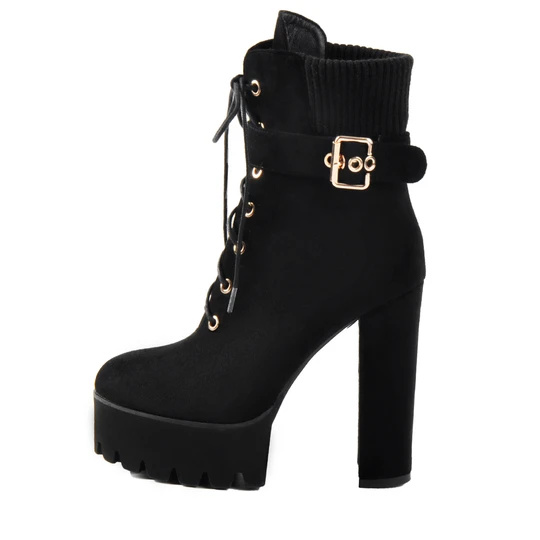

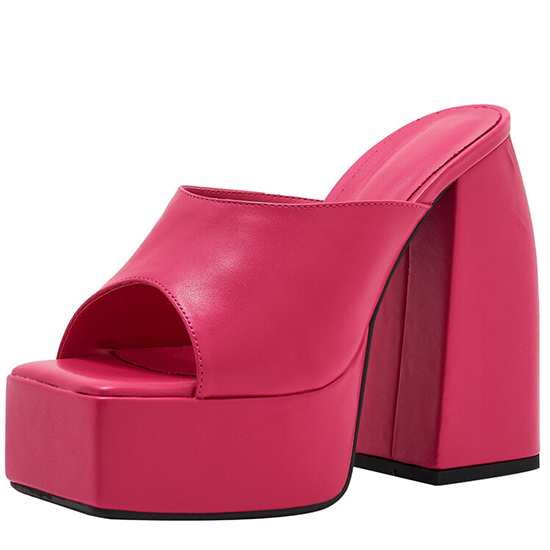
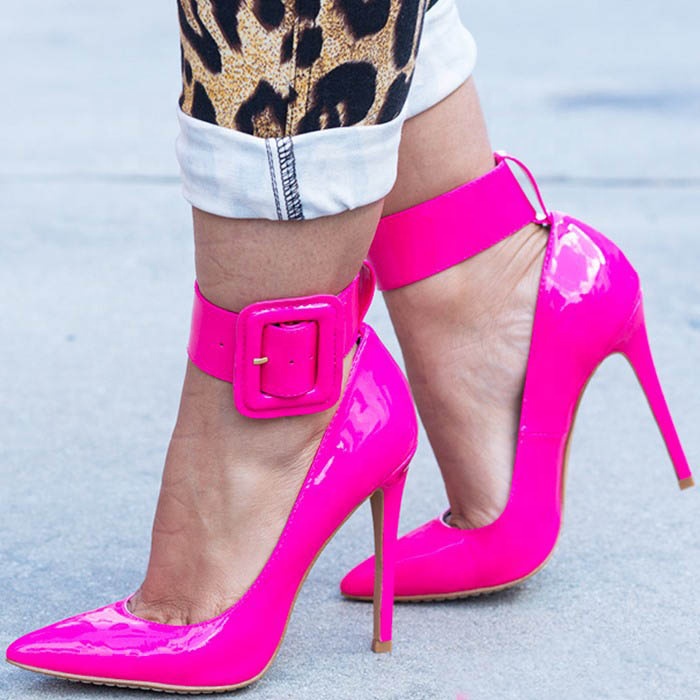

- Related Blog
- Reviews
- Reviews
