
Private Label Shoe Factory - Wholesale Manufacturer for Footwear
We are a private label shoe factory dedicated to turning your brand into a market-ready line. As a Wholesale partner, you’ll find end-to-end OEM/ODM support—from design and material selection to labeling, packaging, and fulfillment. I personally oversee every step to ensure strict QC, accurate sizing, and dependable lead times. Our factory handles a wide range of styles—from athletic to casual and formal—using sustainable leathers, knit uppers, and eco-friendly soles. Minimums are flexible, and we scale production to fit your growth, with fast reorders and consistent quality. We offer private labeling, custom insoles, hangtags, barcodes, and branded packaging tailored to your market. We ship worldwide and support flexible MOQ, container or mixed-color orders. If you’re a Manufacturer seeking a trusted partner to expand your catalog, I’m ready to align with your specs, timelines, and margins, delivering footwear that resonates with your customers and boosts your wholesale success.


private label shoe factory For the Current Year Your End-to-End Solution
For global buyers seeking a streamlined private-label shoe program this year, an end-to-end factory partner can turn concept into delivery quickly. By unifying design, prototyping, sourcing, tooling, production, and logistics under one roof, you gain faster timelines, IP protection, and consistent quality. An integrated approach covers: design and 3D modeling with fit testing; rapid prototypes and samples; ethical sourcing and supplier audits; tooling, size grading, and production planning; inline quality control; packaging, branding support, and labeling compliance; and global logistics with clear documentation. Benefits include shorter time-to-market, scalable production, and cost efficiency from optimized tooling and procurement. You gain access to sustainable material options and robust traceability. With an end-to-end partner, buyers can focus on market strategy while maintaining a compliant, resilient supply chain in a dynamic footwear market.
| Dimension | Description | 2026 Value | 2025 Value |
|---|---|---|---|
| Annual Production Capacity (Pairs per Year) | Maximum finished shoe units producible under standard operations with current lines and staffing | 1,200,000 | 1,150,000 |
| Lead Time (Days) | End-to-end turnaround from order placement to shipment readiness | 18 | 21 |
| Defect Rate | Percentage of units failing QA checks during final inspection | 0.9% | 1.4% |
| On-Time Delivery Rate | Percentage of orders delivered by the promised date | 97.5% | 95.0% |
| Labor Cost per Pair (USD) | Average direct labor cost allocated per pair produced | 2.70 | 3.10 |
| Energy Consumption per Pair (kWh) | Total energy use associated with producing one pair | 4.2 | 4.7 |
| Automation Level | Overall automation maturity of production lines | High | Medium-High |
| Number of Contracted Suppliers | Count of suppliers providing components and materials | 28 | 25 |
| Average Order Size (Pairs per Order) | Mean quantity of pairs per client order | 480 | 460 |
| CO2 Emissions per Pair (g) | Estimated greenhouse gas emissions per produced pair | 130 | 150 |
| Water Usage per Pair (Liters) | Water consumption attributed to producing one pair | 22 | 25 |
| Certifications | Quality and environmental management certifications held | ISO 9001; ISO 14001 | ISO 9001 |
Related Products


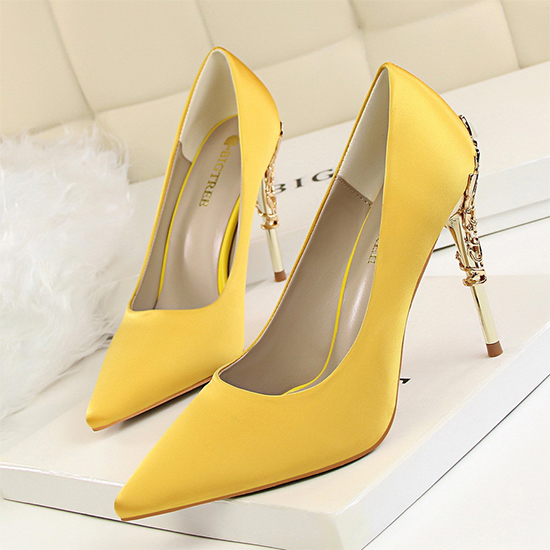
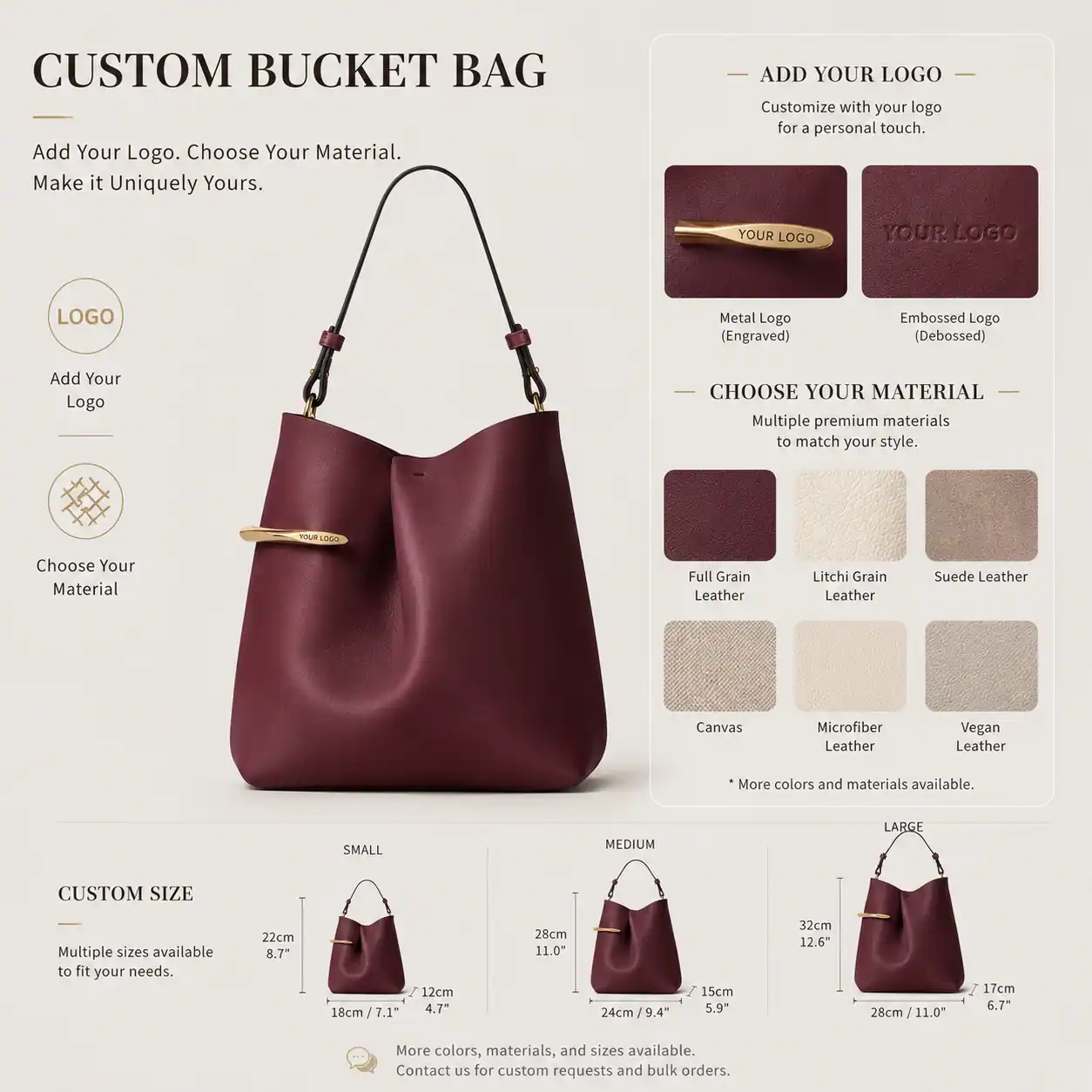
private label shoe factory Manufacturer Where Innovation Meets 2025
Top Selling Products
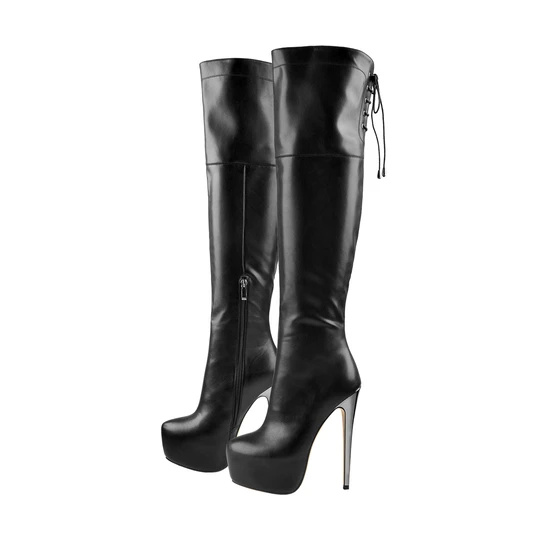

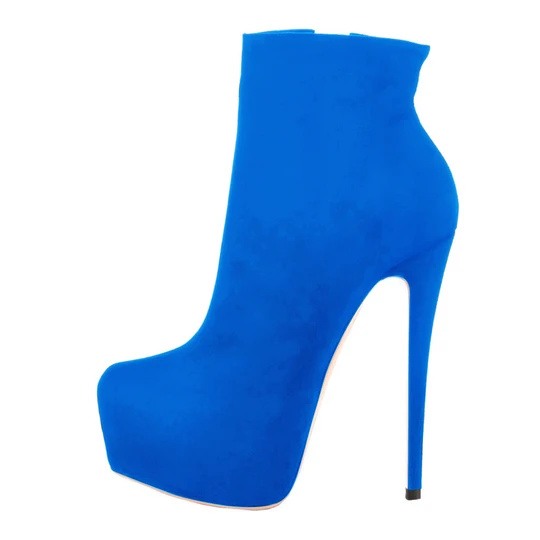
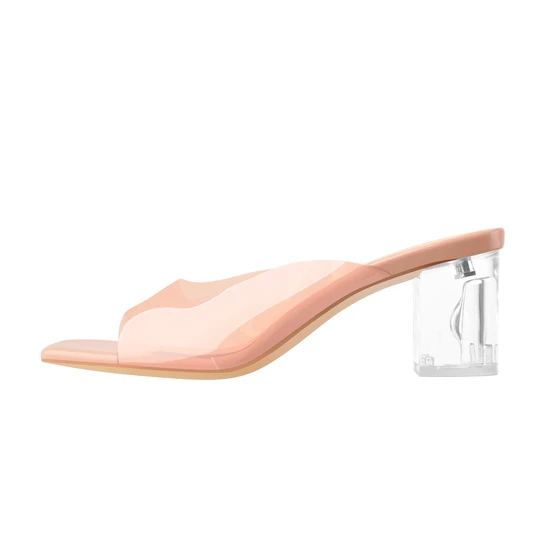
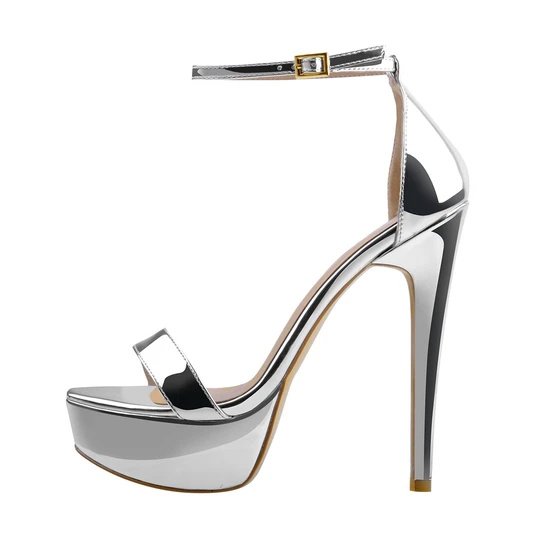
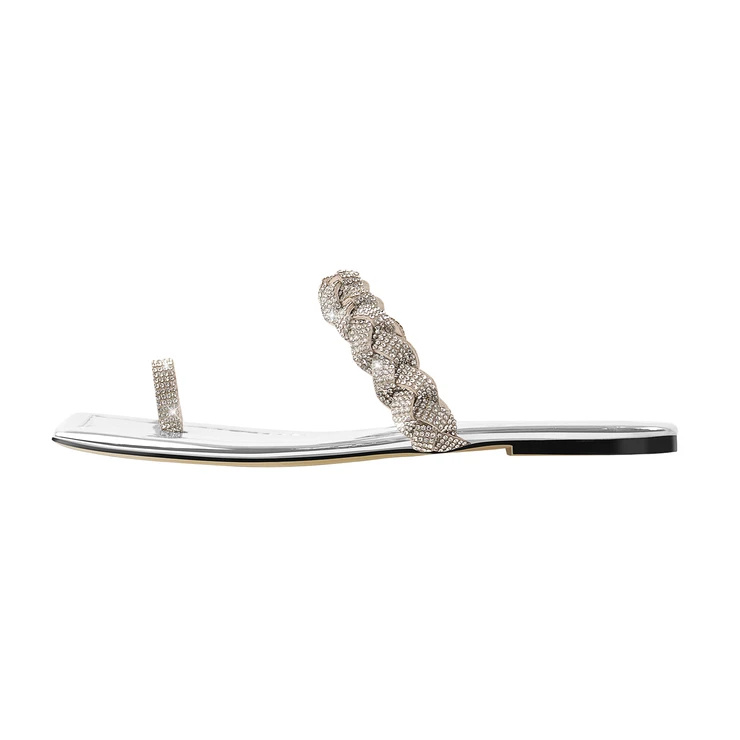
- Related Blog
- Reviews
- Reviews
