
Bespoke Ankle Boots - Wholesale Manufacturer for Custom Boots
We're a skilled Manufacturer focused on Wholesale partnerships, and we craft bespoke ankle boots that meet exacting B2B standards. We work directly with buyers to tailor leather, lining, colors, heel heights, and sole types, and we manage size grading for bulk production. Our process emphasizes precision, comfort, and durable construction, whether it's stitched or moccasin-style interiors. Turnaround: samples in 2–3 weeks, bulk orders in 4–6 weeks, depending on customization. Minimum order quantity is negotiable for wholesale accounts. We offer flexible packaging, brand labeling, and consistent QC checks to ensure batch consistency. You’ll get reliable lead times, scalable capacity, and clear communication from order to delivery. Partner with us for a steady supply of premium bespoke ankle boots that strengthen your catalog and margins. We stay responsive to market trends and provide competitive pricing as a wholesale manufacturer.


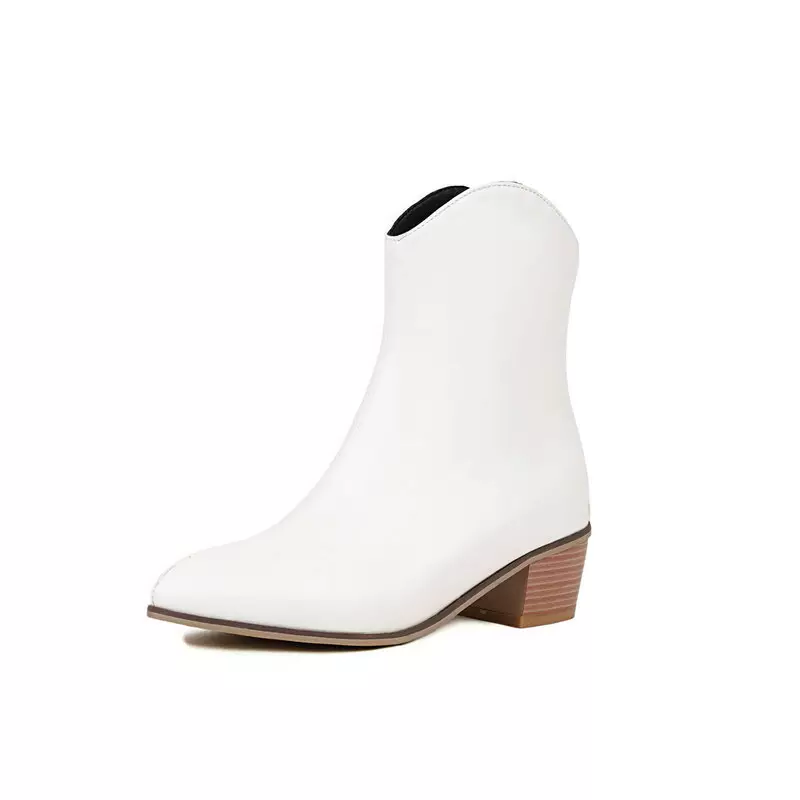
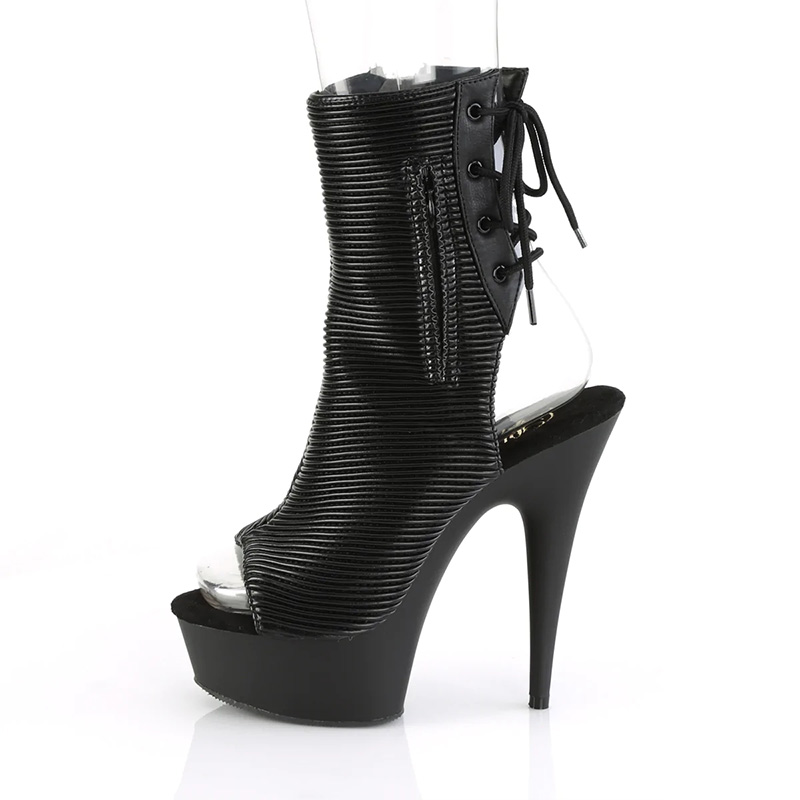
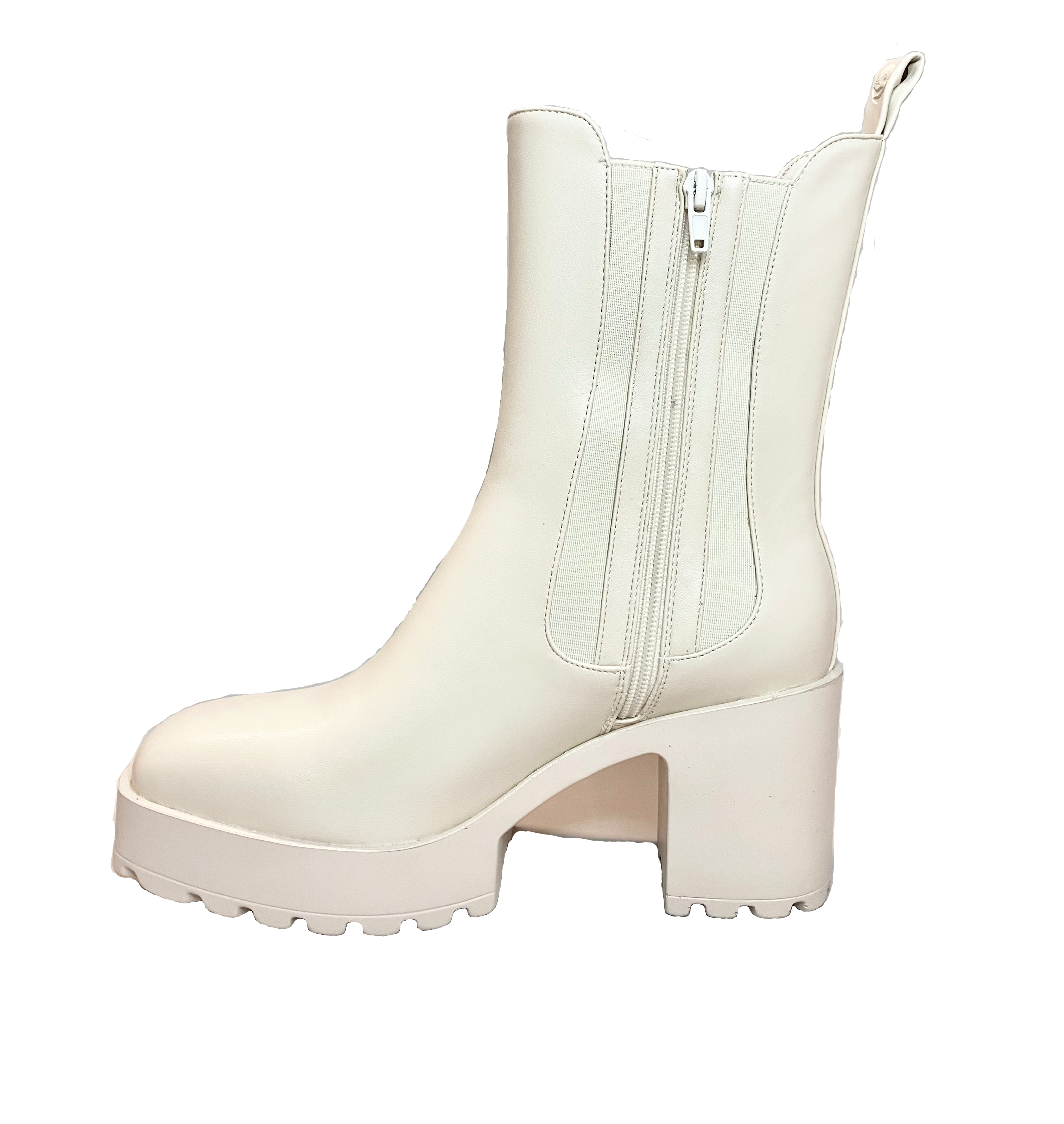
bespoke ankle boots Is The Best Pioneers in the Field
Bespoke ankle boots are at the forefront of footwear and pioneers in the field, blending time-honored craft with modern fit science. From design intent to finished product, each pair can be tailored to foot shape, width, heel height, toe box, leather grade, and sole type. By pairing artisanal handcraft with digital prototyping and rigorous fit testing, we deliver a made-to-measure experience that remains scalable for global orders. For international buyers, the production framework supports ODM and OEM partnerships with flexible minimums, transparent sourcing, and strict quality control. We offer reliable lead times, packaging and labeling options, and sustainable practices that trace materials and ensure responsible production. Whether refreshing a premium line or launching a new capsule, bespoke ankle boots deliver comfort, durability, and a compelling brand story across markets.
| Dimension | Aspect | Example Data |
|---|---|---|
| Field Milestones | Era and Evolution | Origin of bespoke bootmaking in the 19th–early 20th century, with modern standards developing in the late 20th century. |
| Materials | Leather & Linings | Full-grain leather, suede, calfskin lining; sole options include leather and rubber. |
| Construction | Techniques | Hand-stitched Goodyear welt or Blake stitch; resoling; detailed burnishing. |
| Customization Options | Fit & Style | Tie-toe shapes (round, almond, square), toe cap, heel height, width fittings, lining color, stitching color, decorative perforations. |
| Sizing & Lasts | Sizing | EU/UK sizing with multiple lasts; ranges 36–46; half sizes available; standard and wide fits. |
| Lead Time | Production | Typically 4–6 weeks after measurements and material selection; rush options may apply. |
| Geographic Presence | Market Coverage | Served globally, strong markets in Europe and North America; workshops in Europe and Asia. |
| Sustainability & Certifications | Standards | Leather traceability, compliance with responsible sourcing standards, EMS adoption where applicable. |
| Aftercare & Warranty | Support | Care guidelines provided; typical wear warranty 6–12 months depending on policy. |
| Notable Design Impact | Influence | Influenced modern boot silhouettes and construction; cross-cultural cues informing contemporary fashion design. |
Related Products
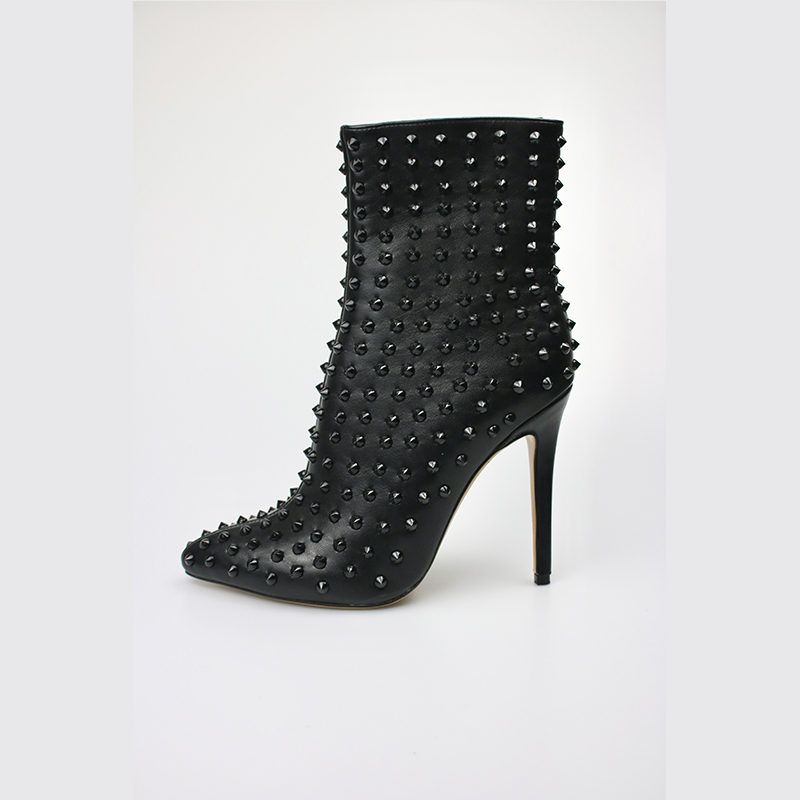
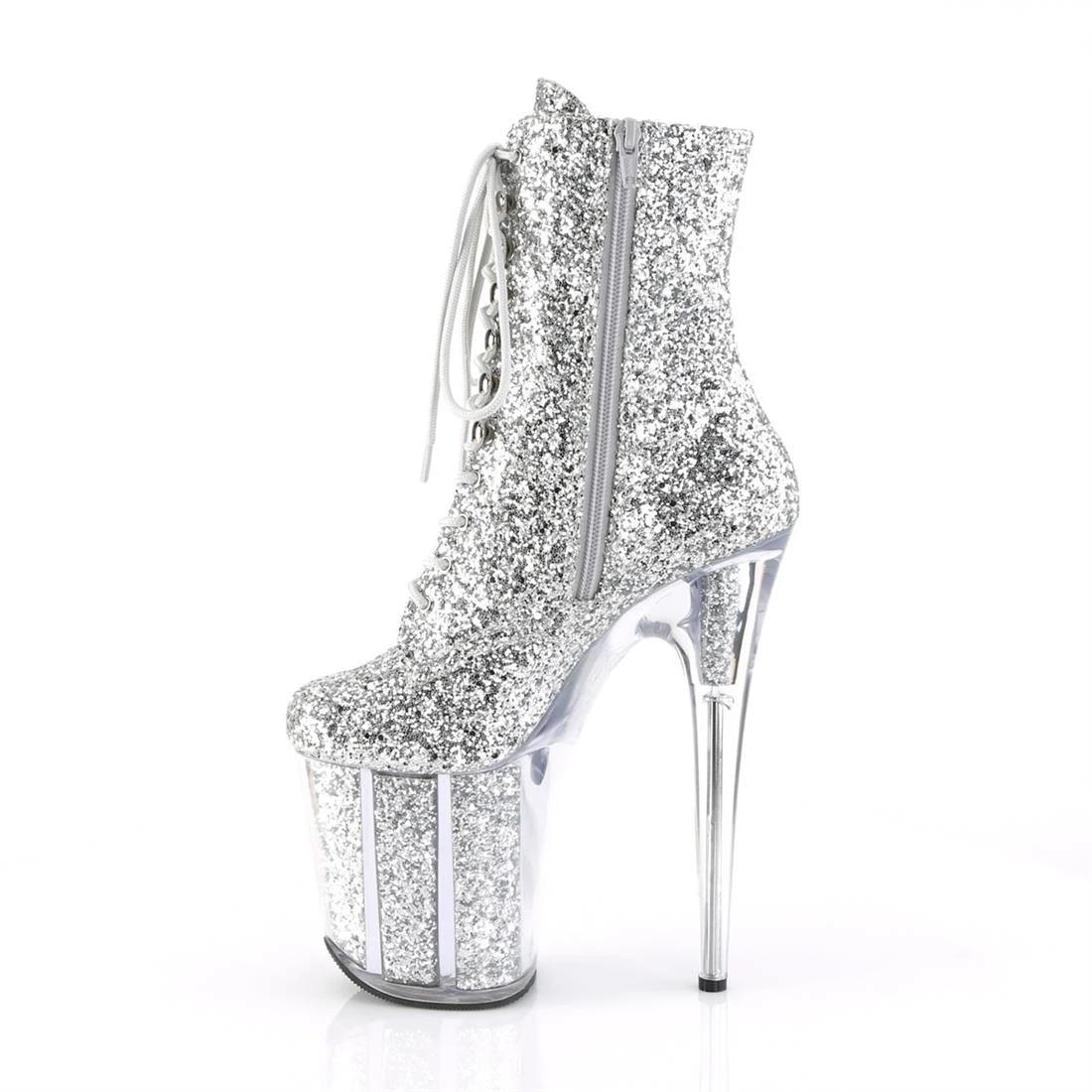
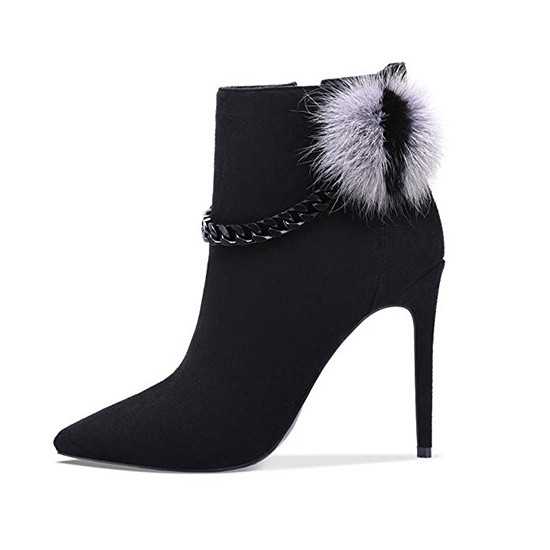
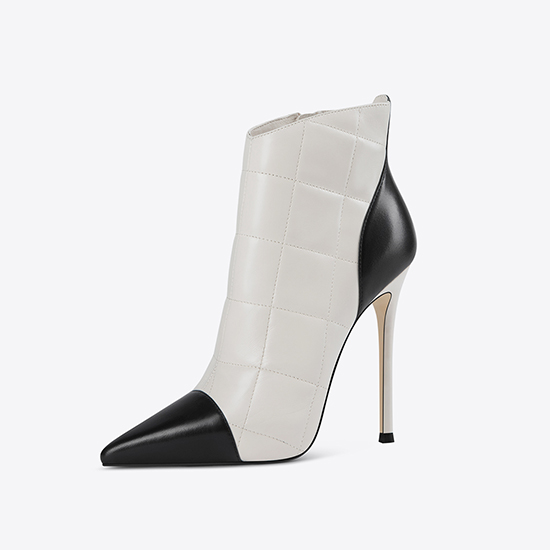
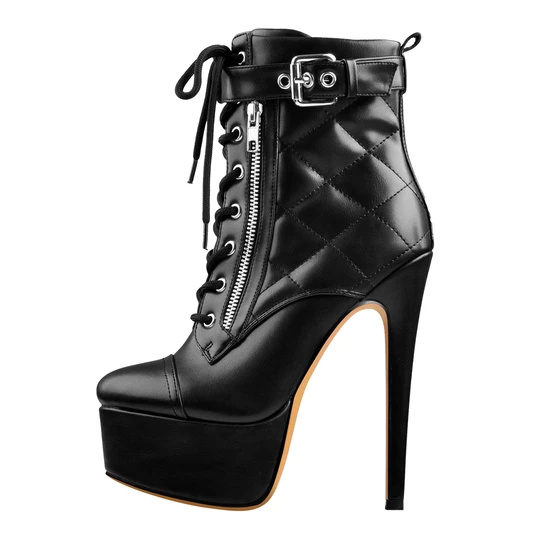
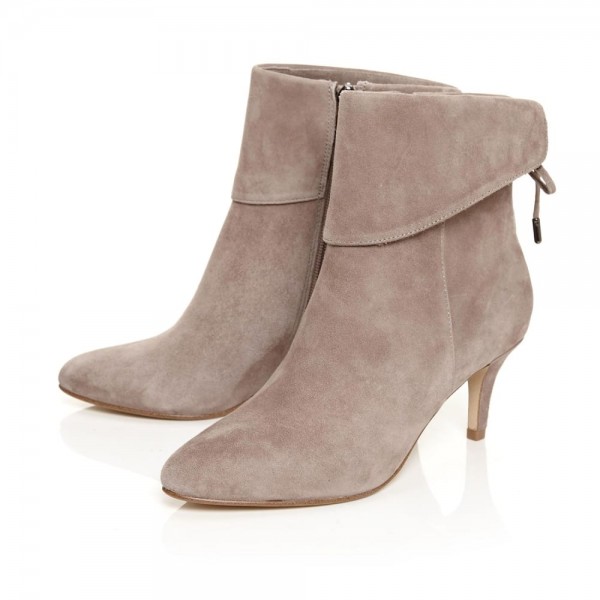
bespoke ankle boots Application Pioneers in the Field
Top Selling Products

- Related Blog
- Reviews
- Reviews
