Private label shoes and bags factory - XINGZIRAIN

Designer-style Footwear: Wholesale & Manufacturer Solutions

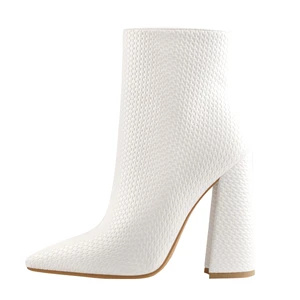
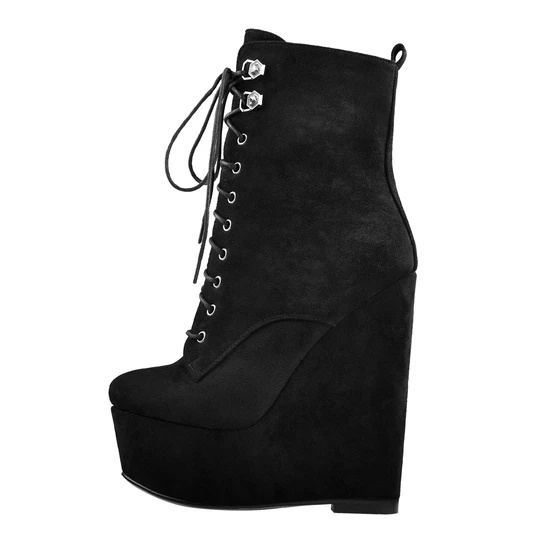
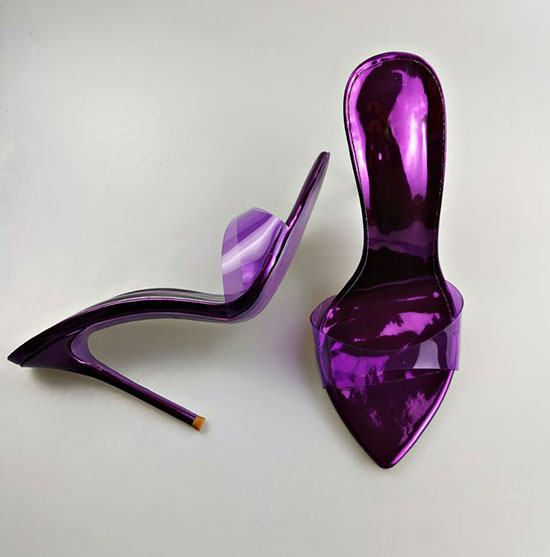
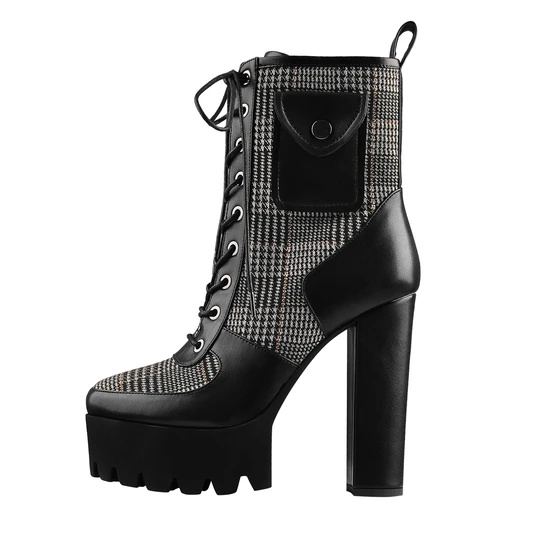
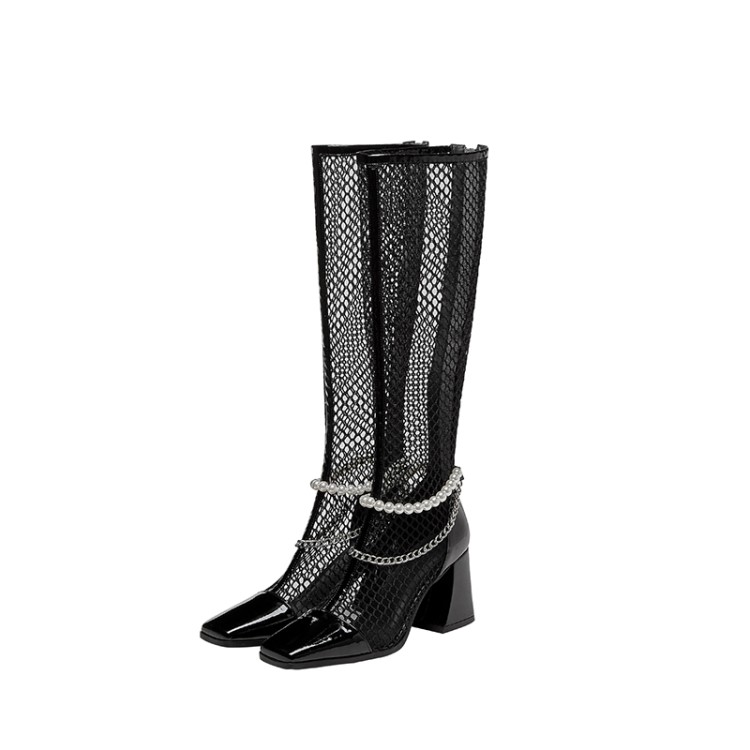
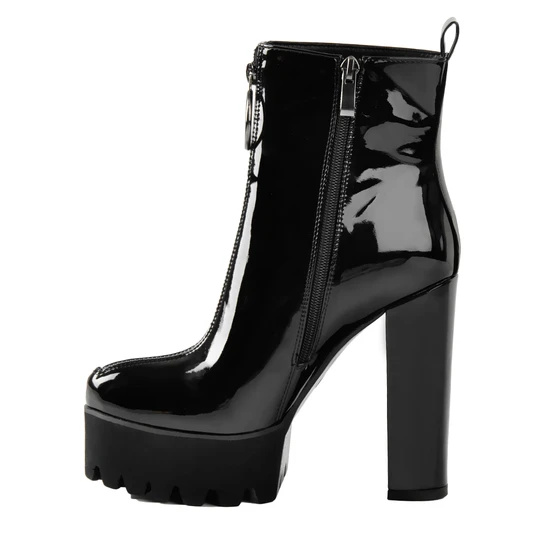
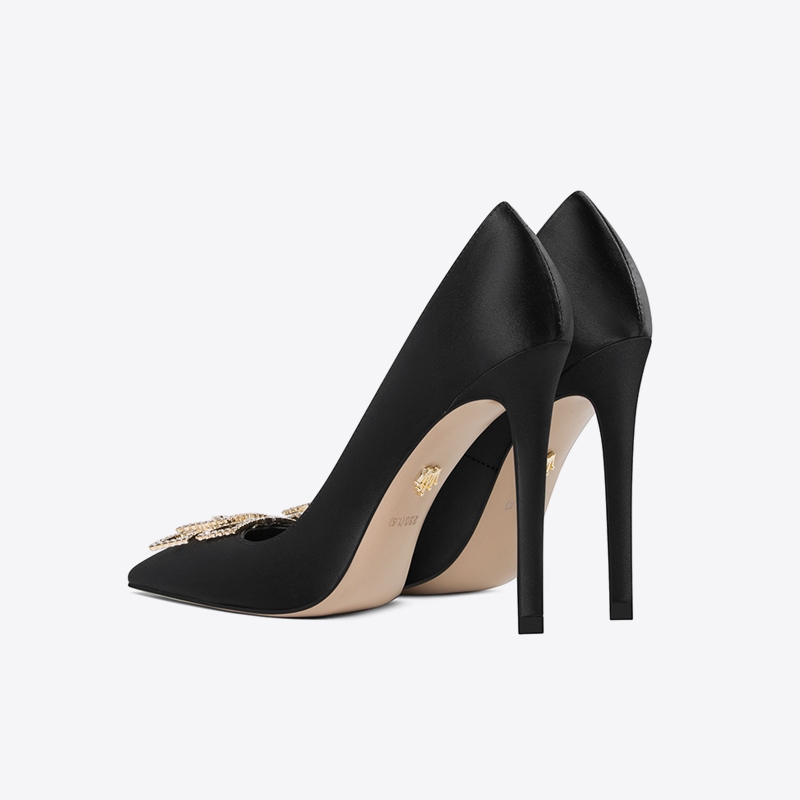
To fellow buyers, I source Designer-style footwear with careful craftsmanship for wholesale orders. As a Manufacturer, I deliver high-quality footwear that pairs runway-inspired aesthetics with durable materials. My Designer-style footwear line uses full-grain leathers, light-weight soles, and meticulous stitching to endure daily wear in retail spaces. I offer flexible MOQ for Wholesale clients and scalable production timelines to meet seasonal demand. You get consistent sizing, precise color finishes, and on-time shipments. I can customize boxes, branding, and packaging to fit your store vibe. Our factory adheres to social responsibility standards and quality controls at every stage. If you are stocking luxury-inspired options for fashion-forward clientele, my collection gives you margins and repeat orders. Let's discuss your target styles, sizes, and lead times so I can tailor production and pricing to your market.

Hot Selling Product

Designer-style footwear Service Factory-Direct Excellence

Designer-style footwear meets factory-direct service for global buyers who want both style and reliability. This model cuts out middlemen to offer boutique aesthetics at competitive prices, while ensuring consistent quality from the factory floor. By combining trend-driven design with scalable production, we translate runway ideas into durable, comfortable styles that perform in the real world. Buyers gain predictable lead times, flexible minimums, and transparent pricing backed by rigorous development and sourcing focused on durability and responsible materials. From concept to delivery, the end-to-end process prioritizes collaboration, speed, and control. After design brief and material choice, rapid prototyping and samples shorten decision cycles. Approved plans move to production with pre-production checks, inline inspections, and final audits to ensure fit, stitching, and finish. Packaging can be customized, and shipments are coordinated to optimize routes and timelines. The result is a scalable, designer-style footwear program that preserves craft and comfort across markets.

Designer-style footwear Service Factory-Direct Excellence

Model Code Style Material Size Range Color Options Construction Lead Time (days) Monthly Capacity (pairs) Sustainability Score Avg Rating Reviews
D-Classic-01 Derby Full-grain leather US 6-12 Black, Brown, Cognac Goodyear welt 14 1200 86 4.5 312
D-Avant-02 Chelsea boots Calfskin leather US 5-11 Black, Chestnut Blake stitch 18 900 78 4.6 199
D-Next-03 Monk Strap Nubuck leather US 6-13 Black, Brown Cemented 21 760 72 4.3 145
D-Runner-04 Runner/Trainer Engineered mesh with leather US 7-12 Black, Grey Cemented 12 1800 90 4.7 512
D-Opera-05 Oxford Italian calf leather US 6-11 Black, Burgundy Goodyear welt 16 1100 84 4.4 260
D-Sketch-06 Mule/Loafer Suede US 5-10 Tan, Navy 13 1400 69 4.2 102

Related Products

Designer-style footwear Your Trusted OEM Partner More Than a Supplier - A Partner

Data Dimension: Lead Time by Design-to-Production Stages (days)

New Insight: Lead Time by Design Stage

This chart presents the estimated lead time in days for five key stages in bringing a designer-style footwear product from concept to mass production. The data dimension emphasizes the flow of product development rather than individual SKUs, allowing a clear view of where the largest delays occur. The Concept stage shows the shortest duration (4 days), reflecting initial idea scoping and rapid iterations. The Design Validation stage extends to 8 days, capturing the validation of fit, materials, and aesthetics with stakeholders and engineering teams. Prototyping is longer at 14 days, driven by 3D/physical samples, supplier lead times for components, and iterative testing. Tooling, at around 22 days, represents the most time-consuming investment where molds and fixtures must be prepared, tested, and calibrated for consistency. Mass Production, at about 30 days, encompasses setup, pilot runs, quality control, and ramp-up adjustments across the manufacturing line. The progression indicates a non-linear accumulation of risk and cost, with tooling often being a major schedule pressure point. This visualization helps product teams identify levers: compressing early stages through parallel workstreams, investing in design-for-manufacturing (DFM) and design-for-assembly (DFA) practices, selecting suppliers with faster lead times, and building pre-production validation into the schedule. It is important to note that these values are illustrative for demonstration purposes and can vary with material availability, factory capabilities, and regulatory checks. By monitoring lead times across stages, teams can forecast project duration more accurately, align launches with market windows, and ultimately deliver designer-style footwear more reliably. The chart also supports cross-functional collaboration among design, engineering, procurement, and manufacturing, encouraging proactive risk management and continuous improvement across the entire design-to-production pipeline.

Top Selling Products
Leave Your Message