
Eco-Friendly Shoe Factory: Wholesale Manufacturer Directory
I’m part of an Eco-Friendly Shoe Factory dedicated to turning sustainable ideas into scalable footwear. As a hands-on Manufacturer, we design, prototype, and produce shoes that meet wholesale expectations for quality, price, and traceability. We collaborate with distributors, retailers, and brands who want green credentials without sacrificing performance. From eco-friendly materials like recycled fabrics and plant-based leathers to water-based adhesives and energy-efficient finishing, our factory minimizes waste and emissions while boosting yield. We offer flexible MOQs, private label options, and ODM/OEM services to fit your Wholesale needs. Our transparent supply chain tracks every step—supplier audits, batch-level QC, and compliance with international standards. With short lead times and reliable on-time delivery, we help you scale your assortment confidently. If you’re seeking a real partner who blends sustainability with manufacturing rigor, I’m here to discuss your project and tailor a plan that fits your budget and timeline.


Eco-Friendly Shoe Factory Winning in 2025 Your Trusted OEM Partner
As the global demand for sustainable footwear grows, a dedicated eco-friendly factory is winning 2025 by delivering responsible products at scale. With end-to-end OEM capabilities—from design support and tooling to mass production and packaging—this facility serves international buyers seeking reliable, transparent partners. Sustainability is woven into every step: plant-based or recycled materials, water-based adhesives, energy-efficient processes, waste reduction, and closed-loop packaging. The factory implements strict supplier audits and traceability, ensuring materials come from verified sources and workers’ rights are protected. For global buyers, the appeal is clear: flexible MOQs, agile development cycles, and consistent quality with rigorous QC, testing, and on-time delivery. By choosing this OEM partner, clients can accelerate time-to-market, reduce risk, and build a resilient supply chain that aligns with evolving consumer expectations.
{ Eco-Friendly Shoe Factory Winning in 2025 Your Trusted OEM Partner}
| Dimension | Unit | 2025 Value |
|---|---|---|
| Energy consumption per pair | kWh/pair | 1.60 |
| Renewable energy share | % | 68 |
| Water usage per pair | L/pair | 18 |
| Waste generated per 1000 pairs | kg/1000 pairs | 14 |
| Waste recycled rate | % | 82 |
| CO2 emissions per pair | kg CO2e/pair | 0.58 |
| Production capacity | pairs/month | 320,000 |
| On-time delivery rate | % | 97 |
| Defect rate | % | 0.55 |
| Employee safety incidents | incidents per 1,000 hours | 0.25 |
| Certifications held | count | 3 |
| R&D investment per year | USD | 2000000 |
| Training hours per employee per year | hours/employee/year | 48 |
| Supplier base diversification index | index (0-1) | 0.82 |
Related Products


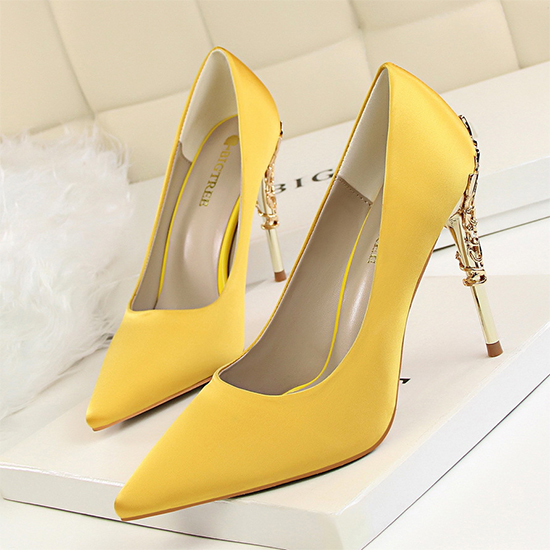


Eco-Friendly Shoe Factory Application Where Service Meets Innovation
Top Selling Products
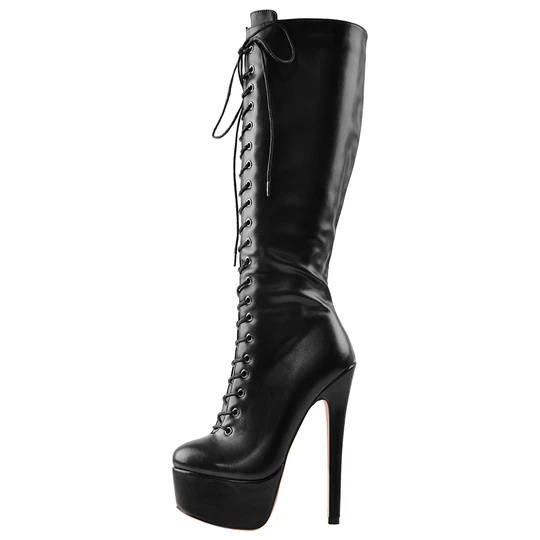

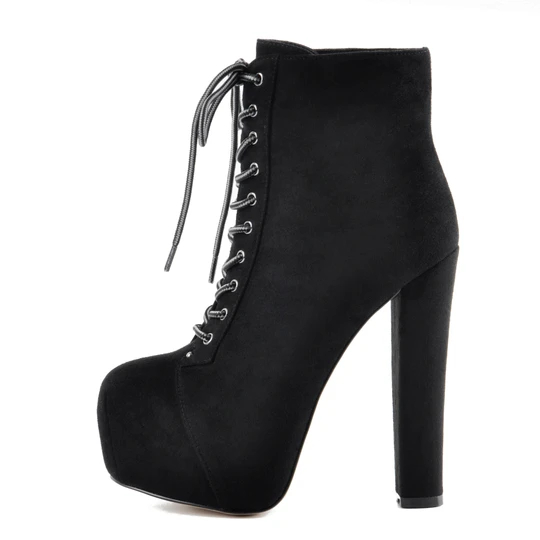


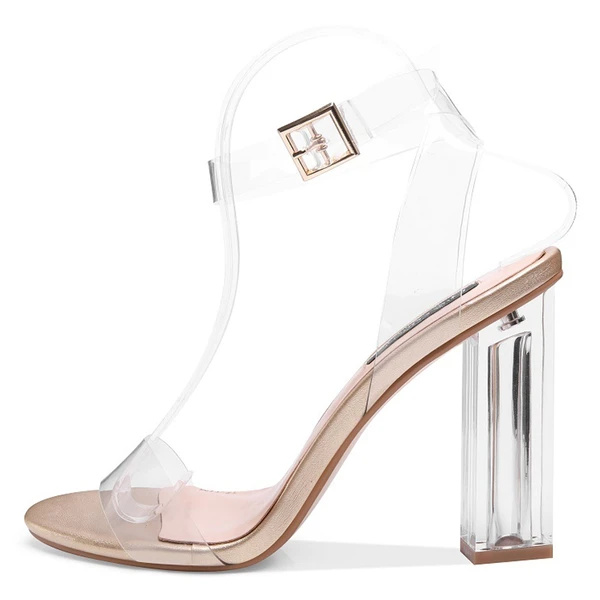


- Related Blog
- Reviews
- Reviews
