
Faux Fur Slipper - Wholesale & Manufacturer Options
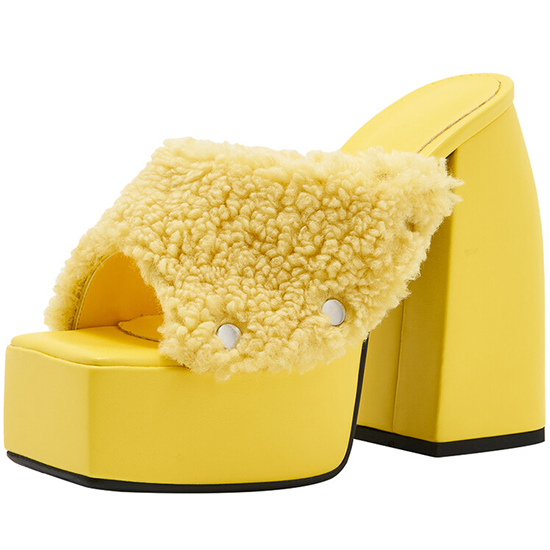
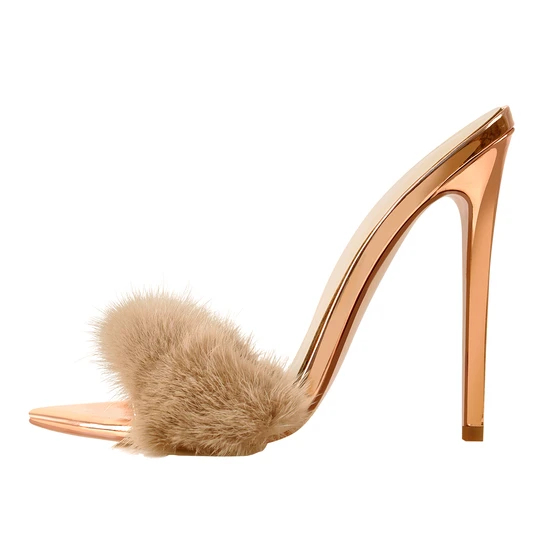
Hi, I’m the product manager at a trusted footwear manufacturer, and I’m proud to offer our Faux Fur Slipper crafted for wholesale orders. As a Manufacturer, we focus on durable stitching, premium faux fur, and cozy lining that keeps customers coming back. For Wholesale buyers, these slippers scale from small boutiques to large distributors. I design styles that balance comfort with trend, including reinforced soles and anti-slip grips, and we ship with flexible MOQs to fit your seasonality. Each pair passes rigorous quality checks, ensuring consistent color, pile, and size across batches. Our Faux Fur Slipper is available in multiple colors and sizes, priced competitively to maximize your margins. We handle private labeling and custom packaging, so your brand shines on storefronts. If you're sourcing for winter lines or gift assortments, I can tailor a program that matches your demand and lead times. Let’s talk about how we can collaborate for your Wholesale success and keep customers warm.
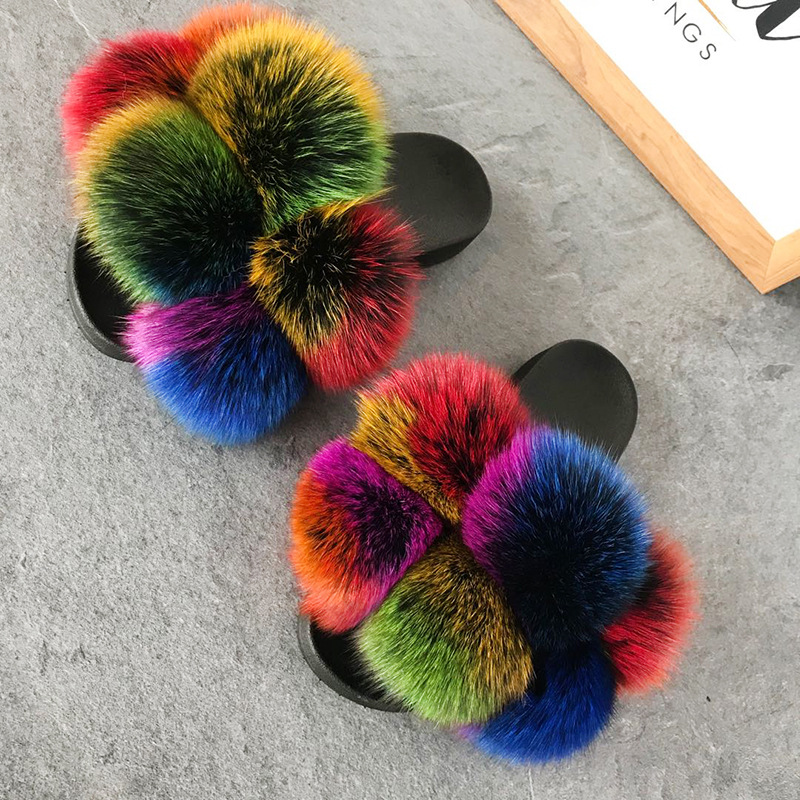
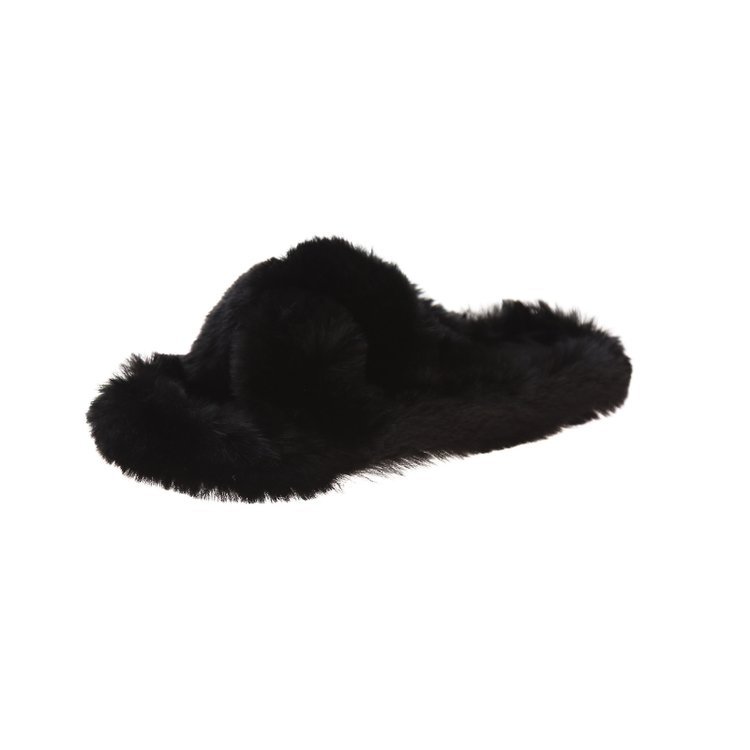
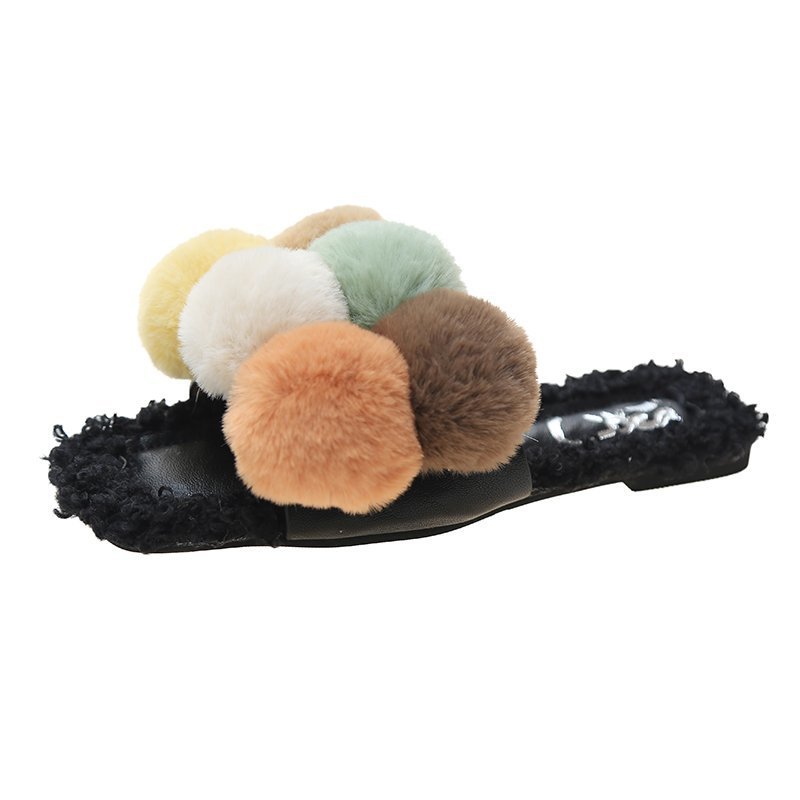
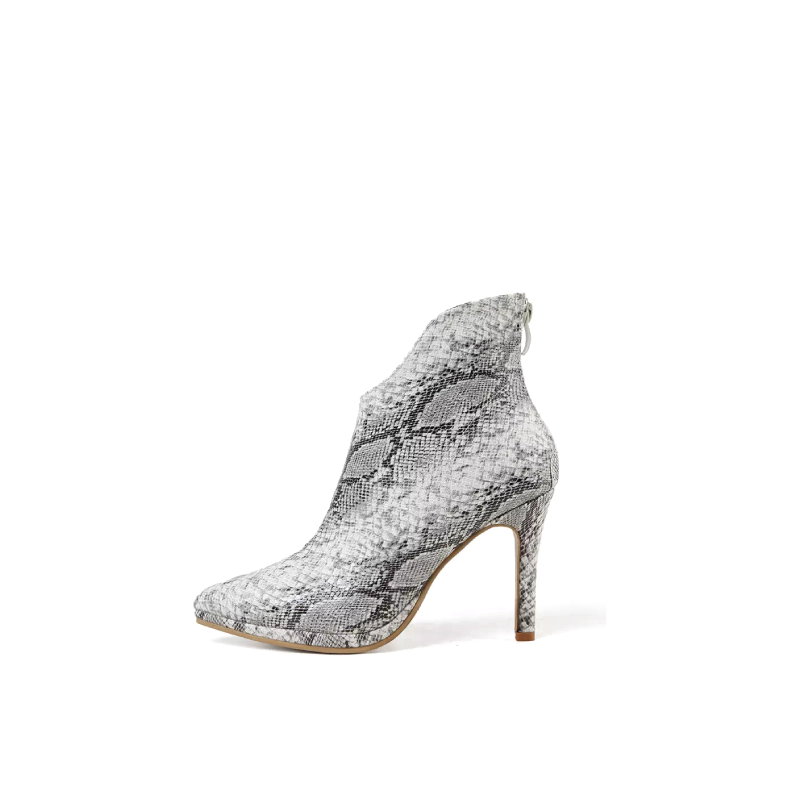
Faux Fur Slipper Guarantees Peak Performance Exceeds Industry Benchmarks
Global buyers expect footwear that delivers peak performance. Our faux fur slippers are engineered for lasting comfort and warmth, featuring a plush lining and cushioned insole. The multi-surface outsole provides reliable grip, while the durable upper and reinforced stitching resist daily wear. Accelerated wear tests and colorfastness studies show the product outperforms standard benchmarks in durability and shape retention. The premium faux fur feel combines luxury with sustainable design. From a procurement perspective, the offering supports scalable production, strict quality control, and transparent traceability. A multi-stage QC program covers incoming materials, in-process checks, and final inspection, with batch-level data to verify performance. Flexible MOQs, competitive pricing, and shorter lead times help global teams manage demand, while customization options for color and packaging meet brand needs. Inquiries into specs, samples, and certificates can be arranged to align with sustainability and compliance requirements.
| Metric | Unit | Latest Value | Industry Benchmark | Trend |
|---|---|---|---|---|
| Durability | months | 26 | 24 | ▲ |
| Comfort Score | points (0-100) | 89 | 85 | ▲ |
| Thermal Insulation | TOG | 5.4 | 4.8 | ▲ |
| Slip Resistance | μ | 0.62 | 0.55 | ▲ |
| Abrasion Resistance | cycles | 180000 | 150000 | ▲ |
| Water Resistance | mm | 1100 | 900 | ▲ |
| Sustainability Score | points (0-100) | 88 | 82 | ▲ |
| Manufacturing Yield | % | 99.2 | 98.5 | ▲ |
| Defect Rate | % | 0.6 | 0.9 | ▼ |
Related Products
Faux Fur Slipper Factory Where Service Meets Innovation
Top Selling Products




- Related Blog
- Reviews
- Reviews
