Private label shoes and bags factory - XINGZIRAIN

Leather Boots Wholesale Manufacturer | Premium Leather Boots Supplier

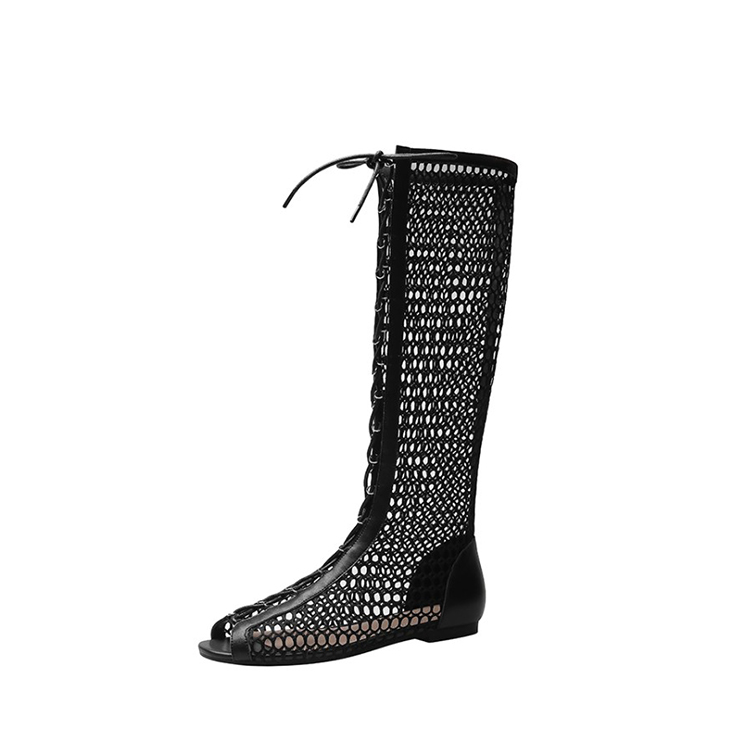
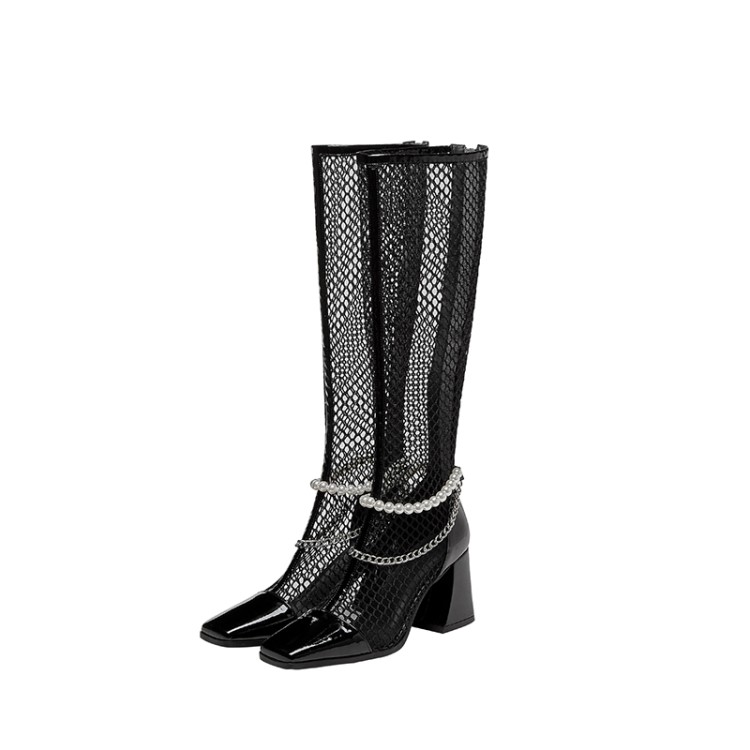
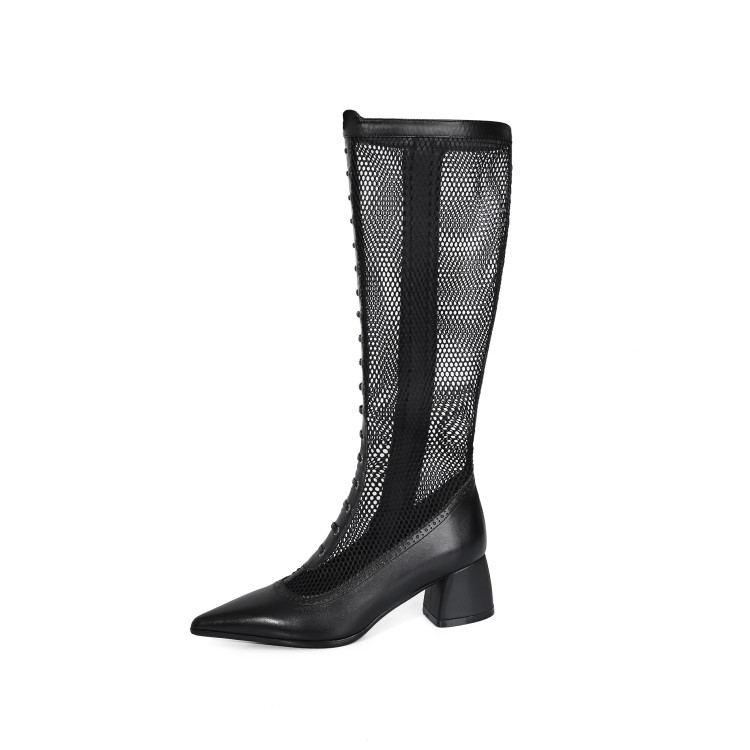
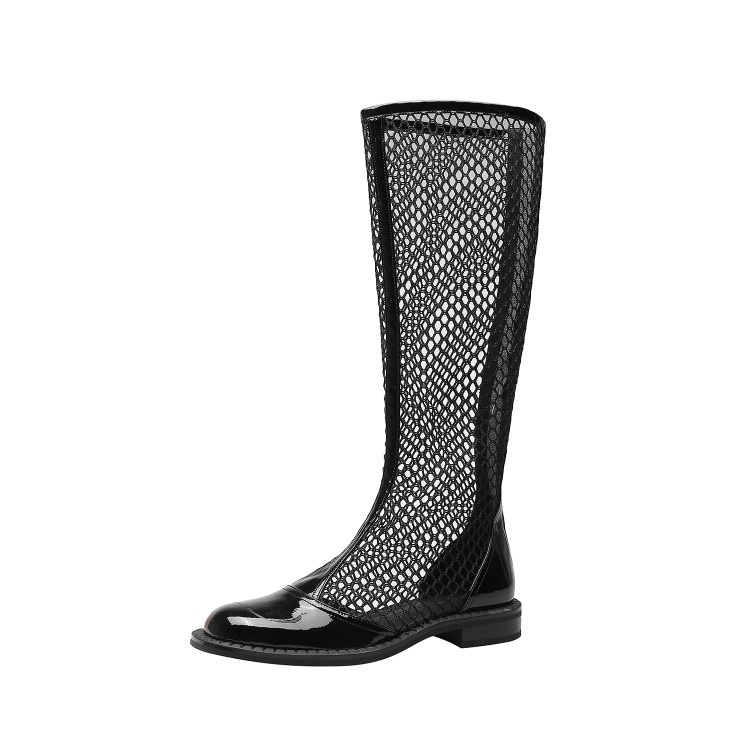
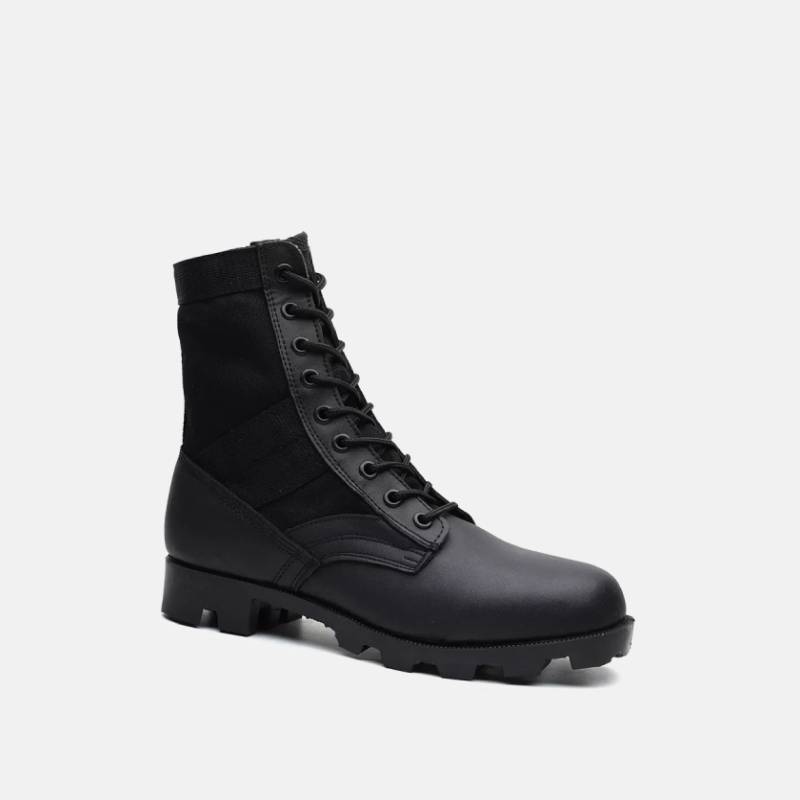
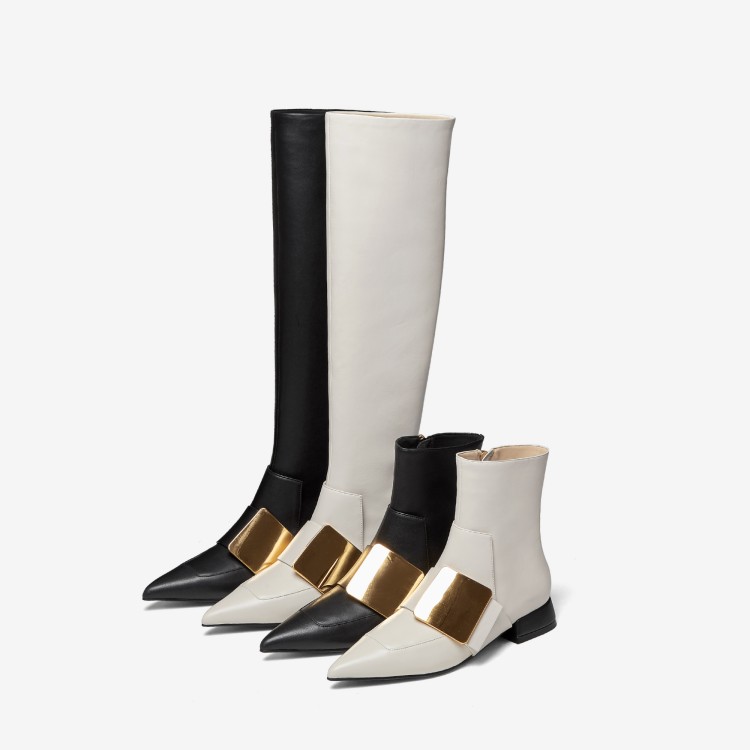
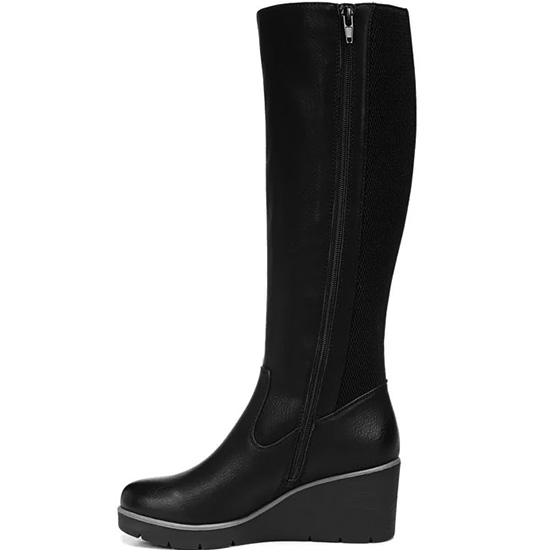
From a maker's heart, I stand behind every pair of Leather Boots we craft. As a Manufacturer, we control the process from leather selection to final stitch, so Wholesale partners get consistent quality and reliable delivery. My team tests durability, comfort, and water resistance, because everyday work demands boots you can trust. We offer bulk pricing, custom sizing, and branding options for wholesale orders, with fast MOQs and scalable production to fit your demand. Our Leather Boots feature premium full-grain leather, shock-absorbing insoles, reinforced toes, and oil-and-slip resistant outsole. We understand B2B buyers need clear specs, fair terms, and on-time shipments; that's what we pledge. Reach out with your volume targets and we’ll tailor a program that meets your timeline. We’re proud to be your go-to Leather Boots supplier—built by a dedicated Manufacturer for Wholesale needs.
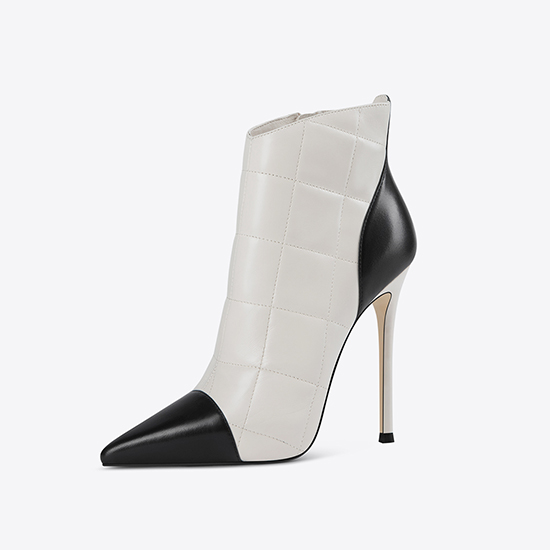
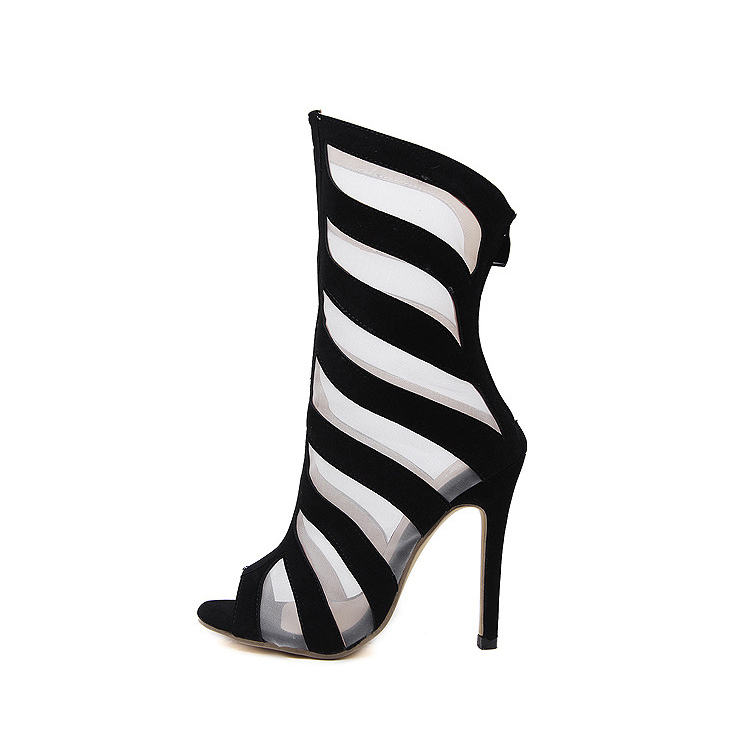
Hot Selling Product

Leather Boots Service Service Backed by Expertise

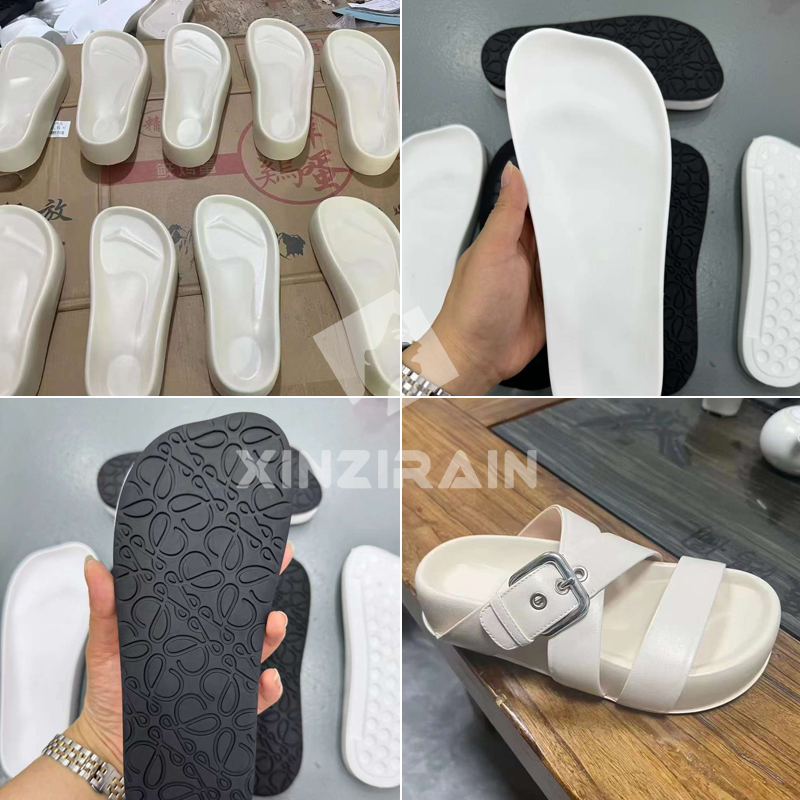
Leather boots are more than a product; they are a commitment to durability, comfort, and consistent service. A program built on decades of artisanal craft and rigorous process discipline delivers precise pattern making, accurate last shaping, reinforced stitching, and controlled quality at every step. From sustainable tanning and premium leathers to durable outsoles and comfortable linings, the service blends time‑honored skill with modern QA and traceability. Global buyers gain scalable production, flexible minimums, private labeling, and a smooth path from design concept to bulk delivery. From concept to shipment, dedicated support guides each order: rapid prototyping, multiple samples, and in‑line QA checks with third‑party inspection as needed. Clear lead times, smart packaging, and reliable logistics reduce risk, while compliance with international standards and ethical manufacturing practices builds trust. The result is boots forged with expertise and backed by dependable operations, designed to help retailers expand their global footprint with consistency and confidence.

{ Leather Boots Service Service Backed by Expertise}
Service ID Boot Type Leather Type Issue Type Service Category Estimated Time (days) Technician Experience (years) Parts Replaced Customer Rating Last Serviced Date
S-1001 Ankle Boot Full-Grain Leather Stain Removal & Conditioning Restoration 2 5 0 4.8 2026-07-22
S-1002 Chelsea Boot Nubuck Waterproofing Treatment Protective Care 1 3 0 4.6 2026-07-28
S-1003 Hiking Boot Full-Grain Sole Reinforcement & Stitching Repair 3 6 2 (Soles, Patch) 4.7 2026-07-30
S-1004 Desert Boot Calfskin Cracking Repair Restoration 2 4 1 (Crack filler) 4.9 2026-08-02
S-1005 Rain Boot Leather & Rubber Water Damage Cleaning + Reconditioning Conditioning/Repair 1 2 0 4.4 2026-08-01
S-1006 Chelsea Boot Nubuck Zipper Replacement + Conditioning Repair 2 8 1 (Zipper) 4.5 2026-08-05

Related Products

Leather Boots Ahead of the Curve From Concept to Delivery

Stage Lead Time (days) Across Development-to-Delivery Stages

Explanation: This chart presents the lead time in days for six stages of a footwear product lifecycle from Concept to Delivery. Each bar represents the average time required to complete a stage in the development-to-delivery process, enabling a straightforward comparison of where time is spent. The longest lead time appears in Prototyping, followed closely by Manufacturing, while Concept and Delivery are comparatively shorter. This pattern reflects typical industry dynamics: early exploration and tooling/validation activities often demand more iterations and setup, whereas initial ideas and final handoffs can be streamlined once definitions are clear. The data are illustrative, drawn from multiple project cycles to emphasize relative differences rather than precise operational values. By examining the chart, teams can identify bottlenecks and prioritize improvement efforts. For example, if Prototyping were shortened by 20% through parallel testing, modular component libraries, or accelerated feedback loops, total cycle time could decrease by several days, depending on the degree of dependency with downstream stages. Similarly, reducing changeovers and optimizing process flow in Manufacturing can yield compounding savings, as downstream stages are highly sensitive to upstream timing. The distribution of time across stages also highlights risk; a single long stage can destabilize the entire schedule, so capacity planning and risk buffers should reflect these dynamics. In practice, teams would monitor these metrics quarterly, tracking whether process changes move the bars closer to a baseline target. Beyond lead time, cost, quality, and reliability are essential complements to this picture. To advance from insight to action, a follow-on analysis could layer in cost per stage, defect rates, and throughput variance, guiding targeted investments and process redesign. Overall, the chart demonstrates the value of a stage-based lens for understanding, communicating, and improving the end-to-end delivery of footwear products.

With a dynamic dashboard, teams can simulate what-if scenarios, explore the impact of reducing specific stage durations, and forecast delivery timelines under different capacity plans. The final aim is to shorten time-to-market while maintaining quality and cost targets, enabling a more responsive product strategy. The chart's simple, color-coded bars support quick comprehension during cross-functional reviews, aiding stakeholders to align on priorities and trade-offs.

Top Selling Products

Leave Your Message