
Sneaker Factories: Wholesale Manufacturer Sourcing & Partnerships
From the design table to your distribution channels, I offer Sneaker Factories expertise in turning demand into supply. We specialize in scalable production for Wholesale orders and consistent quality across runs. As a Manufacturer with full control over materials, tooling, and quality checks, I can adapt to your required volumes, lead times, and customization. Our facility combines sustainable sourcing with nimble automation, delivering dependable performance at competitive costs. I can provide you with sample lines, prototyping support, and co-branded options that fit various markets. With strict QA and traceable processes, you’ll get batch-to-batch consistency that reduces returns. You can trust my team to meet regulatory standards and on-time deliveries, even for high-season spikes. Partnering with me means you gain a responsive liaison who understands the dynamics of wholesale channels and brand storytelling. Let me help you expand your catalog with reliable, stylish sneakers that shoppers actually want to buy.


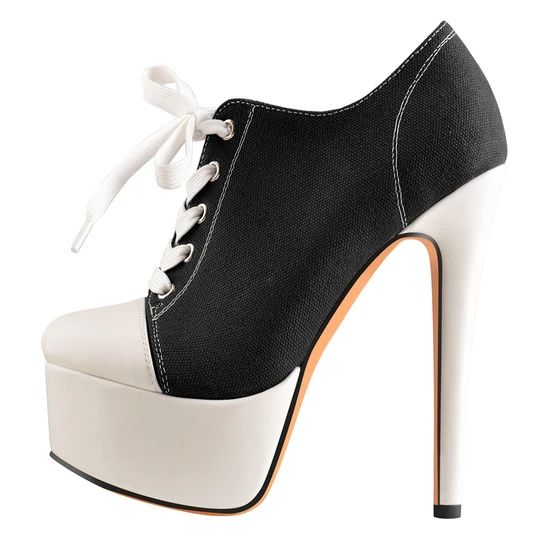
Sneaker Factories For the Current Year Manufacturers You Can Rely On
Today’s sneaker production blends automation, data-driven planning, and agile logistics. Global buyers need factories that reliably scale from samples to mass orders while maintaining consistent quality. A dependable manufacturer combines in‑house testing, traceable material sourcing, and transparent workflows to deliver performance, comfort, and durability on every pair. When evaluating candidates, prioritize lead times, capacity, and flexibility to adjust for seasonal demand. Look for in‑house mold making, multi‑material capability (leather, knit, synthetic, recycled), and rigorous pre‑production samples. Quality control should cover pre‑production, in‑line checks, and final inspections with standardized tests for wear, flex, and slip resistance. A true partner offers design support, clear cost transparency, proactive risk management, and reliable logistics. Sustainable and ethical practices, worker safety, and environmental stewardship matter to buyers worldwide. Conduct audits, verify certifications, and confirm compliance with international standards to source sneakers with confidence year after year.
{ Sneaker Factories For the Current Year Manufacturers You Can Rely On }
| Factory ID | Country | City | Established | Certifications | Monthly Capacity (k pairs) | Lead Time (weeks) |
|---|---|---|---|---|---|---|
| Factory-001 | Vietnam | Ho Chi Minh City | 1998 | ISO 9001, ISO 14001, SA8000 | 130 | 6 |
| Factory-002 | China | Dongguan | 2005 | ISO 9001, BSCI | 200 | 5 |
| Factory-003 | Indonesia | Bandung | 2010 | ISO 9001, SA8000 | 90 | 7 |
| Factory-004 | Vietnam | Da Nang | 2015 | ISO 9001, ISO 45001 | 110 | 6 |
| Factory-005 | Turkey | Istanbul | 2002 | ISO 9001, ISO 14001 | 70 | 8 |
| Factory-006 | India | Chennai | 2008 | ISO 9001, SA8000 | 60 | 9 |
Related Products






Sneaker Factories Products Factory
Top Selling Products




- Related Blog
- Reviews
- Reviews
