
Stiletto Heels Wholesale Manufacturer - Premium Styles & Bulk Pricing
From the boot up, I design Stiletto Heels that blend elegance with durable construction. We are a Manufacturer focused on Wholesale orders for boutiques, retailers, and online traders. My team crafts each pair with premium Italian leather or vegan alternatives, stacked heel core, and outsole for slip resistance. I offer flexible MOQ, customization options—colors, finishes, heel height—and branding on the sole or box. As a manufacturer, I understand the B2B buyer's need for steady supply, competitive pricing, and on-time delivery. Our production runs use standardized QC checks, ensuring consistent sizing and comfort across styles. I personally oversee sampling, enabling you to assess fit before full scale orders. We ship worldwide and can partner on private labels. If you seek reliable Stiletto Heels for your catalog, I welcome your Wholesale inquiry. Let's build a long-term relationship, delivering on-trend stilettos while you grow your brand.
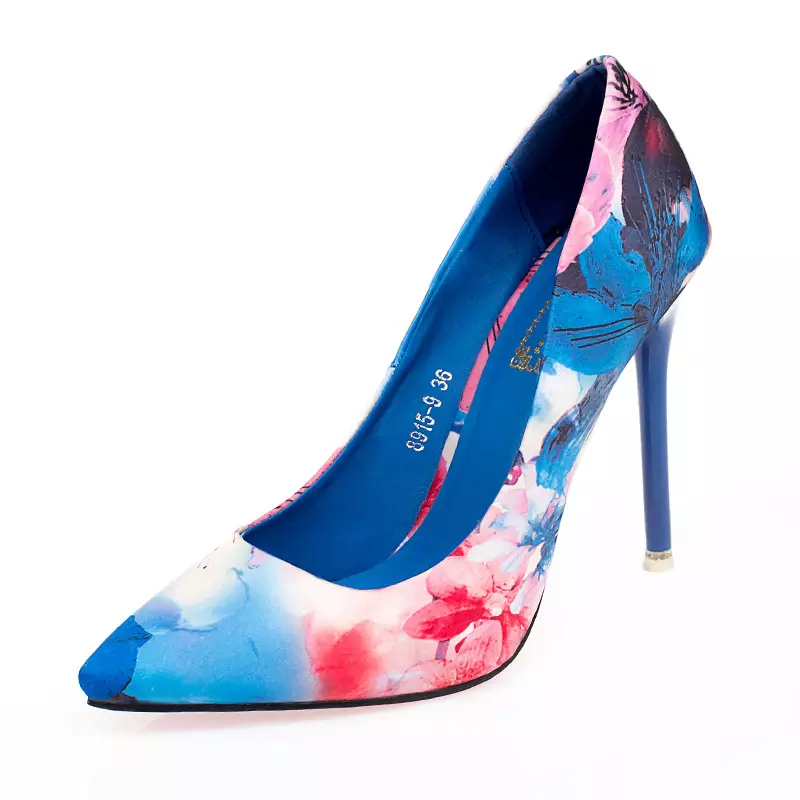
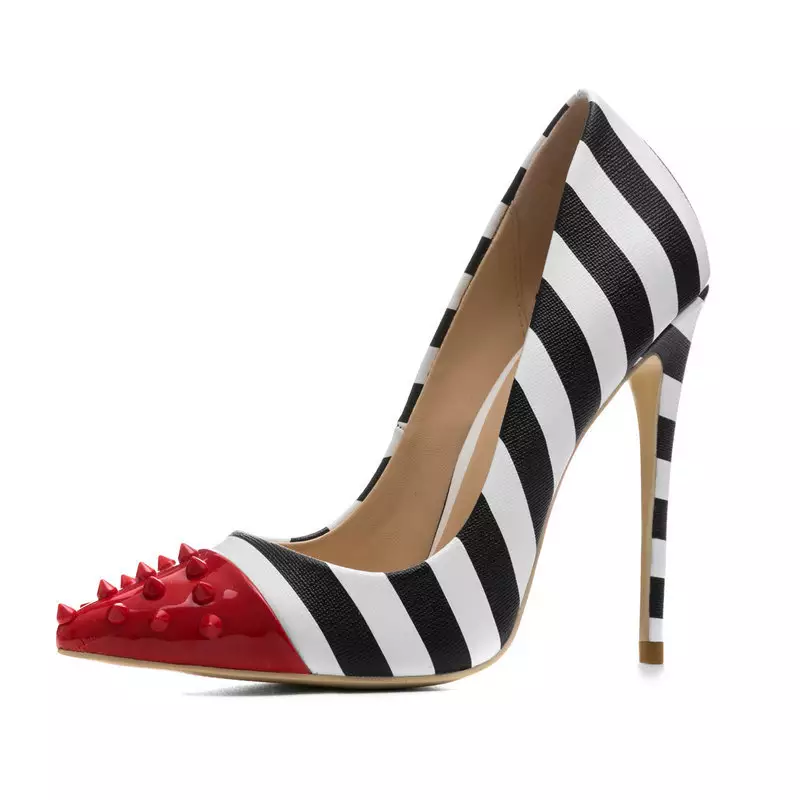
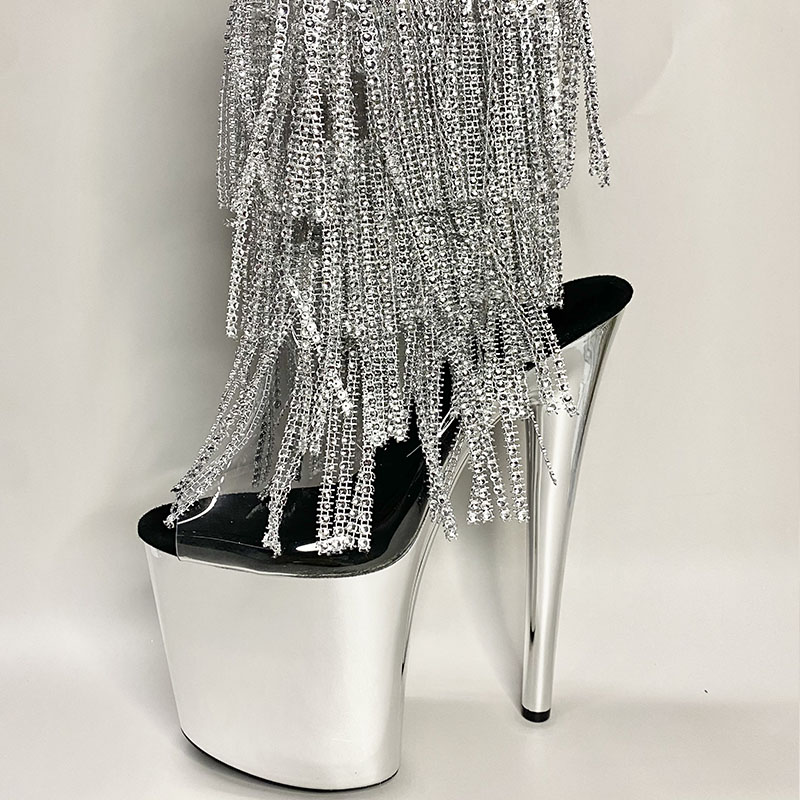
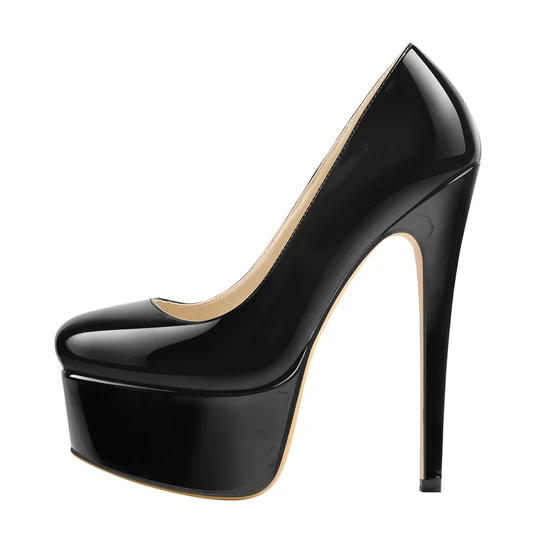
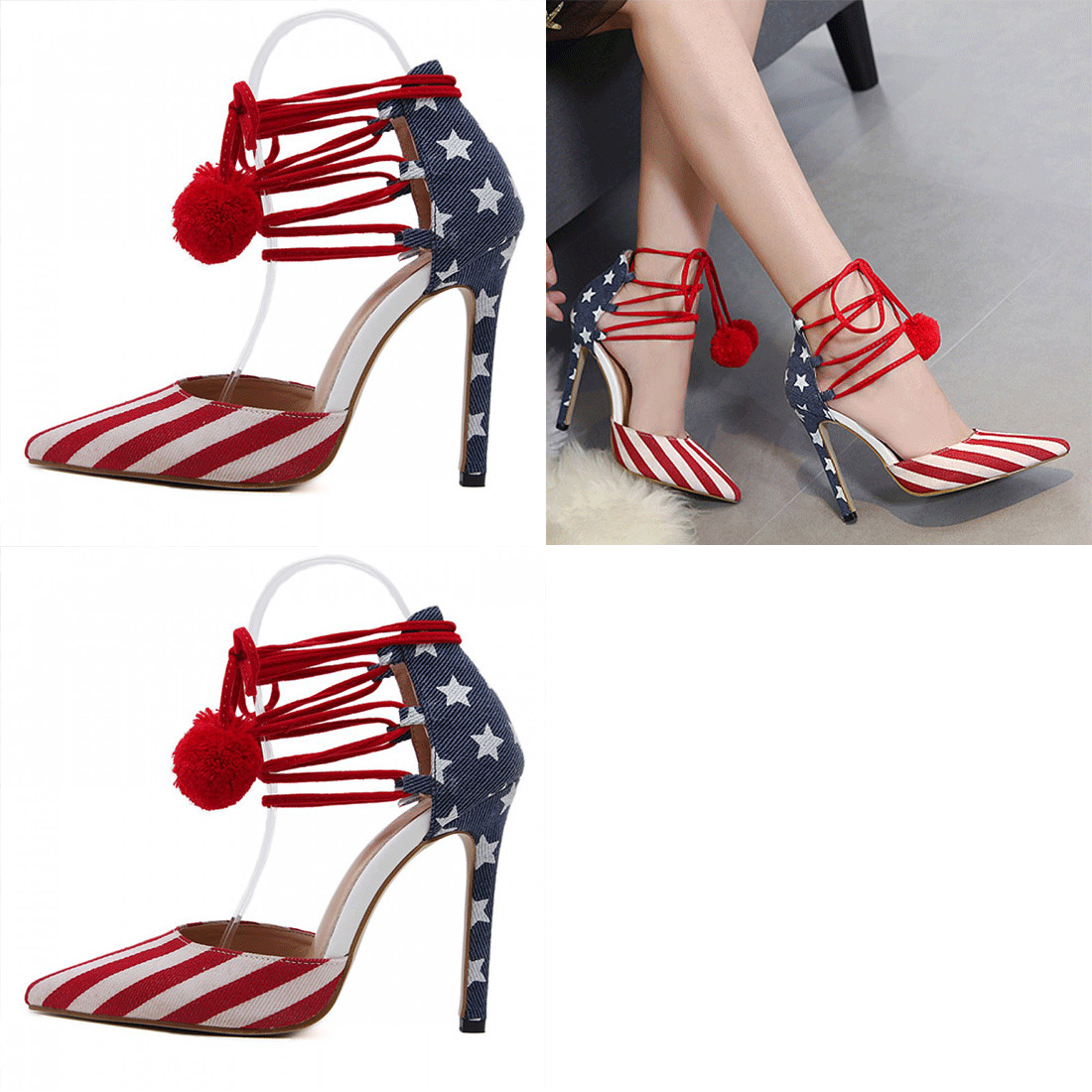
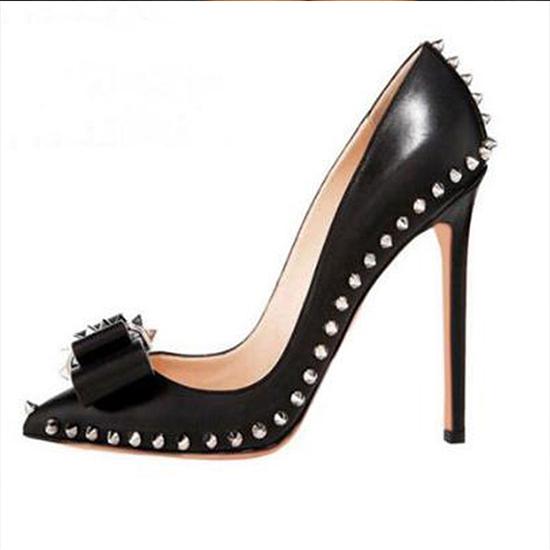
Stiletto Heels Supplier From Concept to Delivery
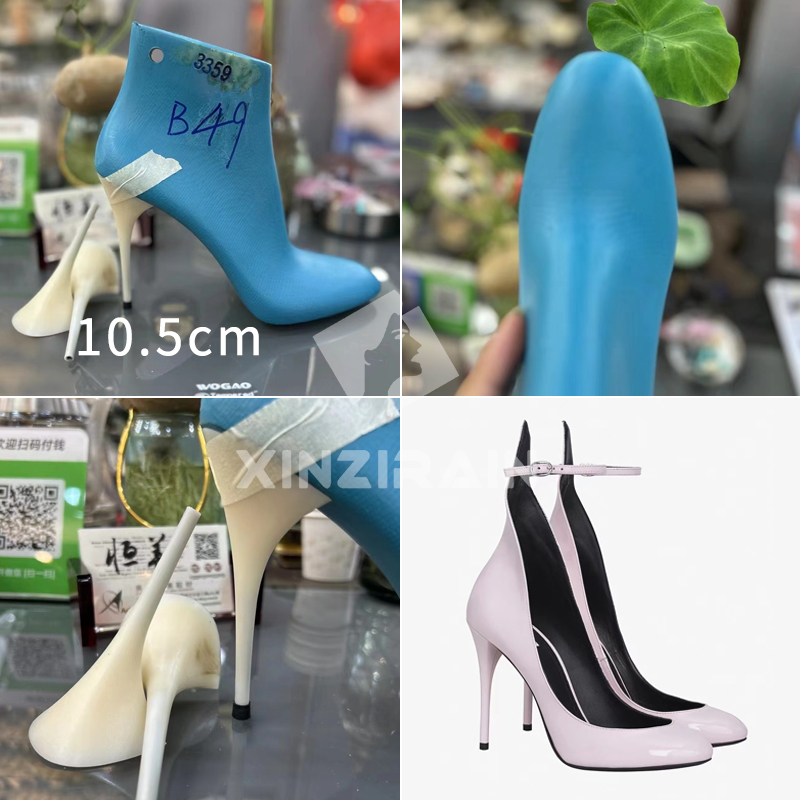
From the initial concept to a wearable reality, stiletto heels demand meticulous design, precise last development, and material engineering. We collaborate with buyers worldwide to translate trend insights into functional silhouettes, testing heel stiffness, arch support, and balance. With CAD-driven patterns and 3D-printed prototypes, you can review fit and proportion before any tooling, ensuring your vision translates into a product that delights customers across markets and price tiers. Production unfolds with controlled layering of upper, lining, insole, and outsole choices, backed by strict quality assurance at every stage—from raw material inspection to in-line testing and final packaging. Flexible MOQs, scalable tooling, and private-label options accommodate both small launches and large assortments, while certified facilities support compliance and sustainable practices. We offer transparent timelines, sample-to-production pipelines, and reliable worldwide logistics to deliver on time, every time.
{ Stiletto Heels Supplier From Concept to Delivery}
| Stage | Description | Key Activities | Typical Lead Time | Quality Checks | Sustainability/Compliance |
|---|---|---|---|---|---|
| Concept | Initial idea development for a stiletto heel collection, aesthetic direction and target consumer profile. |
|
1–2 weeks | Design feasibility review; basic material suitability check | Early material impact screening; preference for lower-impact materials |
| Design Development | Translate concepts into technical drawings and specifications that can be manufactured. |
|
2–4 weeks | Design-for-manufacturability checks; tolerance reviews | Use of certified finishing processes where possible; chemical compliance planning |
| Prototyping | First physical samples to validate fit, comfort, and construction method. |
|
2–3 weeks per iteration | Fit testing, heel pull/rotation test, stitch & bond inspection | Evaluate material lifespan; check for hazardous finishes (REACH screening) |
| Material Sourcing | Identify and qualify suppliers for uppers, soles, heels, linings, adhesives and trims. |
|
3–6 weeks (varies by material) | Incoming material inspection; certificate verification | Prefer suppliers with chain-of-custody; assess recycled content and solvent use |
| Manufacturing Setup | Prepare production lines, jigs, and tooling required for stiletto assembly. |
|
2–5 weeks | Tooling validation; first-article inspection | Energy/efficiency checks for equipment; waste minimization plans |
| Production | Full scale manufacturing of agreed styles and sizes according to quality standards. |
|
4–12 weeks (depends on order size) | Dimensional checks, adhesion peel tests, heel alignment and balance | Monitor VOC emissions; track material waste rates |
| Quality Assurance | Comprehensive inspections and tests to ensure consistency and safety. |
|
1–2 weeks (concurrent with production) | Full inspection reports; lab testing when required | Compliance checks (REACH, ISO quality practices); maintain traceability |
| Packaging & Labelling | Design and apply packaging that protects product and meets market labelling requirements. |
|
1–2 weeks | Package integrity check; label accuracy verification | Use recycled/biodegradable packaging where feasible; regulatory label compliance |
| Shipping & Logistics | Coordinate transport, documentation and customs clearance for delivery to destination. |
|
1–6 weeks (depends on route & mode) | Pre-shipment audit; packaging & palletization checks | Optimize routing to reduce carbon footprint; ensure import compliance |
| Post-Delivery Support | After-sales handling including returns, quality feedback loops and continuous improvement. |
|
Ongoing | Root-cause analysis; rework verification | Track end-of-life options; advise on repairability |
Notes: lead times and activities are representative estimates for a typical designer-to-manufacturer workflow for stiletto heels and may vary by region, scale and material complexity.
Related Products
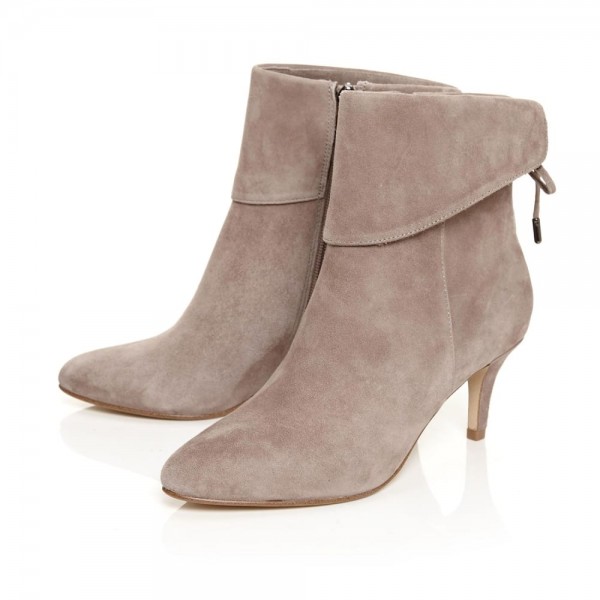
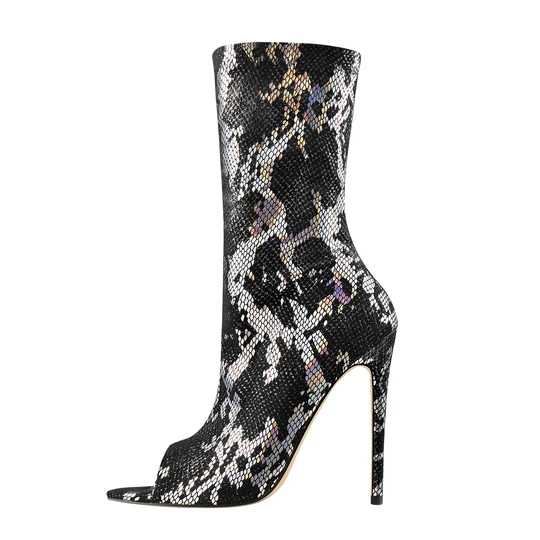
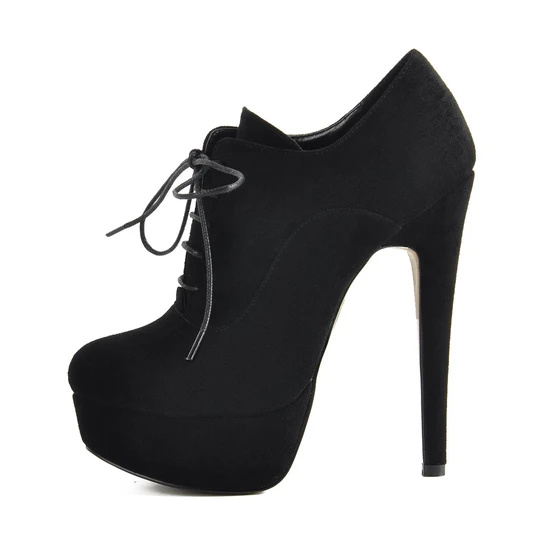
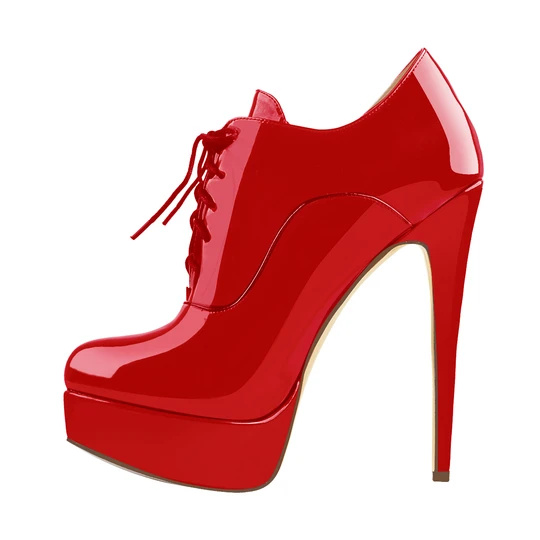
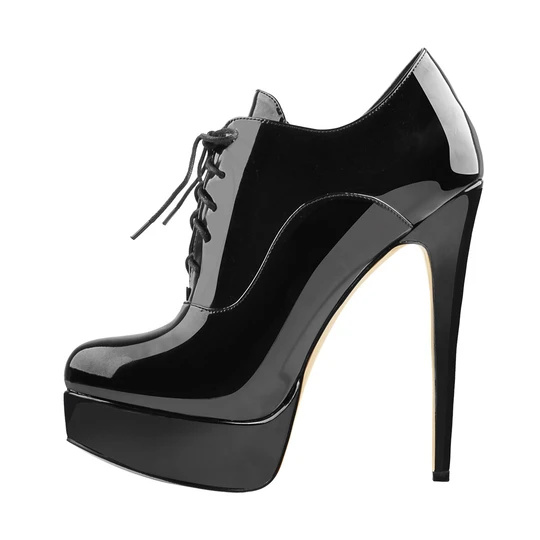
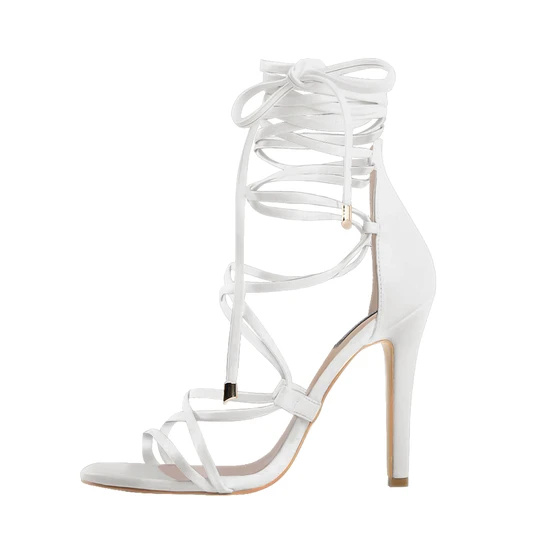
Stiletto Heels Application Sets the Industry Standard
Top Selling Products


- Related Blog
- Reviews
- Reviews
