
Leather For Footwear - Wholesale Leather Manufacturer
I am proud to present Leather For Footwear that fits the needs of Wholesale buyers and Manufacturers looking for reliable supply and steady pricing. We are a direct Manufacturer with in-house tanning, cutting, and finishing, so I can promise consistent thickness, grain integrity and color match across orders. Whether you need full hides or split leather, we can tailor thickness from 1.8mm to 2.8mm and offer top-grain or corrected-grain options. Our color range covers classic blacks and browns plus seasonal hues. I ship promptly with flexible MOQs and scalable capacity to grow with your demand. From sample to production, I provide full documentation, sustainability notes, and QA reports to minimize risk. If you are sourcing Leather For Footwear for volume sales, I think you'll appreciate our transparent wholesale terms, fast lead times, and co-design options for private labels. Let me know your specs and we’ll match them with precision.


Leather For Footwear For the Current Year Trusted by Pros
As the current year unfolds, leather for footwear continues to balance performance and comfort. Global buyers rely on hides with consistent grain, strong abrasion resistance, and reliable dye uptake. Advancements in tanning and finishing—color fastness, moisture management, and a softer hand—extend wear life without sacrificing feel. Uniform thickness and scalable production support seasonal demand and supply stability. Leather trusted by professionals for performance and reliability. Today’s market rewards transparent sourcing and ethical production. Suppliers offering traceability, third‑party certifications, and lower environmental impact reduce risk in global supply chains. Whether for casual sneakers, performance boots, or formal footwear, the best leathers deliver durability, comfort, and timeless aesthetics. When evaluating options, seek consistent QC data, flexible MOQs, and predictable lead times to secure a resilient supply for the year ahead.
Leather For Footwear For the Current Year Trusted by Pros
| Leather Type | Typical Thickness (mm) | Durability (1-5) | Breathability (1-5) | Water Resistance (1-5) | Tanning Method | Sustainability Rating | Common Uses | Color Range |
|---|---|---|---|---|---|---|---|---|
| Full-Grain Leather | 1.1 | 5 | 4 | 5 | Chrome-tanned with natural grain and protective topcoat | A | Dress boots, rugged outdoor footwear | Natural, black, brown |
| Top-Grain Leather | 1.0 | 4 | 4 | 4 | Chrome-tanned, finished surface | B | Casual and dress shoes | Black, brown, tan |
| Nubuck Leather | 1.0 | 4 | 4 | 3 | Chrome-tanned, buffed to nap | B | Premium casual boots, sneakers | Camel, taupe, gray, black |
| Suede Leather | 0.8 | 3 | 4 | 2 | Chrome-tanned, buffed to nap | B | Casual shoes, loafers | Beige, brown, navy |
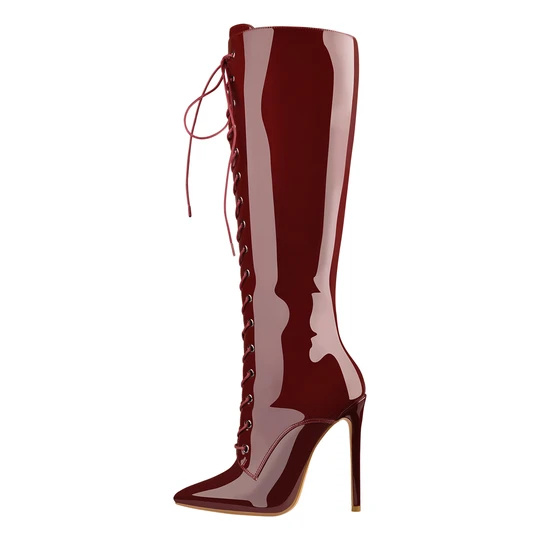
| Patent Leather | 0.9 | 4 | 3 | 5 | Pigmented coated leather | C | Formal shoes, dress sandals | Black, oxblood |
| Oiled Leather | 1.2 | 4 | 3 | 4 | Semi-aniline with oil finish | B | Work boots, outdoor footwear | Natural brown, cinnamon |
| Aniline Leather | 1.0 | 4 | 5 | 3 | Aniline-dyed, minimal protective finish | A | Designer dress shoes, premium boots | Natural browns, tan |
Related Products


Leather For Footwear Market Leader Sets the Industry Standard
Top Selling Products


- Related Blog
- Reviews
- Reviews
