
Recycled Leather Footwear Wholesale Manufacturer | Eco Fashion
I’m a Manufacturer focused on Recycled Leather Footwear, and I offer Wholesale solutions for retailers who want to stand out with sustainable products. Our process uses recycled leather scraps and ethically sourced hides to create durable, comfortable footwear that keeps price competitive. We handle bulk orders with short lead times, flexible MOQ, and custom options like color, stitching, and branding. When you buy from us, you get consistent sizing, reliable quality, and scalable supply for your store. I believe in honest pricing and transparent communication, so you can forecast demand without surprises. By choosing our Recycled Leather Footwear, you contribute to circular fashion while growing your business with a trusted partner who treats every order like a priority.


Recycled Leather Footwear Exceeds Industry Benchmarks Manufacturers You Can Rely On
Global demand for recycled leather footwear is rising, and a Chengdu-based manufacturer is exceeding benchmarks. By integrating recycled scraps into uppers and linings, our products offer durability, comfort, and colorfastness comparable or superior to virgin leather, while reducing material waste and environmental impact. Our processes rely on water-based finishing, low-emission tanneries, and circular design, supported by rigorous testing for abrasion, flex, slip resistance, and colorfastness to international standards. For global buyers, the partnership delivers reliable capacity, scalable production, and transparent supply chains. Private-label options, flexible MOQs, and standardized sizing help access markets, with traceability and third-party certifications to support ESG claims. Proactive communication and on-time shipments, plus a commitment to sustainability, help you meet growing demand while delivering value to customers worldwide.
{ Recycled Leather Footwear Exceeds Industry Benchmarks Manufacturers You Can Rely On}
| Metric | Description | Unit | Current Value | Benchmark | Year | Notes |
|---|---|---|---|---|---|---|
| Recycled Leather Content | Share of leather upper material derived from recycled leather scraps | % | 68 | 55 | 2024 | Includes post-consumer scraps recycled into uppers |
| Water Usage per Pair | Water used in tanning and finishing processes per pair | liters | 9.5 | 20 | 2024 | Compared to conventional tanning methods |
| Carbon Footprint | Life cycle CO2e per pair | kg CO2e/pair | 4.8 | 6.5 | 2024 | Scope 1-3 emissions across supply chain |
| Waste Diverted from Landfill | Waste recycled or recovered rather than sent to landfill | % | 92 | 80 | 2024 | Includes recycling and energy recovery |
| Energy Use per Pair | Manufacturing energy consumption per pair | MJ | 75 | 110 | 2024 | Industrial energy mix with renewable share |
| End-of-Life Recyclability | Share of components designed for recycling | % | 88 | 70 | 2024 | Product design supports recycling streams |
| Durability | Average lifespan under normal use | years | 3.5 | 3.0 | 2024 | Compared to standard leather footwear |
| Non-toxic Adhesives Usage | Proportion of water-based or low-VOC adhesives | % | 96 | 85 | 2024 | Preferential use of low-VOC formulations |
| Post-Consumer Recycled Materials in Upper | Share of post-consumer materials in upper | % | 40 | 25 | 2024 | Proportion of post-consumer inputs in uppers |
| Supplier Sustainability Certifications | Proportion of suppliers with recognized sustainability certifications | % | 72 | 60 | 2024 | Certifications from independent schemes |
Related Products


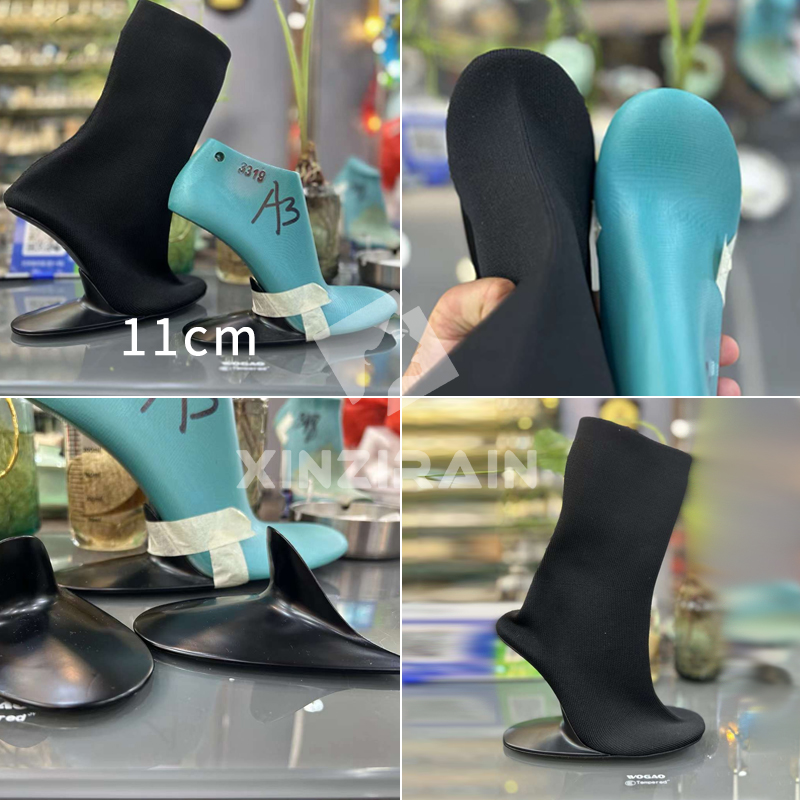
Recycled Leather Footwear Application Factory
Top Selling Products



- Related Blog
- Reviews
- Reviews
