
Designer shoe components - Wholesale & Manufacturer Solutions
I am a reliable Manufacturer specializing in Designer shoe components for Wholesale partners. I design and source upper trims, insoles, midsoles, outsoles, eyelets, threads and padding with consistent color, fit and durability. When you order Designer shoe components from me, you get repeatable quality, strict QC and packaging that fits your line. My team coordinates material grading, testing, and short lead times, so you can scale production without surprises. I offer flexible MOQ for Wholesale buyers and competitive pricing that protects your margins. I personally oversee each batch to ensure it meets my high standards, because your brand deserves premium parts. If you need customization like logo imprint, color matching or proprietary fasteners, I can accomodate. Partner with me and streamline your supply chain with dependable Designer shoe components that boost value and reduce risk for your next collection.

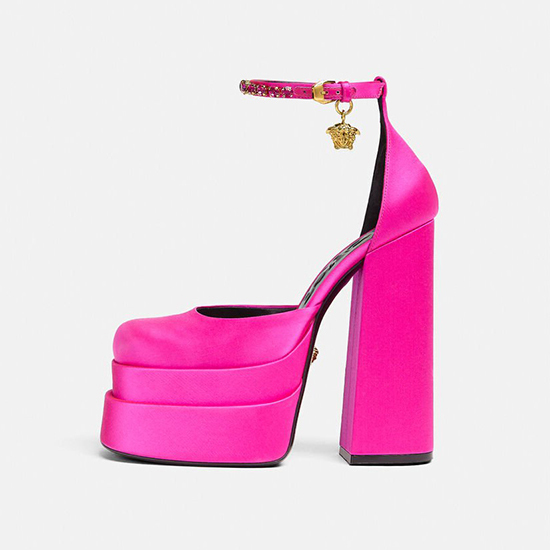
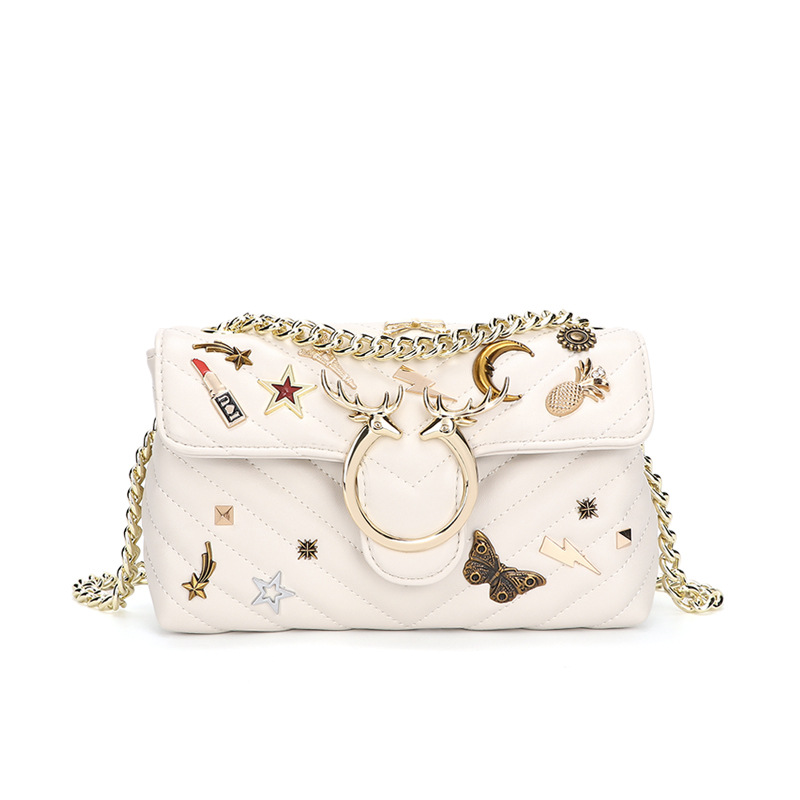
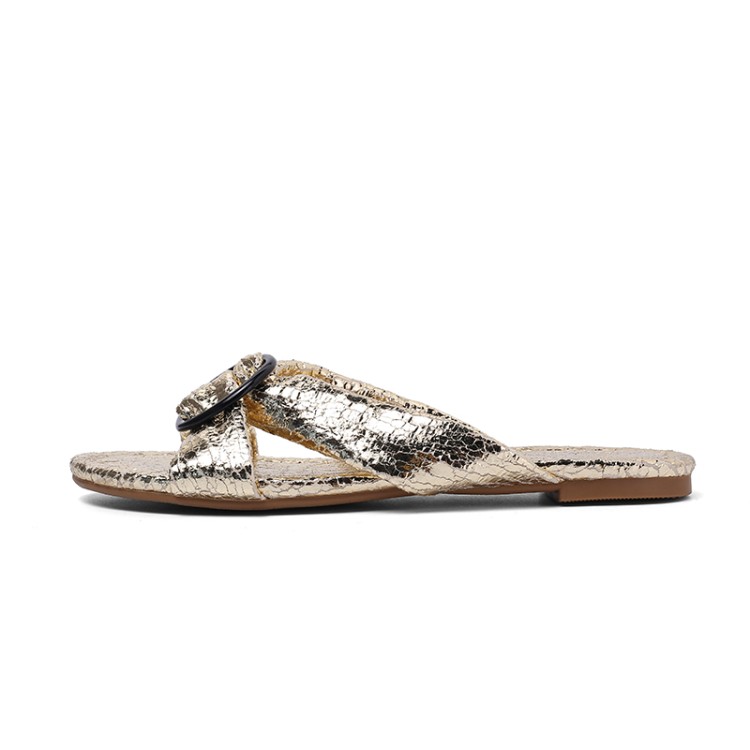
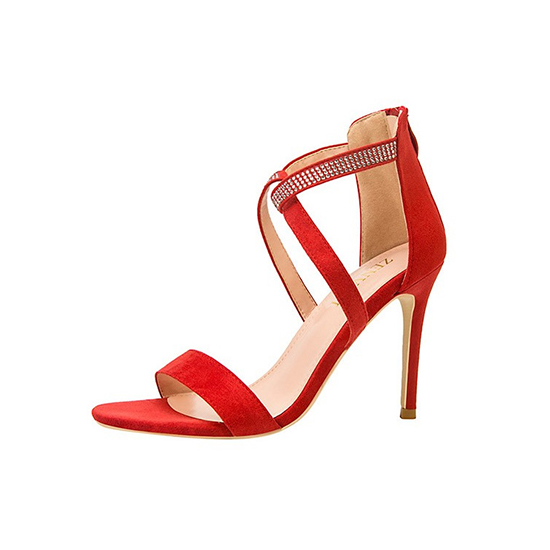
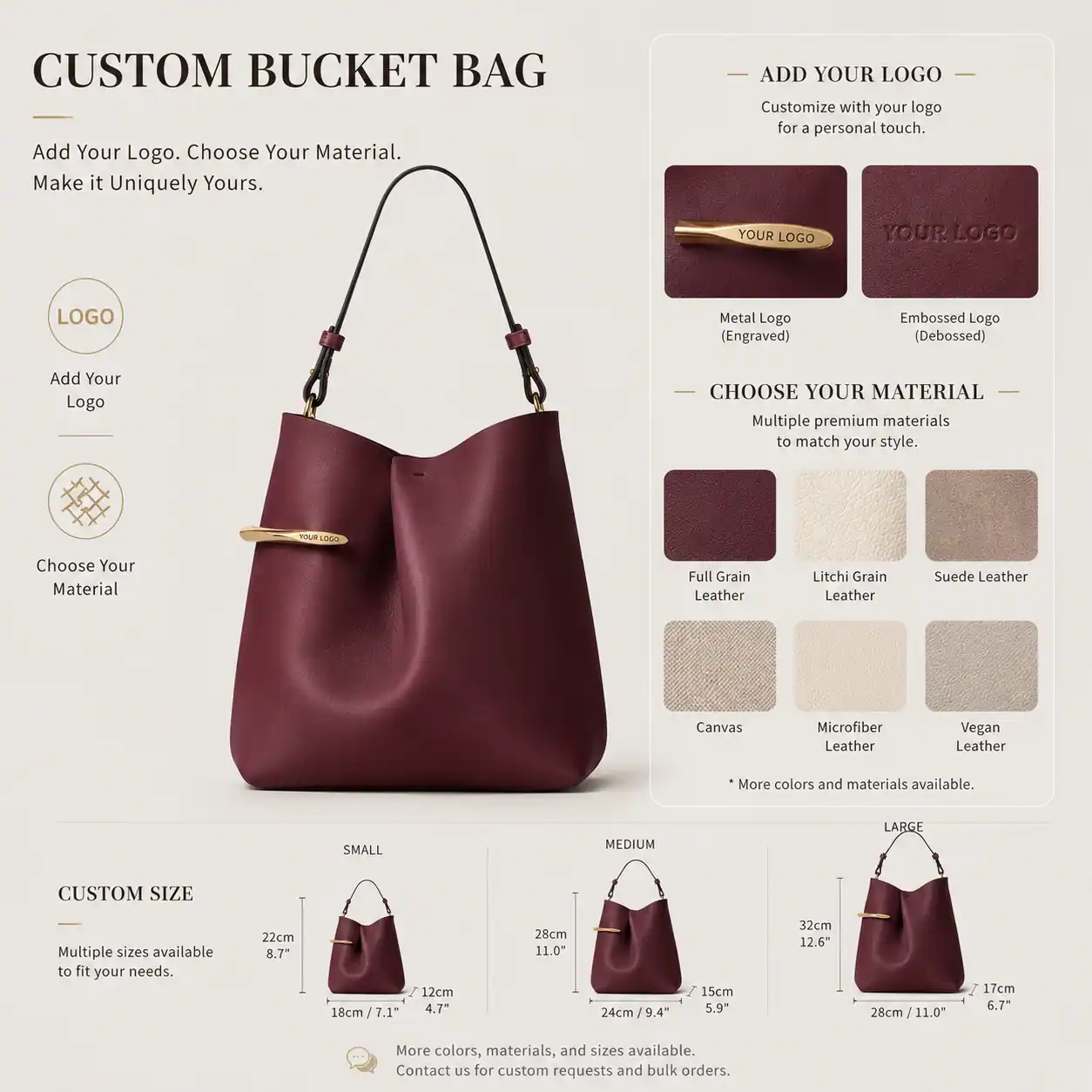
Designer shoe components Stands Out Industry Leaders
Design-driven shoe components stand out by fusing form, comfort, and performance. Innovative outsoles deliver grip, durability, and light weight through precision geometry and advanced materials. Reinforced shanks and carbon-fiber inserts provide stability without bulk, while sole-insert systems optimize energy return. Upper assemblies combine cut-to-length leathers, breathable textiles, and micro-perforations that adapt to movement. Seamless constructions, heat-sealed edges, and molded counters create a premium silhouette with lasting durability. Sustainable choices—recycled materials, plant-based foams, and low-VOC adhesives—are increasingly shaping luxury without compromise. For global buyers, the value is a reliable, scalable source of ready-to-integrate components and engineering support from concept to production. Strong QC, traceability, and certifications ensure consistency. Flexible MOQs, rapid prototyping, and design collaboration shorten time-to-market, while modular kits simplify customization and streamline sourcing across regions.
| Component | Material Type | Typical Subcomponents | Weight (g) | Flexibility (1-5) | Durability (1-5) | Comfort Impact (1-10) | Sustainability Score (0-100) | Processing Method | Lifecycle (months) |
|---|---|---|---|---|---|---|---|---|---|
| Upper (Full-Grain Leather) | Leather | Leather surface, Lining, Stitching | 180 | 3 | 5 | 8 | 55 | Stitched panel + Goodyear welt | 60 |
| Upper (Synthetic Microfiber) | Synthetic Microfiber | Microfiber upper, bonded seams | 120 | 4 | 4 | 7 | 65 | Bonded construction | 50 |
| Lining (Textile Mesh) | Polyester Mesh | Polyester mesh, foam backing | 40 | 5 | 3 | 6 | 70 | Stitched | 36 |
| Insole (EVA Foam) | EVA Foam | Shaped foam, anti-microbial cover | 60 | 4 | 3 | 9 | 60 | Molded foam | 24 |
| Midsole (EVA/TPU) | EVA + TPU | EVA core with TPU plate | 45 | 4 | 4 | 8 | 58 | Molded assembly | 24 |
| Outsole (Rubber Compound) | Rubber | Tread rubber, outsole pattern | 180 | 3 | 5 | 7 | 40 | Molded rubber with tread | 48 |
| Stabilizer Plate (TPU) | TPU | TPU shank, stiffness plate | 20 | 2 | 4 | 6 | 50 | TPU injection | 60 |
Related Products
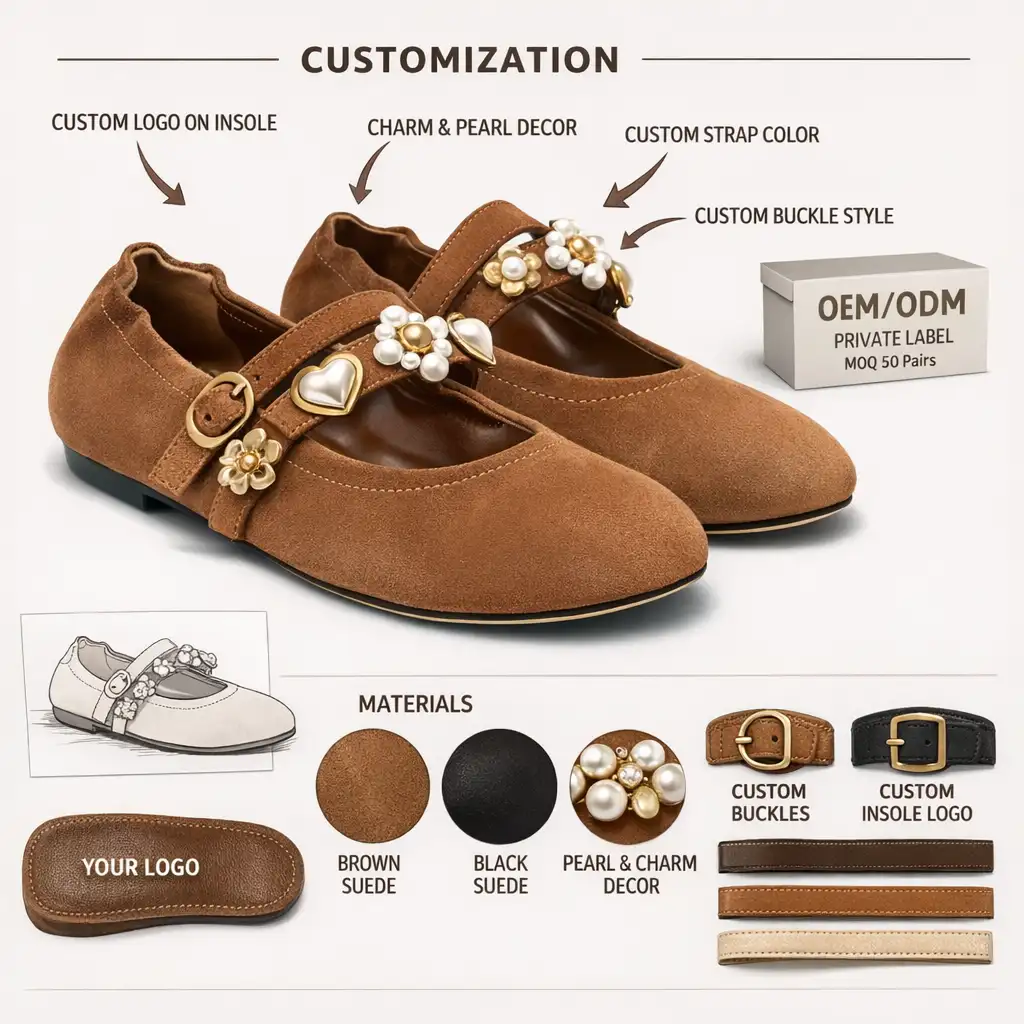
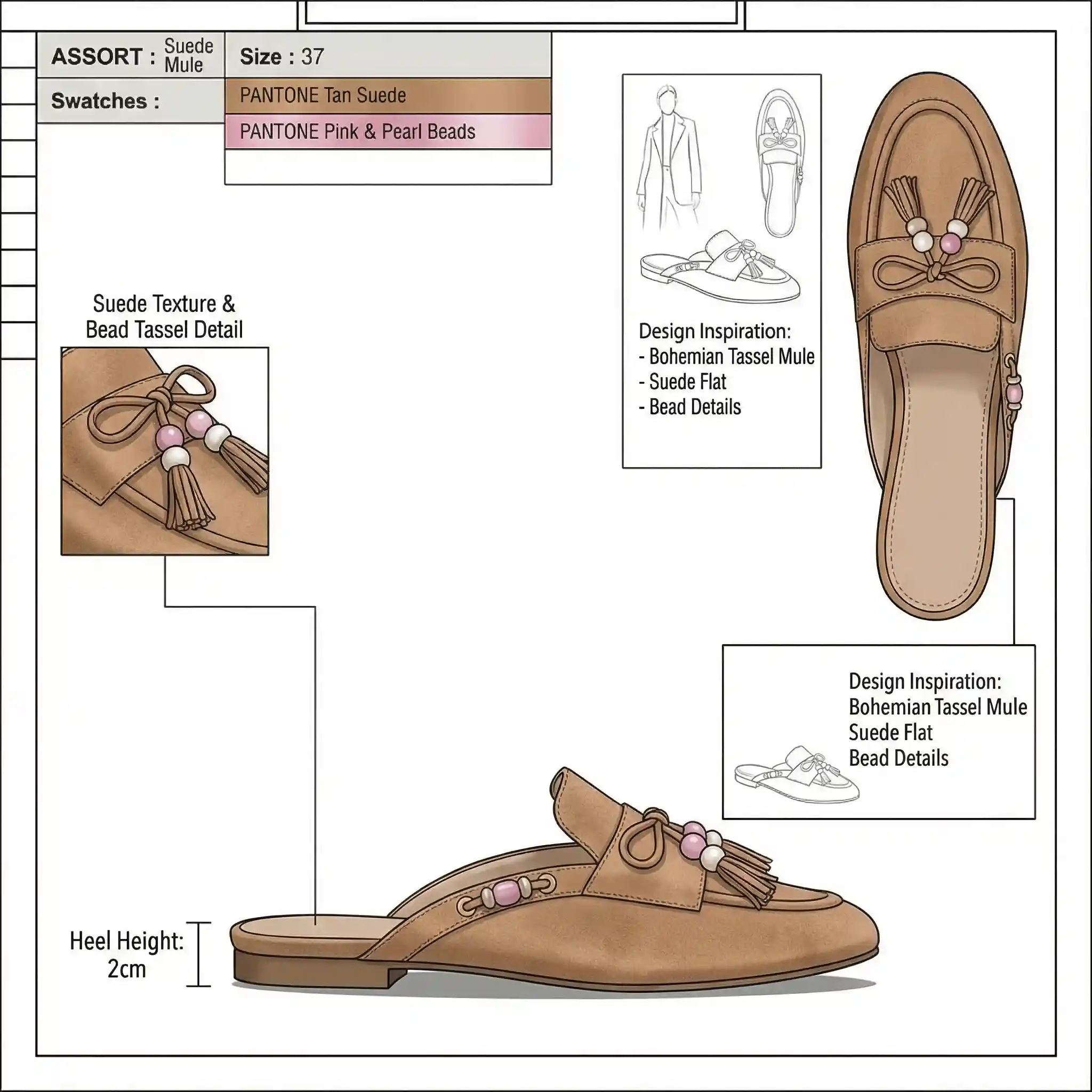
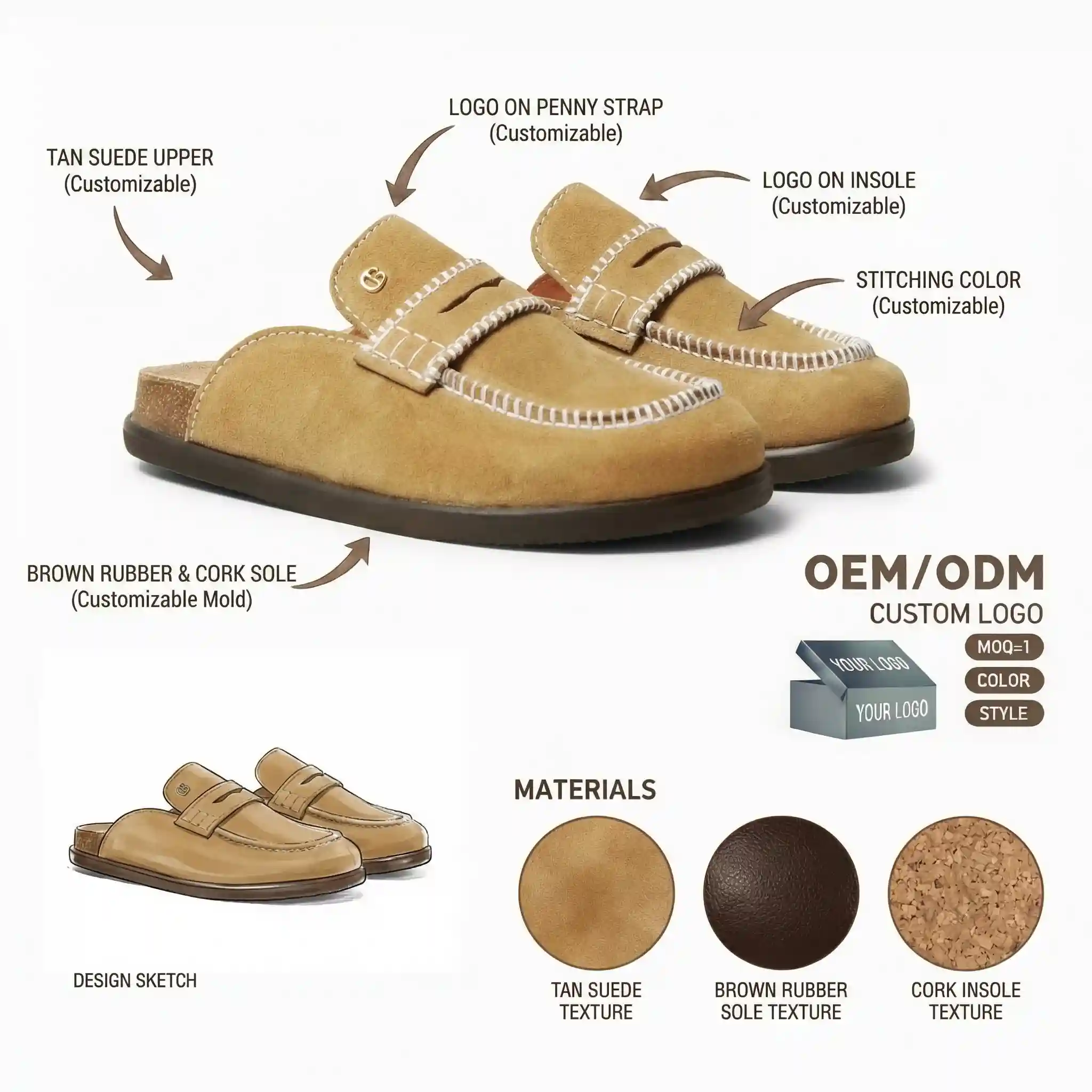


Designer shoe components Delivers Unmatched Quality Exceeds Industry Benchmarks
Top Selling Products
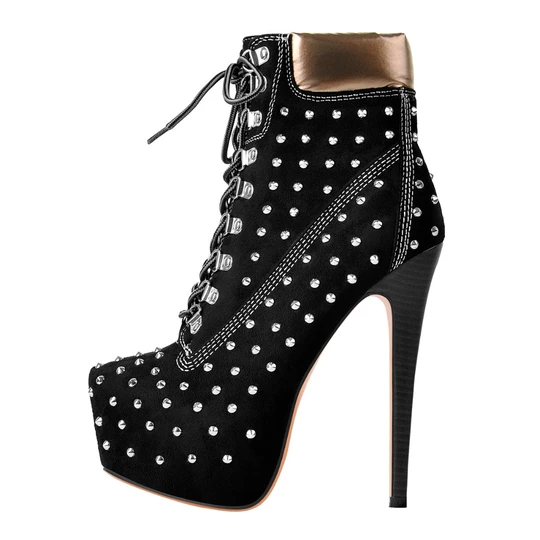

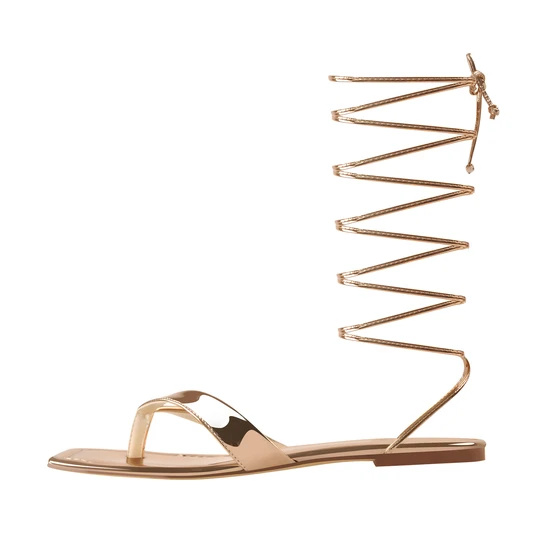
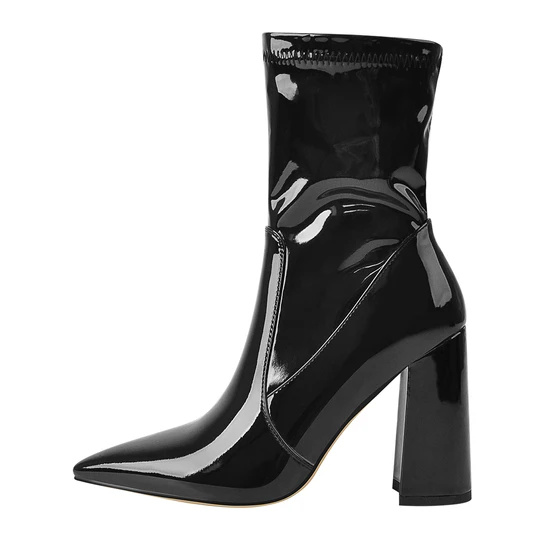


- Related Blog
- Reviews
- Reviews
