
Shoe Company: Wholesale Manufacturer for Global Footwear Brands
As part of Shoe Company, I craft footwear solutions that scale with your business. I focus on steady, dependable supply for Wholesale buyers and Manufacturer partners like you. You’ll get durable uppers, ergonomic lasts, and batch-friendly QA that keeps sizes and colorways consistent across orders. We offer flexible MOQs, clear lead times, and responsive service, so you can plan production without surprises. My team and I build private labels and co-develop styles that fit your market, with fast prototyping and scalable manufacturing. We ship global, with transparent pricing and risk-free samples, helping you grow margins and accelerate your own sales. With Shoe Company as your manufacturing partner, I stand behind every shipment, every cut, and every stitch, because your success is our success. Let’s start with a simple inquiry and see how we can smartly align production to your demand.
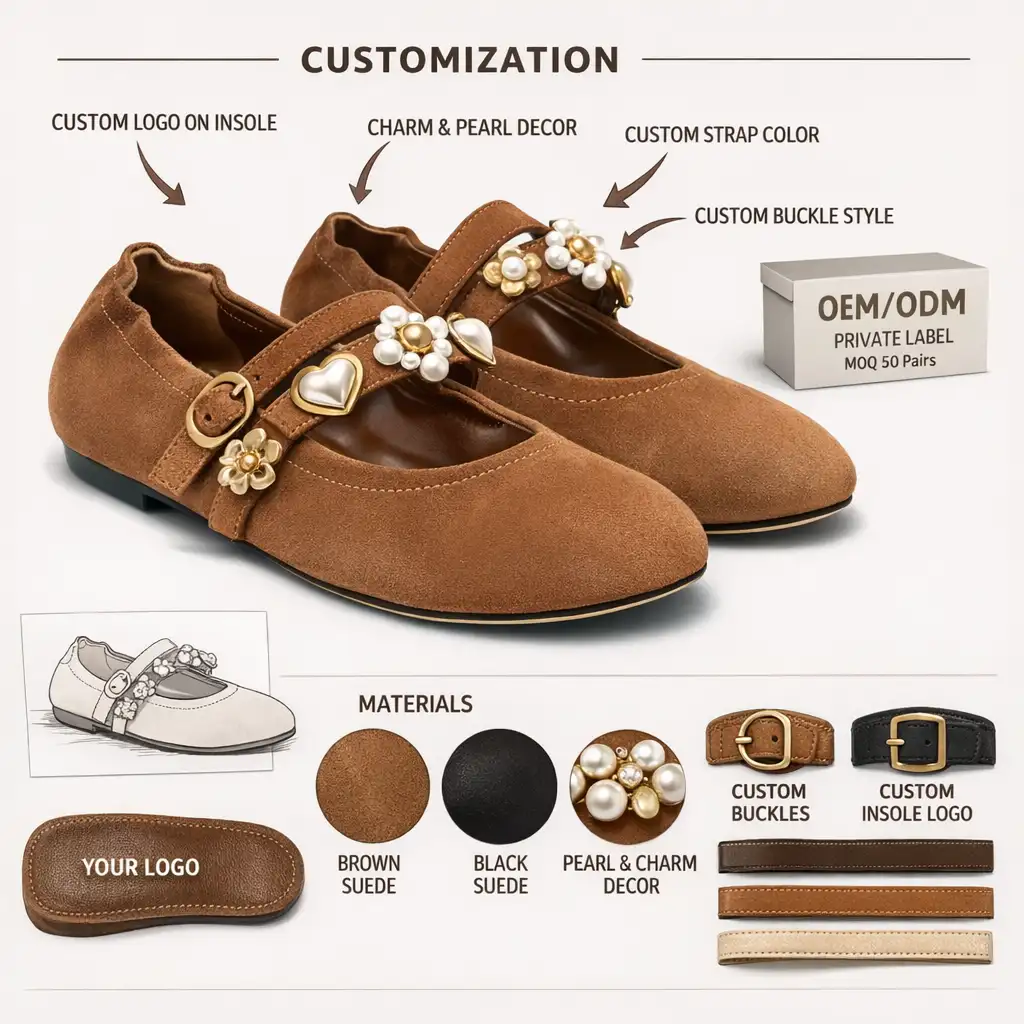
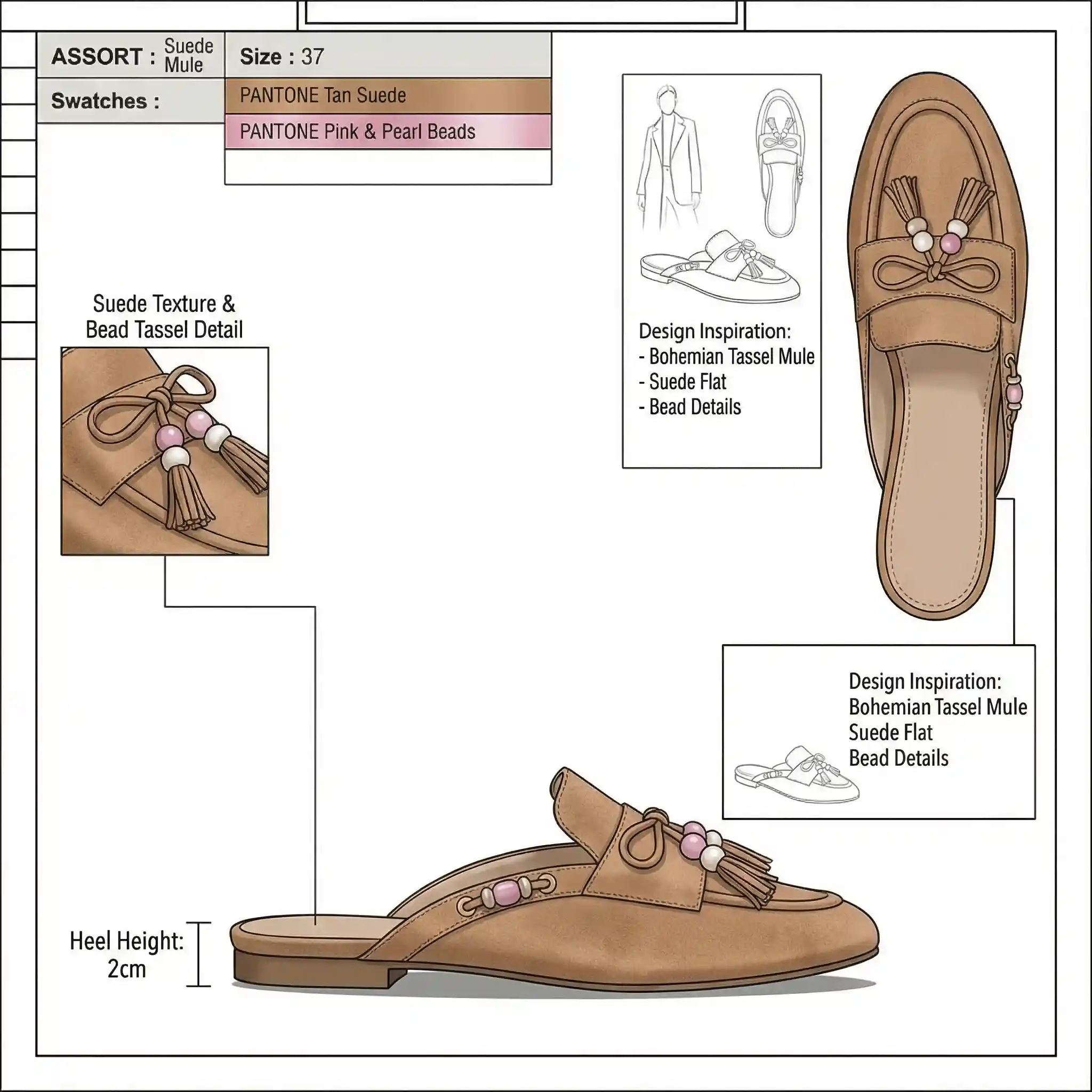
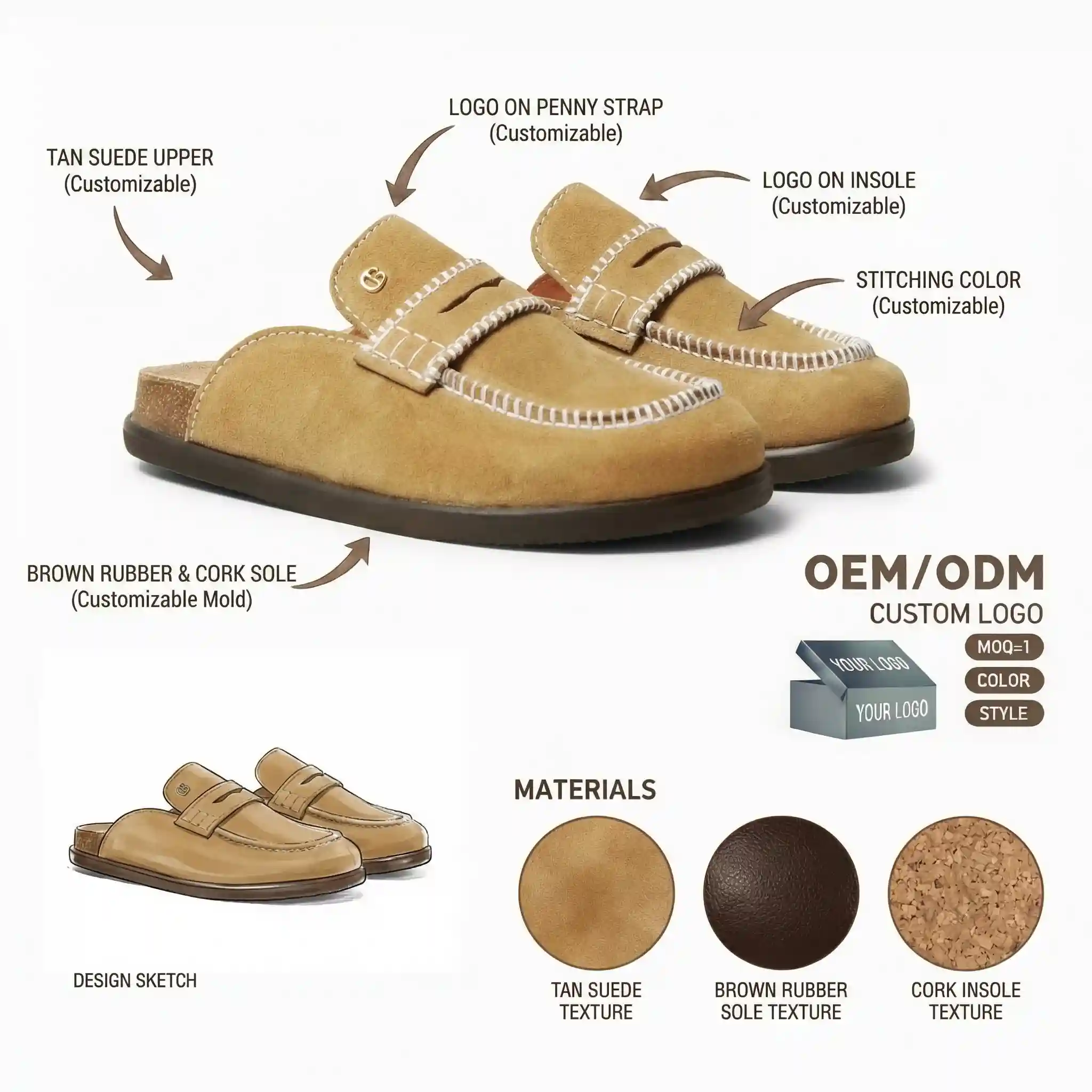


Shoe Company Your Trusted OEM Partner More Than a Supplier - A Partner
In today’s footwear market, buyers don’t just purchase products—they seek a partner who can co-create and accelerate time to market. An OEM partner with design support, material guidance, and tooling know-how turns concepts into scalable products. From early samples to private labeling and flexible MOQs, you gain collaboration that reduces risk and preserves your brand standards. Quality and compliance are built in. A true partner applies rigorous QA across fabrics, components, stitching, and durability testing, while providing end-to-end supply chain visibility and proactive risk management. Certified facilities and traceable processes ensure regulatory compliance and ethical production for global markets. Partnering with a dependable OEM provider yields faster time to market, predictable costs, and continuous improvement. You gain design-to-delivery excellence, transparent communication, and a long-term relationship that adapts to demand cycles. By sharing data and forecasts, they become a strategic extension of your brand, helping you scale with consistent quality.
| Dimension | Specification / Metric | Typical Values / Standards |
|---|---|---|
| Manufacturing Processes | Core on-site capabilities | Injection molding, compression molding, vulcanization, strobel stitching, cementing, heat-press, direct-attach, CNC tooling, automated cutting |
| Materials Expertise | Common material types handled | EVA, PU, TPU, rubber compounds, textile uppers (knit/woven), synthetic leather, natural leather, recycled foam blends |
| Quality & Testing Standards | Industry tests supported | ISO 9001 quality systems; ISO 20344/20347 (footwear test methods); ASTM D412 (tensile); ISO 4649 (abrasion); REACH & RoHS screening; peel and flex tests per client standards |
| Quality Metrics | Operational performance indicators | AQL protocol commonly applied: 2.5; typical defect rate (post-inspection): <0.5%; on-time delivery rate >95%; return rate <1% for mass production |
| Lead Times | Typical schedule phases | Prototype: 7–14 days; Pre-production sample: 2–4 weeks; Mass production ramp: 6–12 weeks depending on complexity and seasonal peak |
| Sample & Development | Support offerings | CAD/CAM design, 3D printing for rapid prototyping, nested pattern development, material trials, iterative fit sessions with structured feedback cycles |
| R&D & Technical Team | Capabilities | Cross-functional engineers and designers experienced in biomechanical fit, mold design, materials science, and durability testing; iterative validation protocols |
| Sustainability Credentials | Environmental measures | ISO 14001 practices; recycled content integration up to ~30% in selected components; chemical compliance (REACH screening); water-use reduction initiatives >20% year-over-year in recent projects |
| Traceability & Compliance | Documentation & support | Full material certificates of compliance, batch traceability records, testing reports, assistance with CE/EN declarations or customer-required certification workflows |
| Packaging & Logistics Support | Options provided | Custom packing specs, bulk and retail-ready packaging prep, labeling compliance, export documentation support for major trade regions |
| Typical Minimum Order Thresholds | Order sizing guidance | Small-batch production and pilot programs supported; common MOQ range per SKU for full production programs typically from a few hundred to a few thousand pairs depending on process and tooling |
| Regions Served | Primary export destinations | North America, Europe, Asia-Pacific, Latin America — compliance and testing aligned to regional buyer expectations |
Related Products


Shoe Company Exceeds Industry Benchmarks Your Trusted OEM Partner
Top Selling Products

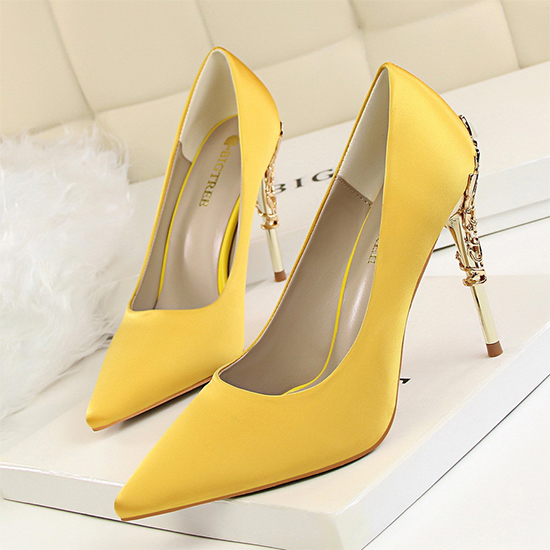

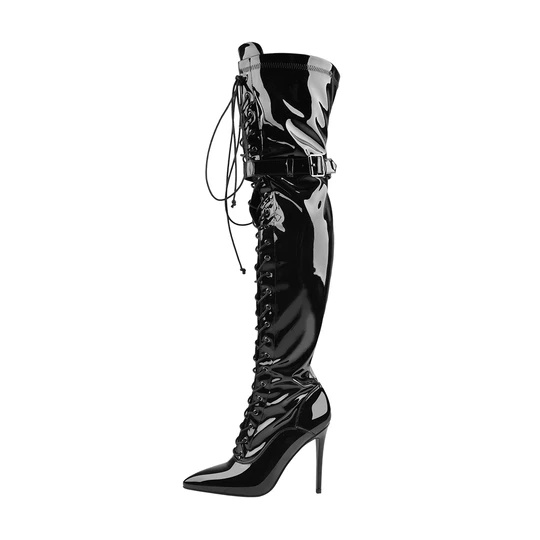
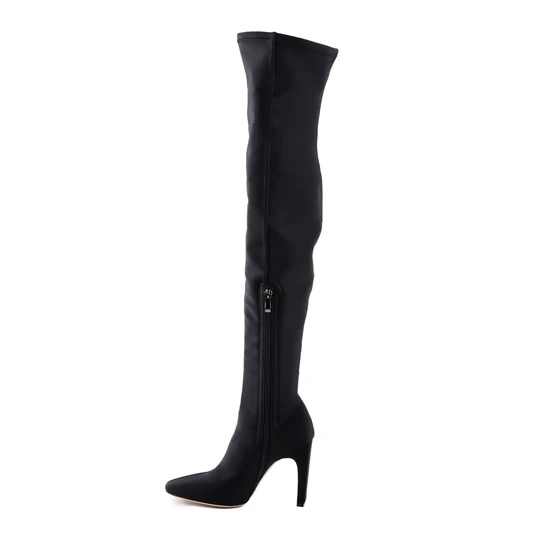


- Related Blog
- Reviews
- Reviews
