
Stylish Custom Shoe Manufacturing: Wholesale Manufacturer Solutions
From my workshop I bring Stylish Custom Shoe Manufacturing to partners who want real value in every stitch. I work with Wholesale buyers and Manufacturer teams who need scalable, design-led footwear with fast turnarounds. We offer full customization: uppers, soles, laces, colors, branding, and packaging—all tailored to your style and market. I handles small pilot orders to large production runs, with strict QC and on-time delivery. Our materials are sourced responsibly, and we can support private label programs and ODM/OEM collaborations. I provide transparent pricing, flexible MOQs, and digital design support to speed up approval. Lead times are shortened with parallel sampling, so you can start selling sooner. I deliver samples quickly, then mass production with consistent color and fit. If you’re looking for a reliable partner for Wholesale needs or Manufacturer projects, let's connect and walk through your specs.


Stylish Custom Shoe Manufacturing Application Products
Stylish custom shoe manufacturing turns design concepts into market-ready footwear with a production-focused workflow. Global buyers can tailor materials, colors, textures, last shapes, sizing, and packaging, including private labeling to mirror brand DNA. From fashion sneakers to refined leather styles, rapid prototyping and pilot runs bridge concept to mass production. Core capabilities blend automation with craftsmanship: smart cutting, precise stitching, lasting, vulcanization, and dependable outsole bonding, all under stringent quality checks. Material options span premium leathers, synthetics, knit uppers, and recycled fabrics. Custom features such as insole geometry, waterproofing, reflectivity, and branding can be integrated. Flexible minimums and scalable volumes support samples or large orders, guided by clear tech packs.
Stylish Custom Shoe Manufacturing Application Products
| Product ID | Product Name | Shoe Type | Upper Material | Outsole Material | Lining Material | Customization Focus | Size Range (US) | Color Options | Manufacturing Stage | Avg Lead Time (days) | Durability Rating | Comfort Score | Weight (g) | Production Capacity (pairs/mo) |
|---|---|---|---|---|---|---|---|---|---|---|---|---|---|---|
| P-1001 | AeroFlex Run Pro | Running | Knit mesh upper | Rubber with tread | Moisture-wicking textile | Fit & Arch Support | 6-14 US | Black, White, Navy | Prototype | 28 | 4 | 9 | 260 | 1200 |
| P-1002 | LevaCourt Classic | Casual | Calfskin leather | TPU sole | Cotton blend | Aesthetic customization | 5-12 US | Brown, Black, Tan | Validation | 21 | 4 | 8 | 380 | 850 |
| P-1003 | StormGrip Trail | Trail | Water-resistant knit | Vibram rubber | Waterproof membrane | Weatherproofing | 7-13 US | Olive, Black | Mass Production | 32 | 5 | 8 | 420 | 600 |
| P-1004 | UrbanEdge Knit | Casual | Knit upper | EVA foam with rubber tread | Fabric lining | Colorway customization | 6-11 US | Grey, Black, Sky | Prototype | 18 | 3 | 7 | 320 | 1000 |
| P-1005 | ZenStep Studio | Dress | Smooth leather | Leather and synthetic blend | Silk-soft lining | Premium finish | 5-12 US | Black, Burgundy | Mass Production | 24 | 4 | 7 | 420 | 420 |
| P-1006 | PeakMotion Trail | Trail | Hydrophobic suede | Sticky rubber with lug pattern | Mesh | Grip and protection | 6-15 US | Oak, Black, Red | Mass Production | 30 | 5 | 8 | 560 | 700 |
| P-1007 | AeroLite Racer | Running | Engineered mesh | Rubber with carbon plate | Moisture-wicking foam | Lightweight customization | 5-11 US | White, Black, Neon | Validation | 16 | 4 | 9 | 210 | 900 |
| P-1008 | SilkTouch Court | Court | Synthetic leather | Rubber herringbone | Padded fabric | Grip pattern customization | 7-13 US | Beige, Navy | Prototype | 20 | 3 | 7 | 500 | 480 |
| P-1009 | Voyager City | Urban Walking | Hybrid leather & knit | Rubber with foam midsole | Soft textile | Ergonomic fit | 6-12 US | Tan, Black, Olive | Mass Production | 22 | 4 | 8 | 380 | 1100 |
| P-1010 | Nimbus Zero | Everyday | Spun-knit fabric | EVA foam | Breathable mesh | Thermal insulation option | 5-13 US | Grey, Black, White | Prototype | 14 | 3 | 8 | 300 | 1500 |
Related Products
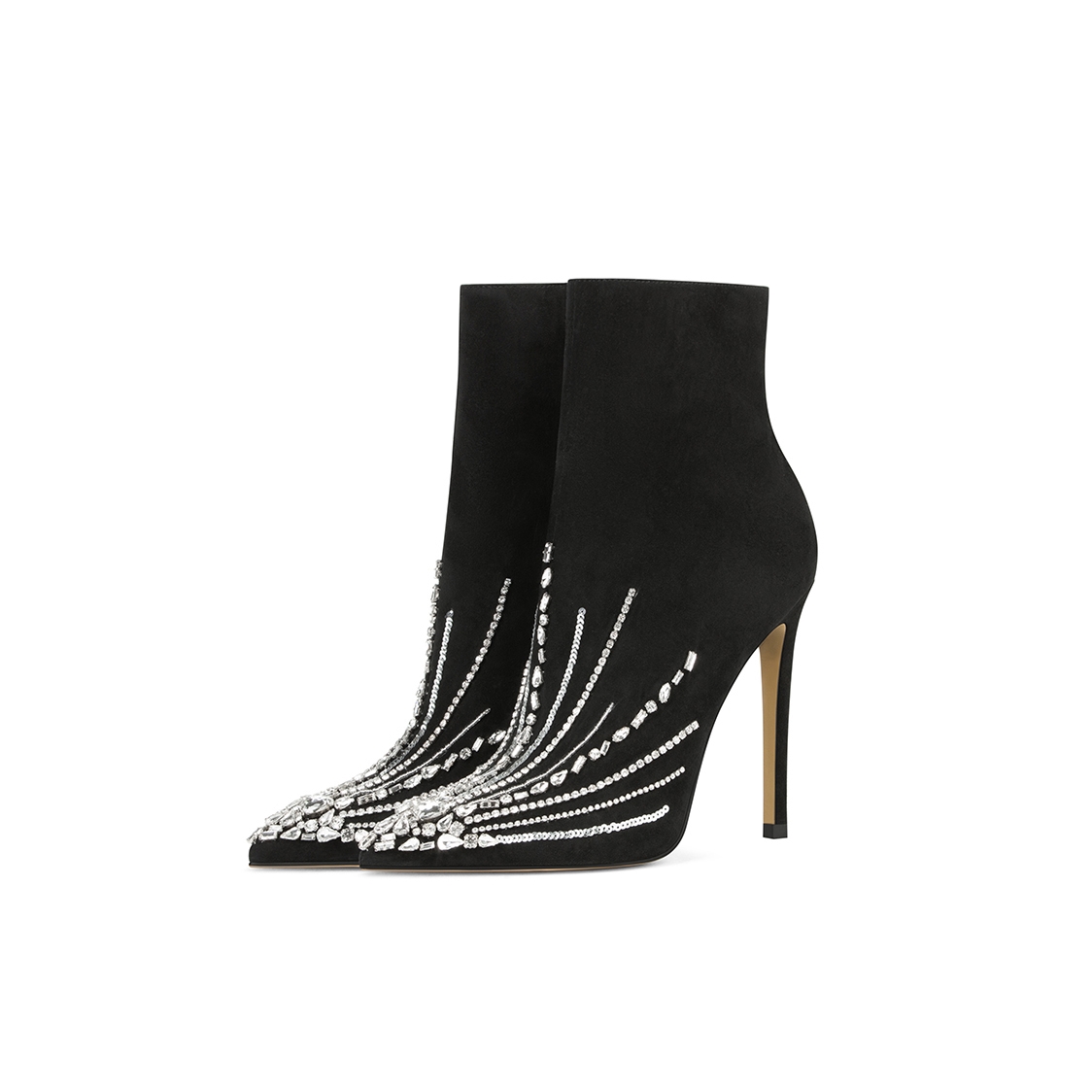





Stylish Custom Shoe Manufacturing Products Ahead of the Curve
Top Selling Products


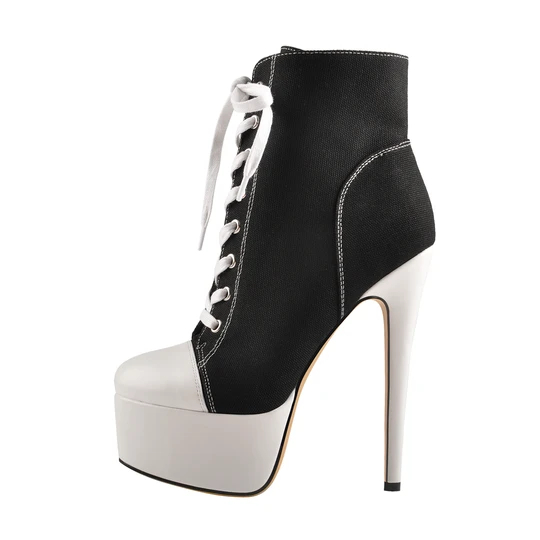

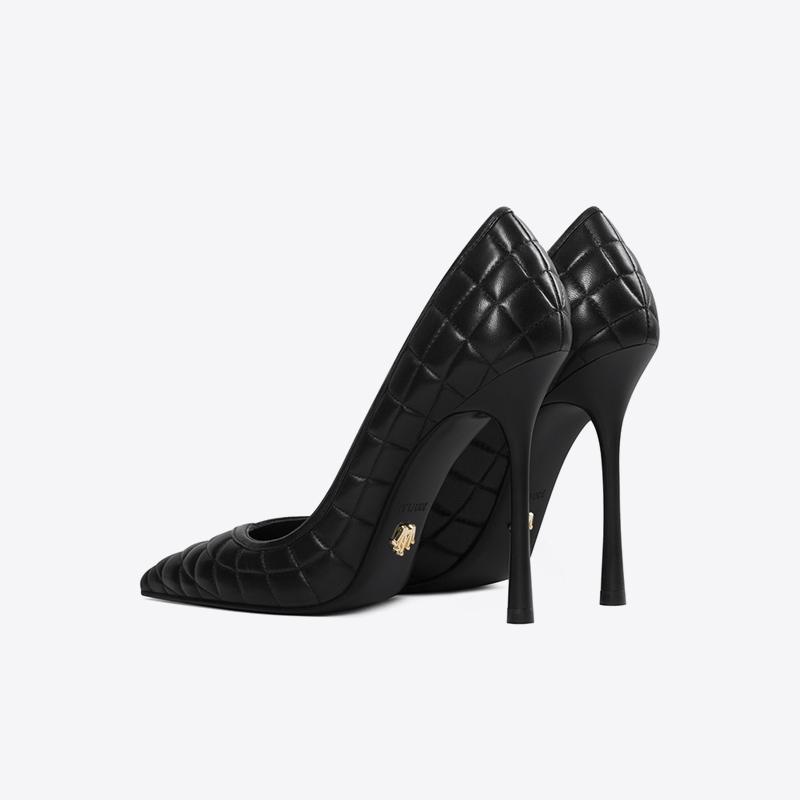
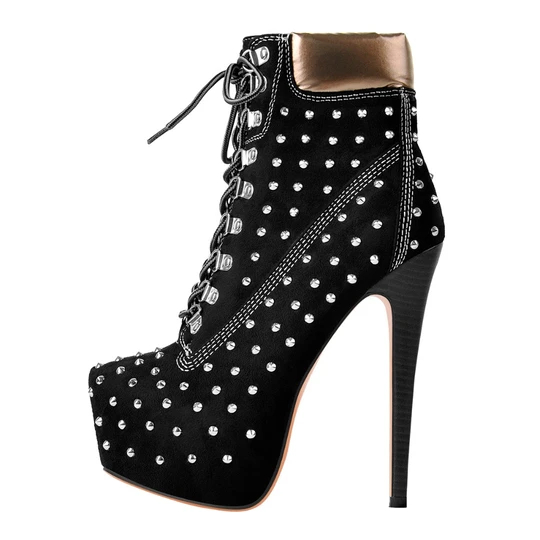
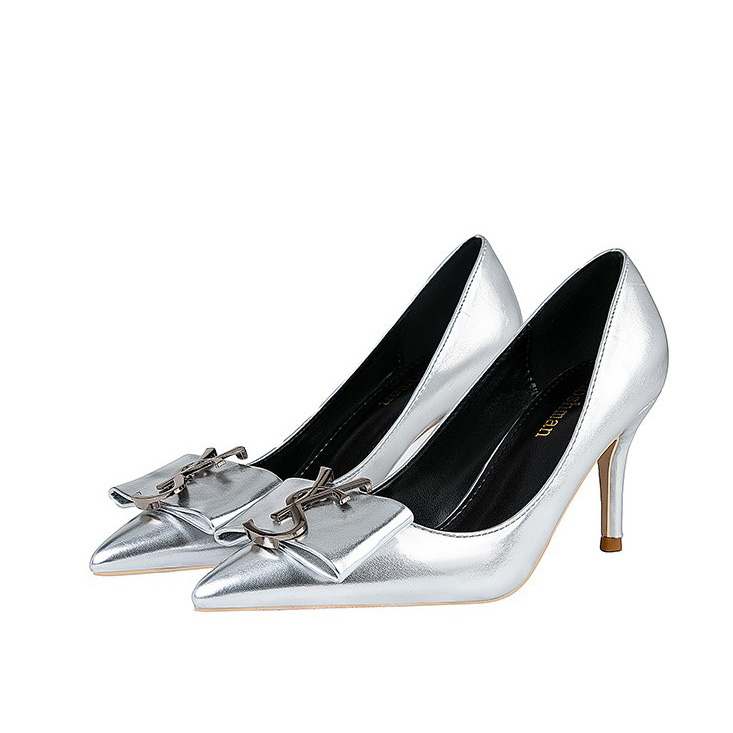
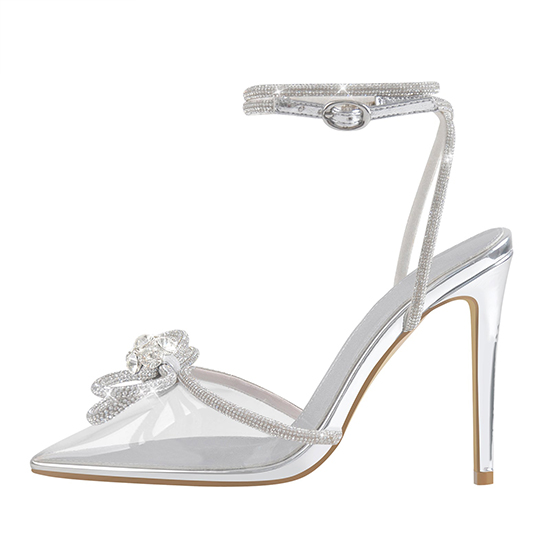

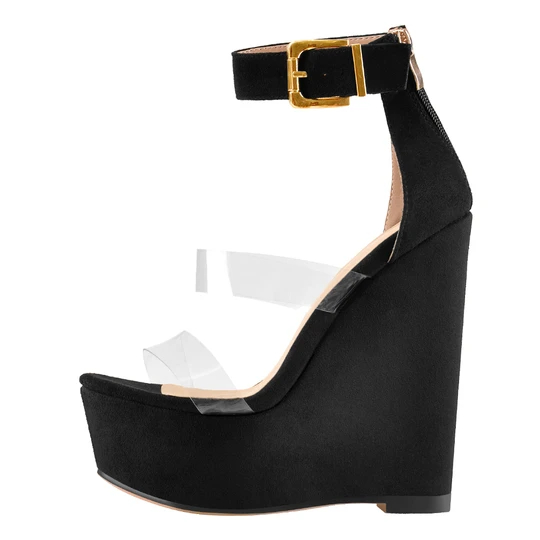
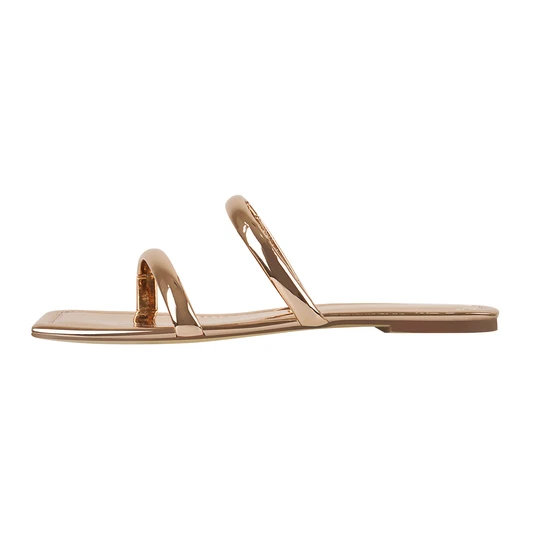
- Related Blog
- Reviews
- Reviews
