
Casual Mules Shoes: Wholesale Manufacturer for Quality Footwear
I'm here to offer the Casual Mules Shoes that blend comfort with style for retailers and distributors. As a Manufacturer, we provide Wholesale options, flexible MOQs, and fast lead times to help your catalog stand out. Crafted with durable uppers and cushioned footbeds, these slip-on mules are easy to restock and ship. The design suits uniforms, boutique stores, and online platforms alike, making it a versatile addition to any footwear lineup. I can customize colors, branding, and packaging to suit your market, and we support drop-ship and bulk shipments. Our team ensures quality checks at every stage, so you get consistent performance. If you’re expanding your product range, these Casual Mules Shoes deliver reliable margins and repeat orders.


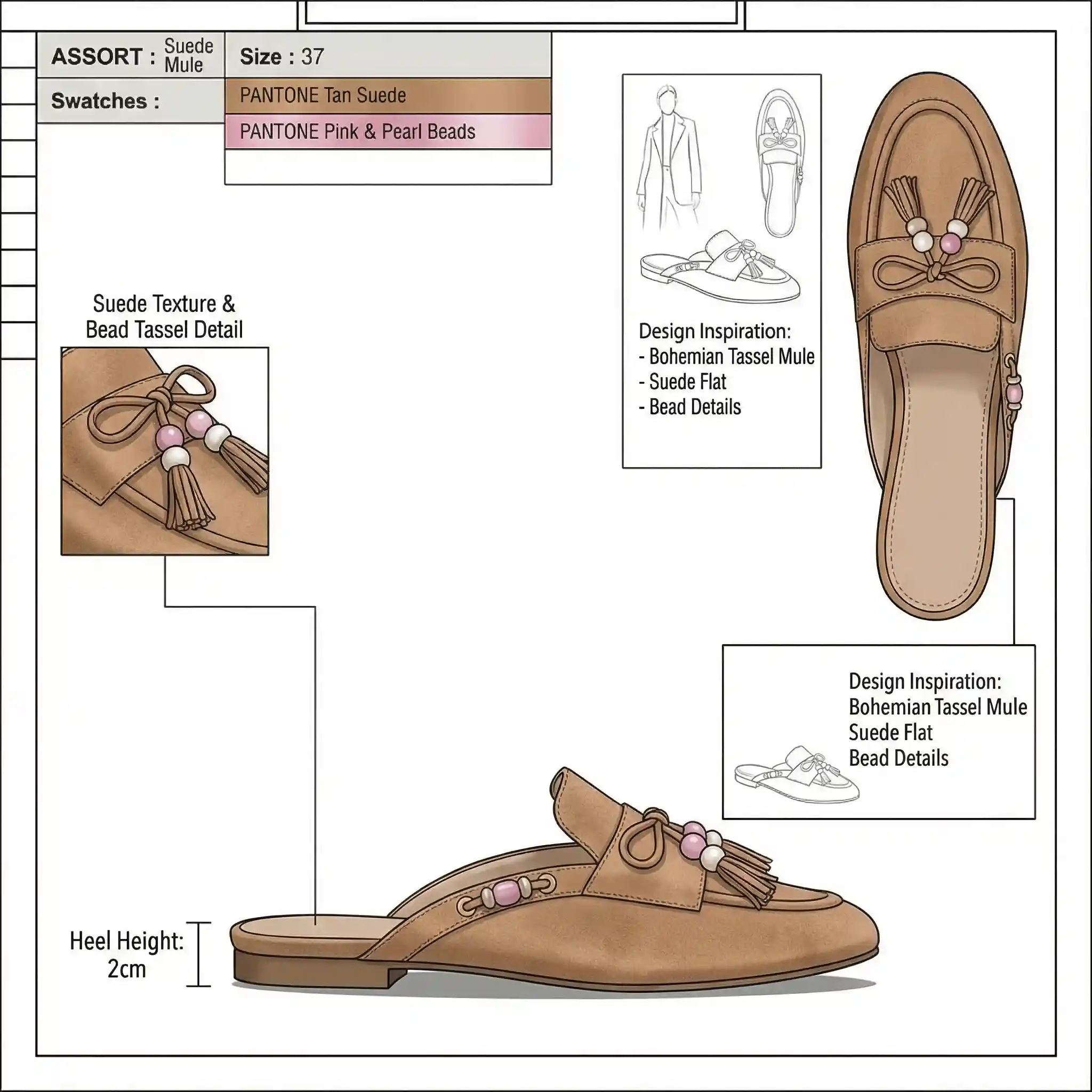
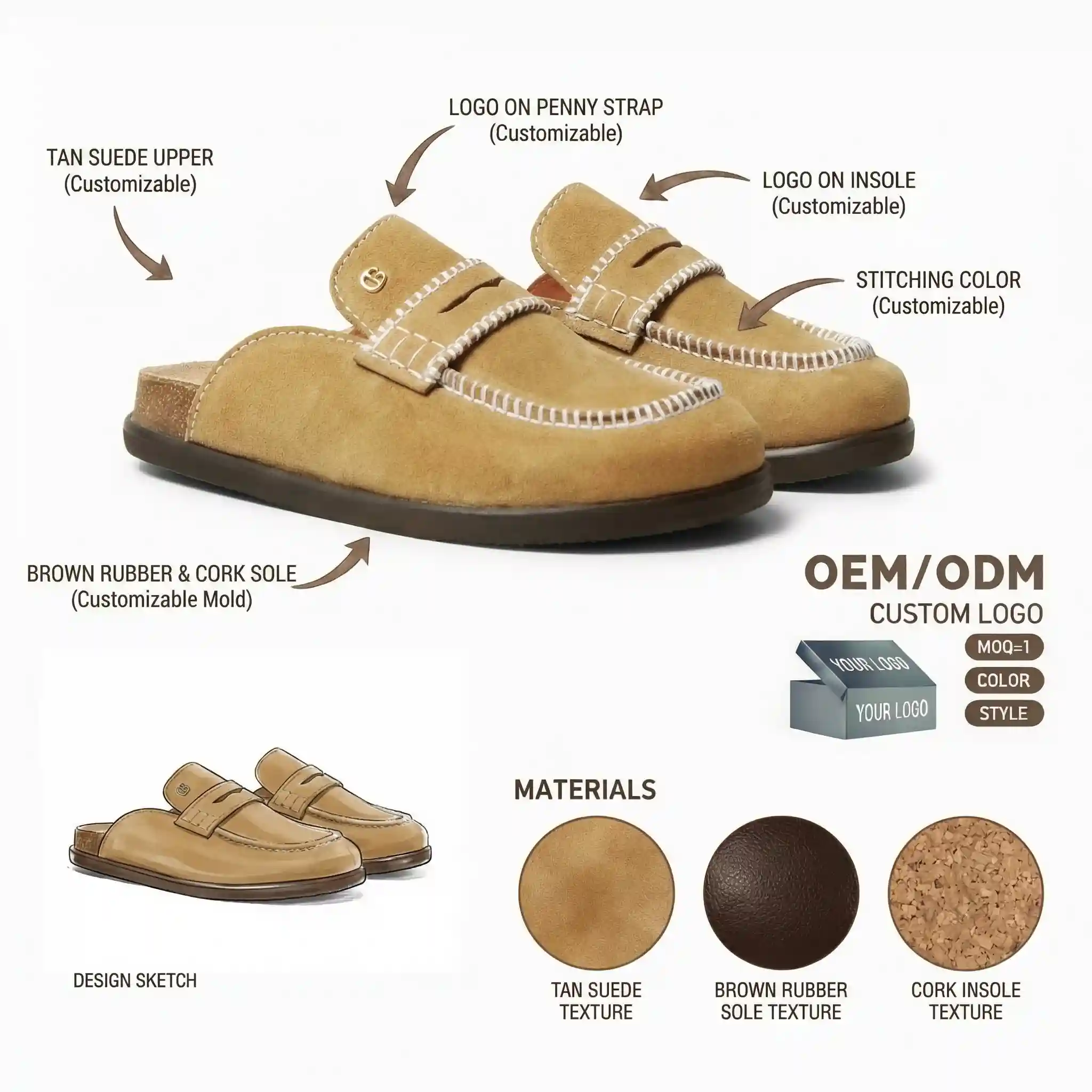


Casual Mules Shoes Factory-Direct Excellence Custom Solutions,
From concept to delivery, a factory-direct approach ensures casual mule shoes are produced to meet global buyers’ exact needs. We enable design collaboration, material selection (full-grain leather, suede, fabric, or vegan options), colorways, trims, logo placement, outsole types, and heel heights, with scalable prototypes and low minimums to fit seasonal demand. Quality is built in through rigorous QC at every step, material testing, size grading, and formal sample approvals. We offer clear lead times, flexible packaging, and sustainability choices such as recycled uppers or water-based adhesives. Our capacity supports large orders while keeping cost efficiency. Working directly with an experienced footwear factory minimizes risk and accelerates time-to-market. We provide transparent communication, dedicated project management, ethical manufacturing, and reliable shipping arrangements with customization options to suit retailers, marketplaces, or private-label programs.
Casual Mules Shoes Factory-Direct Excellence Custom Solutions,
| Model | Upper Material | Lining Material | Sole Type | Size Range (US) | Avg Weight (g) | Lead Time (days) | MOQ (units) | Monthly Capacity (pairs) | Certifications | Sustainability Score | Color Options | Care Instructions |
|---|---|---|---|---|---|---|---|---|---|---|---|---|
| M-01 | Nubuck Leather | Textile | EVA-Rubber Blend | 5-12 | 260 | 14 | 300 | 8000 | REACH, CPSIA, ISO 9001 | 82 | Black, Sand, Navy | Wipe with damp cloth; avoid high heat |
| M-02 | PU Leather | Textile | Rubber | 5-11 | 250 | 16 | 500 | 6000 | REACH, BSCI, ISO 9001 | 78 | Black, Brown, White | Gentle wipe; avoid solvents |
| M-03 | Canvas | Cotton | EVA | 6-12 | 210 | 12 | 400 | 9000 | ISO 9001, CPSIA | 76 | Natural, Black, Olive | Spot clean; air dry |
| M-04 | Suede | PU | Rubber | 5-10 | 270 | 15 | 350 | 7200 | REACH, BSCI, ISO 14001 | 84 | Black, Chestnut, Grey | Avoid water; apply protector |
| M-05 | Mesh Knit | Textile | EVA | 6-12 | 230 | 13 | 300 | 7000 | REACH | 80 | Black, Gray, Coral | Spot clean; air dry |
| M-06 | Faux Leather | Textile | TPU | 5-9 | 240 | 15 | 350 | 6500 | CPSIA, ISO 9001 | 74 | Black, Sand, Burgundy | Wipe with damp cloth; avoid solvents |
| M-07 | Organic Cotton Canvas | Organic Cotton | Cork-infused EVA | 7-13 | 205 | 11 | 250 | 5200 | GOTS, Oeko-Tex, ISO 9001 | 88 | Natural, Olive, Navy | Gentle hand wash; air dry |
Related Products


Casual Mules Shoes Now Trending Guarantees Peak Performance
Top Selling Products






- Related Blog
- Reviews
- Reviews
