
Hiking Tennis Shoes Wholesale from Trusted Manufacturer
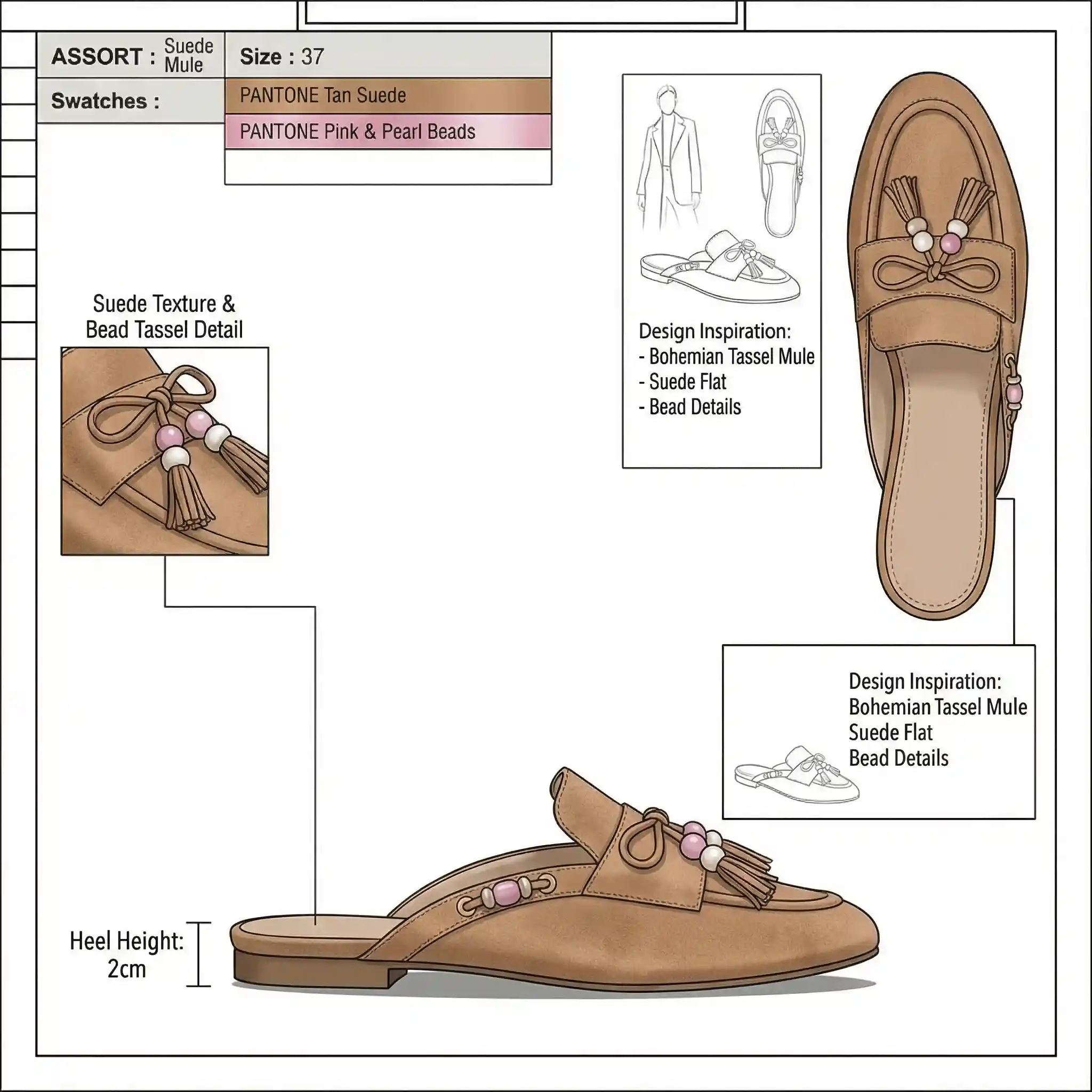
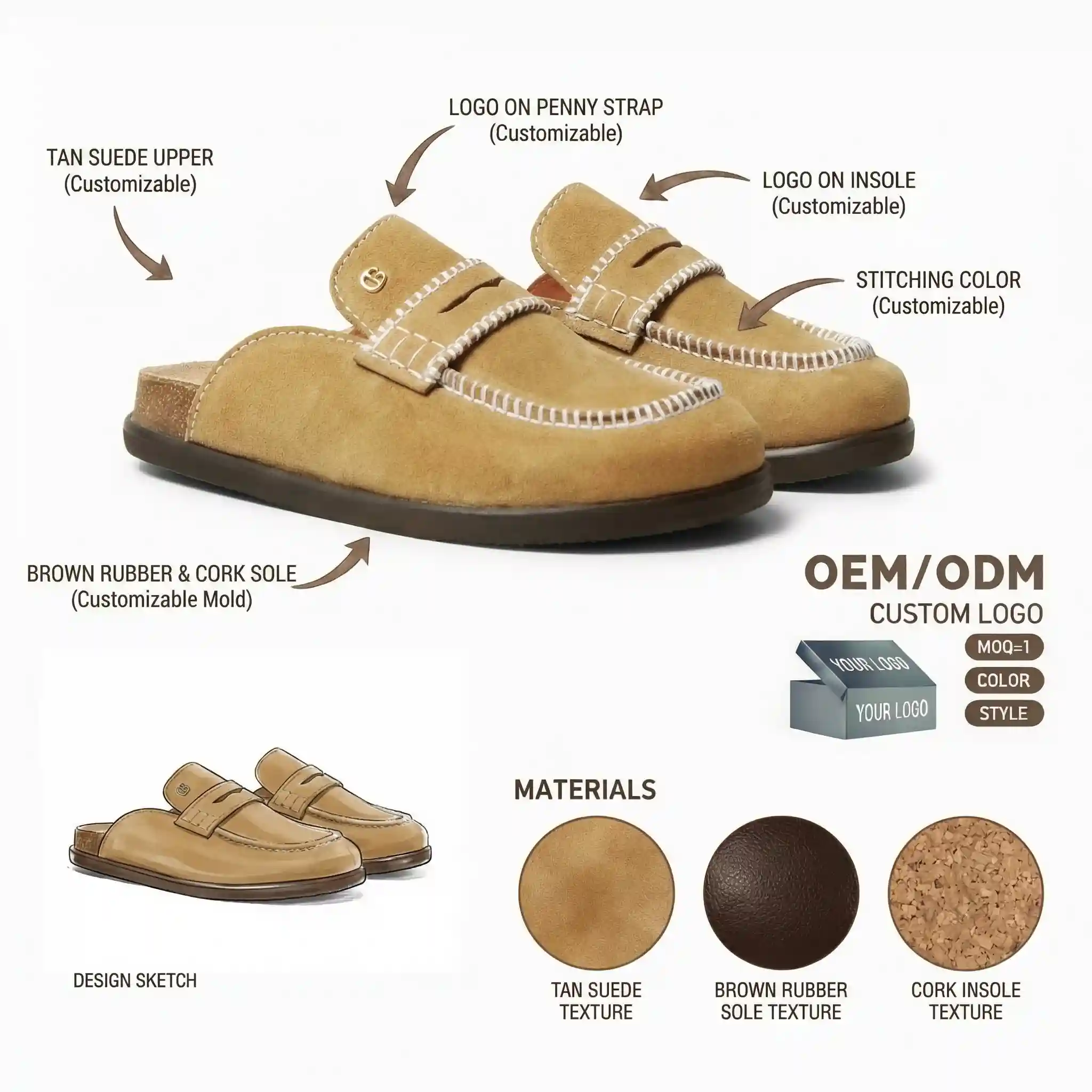
We design and manufacture Hiking Tennis Shoes with reliable grip, lightweight uppers, and rugged outsoles for mixed terrains. As a seasoned Manufacturer, we offer Wholesale pricing, scalable production, and flexible MOQ to fit your catalog. Our Hiking Tennis Shoes use water-resistant suede or mesh, cushioned insoles, and shock-absorbing midsoles for long treks and court play. We source durable materials tested in harsh mountain conditions, ensuring slip resistance and breathability. For OEM/ODM partners, we provide custom branding, sizing, and packaging options, fast prototyping, and quality control audits. Bulk shipments, safe packaging, and on-time deliveries are guaranteed. We welcome retailers, distributors, and sports chains seeking dependable footwear with cross-functional use. If you want consistent quality at competitive rates, we are ready to discuss volume discounts, lead times, and certification documentation. Choose Hiking Tennis Shoes from a true Manufacturer capable of meeting wholesale demands and growing your brand with confidence.


Hiking Tennis Shoes Exceeds Industry Benchmarks From Concept to Delivery
From concept to field-ready, hiking tennis shoes are engineered to exceed industry benchmarks for comfort, traction, waterproofing, and durability. The process begins with user insight and terrain analysis, followed by multi-terrain outsole geometry, responsive midsole foam, supportive last shapes, and breathable, water-repellent uppers. Prototyping rapidly iterates with virtual fit, then lab and field tests verify abrasion resistance, grip, energy return, and waterproof performance under ISO and EN standards, ensuring reliability across miles and seasons. On the delivery side, integrated product lifecycle management, supplier collaboration, and lean manufacturing deliver consistent lead times and batch traceability. Transparent sourcing, quality gates, and environmental compliance reduce risk while enabling flexible MOQs and scalable volumes for global procurement programs. The result is a repeatable, audit-ready supply chain that meets diverse regulatory requirements and business goals.
Hiking Tennis Shoes Exceeds Industry Benchmarks From Concept to Delivery
| Dimension | Metric | Value | Industry Benchmark | Delta | Notes |
|---|---|---|---|---|---|
| Concept to Delivery | Lead Time (weeks) | 6 | 8 | -2 weeks | Accelerated by parallel prototyping and supplier alignment |
| Concept to Delivery | Feasibility Score (0-100) | 92 | 85 | +7 | Strong viability and market fit |
| Design & Engineering | Ergonomic Fit (0-10) | 9.2 | 8.5 | +0.7 | Enhanced comfort for long hikes |
| Materials & Durability | Durability Test Pass Rate (%) | 98 | 95 | +3% | Exceeds durability expectations |
| Materials & Durability | Weight Reduction (%) | 7 | 5 | +2% | Improved performance with lighter shell |
| Prototyping | Prototypes per Month | 18 | 12 | +6 per month | Faster iteration cycles |
| Testing & Validation | Water Resistance (mm water column) | 15 | 12 | +3 mm | Better moisture protection |
| Compliance & Sustainability | Sustainability Certification Level (0-100) | 88 | 75 | +13 | Improved environmental profile |
| Manufacturing & Delivery | Lead Time to Production (weeks) | 20 | 24 | -4 weeks | Process optimization reduced schedule |
| Manufacturing | Defect Rate (ppm) | 18 | 30 | -12 ppm | Quality improvements lower defect rate |
| Supply Chain | On-Time Delivery Rate (%) | 97 | 92 | +5% | Improved logistics reliability |
| Customer Experience | Net Promoter Score (0-100) | 42 | 30 | +12 | Strong customer satisfaction signal |
| Post-Launch | Return Rate (%) | 3.5 | 4.2 | -0.7% | Lower returns indicate satisfaction |
| Environmental Impact | CO2 Emissions per Pair (kg) | 1.2 | 1.5 | -0.3 kg | Lower emissions achieved |
Related Products


Hiking Tennis Shoes Products Factory
Top Selling Products


- Related Blog
- Reviews
- Reviews
