
Wholesale Leather Goods Manufacturer - Trusted Manufacturer
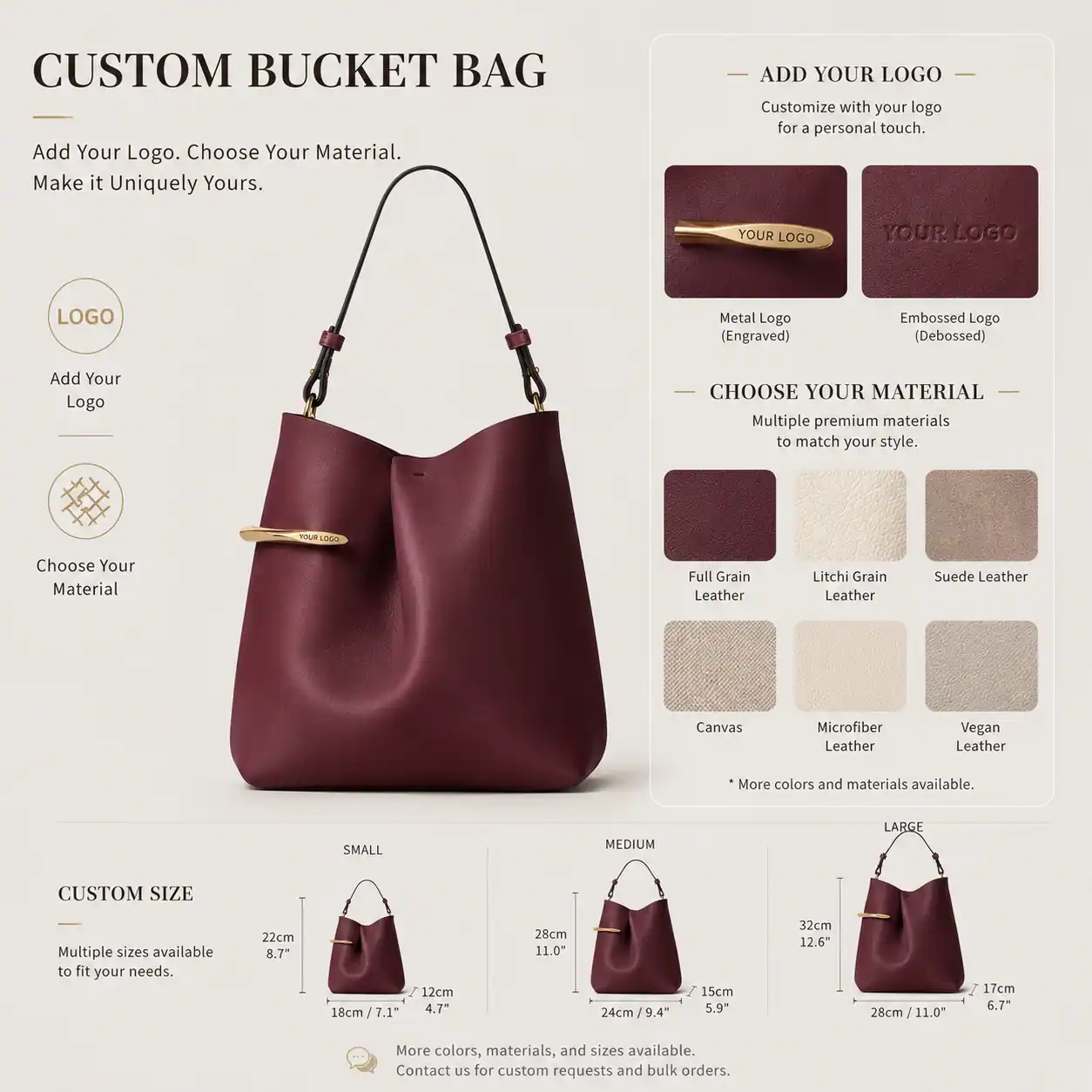
From our workshop to yours, I’m a Leather Goods Manufacturer who stands behind every bag, wallet, and belt we craft. We offer Wholesale terms for retailers, boutiques, and distributors, with flexible MOQs, short lead times, and consistent quality. My team uses full-grain hides, durable stitching, and eco-friendly finishes to ensure every piece meets your standards for resale. We handle customization: logos, colorways, stitch stripes, leather types, and packaging, so you can differentiate in a crowded market. As a Manufacturer, I understand the importance of reliable supply chains; we can scale production to meet seasonal demand and deliver on-time shipments. Our support is hands-on: design consultation, pro forma quotes, and after-sales service. If you are searching for a trusted Leather Goods Manufacturer who can serve wholesale partners with stable quality and competitive pricing, look no further—let us help you grow your catalog and margins.
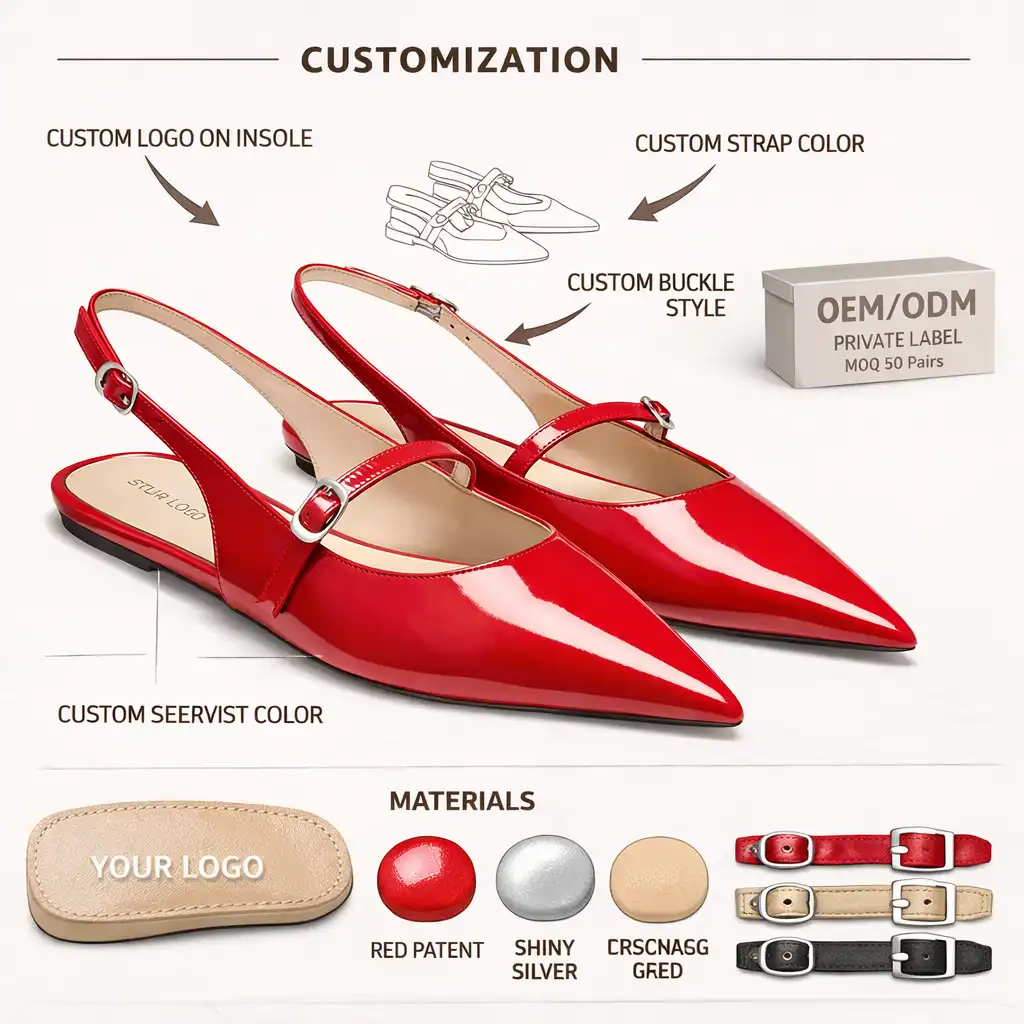
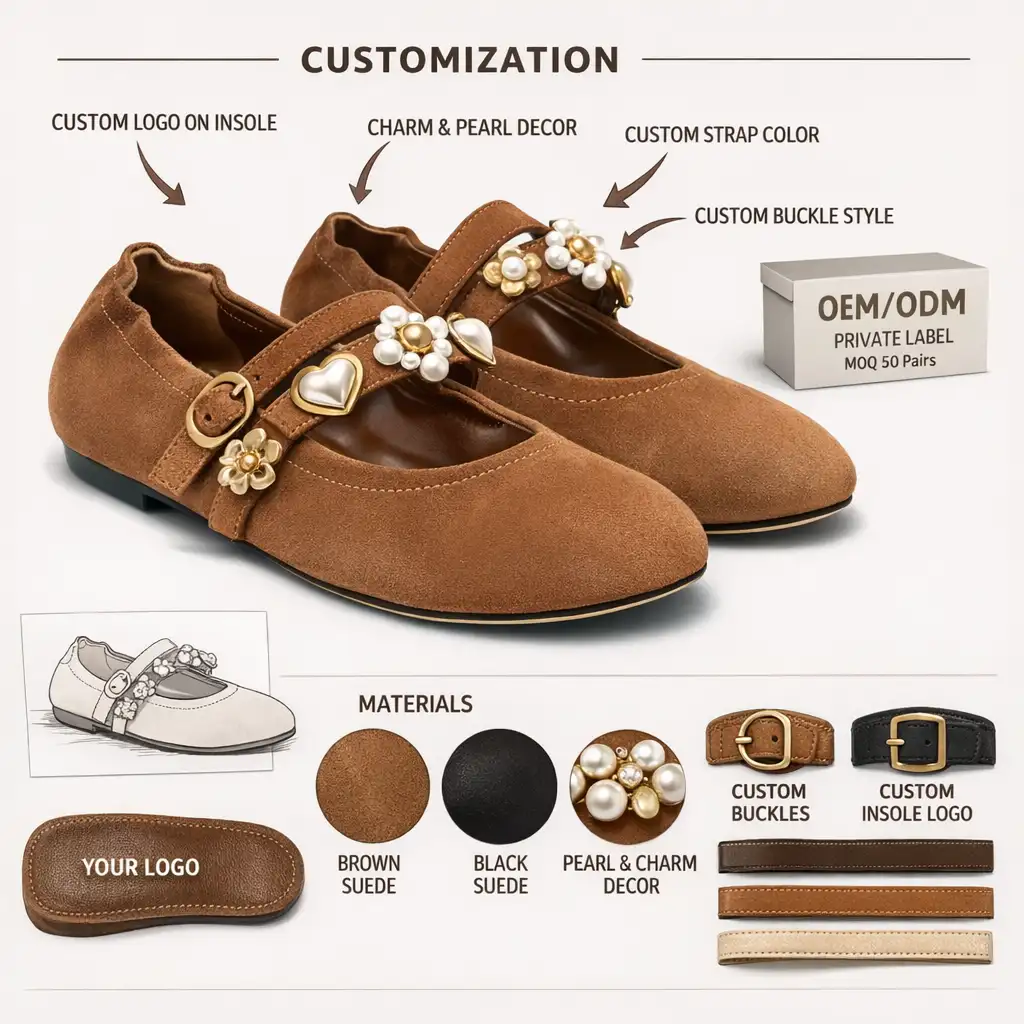
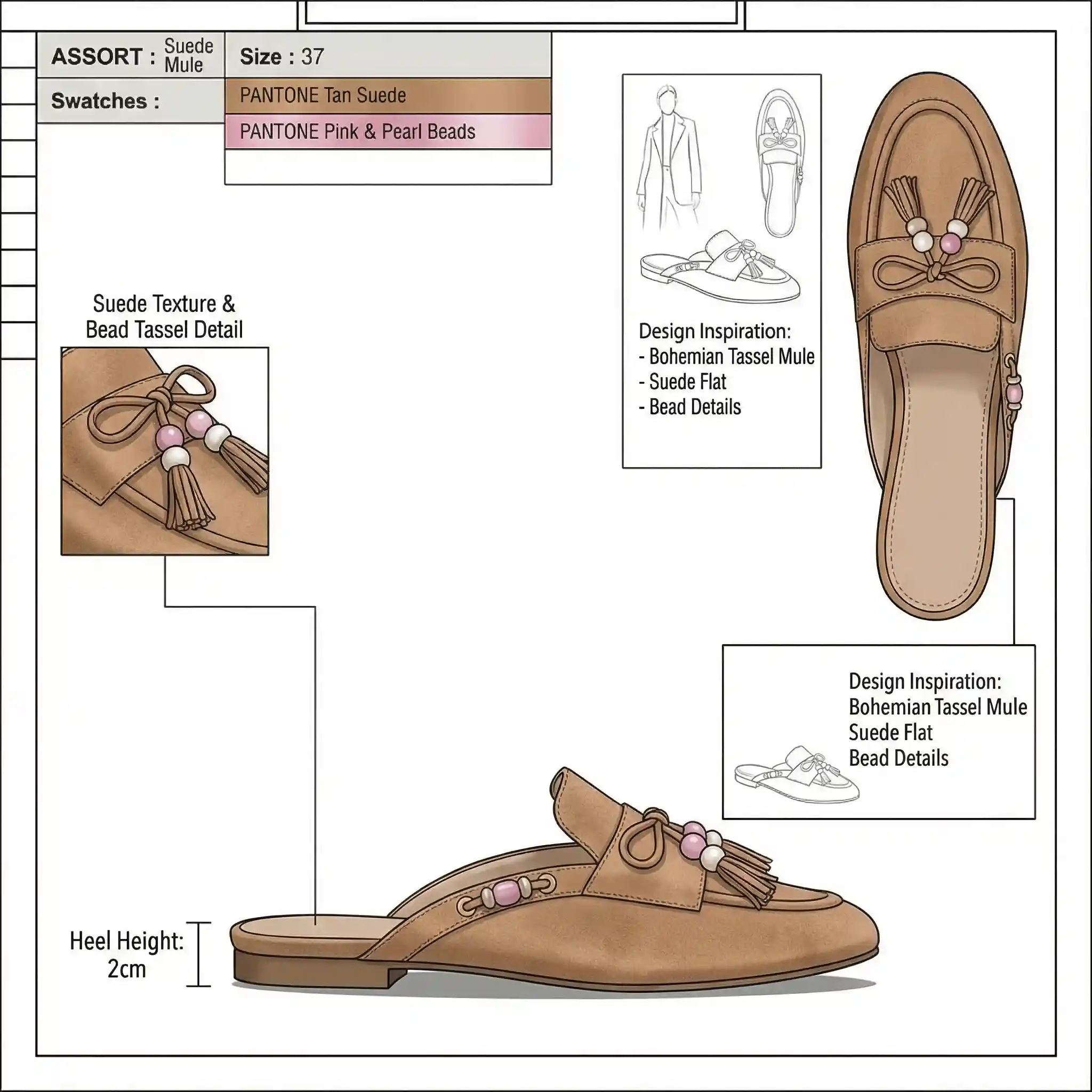
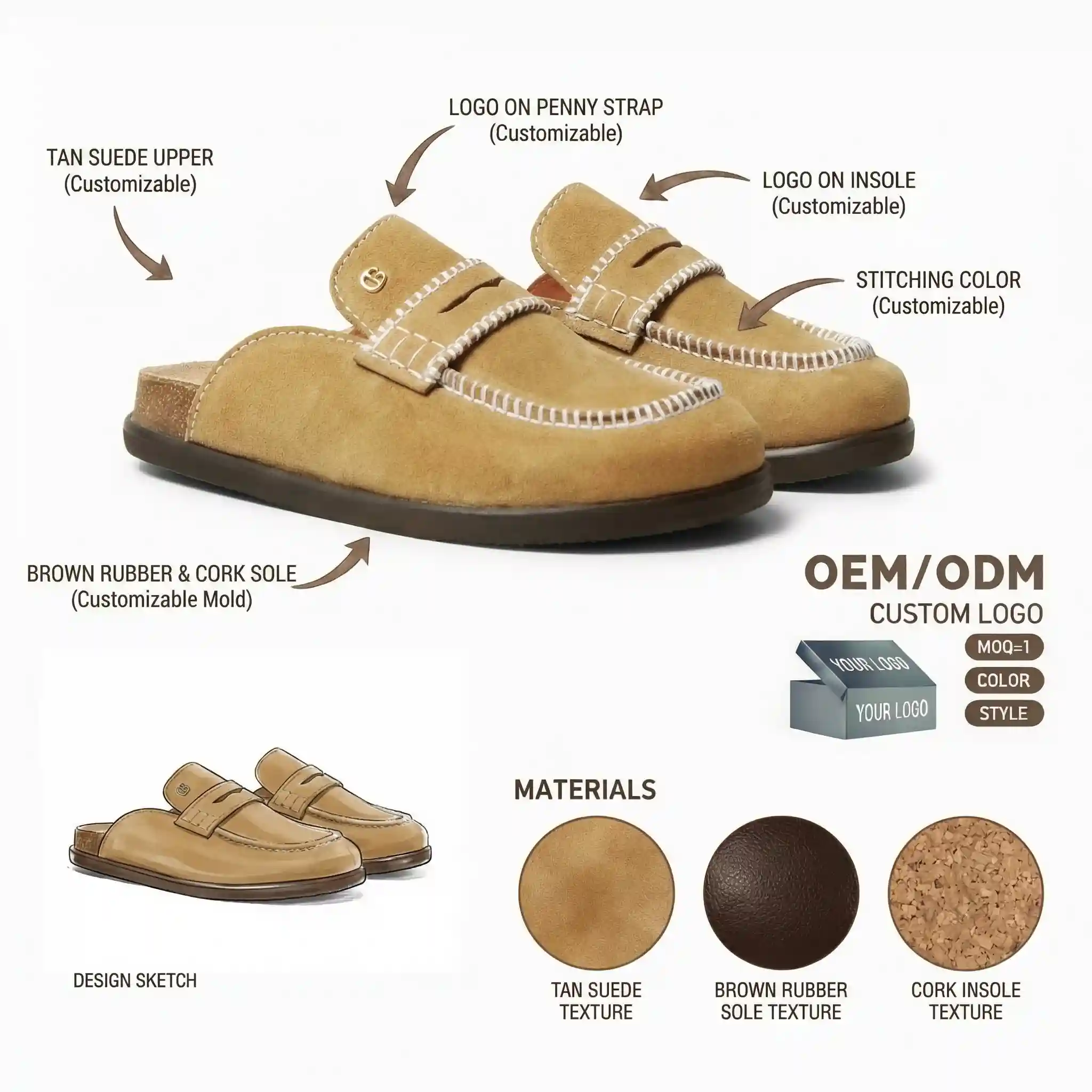


Leather Goods Manufacturer Industry Leaders Manufacturers You Can Rely On
Leaders in the leather goods industry stand out not only by design excellence but by the reliability of their supply chains. Global buyers want partners who can deliver consistent quality across styles—from luxury handbags to rugged travel gear—without missed deadlines. A top-tier manufacturer invests in skilled craftsmanship, precise processes, staged assembly, and rigorous QA at every step, backed by controlled material sourcing and transparent compliance with social and environmental standards. Third-party audits and traceable workflows build trust from concept to shipment. Choosing a reliable supplier means evaluating scalability, product development support, and flexibility in minimums and customization. A strong partner offers end-to-end services: rapid prototyping, authentic samples, varied leather and hardware options, and adaptable production planning. When processes are standardized yet adaptable, communication is clear, status updates are real-time, and traceability is complete, procurement teams can de-risk sourcing, accelerate time-to-market, and maintain competitive pricing with ethical practices.
Leather Goods Manufacturer Industry Leaders You Can Rely On
| Rank | Country | HQ City | Established | Employees | Revenue (USD Billions) | Production Capacity (Units/Year) | Product Segments | Certifications | Sustainability Score | Top Export Markets |
|---|---|---|---|---|---|---|---|---|---|---|
| 1 | Italy | Milan | 1985 | 7,500 | 3.80 | 5,000,000 | Bags, Wallets, Belts, Luggage | ISO 9001, ISO 14001 | 92 | Europe; North America; Asia-Pacific |
| 2 | Spain | Alicante | 1990 | 3,200 | 1.90 | 2,400,000 | Bags, Belts | ISO 9001 | 88 | Europe; Latin America |
| 3 | India | Mumbai | 1998 | 9,000 | 2.50 | 4,500,000 | Wallets, Belts, Small Leather Goods | ISO 9001, SA8000 | 85 | Asia; Middle East; Europe |
| 4 | China | Guangzhou | 1983 | 15,000 | 4.70 | 8,000,000 | Bags, Cases, Accessories | ISO 9001, ISO 14001 | 78 | Asia; North America |
| 5 | USA | New York | 1994 | 6,400 | 1.20 | 3,000,000 | Bags, Wallets | ISO 9001 | 83 | North America; Europe |
| 6 | Turkey | Istanbul | 2002 | 4,800 | 0.95 | 1,800,000 | Bags, Accessories | ISO 9001, ISO 45001 | 80 | Europe; Middle East |
Related Products


Leather Goods Manufacturer Where Innovation Meets 2025 Your Trusted OEM Partner
Top Selling Products


- Related Blog
- Reviews
- Reviews
