
Quilted Satchels: Wholesale Manufacturer for Premium Bags
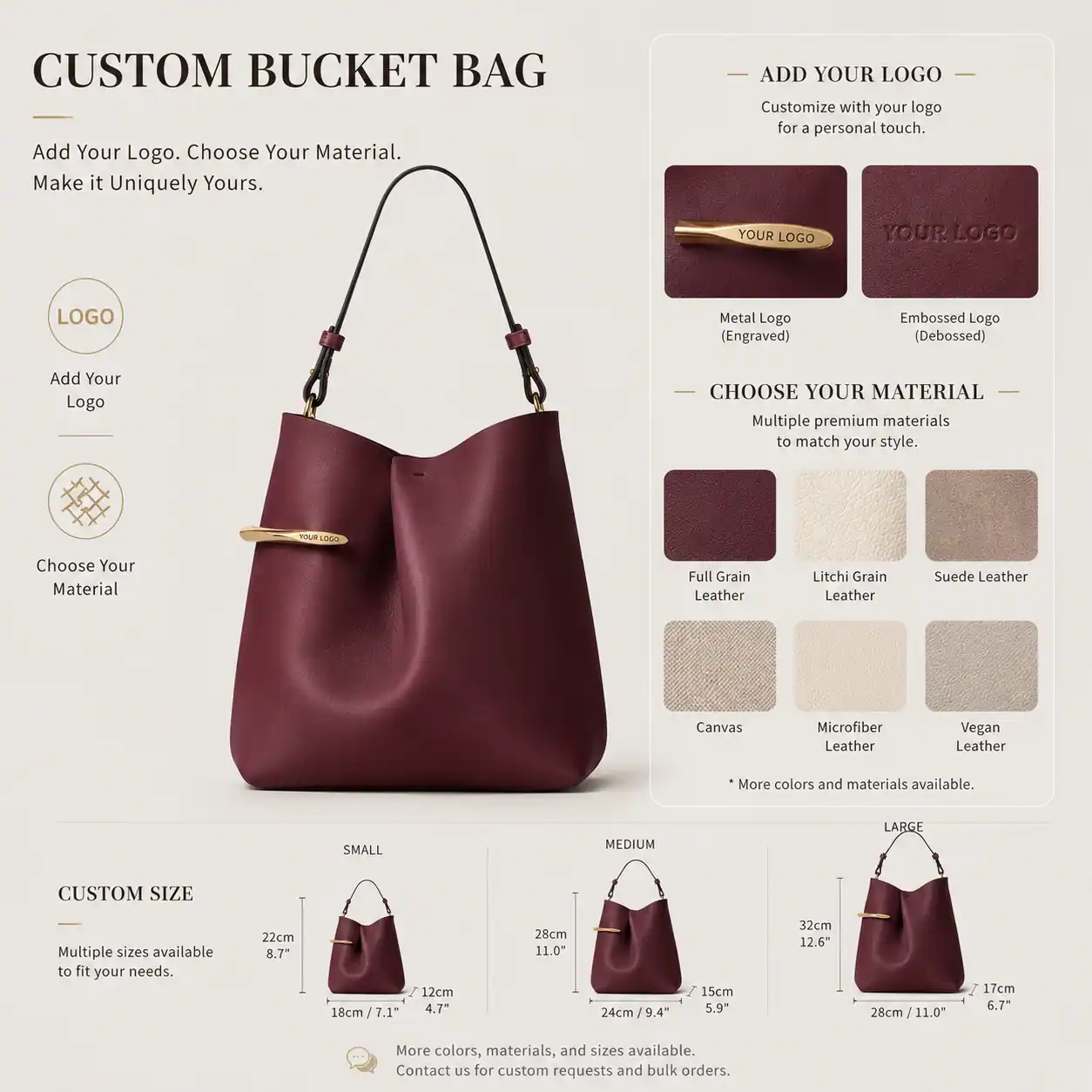
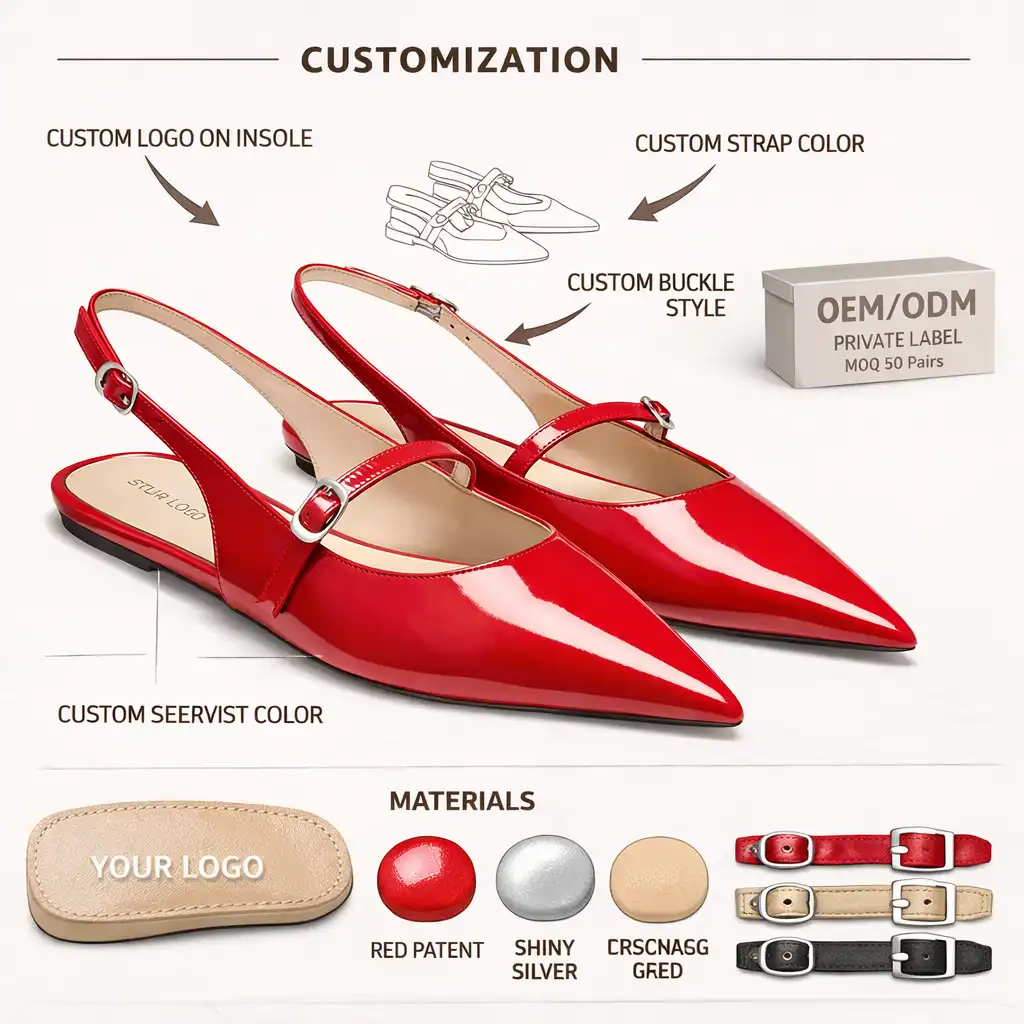
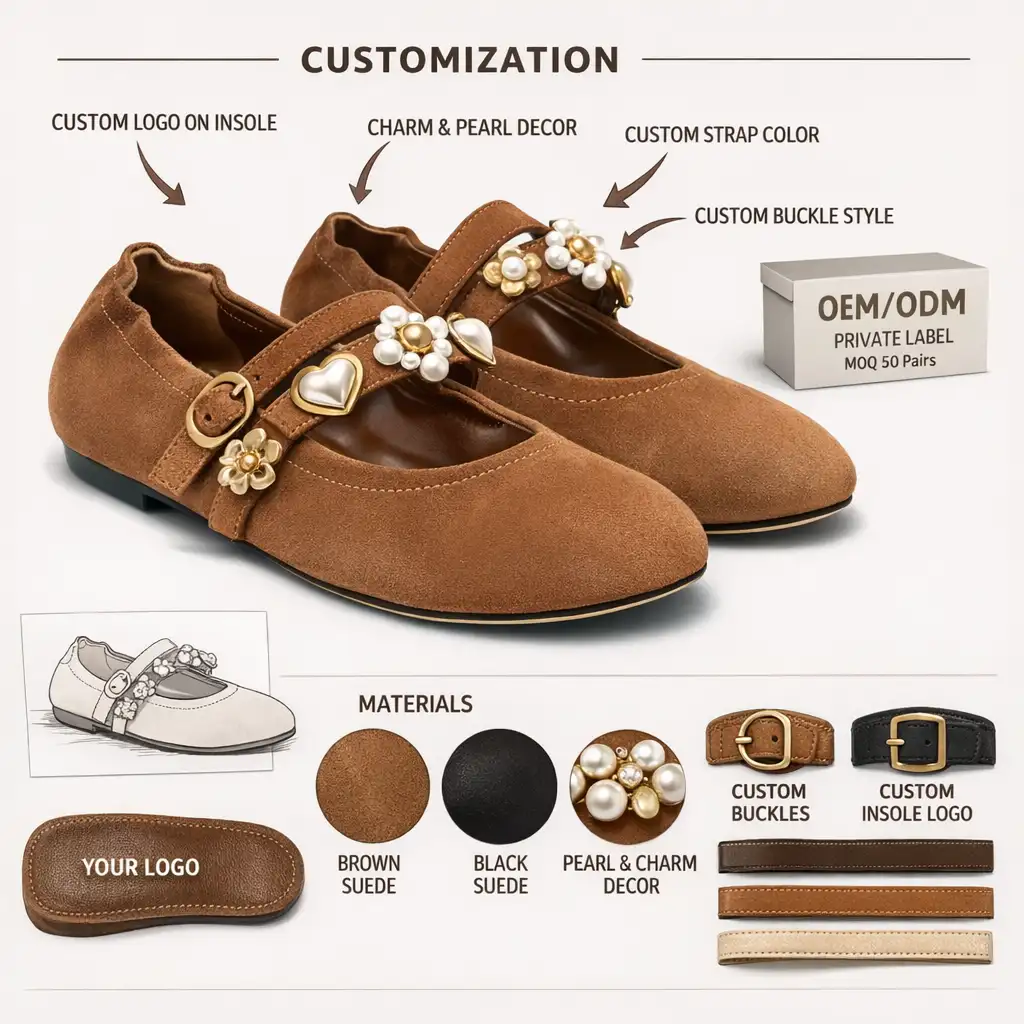
I’m your sourcing partner for high-quality quilted satchels that blend durability with timeless style. As a Manufacturer, I design and hand-pick every stitch to ensure long-lasting performance, whether you’re stocking for boutique retailers or big-box wholesalers. Our quilted satchels feature reinforced seams, padded compartments, and water-resistant fabric, keeping products protected during transit and customers happy. I offer flexible options: bulk quantities, custom colors, branding, and packaging that fits your Wholesale needs. With efficient production lines and strict quality control, lead times stay predictable without sacrificing finish. I can provide certification, traceability, and sample approvals to speed up your purchasing decisions. Whether you’re seeking reliable inventory or premium line extensions, my team supports your growth with competitive pricing and dependable service. Let’s discuss minimums, customization, and shipping terms today so you can place a fast, confident order.

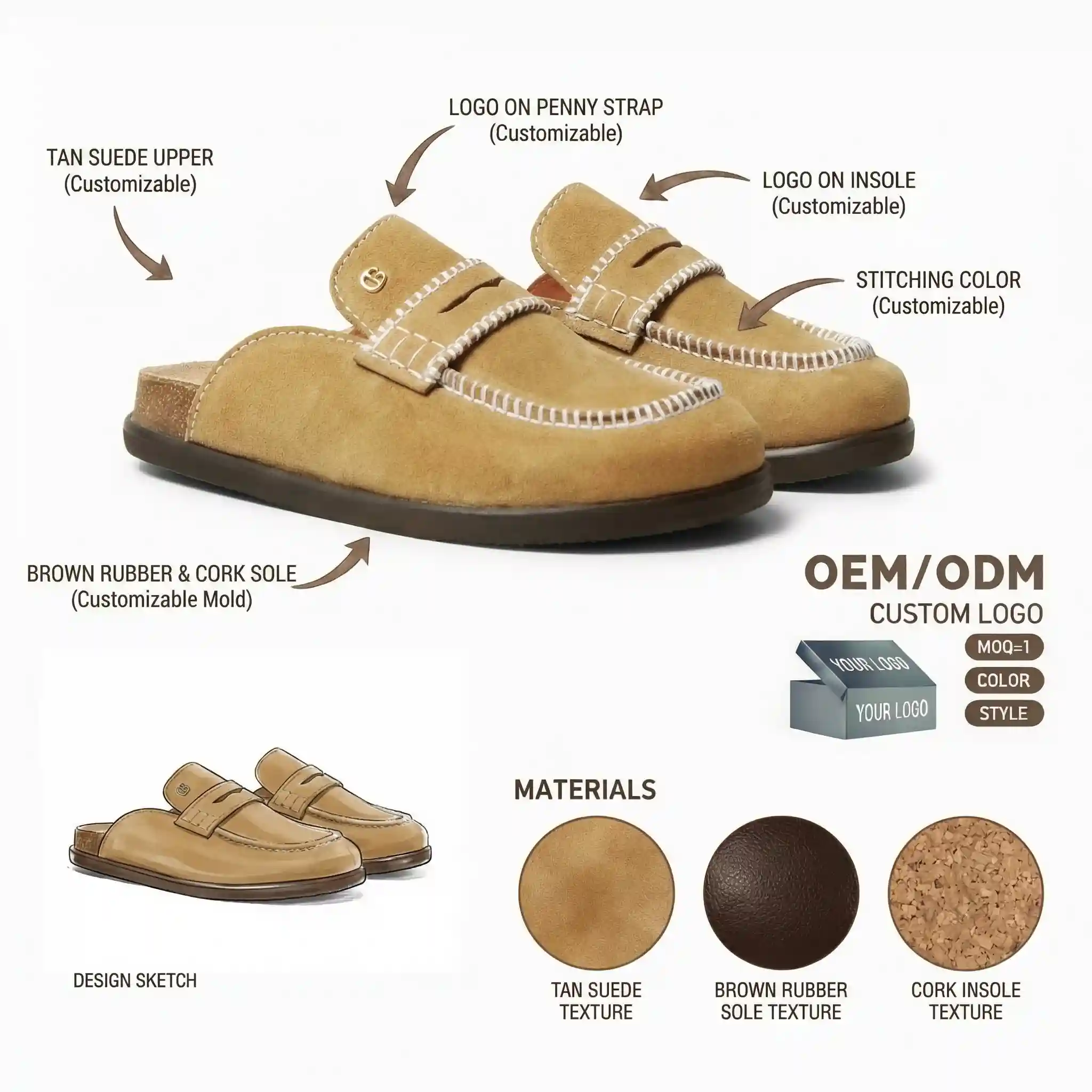
quilted satchels Delivers Unmatched Quality More Than a Supplier - A Partner
Global buyers aren’t just sourcing products—they want partners who elevate value from concept to customer. Quilted satchels built with precise stitching, durable hardware, and carefully chosen materials deliver unmatched quality that competes at the highest level. A true partner also offers design flexibility—from quilt patterns and padding density to trims and colorways—while embedding quality at every stage: rigorous incoming-material checks, in-line inspections, and comprehensive finished-goods testing to ensure consistency and efficiency. Beyond quality, a proactive partner aligns with procurement goals on lead times, scalability, and risk mitigation. Transparent sourcing, ethical practices, and sustainable materials build a resilient supply chain that adapts to demand and compliance needs. From samples to mass production, collaborative planning and proactive QA shorten cycles, reduce rework, and protect brand reputation. For global buyers, the difference lies in reliability, responsiveness, and a shared commitment to excellence at every touchpoint.
| Dimension / Specification | Details |
|---|---|
| Product Type | Quilted Satchel |
| Outer Material | Recycled polyester; quilted finish |
| Lining Material | Soft cotton-blend lining |
| Dimensions (L × H × D) | 30 cm × 25 cm × 10 cm |
| Weight | 0.65 kg |
| Capacity | 9 liters |
| Strap | Adjustable 70–140 cm |
| Closure | Top zipper with metal slider |
| Colors Available | Navy, Black, Olive, Gray |
| Origin | Made in China |
| Certifications | OEKO-TEX Standard 100, Class I |
| Care Instructions | Wipe clean; spot clean for heavier use |
| Warranty | 12 months |
| Lead Time | 3–4 weeks from order confirmation |
| Sustainability | Outer fabric contains 40% recycled fibers |
| Durability Rating | 4.3 / 5 (standard test cycles) |
Related Products


quilted satchels Industry Giant Your Trusted OEM Partner
Top Selling Products





- Related Blog
- Reviews
- Reviews
