
Vegan Sandals Wholesale Manufacturer | Eco-Friendly Footwear
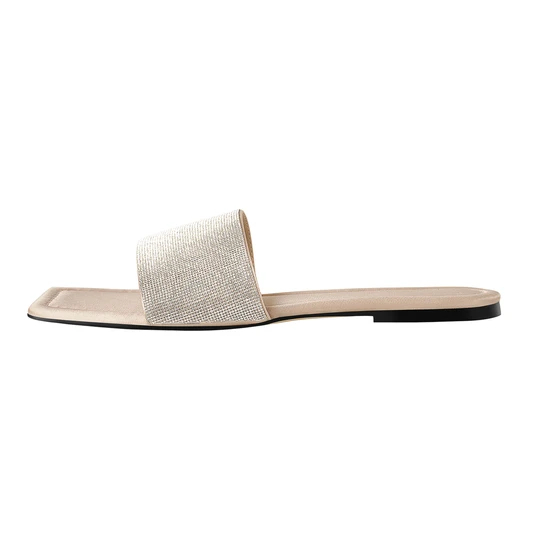
From my workshop to your catalog, I craft Vegan Sandals that balance comfort, durability, and ethics. For Wholesale buyers and as a Manufacturer, I offer flexible MOQ and scalable production. My materials are cruelty-free alternatives—recycled rubber outsoles, plant-based uppers, and cork footbeds—designed to reduce environmental footprint without sacrificing style. Each pair is barefoot-friendly, with arch support and adjustable straps for a universal fit. I provide customization options: colors, branding, packaging, and size ranges to fit your market. Certifications: vegan, cruelty-free, REACH compliant. Turnaround times are predictable, with transparent pricing and samples on request. I ship worldwide and support co-branding, private labeling, and drop shipments. If you’re planning a sustainable footwear line, Vegan Sandals from my factory deliver value, consistency, and a compelling story for your customers.


Vegan Sandals Factory Winning in 2025
Across global markets, vegan sandals are now mainstream. A Chengdu-based manufacturer has capitalized on this momentum by turning sustainability into scale: in-house R&D, rapid prototyping, and a flexible OEM/ODM pipeline deliver design-forward sandals with vegan certifications, reliable sizing, and low defect rates. Buyers access end-to-end services: private labeling, color customization, and dependable supply chain management aligned with seasonal campaigns. Rigorous quality audits and social compliance underpin every shipment. Winning in 2025 centers on materials innovation, circular practices, and digital transparency. The factory adopts bio-based and recycled materials, water-based adhesives, and responsible tanning to reduce footprints while meeting global standards. Smart production, QR traceability from raw material to finished product, and near-shore logistics shorten lead times and mitigate disruptions. For global buyers, this approach offers scalable capacity, cost competitiveness, and a steadfast commitment to vegan integrity in every pair.
Vegan Sandals Factory Winning in 2025
| Year | Location | Factory Size (sqm) | Employees | Production (k pairs) | Energy Use (MWh) | CO2 Emissions (t) | Certifications | Sustainable Materials Share (%) |
|---|---|---|---|---|---|---|---|---|
| 2021 | Dongguan, China | 20,000 | 420 | 5,200 | 3,200 | 820 | 3 | 35 |
| 2022 | Binh Duong, Vietnam | 22,000 | 470 | 5,800 | 3,600 | 900 | 4 | 38 |
| 2023 | Jiangsu, China | 25,500 | 520 | 6,400 | 3,900 | 1,020 | 5 | 42 |
| 2024 | Hai Phong, Vietnam | 28,000 | 590 | 7,100 | 4,100 | 1,100 | 6 | 45 |
| 2025 | Guangdong, China | 30,000 | 650 | 7,600 | 4,200 | 1,150 | 6 | 48 |
Related Products
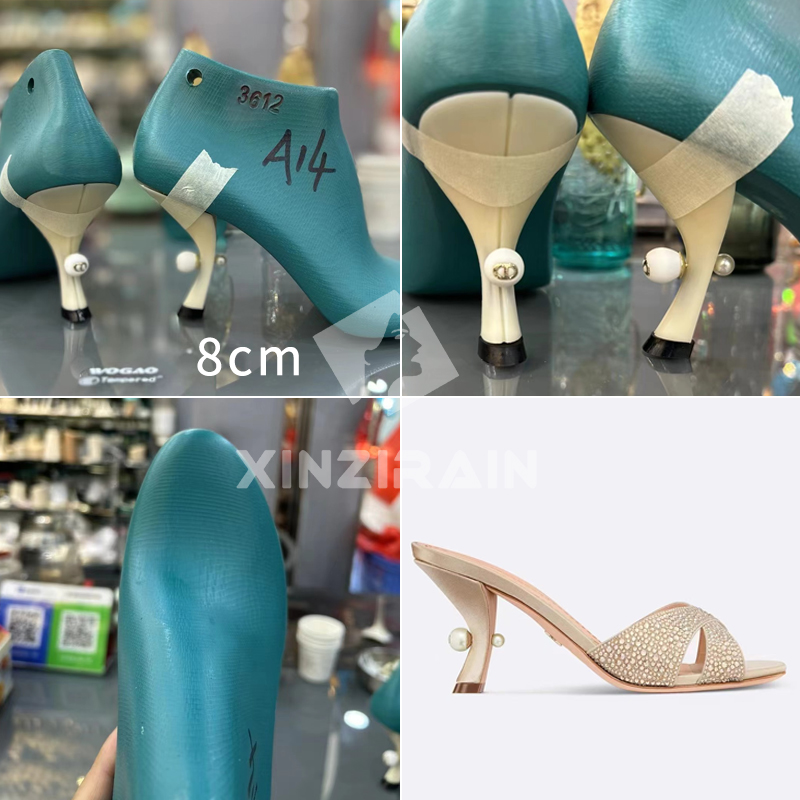

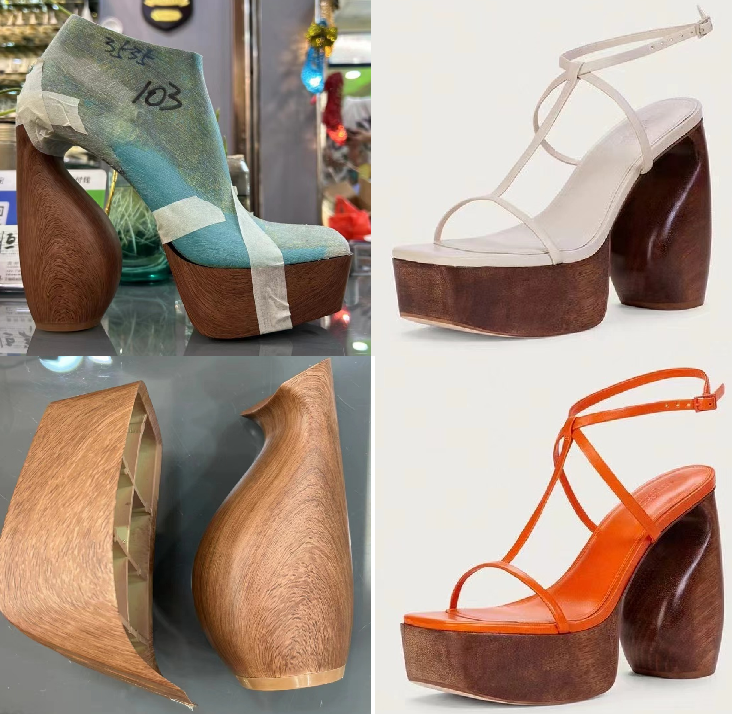
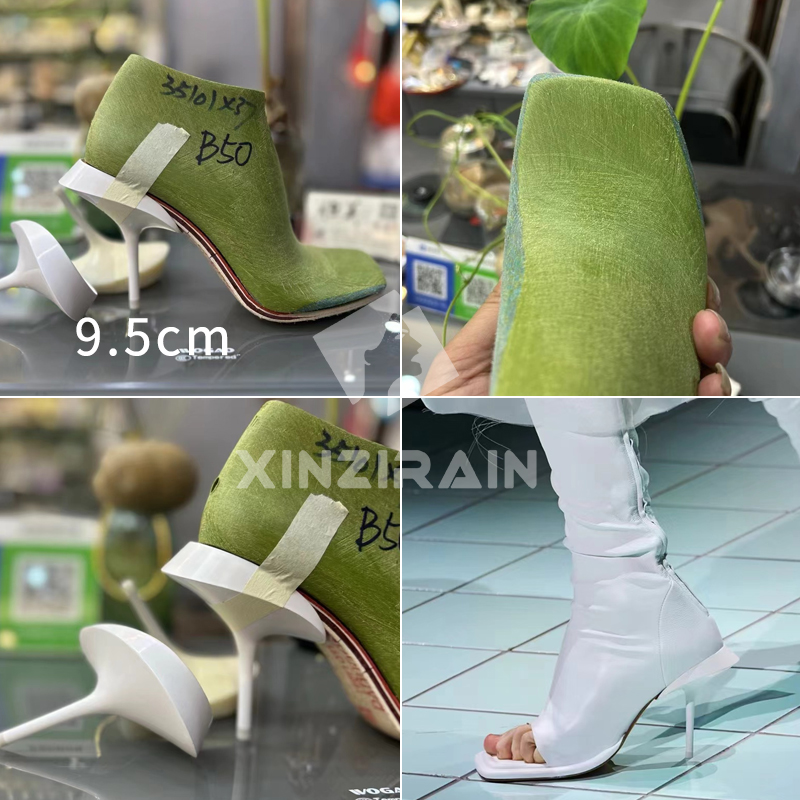
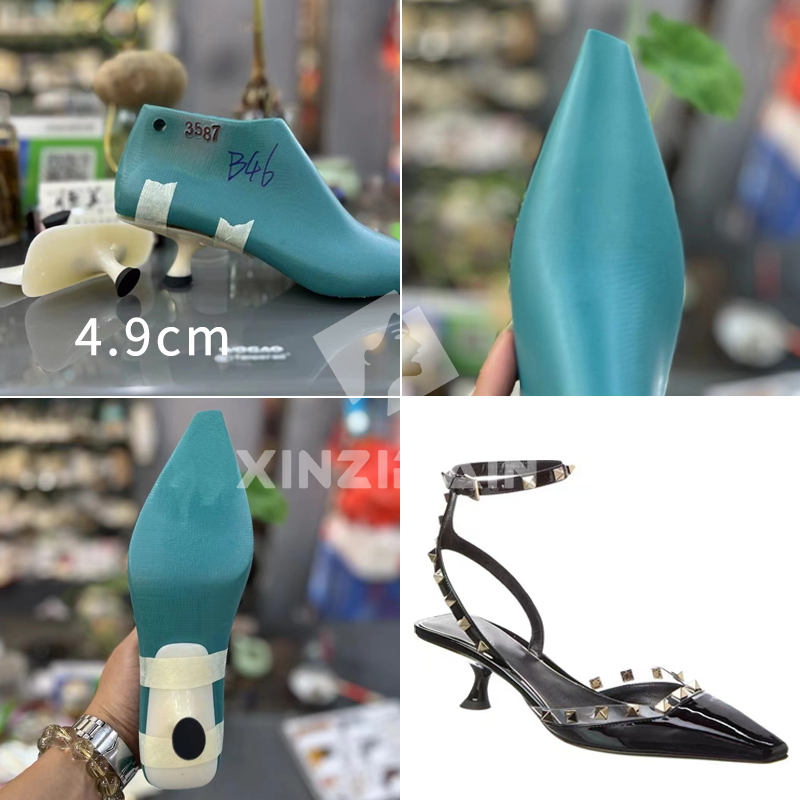
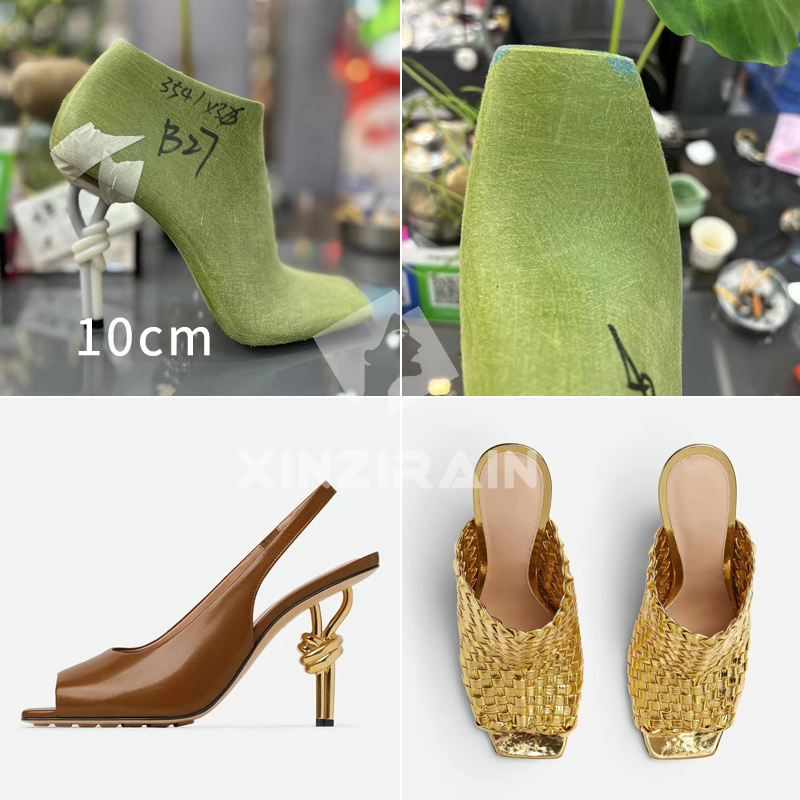
Vegan Sandals Stands Out Ahead of the Curve
Top Selling Products





- Related Blog
- Reviews
- Reviews
