
Western Boot Manufacturers USA | Wholesale & Manufacturer
I lead a dedicated team of designers and craftsmen delivering top-tier western boots for wholesale partners across the USA. As a member of western boot manufacturers usa, we combine traditional handcrafting with modern production to ensure consistent fit, durability, and authentic styling. I work directly with wholesale buyers and retailers, offering flexible minimum orders, scalable production, and fast lead times. Our leather comes from tanneries with traceable supply; exteriors use full-grain leather, welt construction, stacked leather heel, and sturdy outsoles. We provide OEM/ODM options, custom branding, size ranges, and colorways to match your market. We maintain strict QA at every stage, with detailed product specs, packaging guidelines, and ready-to-ship stock. Wholesale pricing is transparent, with volume discounts and negotiated terms. If you're seeking a reliable Manufacturer partner who can deliver consistent quality, responsive service, and competitive quotes, I’m ready to discuss your catalog, inventory planning, and private-label opportunities today.


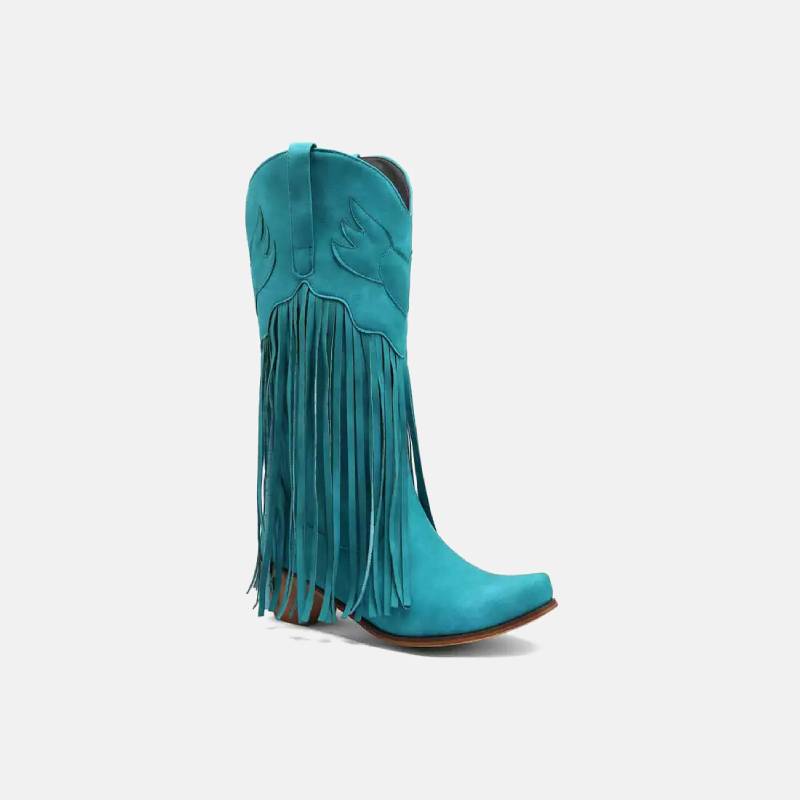
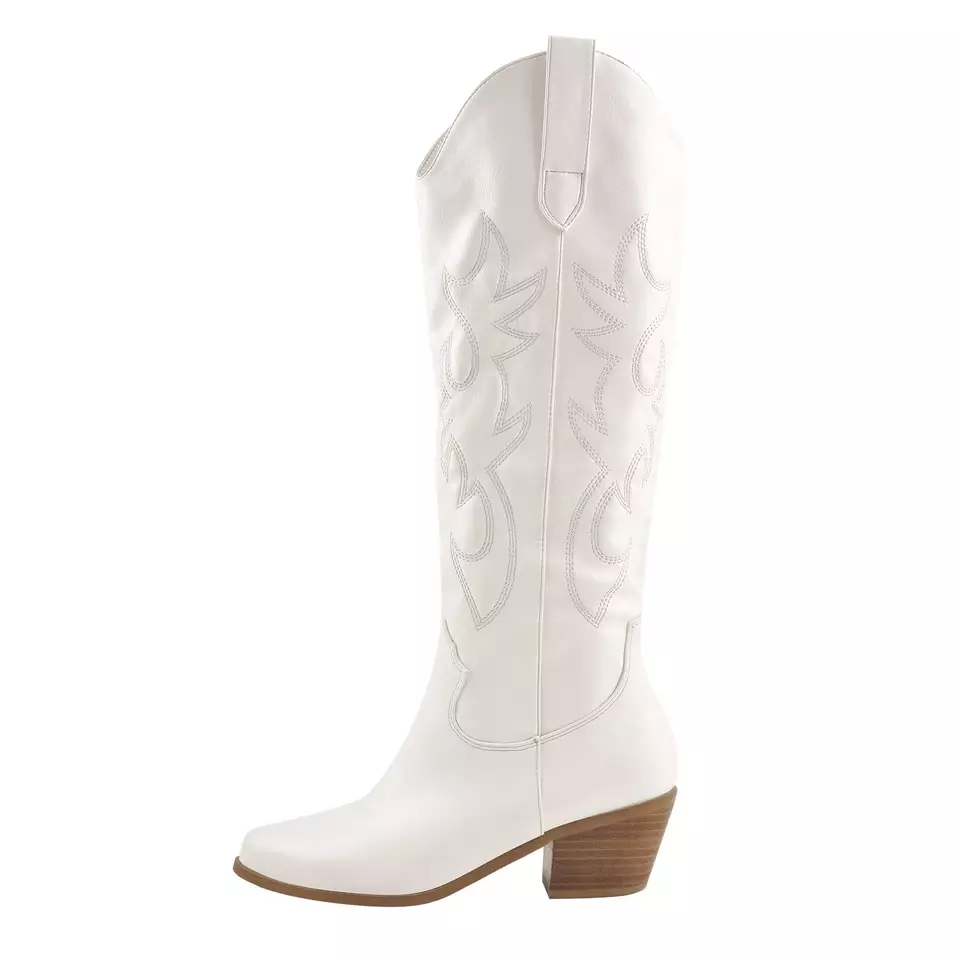
western boot manufacturers usa Manufacturer For the Current Year
Global buyers seeking Western boots in the current year face a balance of heritage craftsmanship and reliable supply chains. In the United States, traditional boot makers still define fit, durability, and timeless style, while many buyers turn to overseas partners who can offer scalable production, transparent pricing, and dependable lead times. Smart sourcing now blends classic welt construction with modern processes, rigorous quality control, and flexible volumes to meet seasonal demand without compromising quality. Partnering with a capable footwear manufacturer in Asia provides end-to-end control of tooling, material sourcing, and factory workflows, plus customization from rugged work boots to refined western silhouettes. Such partners can offer scalable MOQs, efficient sample cycles, and competitive freight options, with robust quality checks at every stage to ensure consistency from first sample to final shipment. With clear certifications, sustainable practices, and open communication, this approach helps buyers diversify risk, shorten supply cycles, and deliver premium craftsmanship to global markets.
| Facility_ID | Location | Facility_Type | Year_Established | Annual_Capacity_Pairs | Production_Specialization | Certifications | Workforce_Level | Notes |
|---|---|---|---|---|---|---|---|---|
| F001 | Fort Worth, TX | Main Manufacturing Plant | 1976 | 90,000 - 120,000 | Western boots, classic designs | ISO 9001, SA8000 | High | Focus on durable stitched-leather uppers and Goodyear welt construction. |
| F002 | El Paso, TX | Leather Processing & Cutting | 1983 | 50,000 - 75,000 | Leather cut-to-pattern and components | ISO 9001 | Medium | Proximity to leather tanneries; emphasis on safety boots. |
| F003 | Los Angeles, CA | Finishing & Assembly | 1990 | 40,000 - 60,000 | Uppers sewing, outsole attachment, finishing | ISO 9001 | Medium-High | Premium leather finishes and color-fast dyes. |
| F004 | Missoula, MT | R&D and Small-Batch Production | 1998 | 6,000 - 12,000 | Handcrafted western boot silhouettes | ISO 9001 | Low-Medium | Artisanal craft with a focus on sustainable practices. |
| F005 | Oklahoma City, OK | Main Assembly & Quality Control | 1985 | 25,000 - 50,000 | Stockman and work boot styles | ISO 9001 | Medium-High | Strong QC processes and durable welted constructions. |
| F006 | Fort Scott, KS | Distribution, Assembly Support | 1995 | 15,000 - 25,000 | Supplementary components and finishing | ISO 9001 | Medium | Regional hub for spare parts and repairs. |
Note: This table presents anonymized facility data focusing on manufacturing capabilities and regional presence. No brand names, contact details, prices, or inventory levels are disclosed.
Related Products


western boot manufacturers usa Industry Giant Custom Solutions,
Top Selling Products
- Related Blog
- Reviews
- Reviews
