
Casual Shoes Men Manufacturers - Wholesale Manufacturer Directory
From the factory floor to your catalog, I represent a reliable {Casual Shoes Men Manufacturers} partner focused on value and speed. For Wholesale buyers, I offer scalable quantities, competitive pricing, and flexible lead times to fit seasonal demand. As a dedicated Manufacturer, I control every step—from materials and stitching to finish—so you can trust consistent quality. Our casual shoes for men combine breathable uppers, cushioned midsoles, and sturdy outsoles for all-day wear, with easy-care finishes that stay fresh. I provide private-label options and quick MOQ setups to help you build your brand. Efficient QC checks and a responsive support team keep orders smooth, with transparent shipping timelines. If you want dependable stock, clear communication, and real value for your customers, I’m here to help you grow your wholesale business with confidence.


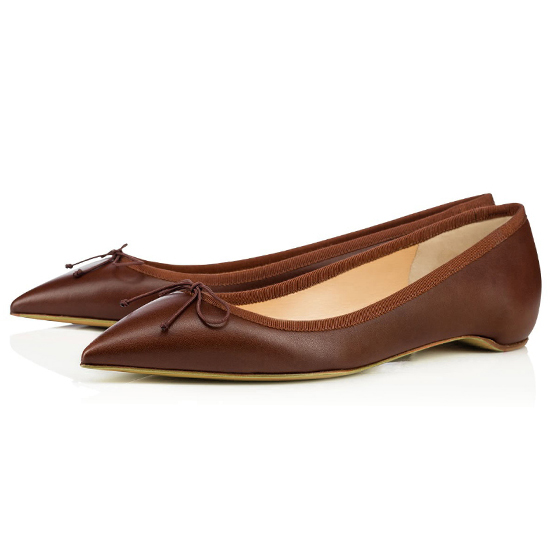
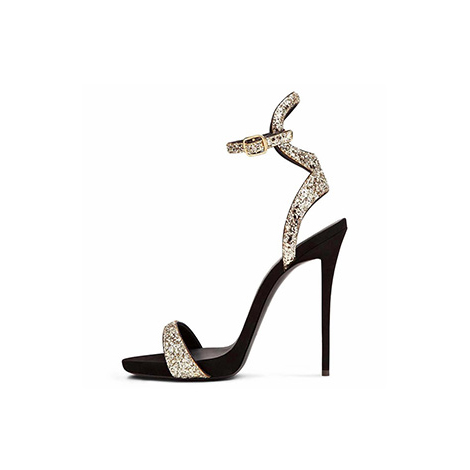


Casual Shoes Men Manufacturers Sets the Industry Standard Service Backed by Expertise
Global buyers seek not only style but reliable supply chains. A leading casual men’s shoe manufacturer combines design insight with rigorous process discipline, turning concept into bulk production with confidence. Our expertise spans material selection, ergonomic last design, outsole engineering, and refined finishing, while offering OEM/ODM capabilities, flexible minimums, and rapid sampling to match market needs. Commitment to quality starts with transparent communication, strict QC at every stage, and scalable production that adapts to demand. We provide multi-point inspections, compliant materials, flexible packaging, and on-time delivery, backed by deep footwear know-how. This end-to-end service enables global partners to reduce risk, accelerate time-to-market, and grow across regions with consistency and support.
Casual Shoes Men Manufacturers Sets the Industry Standard Service Backed by Expertise
| Supplier Code | Location | Weekly Capacity (K pairs/week) | Lead Time (days) | Materials Offered | Certifications | Quality Rating (0-5) | On-Time Delivery Rate (%) | Sustainability Index | MOQ (pairs) |
|---|---|---|---|---|---|---|---|---|---|
| S-001 | Vietnam | 18 | 32 | Synthetic leather; Knit mesh; EVA foam | ISO 9001; BSCI; WRAP | 4.6 | 92% | 72 | 2,000 |
| S-002 | China (Dongguan) | 25 | 28 | Synthetic leather; Knit; Rubber outsole | ISO 9001; ISO 14001; SEDEX | 4.4 | 94% | 70 | 5,000 |
| S-003 | Portugal | 31 | 28 | Leather; Textile | REACH; ISO 9001 | 4.5 | 96% | 85 | 3,500 |
| S-004 | India (Tamil Nadu) | 22 | 34 | Knit textile; EVA foam; Rubber | ISO 9001; SEDEX | 4.5 | 90% | 68 | 3,000 |
| S-005 | Indonesia (Java) | 29 | 29 | Mesh; Knit; EVA foam; Rubber outsole | ISO 9001; BSCI; WRAP | 4.7 | 97% | 83 | 4,000 |
| S-006 | Vietnam (Dong Nai) | 16 | 40 | Textile; Leatherette; EVA | ISO 9001 | 4.3 | 88% | 70 | 2,000 |
Related Products


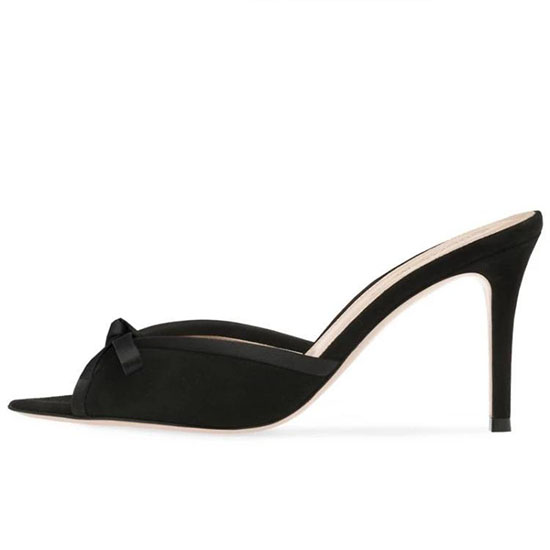
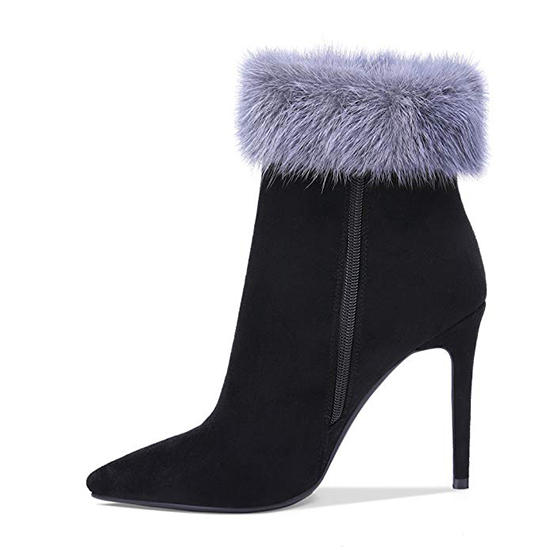

Casual Shoes Men Manufacturers Supplier Exceeds Industry Benchmarks
Top Selling Products




- Related Blog
- Reviews
- Reviews
