
Custom Shoe Maker - Wholesale Manufacturer for Custom Footwear
As a dedicated custom shoe maker, I partner with footwear retailers, distributors, and brands to deliver precision-crafted footwear at wholesale volumes. From design to production, I handle every step, offering flexible customization, upper materials, insoles, stitching, and sole options to fit your line. If you're a Wholesale buyer or a Manufacturer seeking reliable supply, I provide scalable production schedules, competitive pricing, and MOQ-friendly terms. Our factory uses modern lasts and signature hand-finishing techniques to ensure consistency across batches, with strict QC checks before packaging. I ship ready-to-brand boxes and can accommodate private labeling, size grading, and colorways to meet your market needs. With short lead times and transparent communication, I help you reduce stock risk while expanding your catalog. Let me tailor a solution that aligns with your brand strategy, whether you want a flagship sneaker, a formal dress shoe, or a performance model—made by a true custom shoe maker.
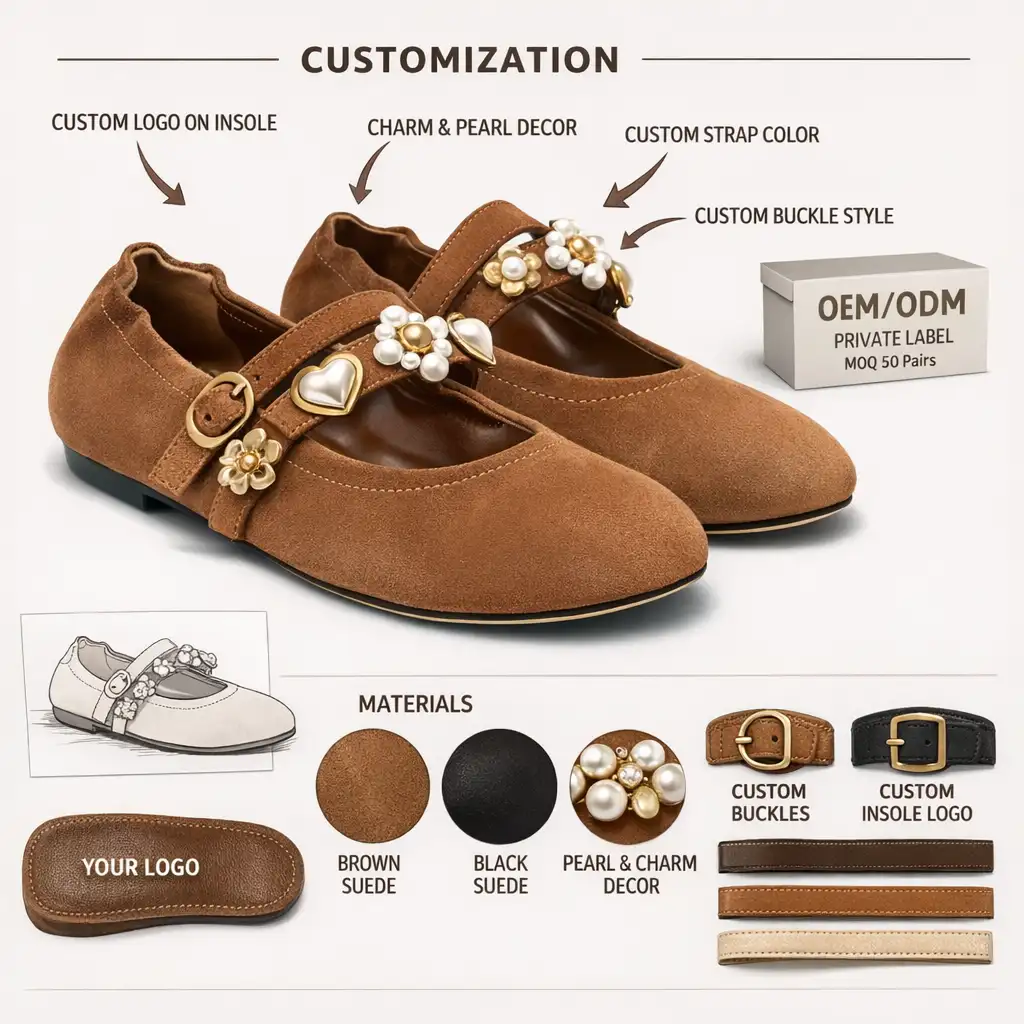
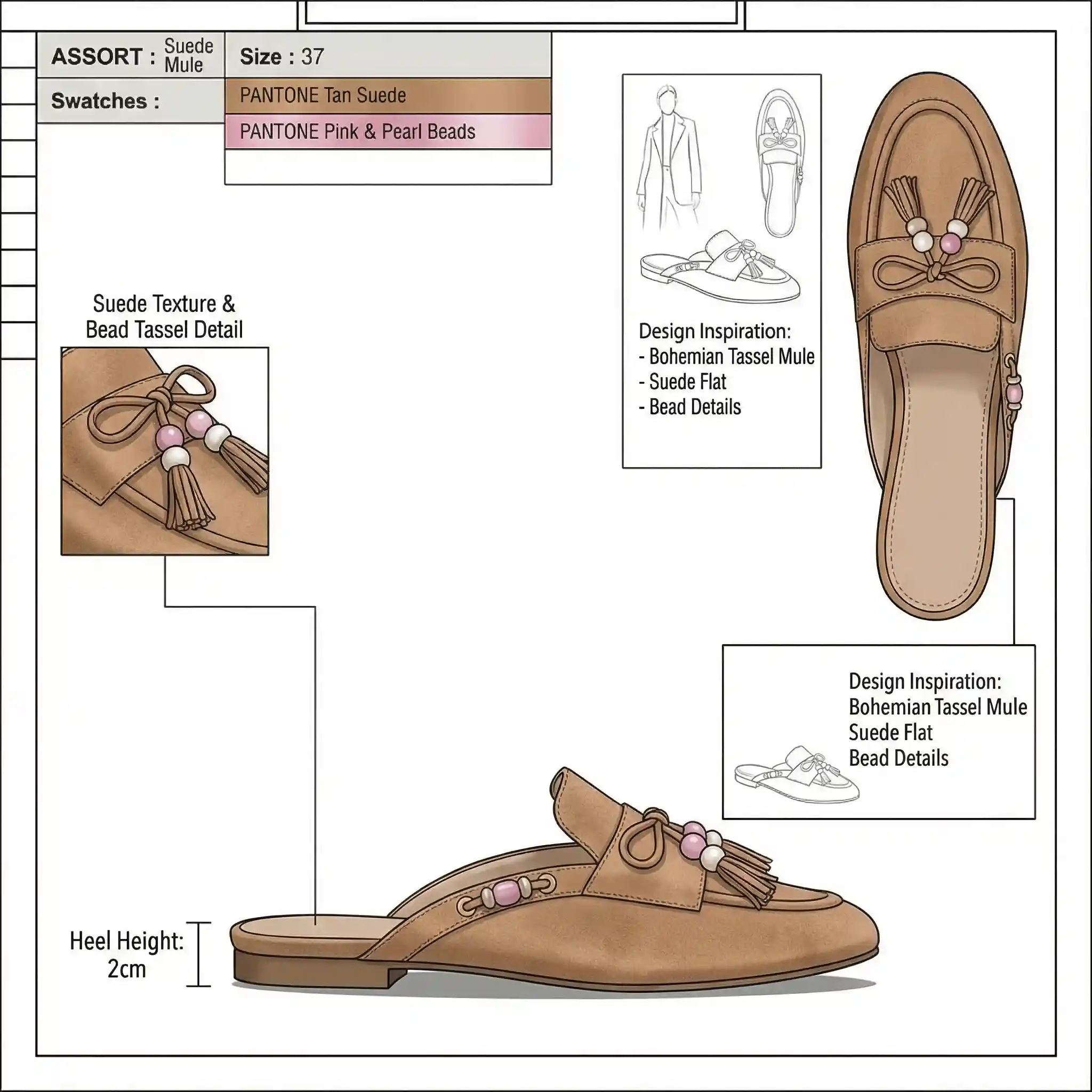
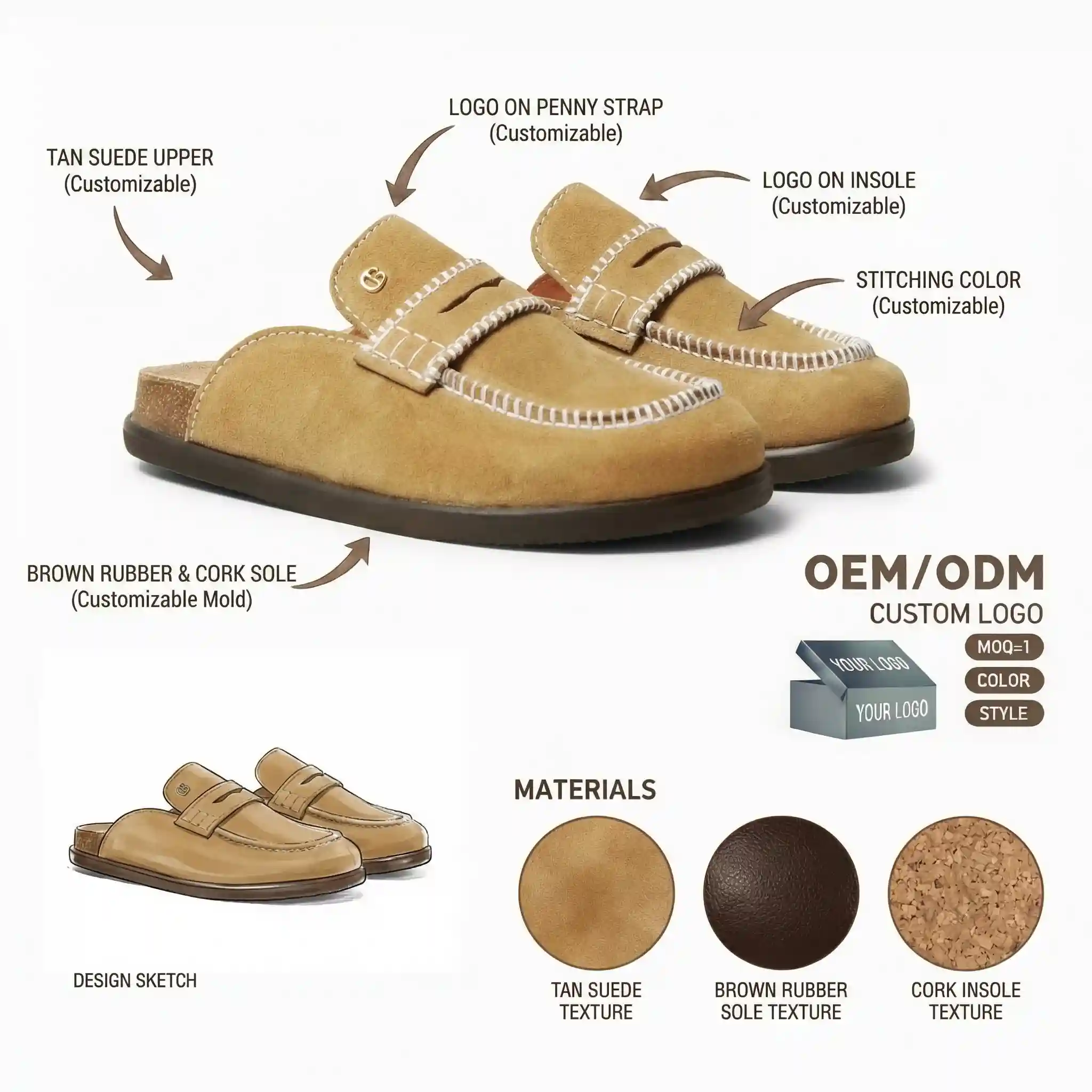


custom shoe maker Winning in 2025 Custom Solutions,
Global buyers today demand a new standard of speed, fit, and sustainability in footwear. A leading custom shoemaker wins in 2025 by embedding digital tools and flexible production into every step—from digital foot scanning and 3D modeling to modular lasts and material libraries. This approach shortens prototyping cycles, reduces risk, and lets buyers tailor performance, aesthetics, and sizing across regions with consistent quality. With end-to-end customization, procurement teams gain reliable lead times, traceable sourcing, and transparent QA, even for complex orders. Lightweight yet durable materials, responsible sourcing, and efficient manufacturing reduce total costs while supporting seasonal drops and regional tweaks. The result is a supplier ecosystem that scales with demand, preserves margins, and helps brands differentiate through fit, comfort, and design—ready for global markets in the year ahead.
| Area | KPI | 2023 | 2024 | 2025 Target |
|---|---|---|---|---|
| Operations | Lead Time (days) | 28 | 26 | 22 |
| Quality | Defect Rate (%) | 1.8 | 1.5 | 1.0 |
| Delivery | On-time Delivery Rate (%) | 92 | 95 | 97 |
| Capacity | Production Capacity (pairs/year) | 12000 | 15000 | 19000 |
| Customization | Options Available | 5 | 6 | 8 |
| Materials | Leather Utilization (%) | 40 | 38 | 42 |
| Materials | Knit Fabric Utilization (%) | 25 | 28 | 30 |
| Materials | Synthetic/Other Utilization (%) | 35 | 34 | 28 |
| Sustainability | Raw Material Waste (%) | 7.0 | 6.0 | 4.5 |
| Sustainability | Water Usage per Pair (L) | 60 | 52 | 40 |
| Sustainability | Energy Usage per Pair (kWh) | 5.0 | 4.2 | 3.4 |
| Sustainability | Carbon Footprint per Pair (kg CO2) | 6.0 | 5.2 | 4.0 |
| Customer | Customer Satisfaction (1-5) | 4.1 | 4.4 | 4.7 |
Related Products


custom shoe maker Supplier For the Current Year
Top Selling Products


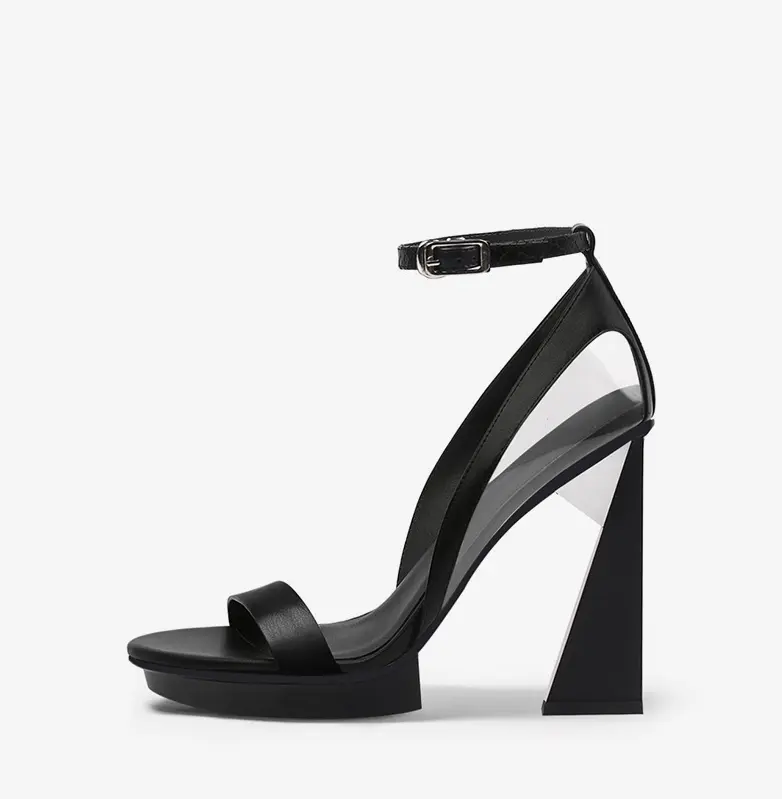
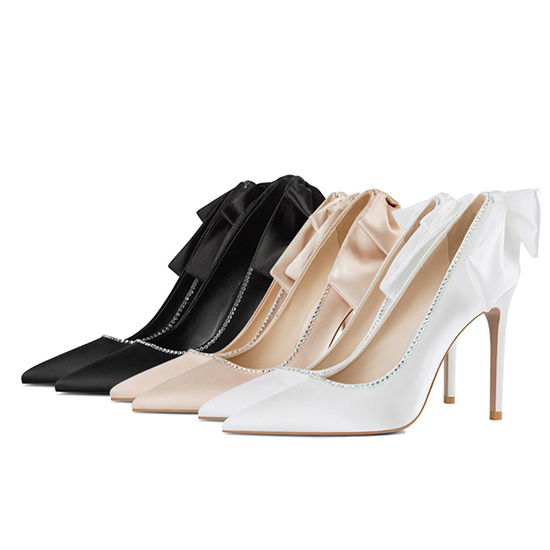
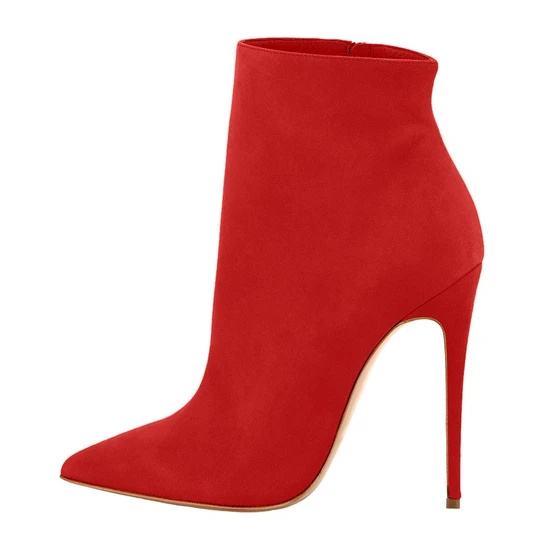
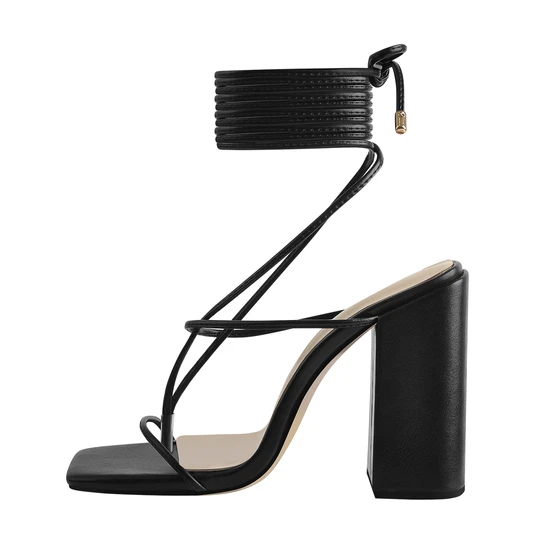
- Related Blog
- Reviews
- Reviews
