
Handmade Leather Shoes Factory: Wholesale Manufacturer
We are a hands-on team behind {Handmade Leather Shoes Factory}, crafting premium footwear for serious retailers and bulk orders. We design and source every component with old-world care, so your customers get durable, comfortable leather shoes that wear well. When you partner with us, you get reliable supply chains, flexible MOQ, and consistent quality across runs, ideal for {Wholesale} programs and long-term {Manufacturer} relationships. We offer direct factory pricing, customization options, and fast lead times—so you can scale your catalog without sacrificing margins. Each pair is stitched by skilled artisans, using full-grain leather, natural lining, and sturdy outsoles. We supervise QC personally, ensuring size and finish accuracy before shipment. If you need private labeling, packaging options, or colorways to fit your market, we can adapt. Let’s build a steady supply you can trust, with transparent communication and dedicated support from inquiry to delivery.


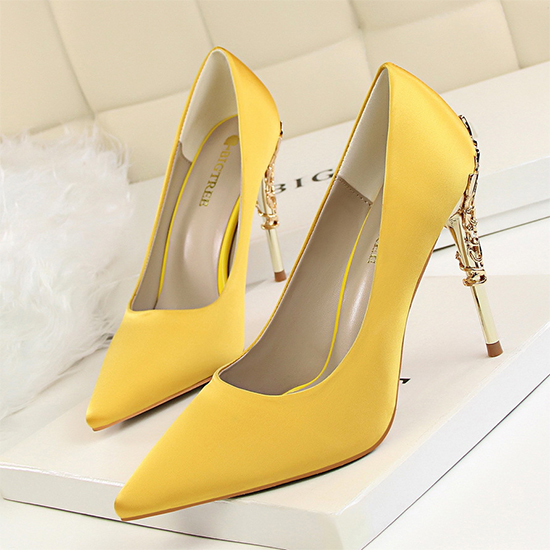
Handmade Leather Shoes Factory Stands Out Outperforms the Competition
Global buyers seeking premium leather footwear expect more than a stylish silhouette. They want a factory that honors craft and delivers reliable quality at scale. A true handmade producer blends time-honored techniques with disciplined processes: hand-selected full-grain leather, precise cutting, skilled stitching, and careful finishing for comfort, durability, and a refined fit. From design concepts to prototype samples, such partners offer adjustable lasts and leather options, ensuring every style embodies authentic craftsmanship. What sets a standout partner apart is end-to-end quality control and transparent sourcing. An in-house sample room shortens the journey from idea to order, while supplier audits verify tanning practices, material traceability, and ethical standards. Flexible production handles small runs or larger orders, with scalable lines, predictable lead times, and consistent finishes. Clear communication and real-time updates keep buyers aligned through colorways, sizing, and design changes, while traditional craftsmanship meets modern efficiency to deliver distinctive footwear to global markets.
{ Handmade Leather Shoes Factory Stands Out Outperforms the Competition }
| Metric | This Factory | Industry Benchmark | Gap vs Benchmark |
|---|---|---|---|
| Production Capacity (pairs per month) | 12,000 | 9,500 | +26.3% |
| Lead Time (days from order to ship) | 14 | 18 | -4 days |
| On-time Delivery Rate (%) | 98.5% | 92.0% | +6.5 pp |
| Defect Rate (%) | 0.90% | 1.50% | -0.60 pp |
| Labor Productivity (pairs/worker/day) | 2.80 | 2.10 | +0.70 |
| Waste Recycled (%) | 78% | 65% | +13 pp |
| Water Usage per Pair (liters) | 0.85 L | 1.25 L | -0.40 L |
| Energy Consumption per Pair (kWh) | 0.55 | 0.75 | -0.20 kWh |
| Carbon Footprint per Pair (kg CO2) | 1.20 | 1.80 | -0.60 kg CO2 |
| Employee Satisfaction Index (0-100) | 88 | 74 | +14 pp |
| Safety Incidents per 1000 Workers | 1.20 | 2.90 | -1.70 incidents |
| Training Hours per Employee per Year | 22 | 15 | +7 hours |
| Materials Traceability (% of Raw Materials) | 92% | 78% | +14 pp |
Related Products


Handmade Leather Shoes Factory Exceeds Industry Benchmarks Your End-to-End Solution
Top Selling Products



- Related Blog
- Reviews
- Reviews
