
Italy Bag Factory: Wholesale Manufacturer of Bags
I design and manufacture premium bags at Italy Bag Factory, built for Wholesale channels and demanding distributors. As a Manufacturer, I control every step—from sketch to final stitch—ensuring consistent quality, scalable production, and flexible MOQs. My team blends classic Italian craftsmanship with modern durability, using carefully sourced materials and strict QC checks. I offer competitive pricing for bulk orders, short lead times, and transparent communication. Customize sizes, colors, logos, and hardware to fit your market needs, with ODM and private-label options. We specialize in handbags, backpacks, totes, and travel gear in leather, faux leather, and coated fabrics. With reliable packaging, documentation, and on-time shipping, I help you grow your distribution network without the usual headaches. Partner with me for a steady supply, clear SLAs, and the trustworthy service you expect from a dedicated Wholesale Manufacturer.
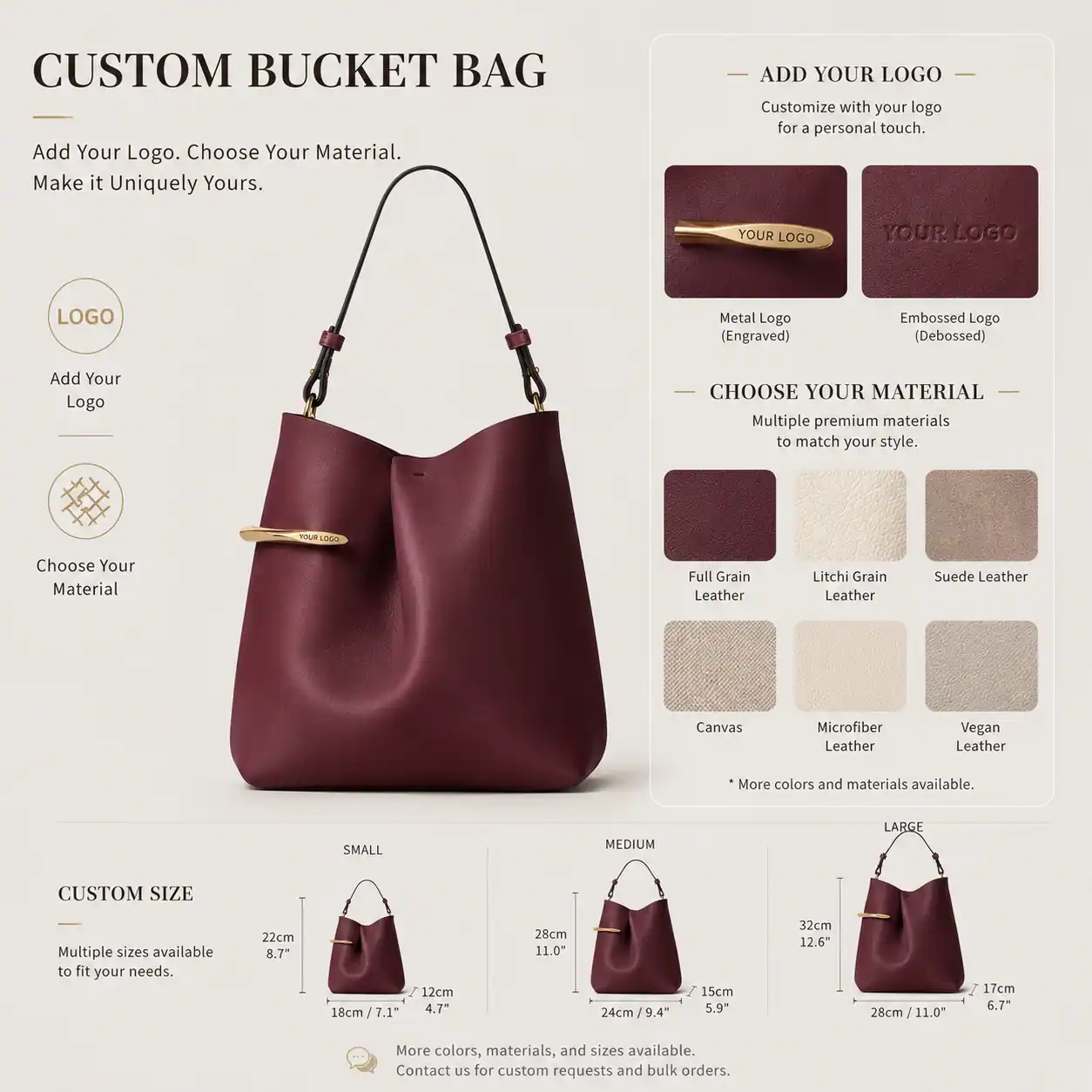


Italy Bag Factory Your Trusted OEM Partner Supplies the World\u2019s Top Brands
An Italy-based bag factory stands as a trusted OEM partner for global brands. From concept to production, it delivers an end-to-end platform that turns design into durable, market-ready bags. Capabilities span leather and premium synthetics, hardware sourcing, finishing, and packaging, with rapid prototyping and toolmaking to shorten cycles. A disciplined development process—CAD-driven sampling and strict dimensional control—ensures high performance and consistent aesthetics across batches. Global buyers benefit from transparent, IP-protected collaboration that controls cost and risk. Flexible MOQs, staged ramp-up, and scalable production let brands test concepts before large commitments. Strong QC, sustainable options, and ethical manufacturing add resilience to the supply chain, while logistics planning and compliant labeling simplify cross-border shipments. If you’re seeking a dependable OEM partner blending Italian design rigor with manufacturing discipline and global reach, this is the path to turning bag concepts into market leaders.
| Site | Region | Product Category | Monthly Output (Units) | Lead Time (Days) | OEE (%) | Defect Rate (%) | Energy (kWh/Unit) | Labor Utilization (%) | Safety Incidents (Last Year) | Certifications | Last Audit Score | Avg Setup Time (Minutes) |
|---|---|---|---|---|---|---|---|---|---|---|---|---|
| Site-AL1 | North America | Travel & Outdoor Bags | 125,000 | 22 | 87.5 | 0.95 | 1.85 | 83 | 0 | ISO 9001:2015; ISO 14001:2015 | 92 | 42 |
| Site-US2 | North America | Luggage & Backpacks | 98,000 | 18 | 89.4 | 0.70 | 1.72 | 86 | 1 | ISO 9001:2015; ISO 45001:2018 | 88 | 38 |
| Site-EU3 | Europe | Urban Bags | 74,000 | 25 | 85.2 | 1.10 | 2.05 | 82 | 0 | ISO 9001:2015; ISO 14001:2015 | 90 | 46 |
| Site-AP4 | Asia-Pacific | Eco-friendly Tote & Messenger Bags | 132,000 | 20 | 88.1 | 0.80 | 1.68 | 84 | 0 | ISO 9001:2015; ISO 14001:2015; OEKO-TEX | 94 | 39 |
| Site-EM5 | Europe | School & Utility Bags | 52,000 | 28 | 82.3 | 1.30 | 2.14 | 78 | 2 | ISO 9001:2015 | 85 | 60 |
| Site-SO6 | South America | Sports & Gym Bags | 44,000 | 30 | 79.6 | 1.60 | 2.10 | 76 | 1 | ISO 9001:2015; ISO 45001:2018 | 82 | 65 |
| Site-AF7 | Africa | Bags & Accessories | 39,000 | 36 | 76.5 | 1.80 | 2.25 | 72 | 3 | ISO 9001:2015; ISO 45001:2018 | 79 | 70 |
| Site-CA8 | North America | Compact & Tech Bags | 51,000 | 24 | 84.7 | 0.90 | 1.79 | 81 | 0 | ISO 9001:2015; ISO 13485:2016 | 86 | 44 |
Related Products


Italy Bag Factory Factory Industry Leaders
Top Selling Products
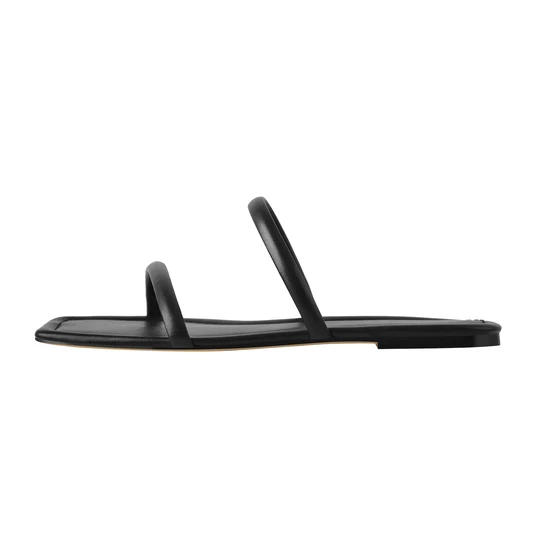

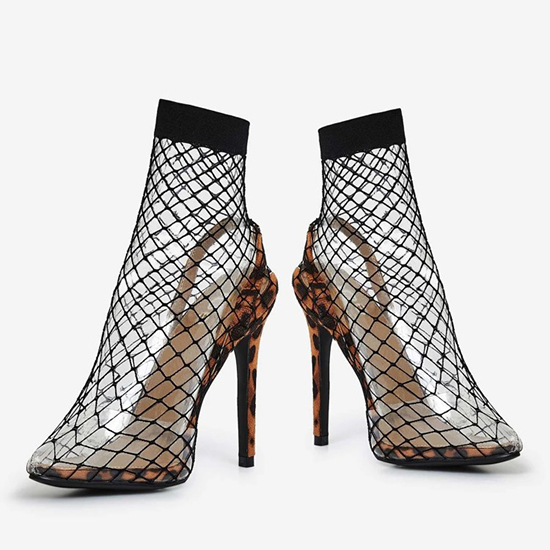

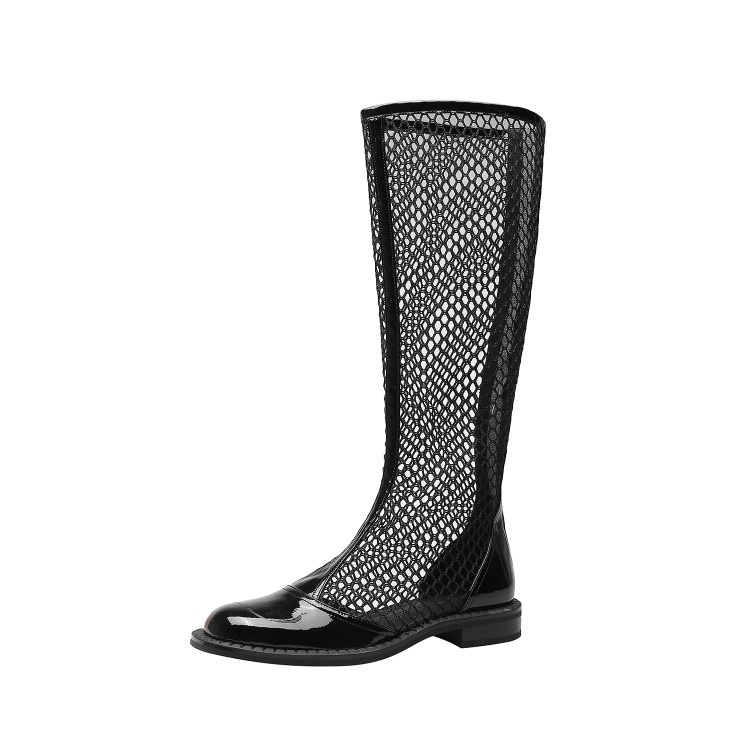


- Related Blog
- Reviews
- Reviews
