
Leather Product Manufacturing: Wholesale Leather Products Manufacturer
From a hands-on approach to high-volume leather production, I offer Leather Product Manufacturing that fits wholesale orders and private label projects. As a dedicated Manufacturer, I streamline sourcing, cutting, stitching, and finishing with strict quality controls. My focus on durable, fashion-forward leather goods — belts, wallets, bags, and small accessories — helps wholesale buyers scale their assortments without compromising margins. I work directly with retailers and distributors, providing flexible MOQs, competitive pricing, and lead times tailored to your calendar. Every piece is crafted with full-grain or top-grain hides, environmental tanning options, and sturdy hardware. I rely on skilled artisans and modern machinery to deliver consistency across batches. When you partner with me, you get transparency, real-time progress updates, and options for customization: stitching color, embossing, logo placement, and packaging. If you’re searching for a reliable Manufacturer who can handle the demands of Wholesale clients, let’s connect and discuss your next line of leather goods.
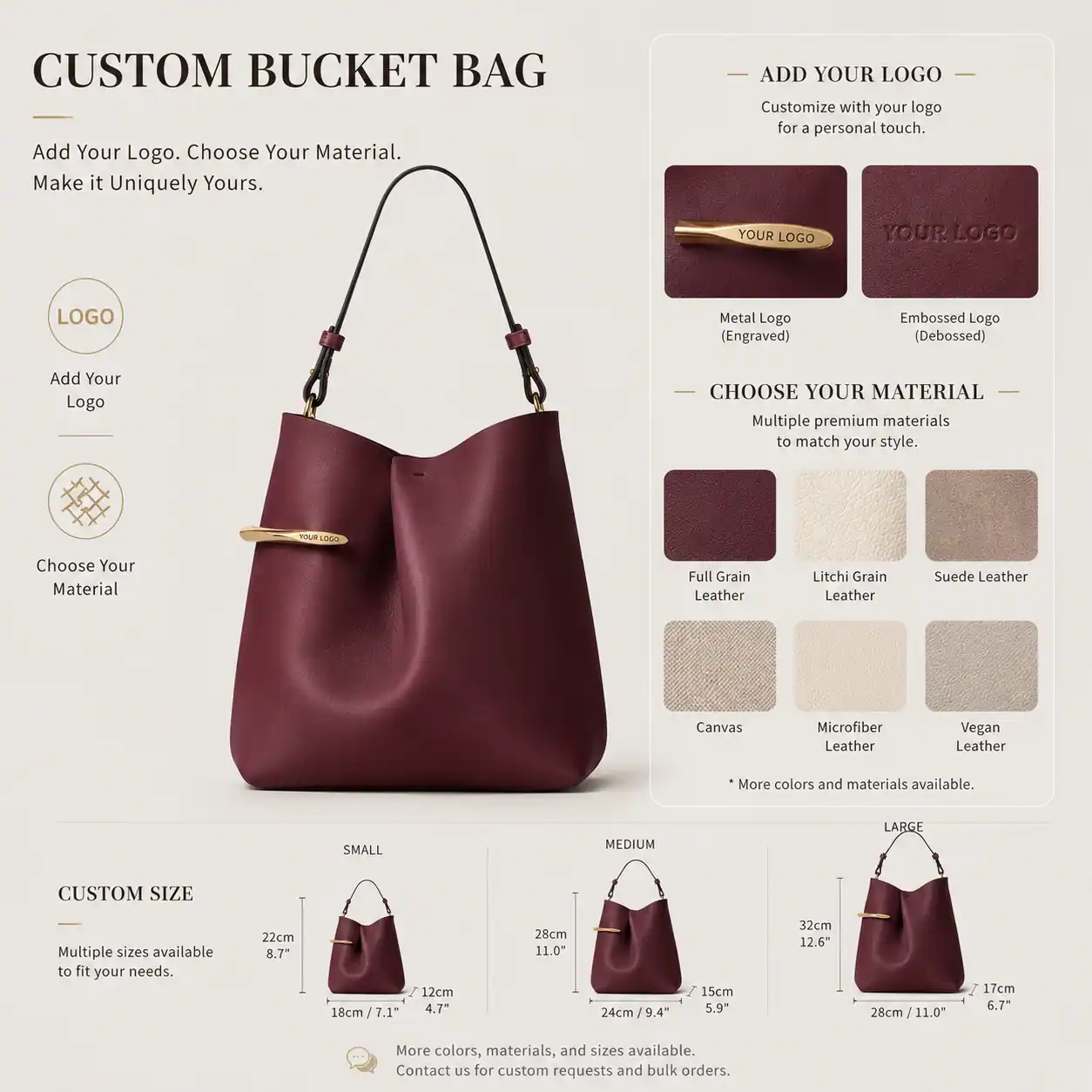


Leather Product Manufacturing Service Trusted by Pros
Global buyers seeking reliable leather product manufacturing deserve a partner who blends traditional craftsmanship with modern precision. From raw hide evaluation and sustainable tanning to accurate cutting and precise assembly, a trusted facility delivers consistent quality across bags, wallets, belts, shoes, and accessories. With scalable production lines and a transparent supply chain, you can expect tight tolerances, durable hardware, and premium finishes even at high volumes and with reliable on-time delivery. Collaboration is at the core: flexible MOQs, private labeling, and full OEM/ODM support, along with confidential design protection. Proactive QA at every stage—from sample development to mass production—ensures color consistency, edge finishing, stitching accuracy, and leather grain alignment. Global buyers gain clear communication, rapid prototyping, and traceability across the supply chain, enabling faster time-to-market with confidence.
| Attribute | Example Values / Details | Industry Standards / Typical Ranges |
|---|---|---|
| Materials |
Full-grain cowhide
Top-grain
Lamb & kid
Goatskin
Split leather (coated)
Typical thickness: 0.6–3.5 mm depending on product; lining fabrics commonly cotton canvas, microfiber or satin blends.
|
Commonly used materials selected by end-use: upholstery & footwear often 1.6–3.5 mm; small accessories 0.6–1.6 mm. Dyeing: aniline, semi-aniline, pigmented finishes; option for vegetable tanning. |
| Typical Products |
Handbags, wallets, belts, watch straps, footwear uppers, small leather goods (cardholders, key fobs), furniture panels, saddlery & equestrian gear.
Design complexity varies: flat goods vs. structured bags vs. padded footwear components.
|
Product families drive tooling: bag closures & hardware, lasted footwear components, multi-panel upholstery—each has typical process flows and quality checkpoints. |
| Manufacturing Processes |
Cutting (CNC & hand), skiving/thinning, edge prep, stitching (lockstitch/chain), folding & gluing, hardware fitting (rivets, zips), burnishing/edge painting, finishing & buffing.
Common finishing: aniline dyeing, protective top-coats, wax polish, oiling.
|
Process controls include pattern grading, nested cutting plans, consistent stitch tension, and final dimensional checks. Critical operations: skiving uniformity & seam allowance accuracy. |
| Lead Times | Prototype: 7–14 days; Pre-production sample: 10–21 days; Small batch production: 3–6 weeks; Mass production: 6–12+ weeks (varies by complexity & raw hide availability). | Lead time variance driven by tanning cycles, hardware lead-times, seasonal hide availability and finishing/drying schedules. Allow buffer for custom hardware sourcing. |
| MOQ (Typical) | Typical range: 50–500 units per SKU depending on complexity. Simple accessories often lower MOQs; structured bags and footwear higher MOQs for tooling efficiency. | MOQ influenced by pattern setup, mold/tool costs, and finishing batch sizes. Custom color-matching or hardware can increase minimums. |
| Sample Turnaround | Physical sample: 7–21 days; Digital proofs and color swatches: 48–72 hours for initial review. Iteration adds 3–10 days per revision. | Rapid sample cycles common for accessories; complex constructions (multi-material, custom hardware) require longer verification stages. |
| Quality Control & Testing | Incoming raw material inspection, inline stitch/seam checks, final visual & functional inspections. Typical tests: tensile & seam strength tests, abrasion resistance (Martindale), colorfastness to rubbing & light, hardware fatigue testing. | AQL sampling plans widely used for final inspections (commonly 2.5 for consumer goods). Test equipment and objective measurement support consistent batches. |
| Certifications & Compliance | Common referenced credentials: ISO 9001 (quality), environmental best practices (local/regional), REACH & chemical compliance for finishes, OEKO‑TEX for textiles used in linings, traceability to certified tanneries or Leather Working Group-rated sources. | Compliance focuses on restricted substances, traceability, and documented process controls—especially for export markets and contract manufacturing. |
| Sustainability Practices | Options: vegetable tanning, water recycling, low-VOC finishing systems, hazardous effluent treatment, use of certified or traceable raw hides, reduced packaging materials, and recycled-content linings. | Sustainability strategies commonly map to client requirements: reduced chemicals, documented supply chain, and tangible metrics for water/energy reduction. |
| Packaging & Shipping | Export-ready packing: tissue wrap for each unit, protective inserts for structure, kraft cartons, and palletization guidelines. Custom retail-ready packaging available per spec. | Packaging adheres to transport regulations and client display requirements; moisture control and desiccants used where appropriate during transit. |
| Production Capacity (Example) | Small accessories: 8,000–20,000 pcs/month; Handbags (structured): 2,000–8,000 pcs/month; Footwear components: 10,000–30,000 pairs/month. Actual capacity varies by equipment mix and shift patterns. | Output depends on automation level, skilled workforce availability, and concurrent product mix. Seasonal peaks and holiday lead times commonly affect capacity planning. |
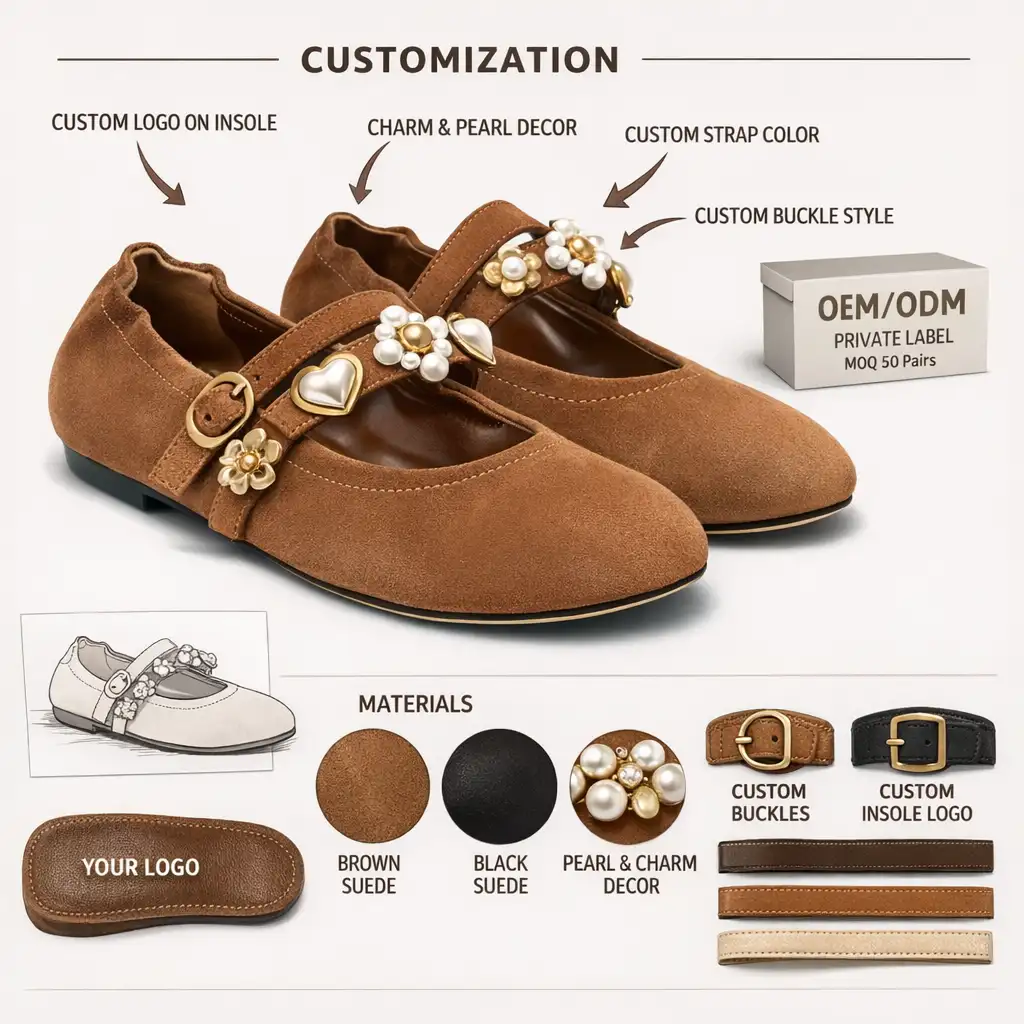
| Customization Capabilities | Embossing/debossing, hot stamping, laser engraving, custom stitch patterns, bespoke pattern grading, hardware sourcing (custom finishes), multiple color-matching methods (Delta-E targets & lab dips). | Customization complexity affects lead time and MOQ. Color approval workflows and hardware prototypes are typical prerequisites for larger runs. |
| Supply Chain Considerations | Key variables: hide availability (seasonality), tannery schedules, hardware lead-times, shipping windows and customs clearance. Risk mitigation: multi-sourcing, safety stock for critical components, and staged deliveries. | Transparent bill of materials and lead-time mapping help forecast order timelines. Communication cadence and agreed checkpoints reduce late surprises. |
Related Products


Leather Product Manufacturing Custom Solutions, Your End-to-End Solution
Top Selling Products
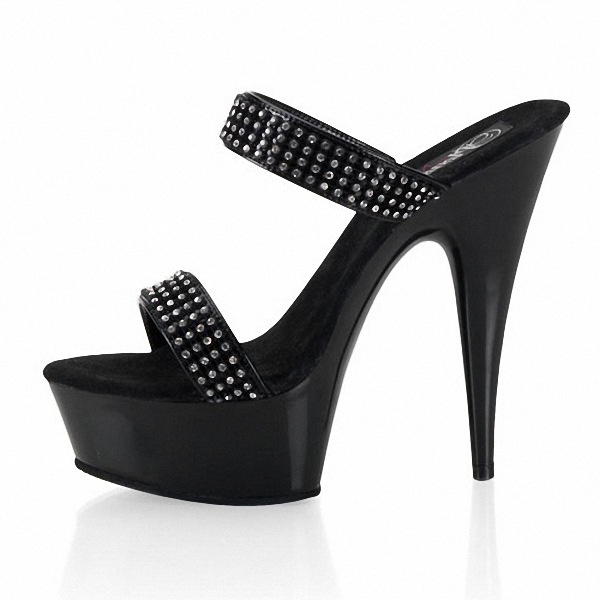
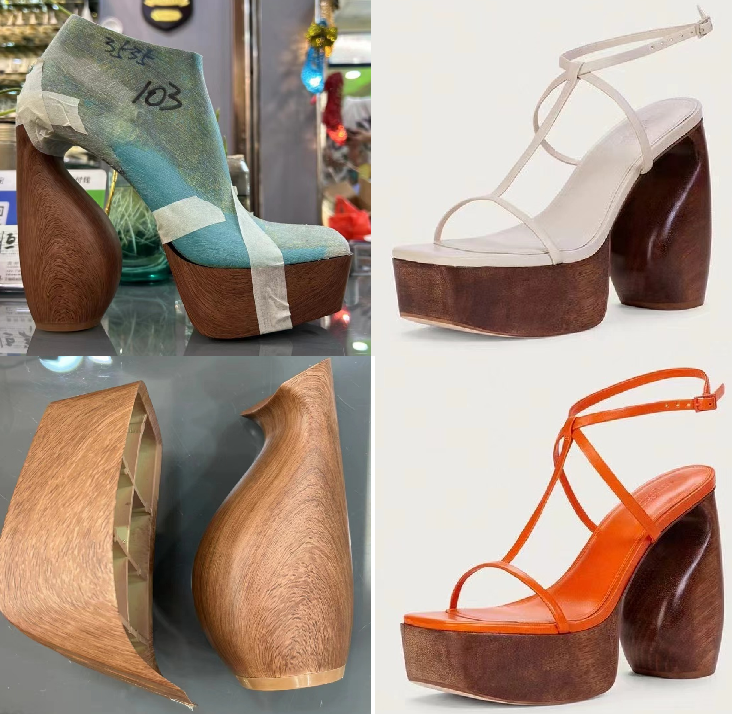
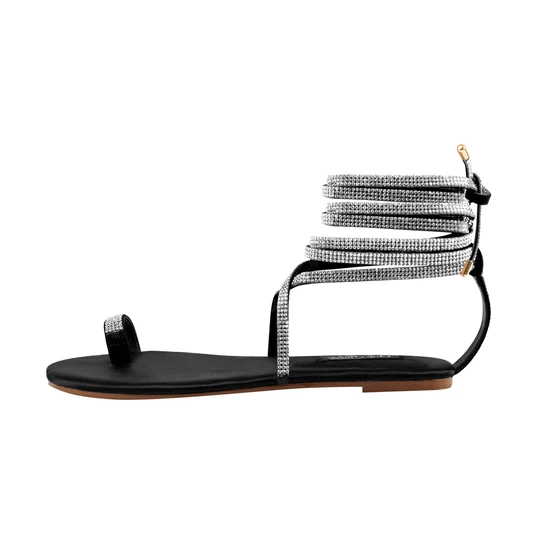

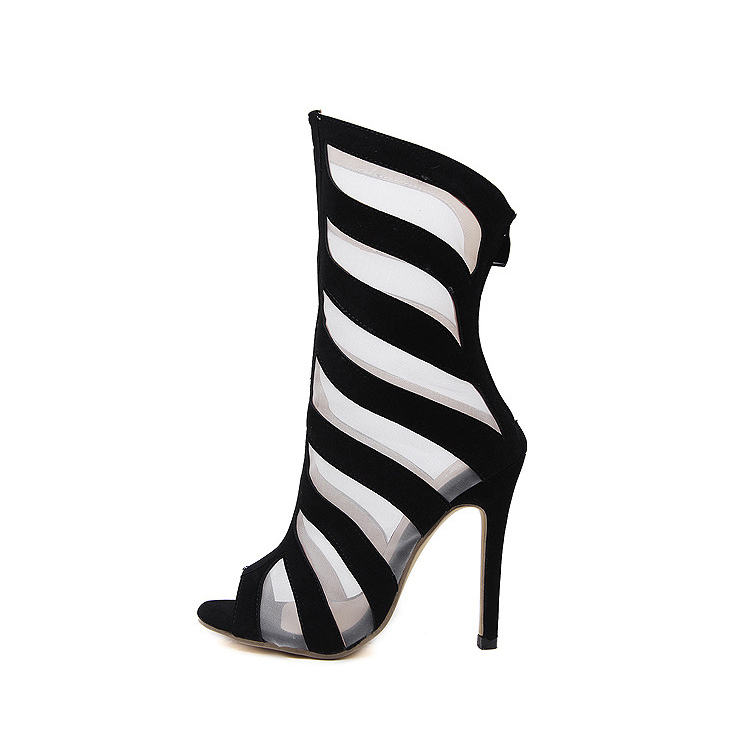
- Related Blog
- Reviews
- Reviews
