
Shoe Manufacturing Process: Wholesale & Manufacturer Guide
From sketch to shipment, I oversee the Shoe Manufacturing Process that underpins every pair we produce for Wholesale and Manufacturer partners. Our method starts with precise design and material selection, choosing durable uppers, leathers, or synthetics that fit your market. We cut with precision, stitch with reinforced seams, and assemble using automated and skilled handwork to ensure consistency at scale. Quality control is built in at each stage, with dimensional checks, fatigue tests, and color matching to your specs. We offer flexible MOQ, rapid prototyping, and scalable production runs to meet Wholesale demands and seasonal variations. Our processes emphasize waste reduction, traceability, and compliance with industry standards, so you can confidently present products to retailers. As a Manufacturer, I understand timelines matter—lead times are optimized through batch planning and on-site finishing. We mirror your branding with customization options, packaging, and labeling. If you’re looking to partner on a reliable, cost-effective Shoe Manufacturing Process, I’m ready to discuss volumes and delivery.
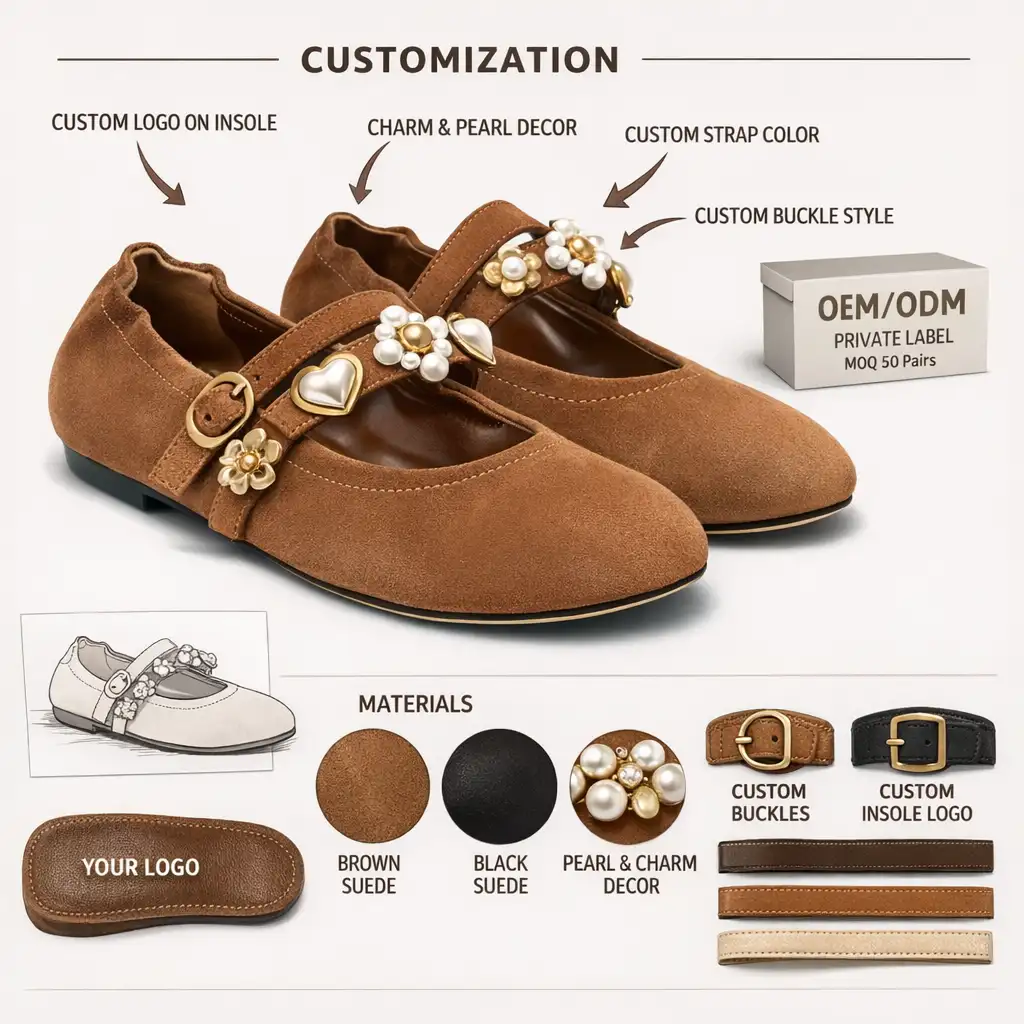
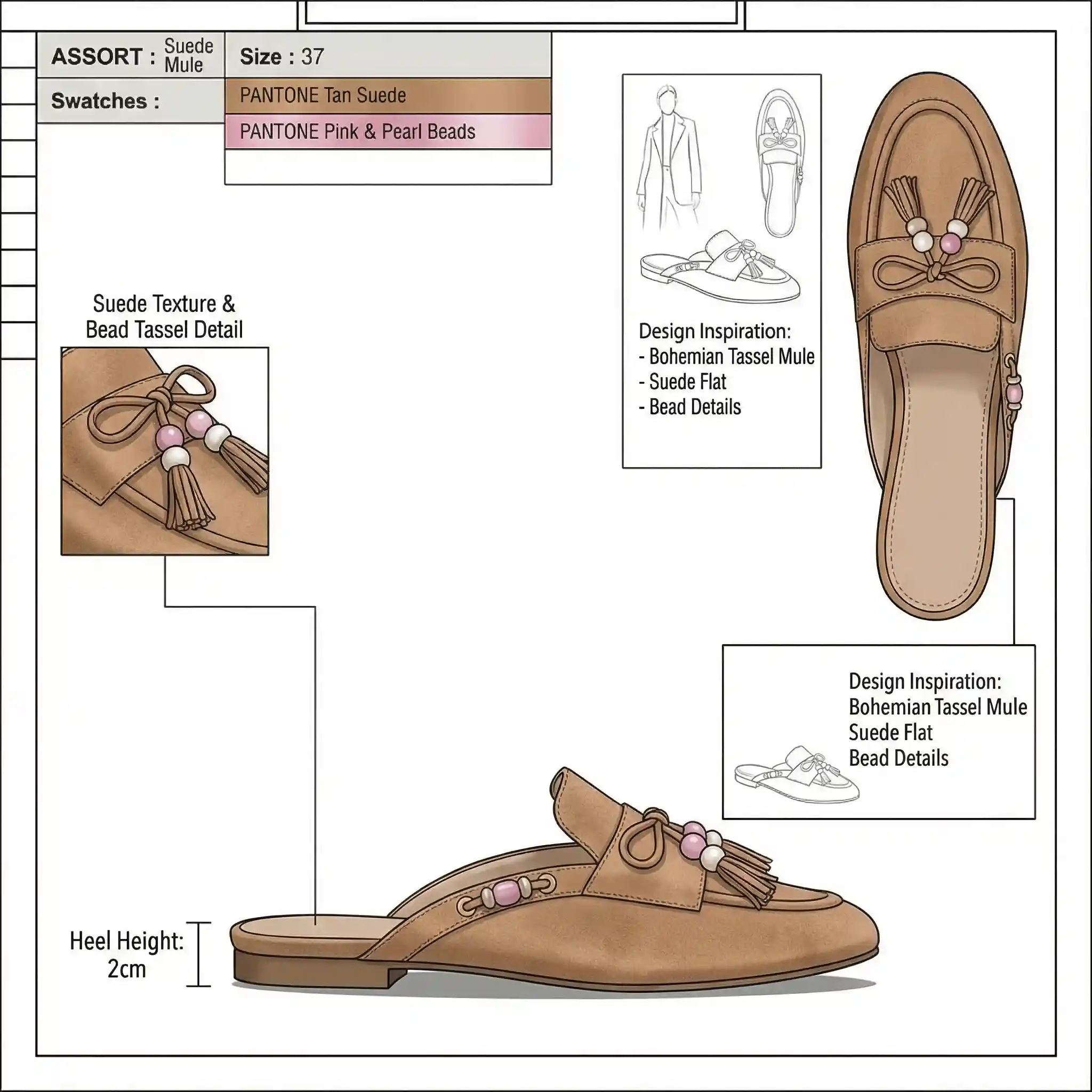
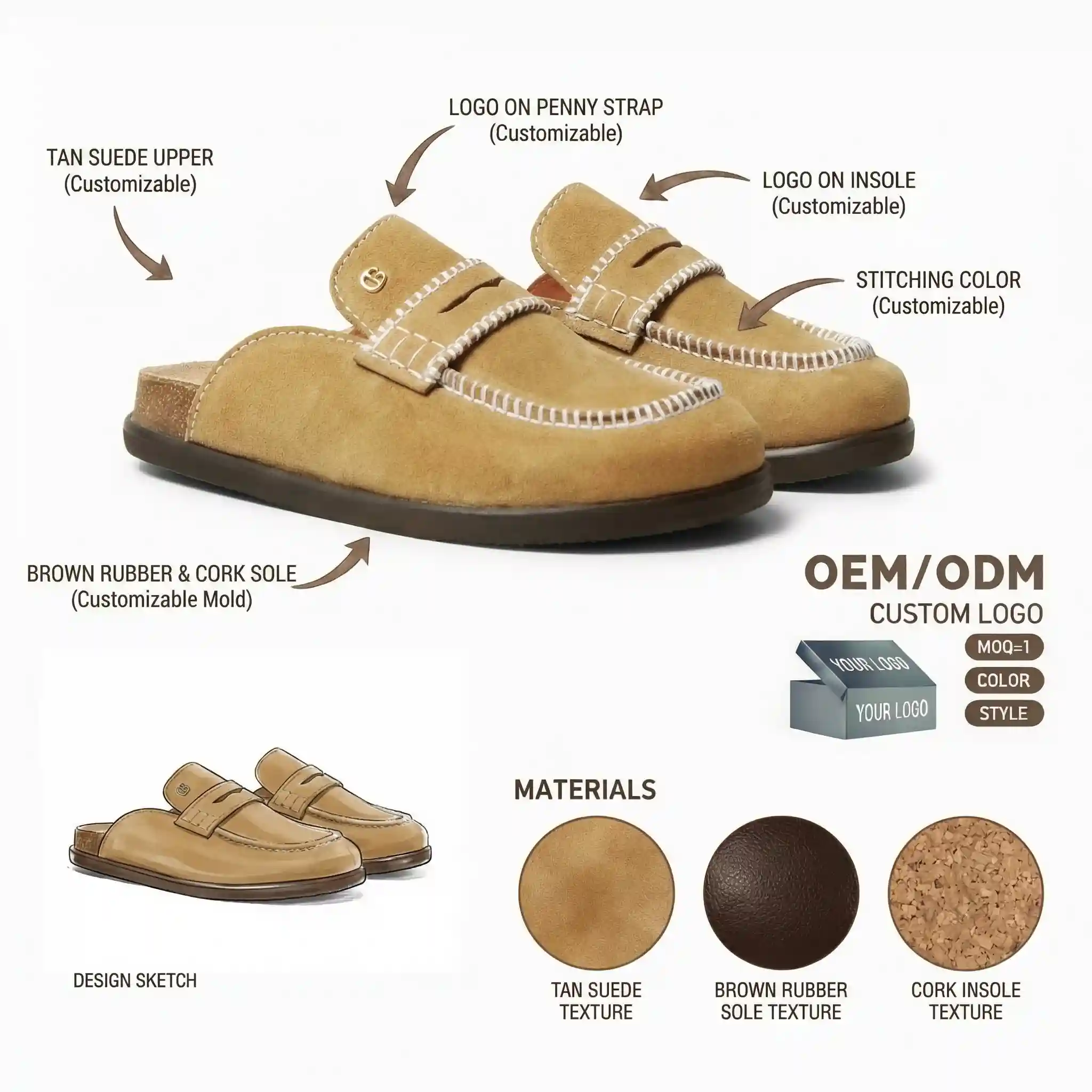


Shoe Manufacturing Process Ahead of the Curve Your End-to-End Solution
Global footwear buyers want more than a finished product—they need a trusted partner who turns concepts into market-ready shoes quickly and consistently. An end-to-end solution starts with design-to-prototype: 3D modeling, virtual fit, and material optimization to balance performance, comfort, and sustainability. A reliable supplier network ensures compliant sourcing, while digital tools speed sampling, testing, and risk checks before any production runs. With clear timelines and full traceability, you gain visibility from concept to approval. From automated, modular production lines to real-time planning and inline quality checks, the process reduces lead times and waste while scaling with demand. We align with global standards for quality, safety, and the environment, offering flexible minimums, transparent pricing, and ethical sourcing. Quality is built in—from material testing and dimensional checks to finished-product performance and packaging. End-to-end logistics, documentation, and after-sales support ensure on-time delivery and actionable post-market feedback that drives continuous improvement. This curve-leading model helps buyers shorten development cycles and secure a competitive edge in fast-moving markets.
| Stage | Description | Avg Cycle Time (min) | Throughput (pairs/day) | OEE (%) | Defect Rate (%) | Labor Hours per Unit | Scrap Rate (%) | Energy Consumption (kWh/pair) | Material Usage (kg/pair) | WIP (units) | |
|---|---|---|---|---|---|---|---|---|---|---|---|
| Raw Material Preparation | Receiving, sorting, and pre-processing leather, fabric, thread, and adhesives for production. | 18 | 820 | 88 | 1.2 | 0.52 | 0.8 | 2.5 | 1.8 | 60 | |
| Cutting | Materials are cut into components for upper, lining, and insoles. | 12 | 780 | 85 | 1.4 | 0.60 | 0.9 | 0.0 | 3.0 | 0.9 | 55 |
| Stitching | Assembling upper components with seams and reinforcement. | 22 | 700 | 82 | 1.1 | 0.75 | 1.1 | 1.0 | 4.2 | 0.4 | 50 |
| Lasting & Sole Attachment | Forming the shoe shape and attaching the sole. | 28 | 640 | 80 | 0.9 | 0.82 | 0.8 | 0.8 | 4.8 | 0.5 | 45 |
| Assembly | Connecting upper, lining, and sole components into the final structure. | 24 | 690 | 83 | 0.95 | 0.70 | 0.7 | 0.7 | 3.9 | 0.3 | 40 |
| Finishing & Polishing | Shaping, buffing, and detailing for visual quality. | 15 | 860 | 87 | 0.6 | 0.55 | 0.5 | 0.5 | 2.2 | 0.25 | 35 |
| Quality Control | Final inspection for fit, finish, and durability. | 12 | 900 | 92 | 0.4 | 0.40 | 0.3 | 0.3 | 1.6 | 0.2 | 30 |
| Packaging | Packaging, labeling, and documentation before shipment. | 9 | 1000 | 95 | 0.3 | 0.35 | 0.2 | 0.2 | 1.1 | 0.15 | 25 |
| Dispatch | Final dispatch to distribution centers or retailers. | 7 | 1100 | 97 | 0.2 | 0.30 | 0.3 | 0.1 | 0.9 | 0.12 | 20 |
Related Products


Shoe Manufacturing Process Pioneers in the Field Leads the Global Market
Top Selling Products


- Related Blog
- Reviews
- Reviews
