
Wholesale Women's Bag Manufacturers | Top Manufacturer
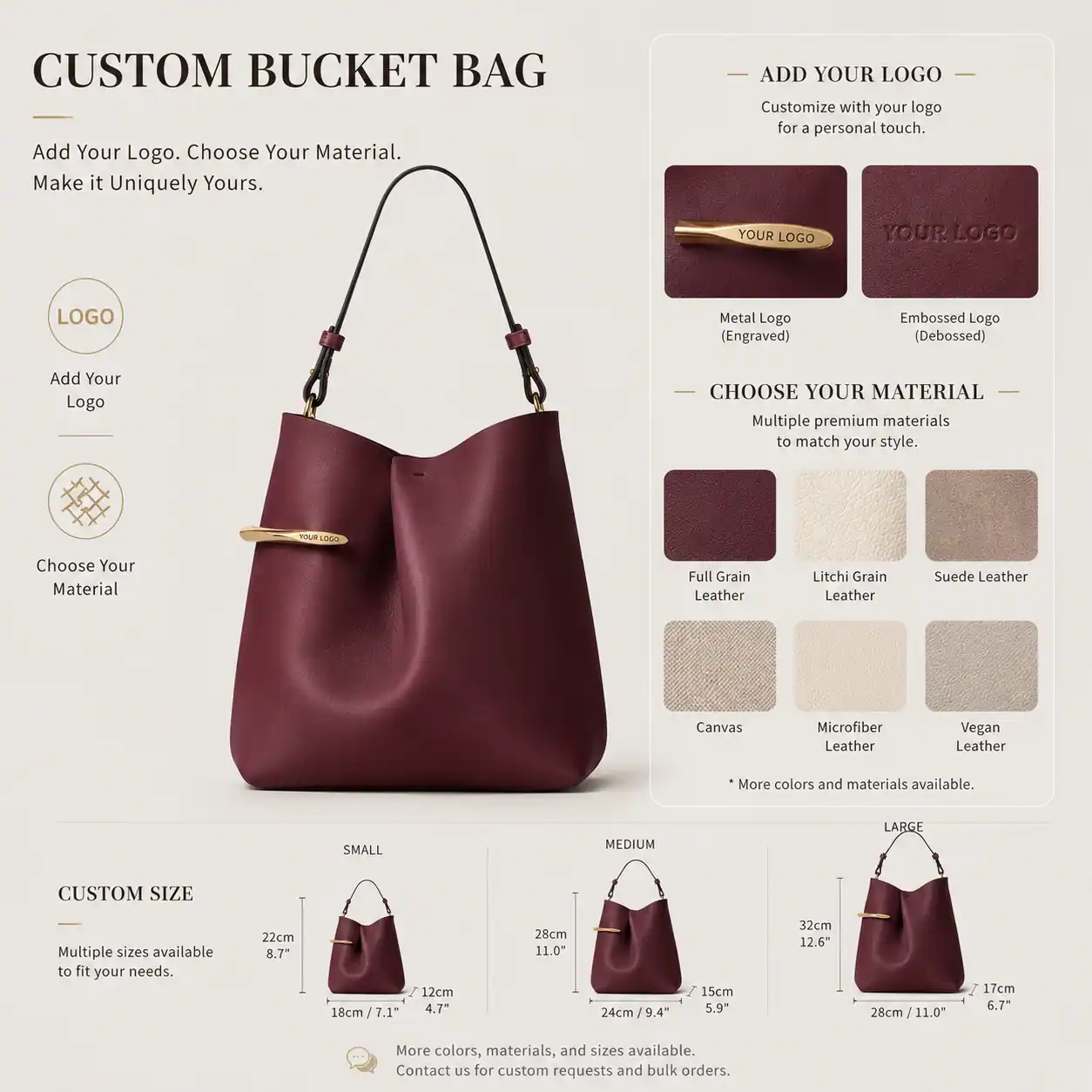
From the heart of our factory, we are one of the Women’s Bag Manufacturers, and I’m proud to offer you bags that blend style with sturdy function. I handle Wholesale orders with flexible MOQs and fast lead times, because I know your shelves depend on timely shipments. As a dedicated Manufacturer, we control every step—from design and sourcing to cutting, stitching, and quality control. We customize materials, hardware, and logos to fit your brand. We offer vegan leather, recycled fabrics, and durable linings to meet market demands. You’ll benefit from competitive pricing, scalable production, and consistent batch-to-batch quality. Our QA team inspects each bag, ensuring stitching, zippers, and hardware meet spec before packing. I provide samples, private-label options, and clear communication in your language. Partner with me for reliable supply, sustainable practices, and a long-term relationship in the bag business. If you’re seeking a steady supply chain, I’m here to help.


Women's Bag Manufacturers Factory Stands Out
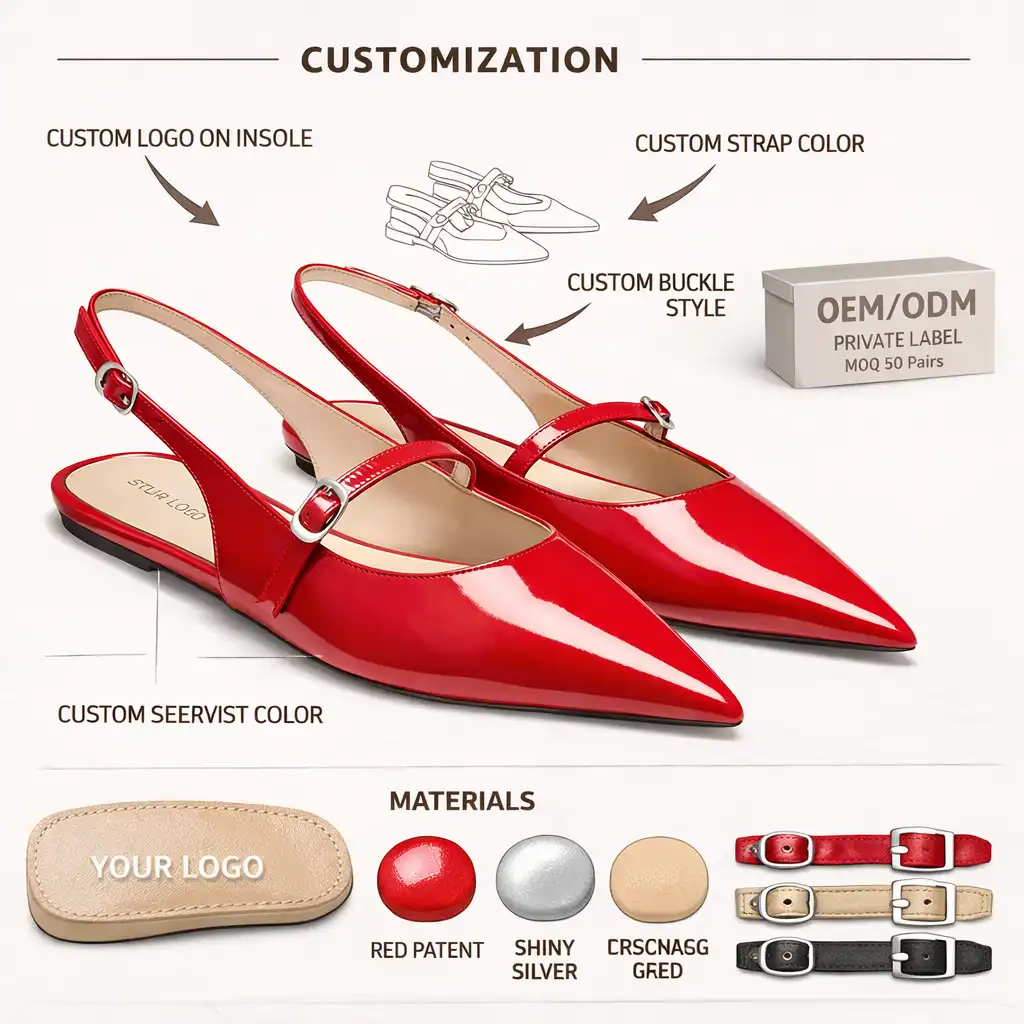
In today’s market, a standout women’s bag factory blends design excellence with manufacturing discipline. A solid development cycle—trend research, CAD/3D prototyping, pattern making, and an in‑house sample room—turns concepts into test-ready products quickly. A reliable supplier network ensures premium materials and sustainable options, while rigorous quality control at cutting, sewing, and final inspection guarantees consistent silhouettes, stitch quality, and hardware function. Compliance with international standards and transparent social practices give peace of mind to buyers across regions. Global buyers benefit from scalable production, flexible MOQs, and dependable on‑time delivery. It should offer end‑to‑end services: customization (size, color, hardware, finishes), accurate costings, transparent BOMs, and packaging that meets varied markets. Digital tools such as PLM and ERP streamline communication, sample portals speed up cycles, and data‑driven QC tracks defects early. Embracing innovative materials like recycled fabrics and vegan leathers, plus modular, durable designs, helps brands reduce total cost of ownership while expanding their global reach.
Women's Bag Manufacturers Factory Stands Out
| Factory_ID | Location | Established Year | Annual Production Capacity (units) | Primary Materials | Bag Types Produced | Certifications | Workforce Size | Energy Source | R&D Investment (%) | Sustainability Score | Average Lead Time (days) | Export Regions |
|---|---|---|---|---|---|---|---|---|---|---|---|---|
| F001 | Dongguan, China | 1999 | 1,800,000 | Leather, PU, Denim | Handbags, Crossbody, Backpacks | ISO 9001, ISO 14001 | 2,150 | Electricity | 3.4 | 87 | 28 | North America, Europe, Asia |
| F002 | Ho Chi Minh City, Vietnam | 2005 | 1,200,000 | PU, Nylon, Canvas | Tote, Wallet, Messenger Bag | ISO 9001 | 1,600 | Electricity | 2.5 | 82 | 32 | North America, Europe, Oceania |
| F003 | Ahmedabad, India | 2011 | 900,000 | Jute, Fabric | Handbags, Pouches | ISO 9001, SA8000 | 1,350 | Natural Gas | 1.9 | 77 | 35 | Asia, Middle East |
| F004 | Shenzhen, China | 2015 | 2,400,000 | Leather, Microfiber | Backpack, Duffel, Satchel | ISO 9001, SA8000 | 4,000 | Electricity | 4.1 | 90 | 25 | Europe, North America, Asia |
| F005 | Lagos, Nigeria | 2003 | 650,000 | Polyester, PVC | Messenger, Clutch | ISO 9001 | 980 | Electricity | 1.2 | 70 | 40 | Africa, Europe |
Related Products


Women's Bag Manufacturers Factory-Direct Excellence Outperforms the Competition
Top Selling Products



- Related Blog
- Reviews
- Reviews
