
Designer Handbag Factory: Wholesale Manufacturer for Premium Bags
We are a Designer Handbag Factory, dedicated to turning design into durable, market-ready bags. From leather to hardware, we control every step to ensure premium quality for Wholesale partners and brands seeking reliable supply. As a Manufacturer, we offer ODM and OEM services, flexible MOQs, fast sampling, and scalable production to meet your season demands. You can customize size, color, stitching, and logo placement, with private labeling options and skip-lot production to test new markets. Our team guarantees consistent color matching, durable construction, and on-time shipments, backed by solid QA. With short lead times and transparent communication, we support you from initial concept through bulk delivery, helping you grow your catalog and margins. We value long-term partnerships and we are ready to align with your sourcing calendar and compliance needs.
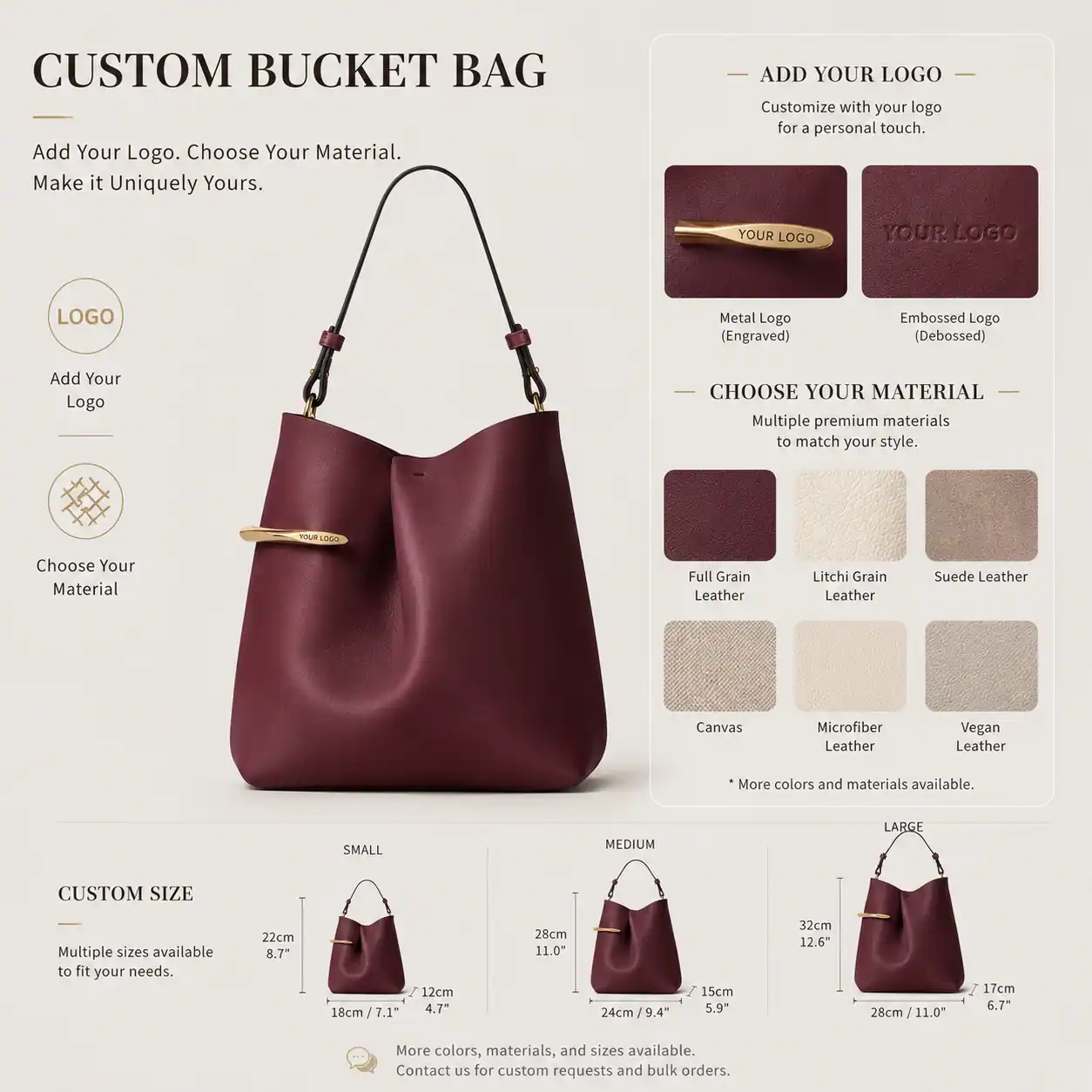


Designer Handbag Factory Manufacturer Industry Leaders
Design-driven handbag manufacturing sets the standard for speed, quality, and customization. Global buyers seek a partner that turns sketches into sale-ready products with predictable lead times. A leading factory combines in-house design, rapid prototyping, and scalable production lines to move from concept to sample to mass production efficiently. From premium leathers and eco fabrics to hardware and trims, the supply chain is engineered for traceability, precise color control, and durable construction across categories—from compact crossbodies to oversized totes. Beyond aesthetics, leaders emphasize responsible sourcing, strict quality control, and transparent operations. Rigorous testing ensures seam strength and finish quality meet global standards. Flexible MOQs, multi-site capacity, and reliable logistics minimize risk and speed delivery. Additional services such as packaging, labeling, and private branding streamline procurement, helping retailers scale collections quickly while sustaining sustainability and brand promises.
{ Designer Handbag Factory Manufacturer Industry Leaders }
| Factory ID | Region | City | Year Established | Annual Production Capacity (units) | Design Capability (styles/year) | Primary Materials | Certifications | Prototype Lead Time (weeks) | Workforce | Automation Level | Sustainability Score |
|---|---|---|---|---|---|---|---|---|---|---|---|
| F-001 | Asia-Pacific | Guangzhou | 2012 | 320,000 | 48 | Full-grain Leather; Microfiber | ISO 9001; BSCI; ISO 14001 | 6 | 820 | High | 78 |
| F-002 | Europe | Porto, Portugal | 2010 | 210,000 | 34 | Vegetable-tanned Leather; Cotton Canvas | ISO 9001; FSC | 8 | 640 | Medium | 72 |
| F-003 | North America | Los Angeles | 2015 | 180,000 | 40 | Leather; Recycled Textile | ISO 9001; SA 8000 | 7 | 520 | Medium | 68 |
| F-004 | Asia-Pacific | Ho Chi Minh City | 2008 | 400,000 | 52 | Faux Leather; Microfiber | ISO 9001; BSCI | 5 | 900 | High | 75 |
| F-005 | Europe | Itzehoe | 2013 | 170,000 | 28 | Genuine Leather; Textile | ISO 9001; ISO 14001 | 9 | 460 | Medium | 70 |
| F-006 | Asia-Pacific | Bangkok | 2016 | 120,000 | 22 | Leather; Recycled Nylon | ISO 9001 | 6 | 380 | Low | 63 |
| F-007 | Middle East | Dubai | 2014 | 150,000 | 30 | Leather; Synthetic Leather | ISO 9001 | 10 | 500 | Medium | 66 |
Related Products


Designer Handbag Factory Stands Out For the Current Year
Top Selling Products


- Related Blog
- Reviews
- Reviews
