
Private Label Bag Production for Wholesale & Manufacturer Partnerships
I am your partner in {Private Label Bag Production}, turning your designs into market-ready bags with speed and reliability. For B2B buyers, I tailor every project to meet brand standards, from materials and hardware to packaging and labeling. As a {Manufacturer}, I enable scalable production for {Wholesale} orders, offering low minimums, flexible runs, and transparent pricing. From concept to delivery, I manage sourcing, prototyping, size specs, colorways, and quality control, ensuring consistency across batches. Our factory adheres to ethical practices, with traceable materials and robust QC at every stage, preventing defects and delays. With short lead times, competitive MOQs, and a straightforward re-order process, you can forecast inventory and grow your own private-label line. I welcome collaborations across fashion, lifestyle, and corporate gifts, and I’m ready to adapt to your brand voice, packaging design, and certification needs. Let’s build a successful private-label bag program together.

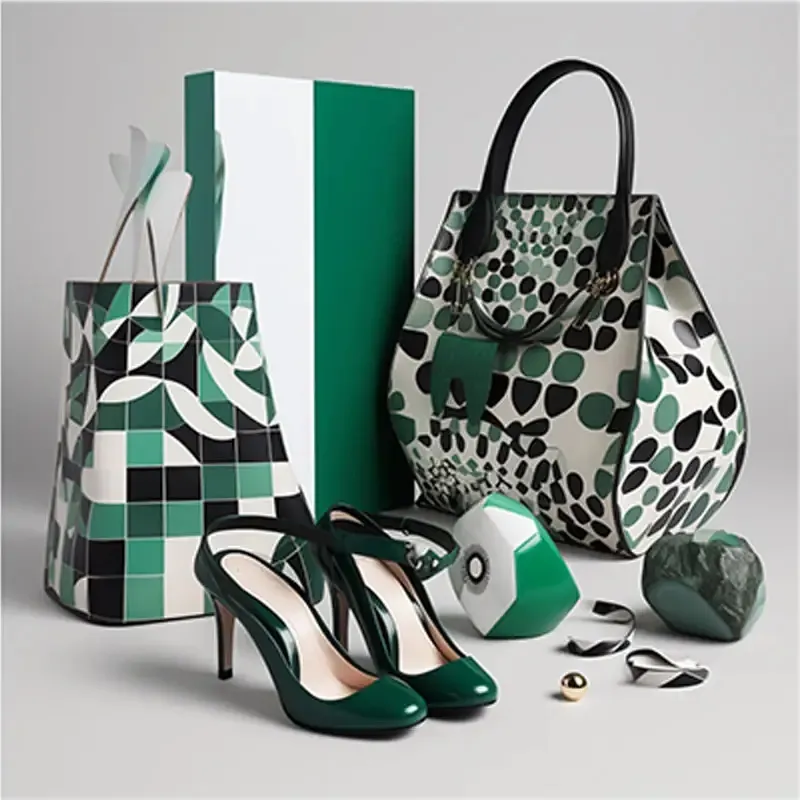


Private Label Bag Production Sets the Industry Standard Supplies the World\u2019s Top Brands
Private label bag production is raising the industry standard by delivering end-to-end solutions that scale with demand. A capable partner can turn a designer concept into a repeatable product—from material selection (PU, genuine leather, recycled fabrics) and hardware to precise stitching and color matching. Through rigorous sampling and strict in-line QC, prototypes become line-ready items that stay consistent across batches and seasons. Global buyers gain predictability from transparent supply chains, clear quality metrics, and flexible terms for multi-region launches. Reputable producers align with international standards on safety, social responsibility, and environmental stewardship, offering material traceability and IP protection. They tailor lead times, MOQs, and packaging to fit brand calendars while providing sustainable options and reliable on-time delivery to a diverse market network.
{ Private Label Bag Production Sets the Industry Standard Supplies the World's Top Brands }
| Year | Region | Annual Production (k units) | Materials Used | Primary Process | Lead Time (days) | Defect Rate (%) | Certifications |
|---|---|---|---|---|---|---|---|
| 2019 | Asia-Pacific | 980 | PQ Leather; Recycled PET; Cotton Canvas | Cut & Sew; Lamination | 18 | 0.90 | ISO 9001 ISO 14001 |
| 2020 | Europe | 1020 | PQ Leather; Recycled PET; Polyester | Cut & Sew; Bonding | 17 | 0.82 | ISO 9001 ISO 14001 BSCI |
| 2021 | Americas | 1090 | PQ Leather; Recycled PET; Cotton Canvas | Cut & Sew; Laminating | 16 | 0.75 | ISO 9001 ISO 14001 SA 8000 |
| 2022 | Asia-Pacific | 1250 | PQ Leather; Recycled PET; Canvas | Cut & Sew; Heat-Sealing | 15 | 0.60 | ISO 9001 ISO 14001 EICC |
| 2023 | Global | 1420 | Recycled PET; PQ Leather; Cotton | Cut & Sew; Bonding; Embossing | 14 | 0.50 | ISO 9001 ISO 14001 RBA |
| 2024 | Asia-Pacific | 1600 | Hemp blends; Recycled PET | Cut & Sew; Digital Embroidery | 12 | 0.45 | ISO 9001 ISO 14001 BSCI |
Related Products


Private Label Bag Production Stands Out Manufacturers You Can Rely On
Top Selling Products



- Related Blog
- Reviews
- Reviews
