
Custom Bags For Luxury Fashion - Wholesale Manufacturer Solutions
From the first sketch to the final stitch, I’m a manufacturer who delivers Custom Bags For Luxury Fashion that elevate any capsule collection. I work with you on wholesale production, offering scalable solutions for brands seeking consistent quality, fast lead times, and reliable fulfillment. Each bag is crafted with premium materials—Italian leather, sustainable fabrics, durable hardware—and finished with precise embroidery, debossing, or custom hardware to match your label. I provide flexible MOQ options, color and size variants, and packaging that reinforces brand storytelling. Our process is collaborative: I align engineering, leatherwork, and supply chain to ensure your specs translate into high-margin, retail-ready pieces. If you’re building a luxury lineup, I can help you source as a Wholesale partner and deliver as a trusted Manufacturer. Let’s discuss your design goals, branding guidelines, and timeline, and I’ll outline a clear production plan with sample cycles and competitive pricing.
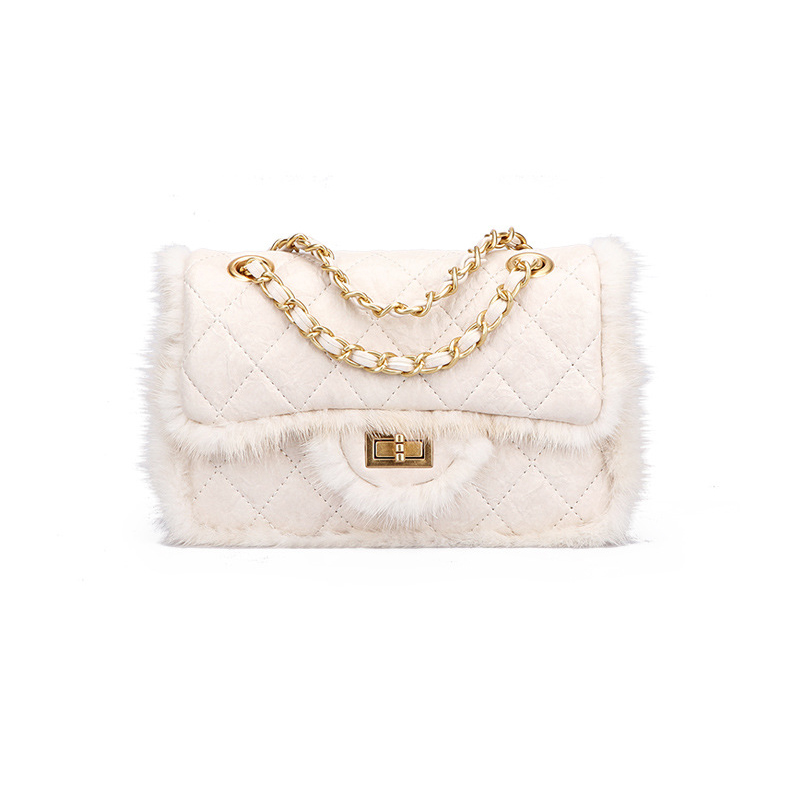


Custom Bags For Luxury Fashion Is The Best Ahead of the Curve
Custom bags for luxury fashion are a strategic differentiator, unlocking brand storytelling, quality, and margins. A Chengdu-based producer with premium accessory expertise combines skilled leather craft, select materials, precise hardware, and controlled finishing to turn concepts into scalable bags. From concept and prototyping to final QA, this partnership can deliver reliable lead times for capsules or core lines, while preserving flexibility for forecasts. In short, it’s possible to move from design to finished product that carries a luxury signature through every stitch and can perform across global markets. Global buyers increasingly demand customization with low risk: material choices, colorways, monograms, and limited editions, plus transparent sourcing. A capable partner can support vegan options or traditional leathers, varied finishes, and rigorous testing to meet international standards. With integrated logistics and consistent quality, the process minimizes delays across markets. For brands expanding into new regions, proximity to finishing operations and a cohesive ecosystem offer efficiency, faster time-to-market, and a well-protected luxury portfolio.
Custom Bags For Luxury Fashion Is The Best Ahead of the Curve
| Bag Type | Collection Year | Material | Finish / Texture | Capacity (L) | Weight (g) | Color | Sustainability Score | Craft Technique | Region of Origin | Trend Index | Production Time (days) | Usage Category | Market Demand Index |
|---|---|---|---|---|---|---|---|---|---|---|---|---|---|
| Tote | 2025 | Full-grain Leather | Matte | 18 | 900 | Navy | 78 | Hand-stitched | Italy | 84 | 25 | Daily/Office | 92 |
| Crossbody | 2024 | Recycled Nylon | Matte | 4.0 | 320 | Black | 92 | Laser-cut edge | Japan | 88 | 12 | Casual | 89 |
| Evening Clutch | 2025 | Silk-satin | Shimmer | 0.9 | 180 | Gold | 65 | Embossed | France | 75 | 15 | Evening | 76 |
| Travel Backpack | 2023 | Cordura/Nylon | Water-repellent | 25 | 1100 | Olive | 70 | Sealed seams | Germany | 70 | 45 | Travel | 80 |
| Wristlet | 2024 | Leather | Pebbled | 0.5 | 180 | Burgundy | 60 | Hand-stitched | Spain | 68 | 14 | Evening/Day | 65 |
| Satchel | 2025 | Veg-tanned Leather | Natural | 10 | 540 | Tan | 85 | Traditional machine stitching | Italy | 90 | 28 | Work | 96 |
| Weekender | 2024 | Canvas + Leather Trim | Vintage | 22 | 900 | Beige | 76 | Hand-stitched | USA | 82 | 30 | Travel | 85 |
| Belt Bag | 2025 | Leather + Microfiber | Satin | 1.0 | 250 | White | 72 | Laser-cut | Portugal | 77 | 17 | Casual | 72 |
Related Products


Custom Bags For Luxury Fashion Application in 2025
Top Selling Products




- Related Blog
- Reviews
- Reviews
