
Custom Ballet Shoes - Wholesale Manufacturer
I make custom ballet shoes designed for performance and durability. If you’re sourcing for studios, schools, or dance retailers, I offer Wholesale pricing and flexible terms. As a Manufacturer with full control over materials—from premium leather to satin and lining—I tailor toe boxes, shank stiffness, and widths to each dancer. My process starts with precise measurements and data-driven fittings, then moves quickly to prototype and bulk production. You’ll appreciate quick lead times, consistent quality, and scalable options for small runs or large orders. I can customize branding, packaging, and labeling to match your program. Quality is verified at every step, from outsole bonding to stitch density. I’m committed to reliability, so you can place orders with confidence, knowing you’re getting the best value in custom ballet shoes. Let’s build a solution that keeps your company ahead in performance and comfort.
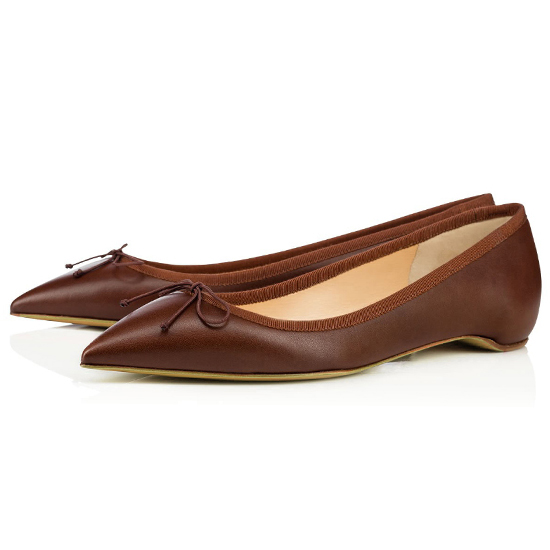
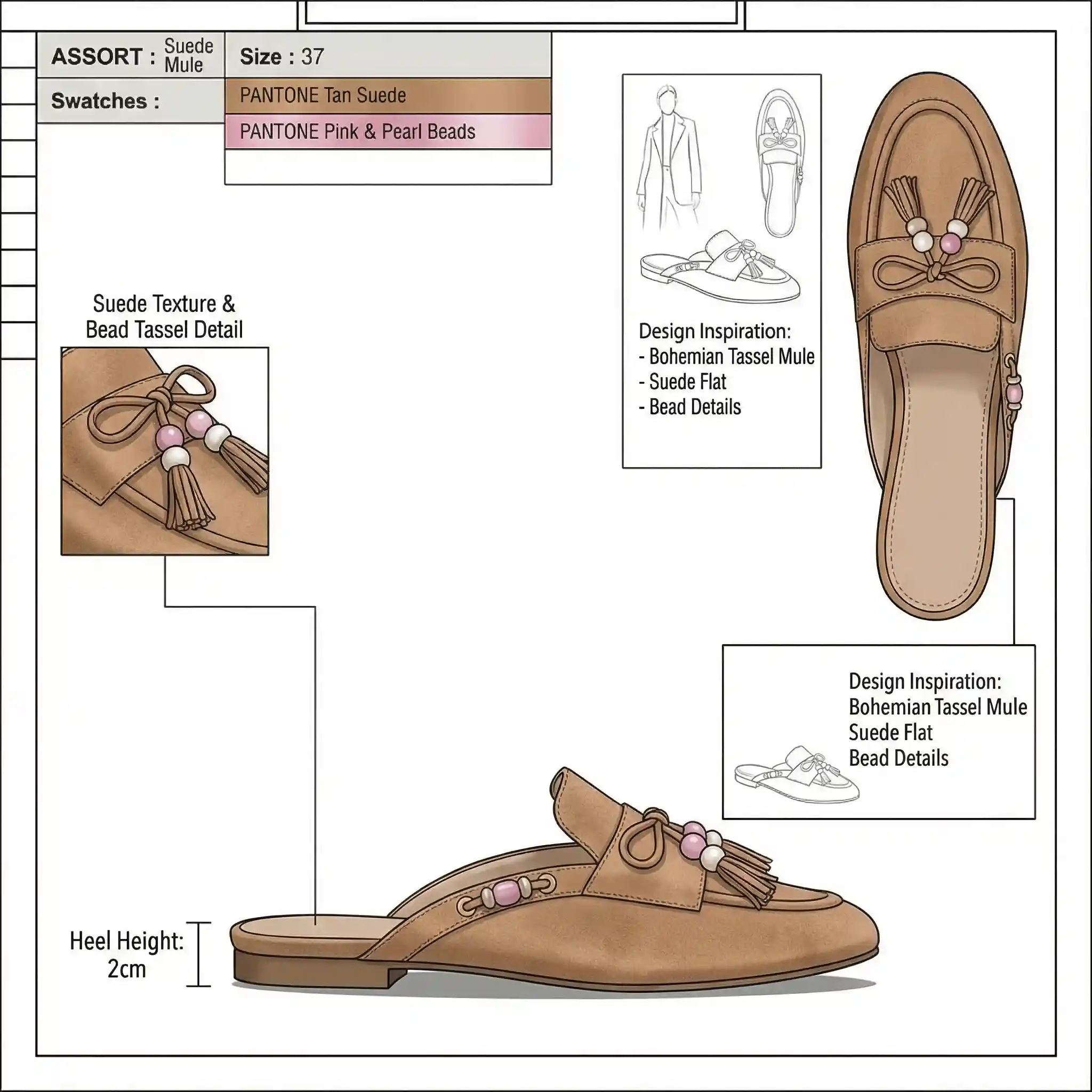
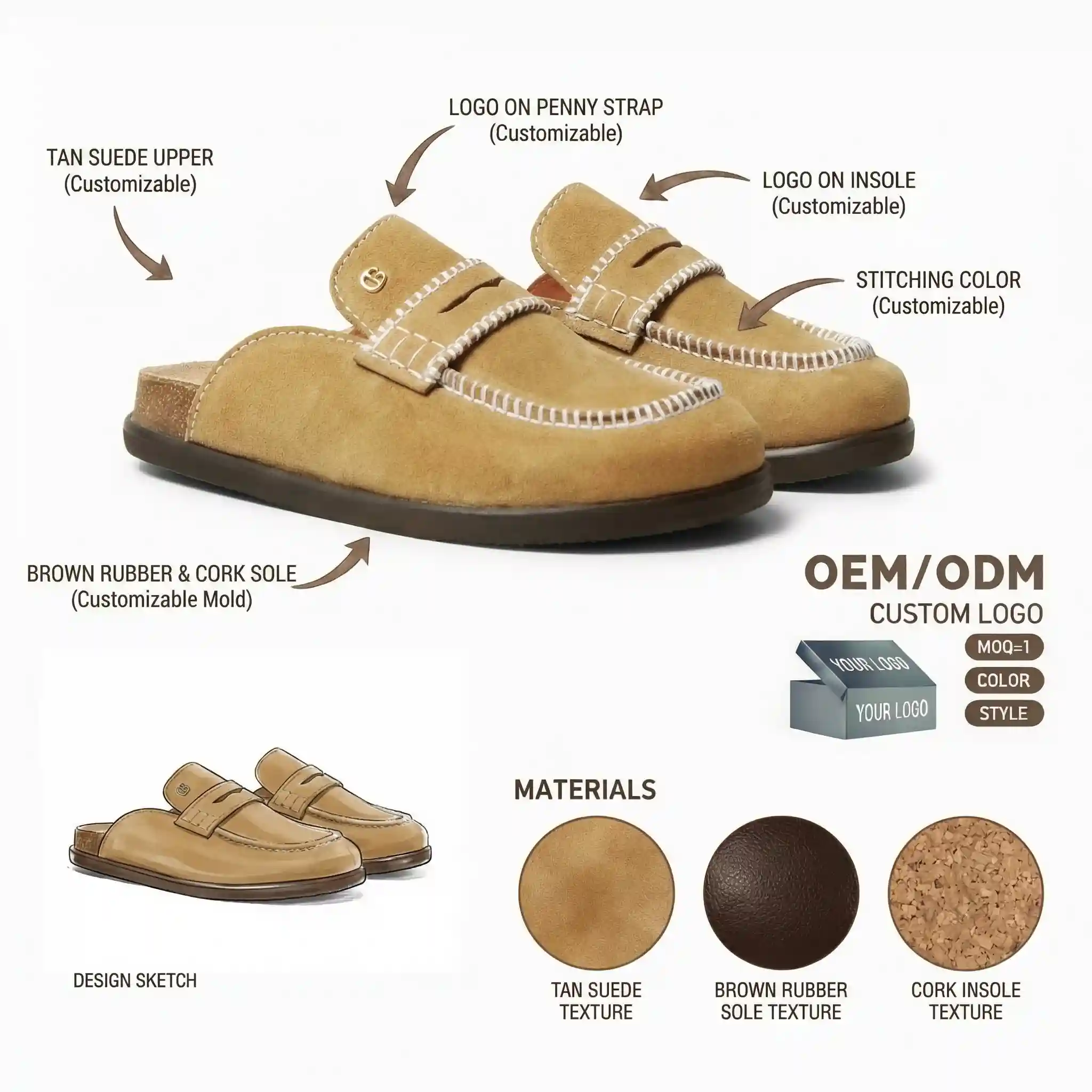


custom ballet shoes Now Trending Custom Solutions,
Now trending: custom ballet shoes with tailored solutions for precise fit and performance. The demand for custom ballet shoes has surged as studios and performers seek footwear that fits exact foot shapes, movement, and stage aesthetics. Tailored toe boxes, arch support, heel counters, and personalized insoles enhance comfort and control. Material options range from premium leather to satin and performance synthetics, with sole choices optimized for studio floors or on-stage grip. Color, piping, embroidery, and logo-free customization allow schools and brands to express identity while maintaining consistent fit across fleets. For global buyers, partners can offer flexible minimums, scalable production, rapid prototyping, and full QC with standardized size charts. We offer sustainable materials, REACH-compliant dyes, and traceable supply chains. Private labeling, custom packaging, and secure IP protection help buyers build value. Transparent lead times, competitive pricing, and a robust sample program enable buyers to test fit and performance before large orders, ensuring reliable delivery to studios, rental houses, and schools worldwide.
| Region | Avg Production Time (days) | Popular Materials | Typical Customizations | US Size Range | Color Trends | Market Share (%) |
|---|---|---|---|---|---|---|
| North America | 12–16 | Satin, Leather | Toe Box: Narrow or Wide; Split Sole; Extra Padding; Ribbon Length | US 2–12 | Black, White, Blush | 34 |
| Europe | 11–15 | Satin, Canvas | Toe Box: Round or Pointed; Ankle Strap; Half-Sole | US 3–11 | Black, Navy, Rose | 28 |
| Asia-Pacific | 10–14 | Vegan Leather, Canvas | Wide Width; Arch Support; Custom Insole | US 1–12 | Black, White, Gold | 26 |
| Latin America | 14–18 | Canvas, Leather | Narrow/Wide; Extra Padding | US 2–10 | Black, Red | 6 |
| Middle East & Africa | 13–17 | Leather, Suede | Narrow/Wide; Padding | US 3–9 | Tan, Black | 6 |
Related Products


custom ballet shoes Factory Your End-to-End Solution
Top Selling Products

- Related Blog
- Reviews
- Reviews
