
Custom Shoes Manufacturers - Wholesale & Manufacturer Solutions
From concept to delivery, I am your partner in Custom Shoes Manufacturers, turning brands' ideas into durable, stylish footwear. I handle wholesale orders with flexible MOQs, fast sampling, and scalable production. As a hands-on Manufacturer, I guide you through material choices, performance testing, and colorways to fit your market. I offer confidential private-label service, OEM/ODM, and real-time order tracking. Whether you need athletic uppers, casual sneakers, or safety shoes, I can source vegan leather, recycled fabrics, and sustainable packaging. Timely delivery, rigorous quality control, and clear communication are my commitments. Share your specs, target margins, and timeline, and I’ll draft a tailor-made plan with a competitive quote. Let’s build a lasting partnership that elevates your Wholesale channels and strengthens your brand.


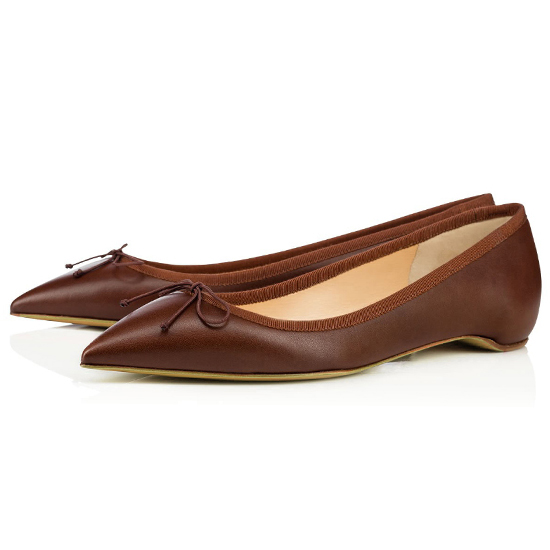
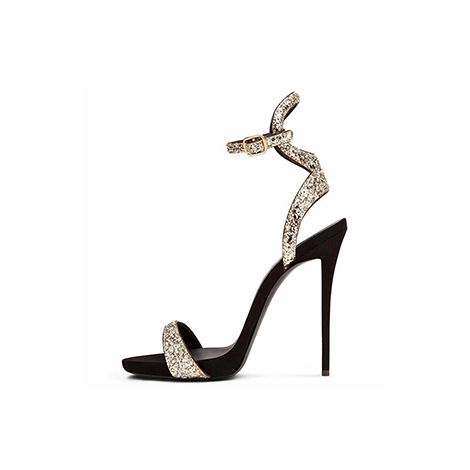
Custom Shoes Manufacturers Application Sets the Industry Standard
The Custom Shoes Manufacturers application sets the industry standard by uniting design, production, and logistics in a platform. Global buyers can submit style, size, material, color, and finish specs and receive instant feasibility checks, 3D previews. Seamless collaboration across design studios and factories speeds approvals, reduces sampling cycles, and shortens time-to-market. Standardized workflows ensure consistent quality from first cut to final stitch, while data-driven controls protect fit and durability. For procurement teams, the platform delivers transparent pricing, real-time capacity planning, and material-to-shipment traceability. Compliance with environmental and labor standards is built in, with audit trails and supplier certifications accessible to buyers. Consistent performance is supported by standardized testing and clear warranty terms. By adopting standardized customization workflows and data-backed quality controls, buyers reduce risk, shorten lead times, and scale orders with confidence.
Custom Shoes Manufacturers Application Sets the Industry Standard
| Facility Code | Location | Established | Annual Capacity (pairs/year) | Materials Focus | Customization Capabilities | Lead Time (days) | Minimum Order (pairs) | Certifications | Sustainability Score |
|---|---|---|---|---|---|---|---|---|---|
| F-001 | Guangdong, China | 2007 | 120,000 | Leather, Synthetic, Eco-friendly Materials | 3D foot scanning, CAD/CAM, Design library | 28 | 20 | ISO 9001; ISO 14001; BSCI | 88 |
| F-002 | Porto, Portugal | 2012 | 80,000 | Sustainable leather, Plant-based alternatives | 3D scanning, Modular design | 32 | 25 | ISO 9001; EMAS | 90 |
| F-003 | Fujian, China | 1999 | 200,000 | Premium leather, Recycled fabrics | 3D foot scanning, Prototyping | 25 | 15 | ISO 9001; FSC | 85 |
| F-004 | Ho Chi Minh City, Vietnam | 2010 | 110,000 | Synthetic uppers, Vegan materials | CAD/CAM, Rapid prototyping | 21 | 40 | ISO 9001; SEDEX; SA 8000 | 82 |
| F-005 | São Paulo, Brazil | 2005 | 70,000 | Natural rubber, Canvas, Plant-based | 3D scanning, Fabric customization | 26 | 20 | ISO 9001; BSCI; Fair Trade | 78 |
| F-006 | Milan, Italy | 1998 | 150,000 | Full-grain leather, Chrome-free dyes | 3D fit measurement, Last modification | 20 | 10 | ISO 9001; OEKO-TEX; FSC | 92 |
| F-007 | Seattle, USA | 2015 | 60,000 | Hybrid materials, Recycled polyester | In-house design studio, 3D printed midsoles | 24 | 25 | ISO 9001; Green Seal | 83 |
Related Products

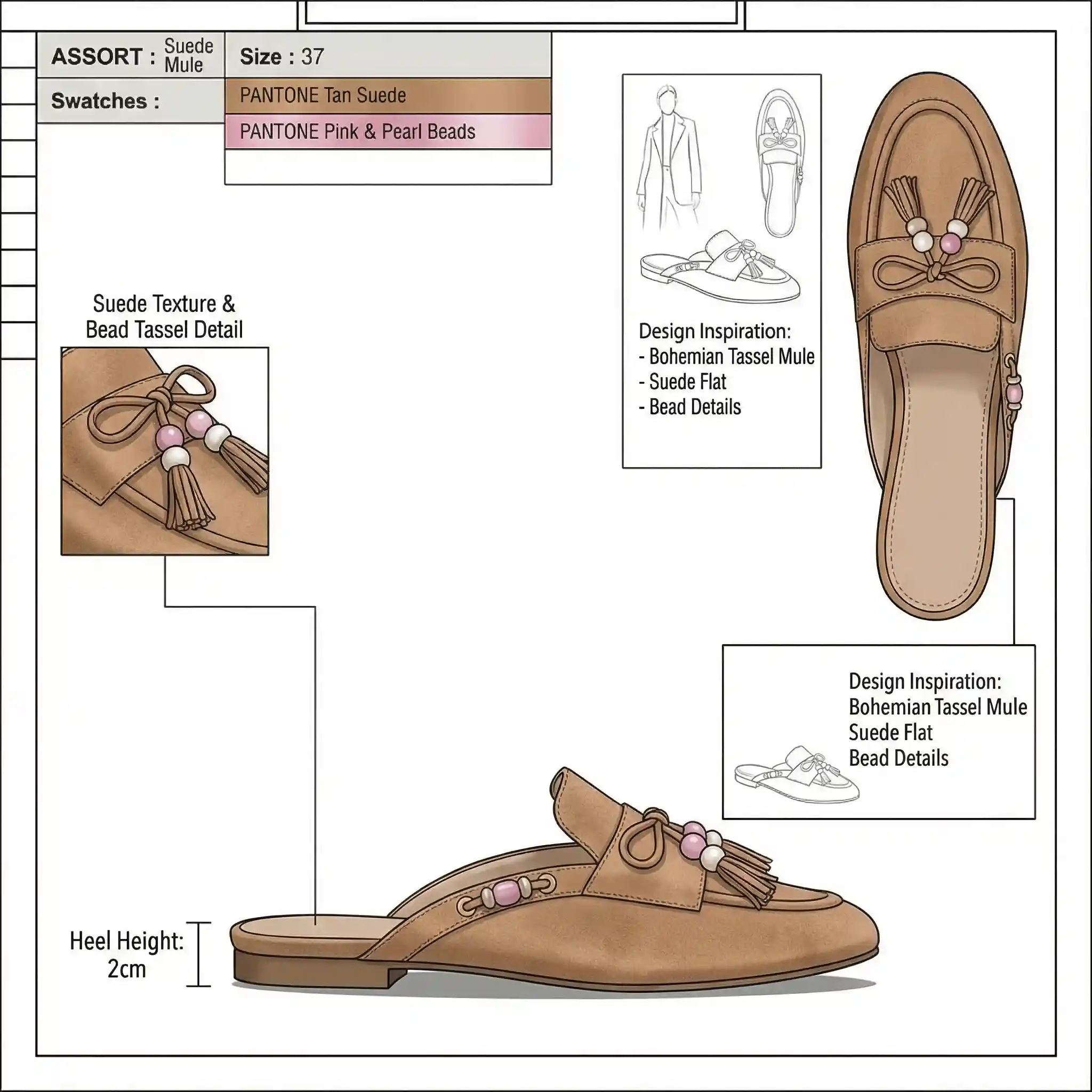
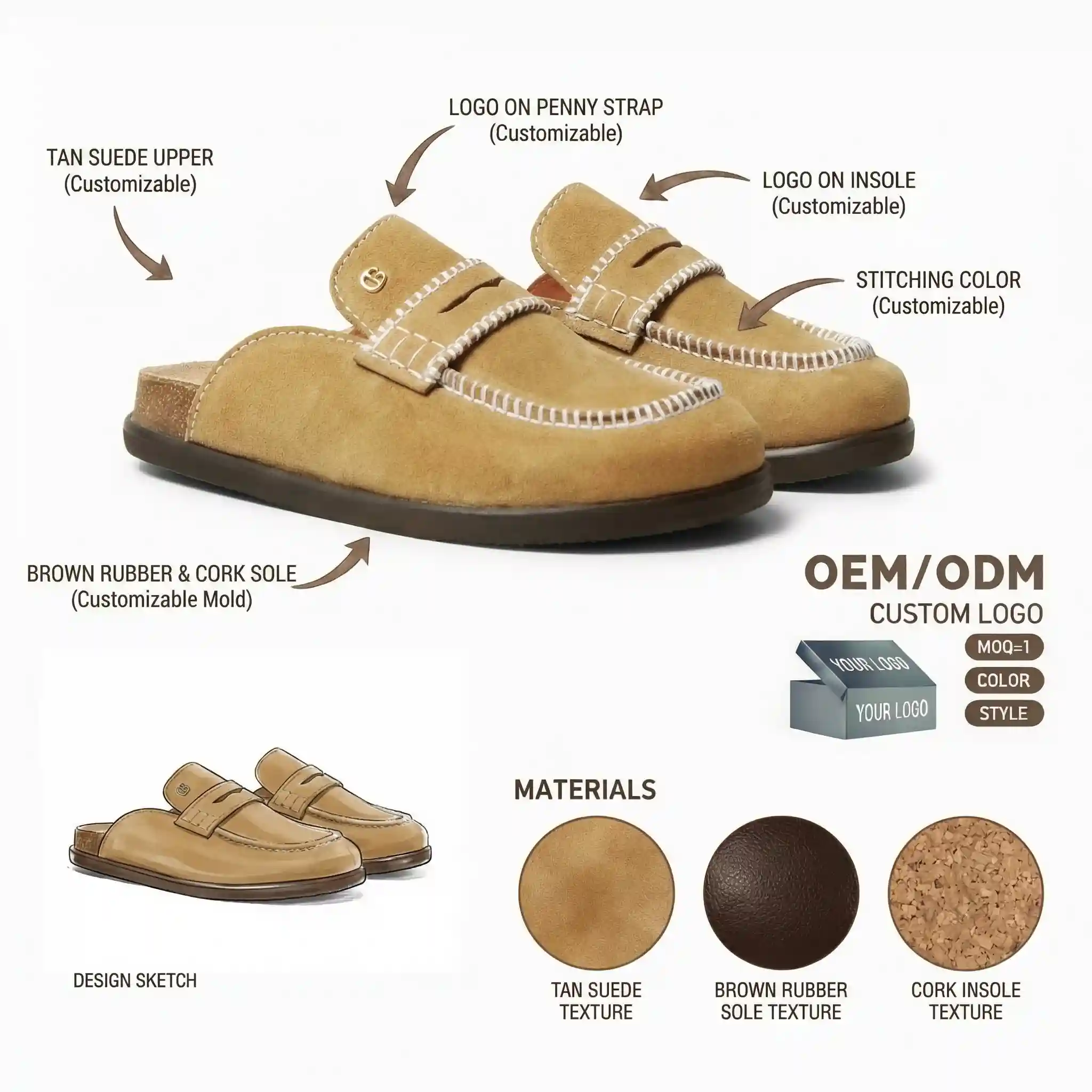


Custom Shoes Manufacturers in 2025 Leads the Global Market
Top Selling Products

- Related Blog
- Reviews
- Reviews
